
 Bacterial Leaf Spot
At a glance
| Type | Bacterium (several different ones) |
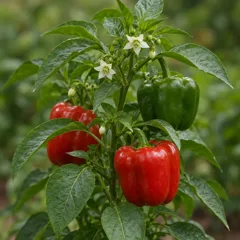
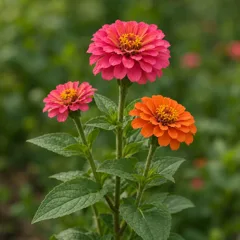
| Main cause | Xanthomonas on peppers and zinnias; Pseudomonas syringae on delphiniums and larkspurs; related bacteria on other plants |
| Worst conditions | Wet leaves. Warm, wet spells for peppers, zinnias and cotton; cool, wet spells and heavy dew or fog for delphiniums, larkspurs and cilantro. Rain splash and overhead watering spread it. |
Recent community discussions
No one has talked about Bacterial Leaf Spot yet. Be the first.
Signs
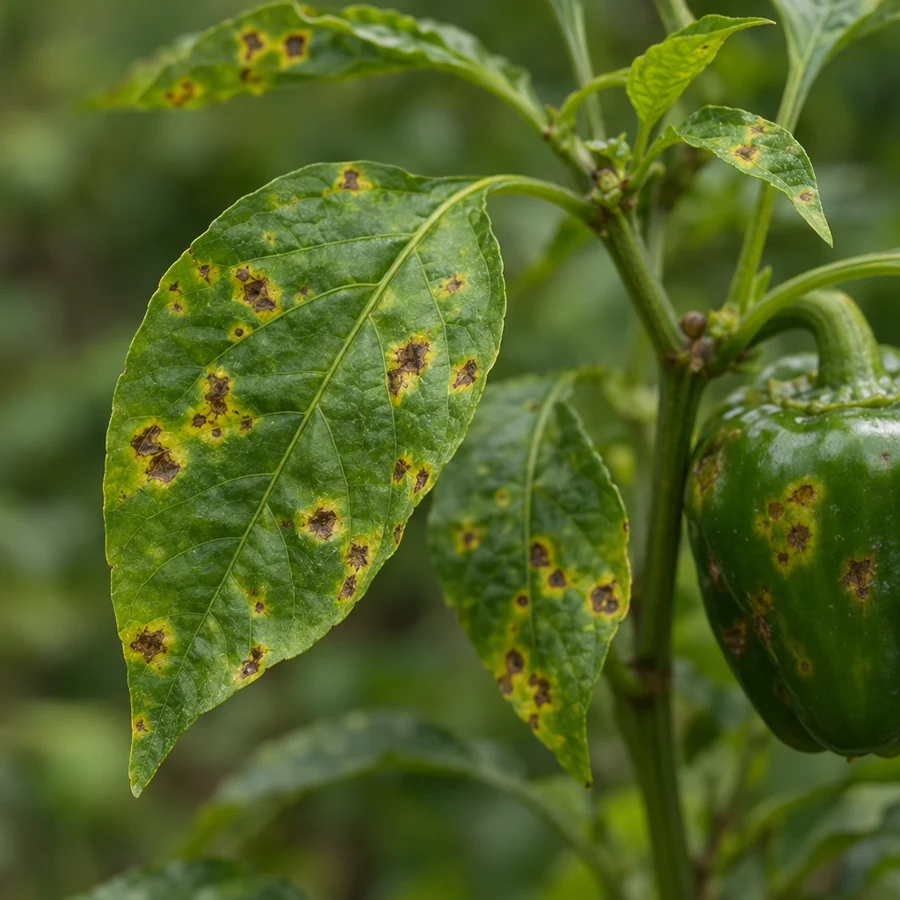
- Small, dark, water-soaked spots on the leaves that turn brown or black.
- Spots are often angular, held in by the leaf veins, and may have a yellow halo.
- On delphiniums and larkspurs the spots are black and tar-like on top, brown underneath.
- Spots can join into larger dead patches, and badly hit leaves yellow and drop.
- On peppers, raised scabby spots can show on the fruit, and leaf drop leaves fruit open to sunscald.
- It looks a lot like fungal leaf spots (on zinnias it's easy to confuse with alternaria leaf spot, and the two often turn up on the same leaf). A lab test is the only sure way to tell.
Cause and Spread
Each plant group has its own strain, so the pepper bacteria won't jump to your delphiniums. The one to watch is pepper bacterial spot: some of its strains infect tomatoes too, so treat peppers and tomatoes as one family when you plan your beds. The bacteria ride in on infected seed and transplants, then spread in splashing water, on hands and on tools. They survive the winter in old plant debris and on volunteer plants. On perennials like delphiniums they also hang on in the crowns of infected plants and in the soil.
Prevention
- Buy clean, tested seed and healthy transplants; don't plant anything with spotted leaves.
- Water at the soil with drip or a soaker hose, not overhead.
- Give plants room so the leaves dry quickly; avoid crowding and deep shade.
- Stay out of the bed while the leaves are wet.
- Rotate: keep peppers (and tomatoes) out of a bed for at least a year, longer if you can. See the crop rotation plan.
- Clear and throw away infected leaves and old plants at season's end, and pull volunteers. More on that in cleaning up diseased plants in fall.
- For peppers, choose varieties sold as resistant to bacterial spot (resistance only covers certain strains).
Organic Treatment
- No spray cures infected leaves; most fungicides don't touch bacteria.
- Copper sprays can slow the spread to new growth if started early, but copper-resistant strains of the pepper bacteria are known (UC IPM), so don't count on it. Always follow the label.
- Pick off spotted leaves on dry days and throw them away.
When to Pull the Plant
Pull and bag seedlings or young plants that are badly spotted. Older plants with a few spots can stay if you remove affected leaves, but pull any plant that's dropping most of its leaves. Don't compost infected material or save seed from it.
Sources
- UC IPM, Pepper: Bacterial Spot: https://ipm.ucanr.edu/PMG/r604100311.html
- UMass Extension, Solanaceous Bacterial Spot: https://www.umass.edu/agriculture-food-environment/vegetable/fact-sheets/solanaceous-bacterial-spot
- University of Minnesota Extension, Zinnia leaf spots: https://apps.extension.umn.edu/garden/diagnose/plant/annualperennial/zinnia/leavesblotchesorspots.html
- Penn State Extension, Zinnia Diseases: https://extension.psu.edu/zinnia-diseases
- PNW Plant Disease Management Handbook, Delphinium Black Leaf Spot: https://pnwhandbooks.org/plantdisease/host-disease/delphinium-black-leaf-spot
- PNW Plant Disease Management Handbook, Coriander and Cilantro Bacterial Leaf Spot: https://pnwhandbooks.org/plantdisease/host-disease/coriander-cilantro-coriandrum-sativum-bacterial-leaf-spot
- NC State Extension, Bacterial Blight (Angular Leaf Spot) of Cotton: https://content.ces.ncsu.edu/publication/bacterial-blight-angular-leaf-spot-of-cotton
- Connecticut Agricultural Experiment Station, Plant Pest Handbook, Nasturtium: https://portal.ct.gov/caes/plant-pest-handbook/pphn/nasturtium-tropaeolum
- Koike and Azad, First Report of Bacterial Blight of Four O'Clock (Mirabilis jalapa) Caused by Xanthomonas campestris in California, Plant Disease 87(7), 2003: https://apsnet.org/publications/plantdisease/2003/July/Pages/87_7_874.2.aspx
- Michigan State University Extension, Bacterial leaf spot: https://canr.msu.edu/resources/bacterial-leaf-spot
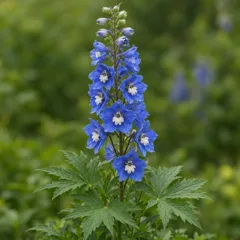
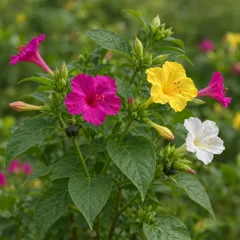
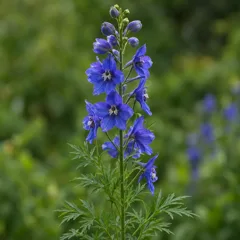
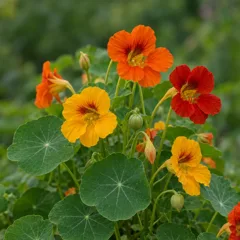
Plants it affects 8
Recent community discussions
No one has talked about Bacterial Leaf Spot yet. Be the first.
Products that take care of Bacterial Leaf Spot
 Copper FungicideOrganic spray that protects leaves from blights, leaf spots and bacterial diseases.See it →
 Biofungicide (Bacillus subtilis)Friendly bacteria that crowd out mildews, gray mold and leaf spots.See it →
 Soaker HoseWaters the roots slowly, not the leaves: less disease, less water, less work.See it →
