
Nettle
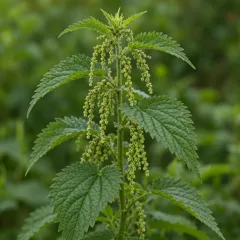
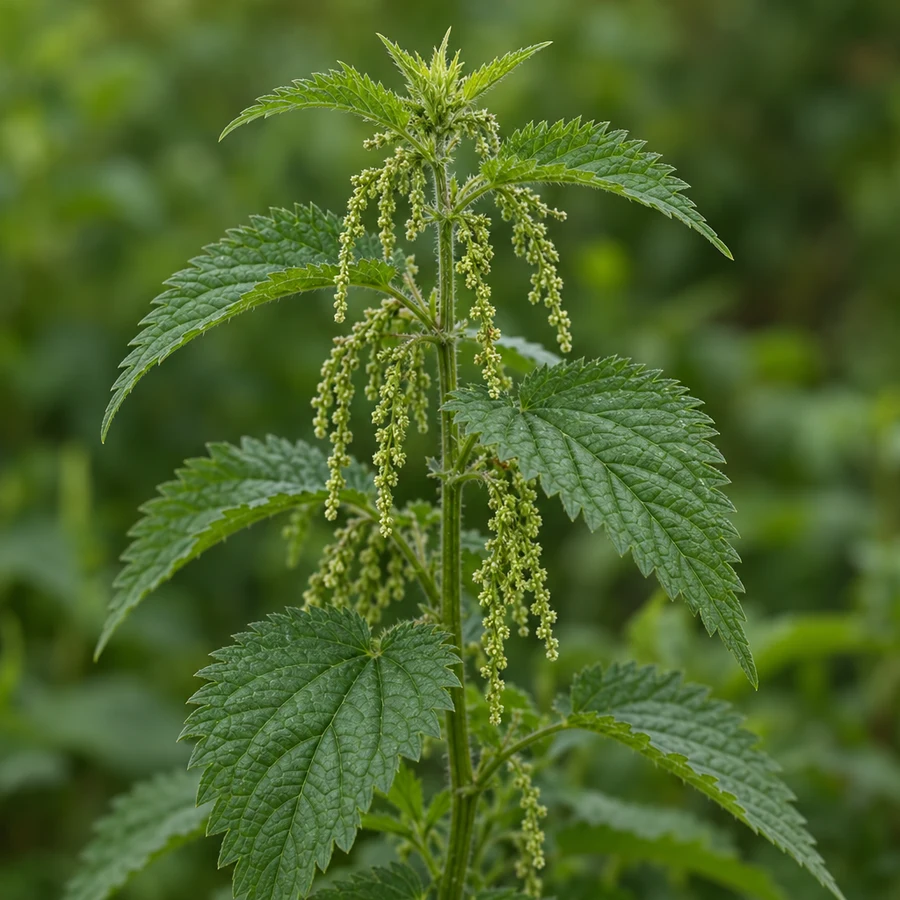
Stinging nettle is a nutritious perennial whose leaves and stems are covered in stinging hairs. It grows best in moist, rich soil and spreads by underground roots.
Recent community discussions
No one has talked about Nettle yet. Be the first.
At a glance
| Plant type | Herb and wild edible |
| Botanical name | Urtica dioica (stinging nettle) |
| Annual or perennial | Perennial |
| Sun | Full sun to part shade |
| Water | Regular; likes moist soil |
| Spacing | 12 to 18 inches |
| Planting depth | Surface to 1/8 inch |
| Days to germinate | 10 to 14 |
| Days to maturity | 80 to 90 to first harvest |
| Best USDA zones | 3 to 10 |
| Soil pH | 5.5 to 7.5 |
Is it nettle weather where you are? See everything to plant this month or read your zone notes.

Sow in early spring once soil warms to 50°F (10°C). In mild zones, sow again in fall. Can be started indoors 4–6 weeks before transplant.

Germinates in 10–14 days; 60–90 days to mature; spreads aggressively.

Zones 3–10, April?October; in mild zones March?September; indoors year-round.

Moist, fertile clay loam or silty soils, pH 5.5–7.5. Thrives in nitrogen-rich soil.
Pests to watch for



Diseases
Mateo is researching the diseases that affect this plant.
A little history
Nettle has been used for food, tea, and fiber across Europe, Asia, and North America for thousands of years. Cloth was once woven from its stems.
When to sow in your zone
Spring: Start seeds indoors 4 to 6 weeks before your last frost and plant them out once frost has passed. Our post on counting back from your last frost shows how to find your start date. You can also sow outdoors in spring once the soil has begun to warm. Seeds sprout best in soil around 60 to 70°F, and seedlings usually show in about 10 to 14 days.
Fall: Sow outdoors in fall so winter chilling helps the seeds sprout in spring.
Growing it, step by step
From seed
Press seeds onto the surface and barely cover them; they need light. Keep moist.
Moving it outside
Move young plants in spring. Always wear gloves and long sleeves.
Water
Keep the soil moist. Plants wilt in dry spells.
Mulch
Mulch to keep roots cool and moist.
Feeding
Compost in spring is enough. Nettle likes nitrogen-rich soil.
Keeping it happy
Wear gloves, long sleeves, and long pants whenever you handle nettle, because it stings. Contain it with a root barrier or a large pot, and cut it back after harvest for fresh growth. Plant it where people and pets won't brush against it.
Trouble in the bed
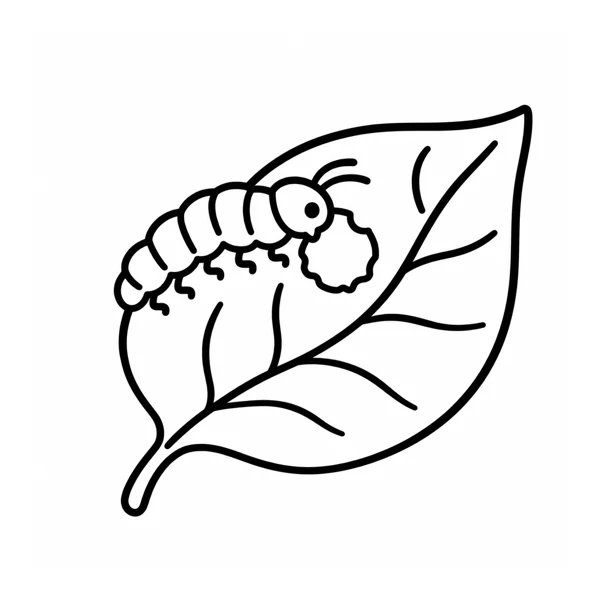
Nettle is a tough plant and rarely needs any help. The RHS lists it as generally free of pests and diseases. These are the few things you might spot:
- Nettle aphids: A small aphid that lives only on nettles builds up in late spring. It won't move on to your vegetables, and it's early food for ladybugs and hoverflies, so leave it be. Rinse the tops in water before you cook them.
- Nettle rust: Orange, swollen blisters on stems and leaf stalks in spring. The fungus spends part of its life on sedges, so it shows up most near wet, sedgy ground. Snip off the affected stems and throw them away.
- Nettle mildew: White, powdery patches on the leaves, mostly later in the season. Pick young tops before it shows, and give the patch room for air.
Good neighbors




Good: Fruit trees and berry bushes, at the edge of an orchard or wild corner.
Avoid: Paths, play areas, and beds with delicate plants it could overrun.
Seeds that grow well in your area in November
Affiliate links — shopping through these helps keep Evening Vines free. Wild Lupine
 Common Milkweed
 PansySeeds
 PhloxSeeds
Varieties worth growing
- American stinging nettle (Urtica dioica subsp. gracilis): Native to much of North America.
- European stinging nettle (Urtica dioica subsp. dioica): The common type grown for tea and food.
- Dwarf nettle (Urtica urens): A small annual that also stings.
Nettle seeds to buy
Affiliate links — shopping through these helps keep Evening Vines free. Stinging Nettle
Picking notes
Wearing gloves, snip the top 4 to 6 inches of young shoots in spring, before flowering. Don't eat older leaves once the plant flowers. If you cut the plants back after your spring picking, the fresh regrowth gives you a smaller second picking of young tops. Extra leaves can be dried for tea; see our post on drying herbs for winter.
Saving seed for next year
European stinging nettle usually has separate male and female plants, so you need both nearby to get seed. The native American nettle often carries male and female flowers on the same plant. Collect the seed clusters when they turn brown and dry, wearing gloves, and store the seed cool and dry. Our post on saving seeds from your garden covers drying and storing.
From garden to table
Cooking, blanching, or drying removes the sting. Nettle is rich in iron, calcium, and vitamins A and K. Use it in soup, tea, pesto, and pasta. Check with a health professional before using it medicinally.
Questions from the potting bench
How do I stop the sting? Cook, blanch, or dry the leaves first.
Will it take over? It can, so contain it.
What if I get stung? Rinse with cool water and don't scratch. See a doctor if you react strongly.
Grower reports
How did Nettle do in your garden? Members rate it and say which zone and month they planted, so everyone can see what works near them.
Recent community discussions
No one has talked about Nettle yet. Be the first.
Seeds to try
Affiliate links — shopping through these helps keep Evening Vines free.Essentials for Growing Nettle
 Grow Bags
Breathable fabric pots: grow almost anything on a patio, balcony or driveway, and roots never circle.
See it →
 Seed Starting Tray
Reusable tray with a clear dome to give seeds a warm, humid start indoors.
See it →
 LED Grow Light
Full-spectrum light for sturdy seedlings through short winter days.
See it →
 Pruning Shears
Sharp bypass pruners for harvesting, deadheading and tidying.
See it →
 Watering Can
Long-spout can for gentle watering of seedlings and pots.
See it →
 Organic Fertilizer
Slow-release organic plant food for vegetable beds and containers.
See it →
