
Persimmon
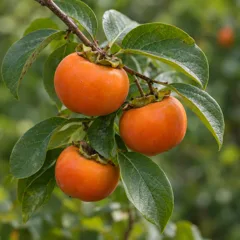
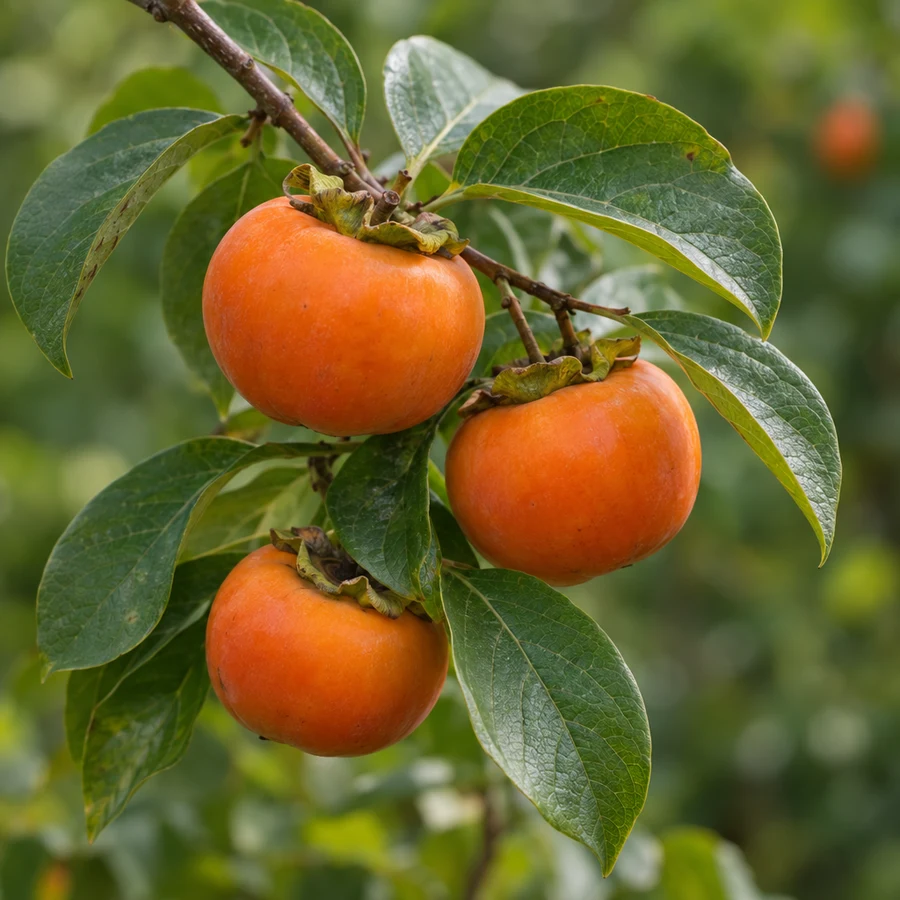
A persimmon tree is one of the easiest fruit trees you can grow. It has few pests, needs little pruning, and hangs bright orange fruit on bare branches in late fall, long after the leaves have turned and dropped. There are two kinds. Asian persimmons give big, peach-sized fruit and are hardy to about 0 to 10°F. American persimmons give small, plum-sized fruit with a rich, date-like flavor and take winters of 20°F below zero or colder. The one thing to learn first is astringency. Astringent persimmons are mouth-puckering until they go soft as jelly, while non-astringent kinds like Fuyu can be eaten crisp, like an apple.
Recent community discussions
No one has talked about Persimmon yet. Be the first.
At a glance
| Plant type | Fruit tree |
| Botanical name | Diospyros kaki (Asian persimmon); Diospyros virginiana (American persimmon) |
| Annual or perennial | Deciduous perennial |
| Sun | Full sun, 8 hours or more |
| Water | About 1 inch per week; keep it steady, as dry spells make fruit drop |
| Spacing | 15 to 20 feet for Asian trees (some stay near 10 feet); about 20 feet for American trees |
| Planting depth | Same depth it grew in the nursery, with the graft union above the soil |
| Days to germinate | Not grown from seed for fruit; start from a grafted nursery tree |
| Days to maturity | 3 to 5 years to first fruit for grafted trees (seedlings take longer) |
| Best USDA zones | 7 to 10 for Asian persimmon; 4 to 9 for American persimmon |
| Soil pH | 6.0 to 6.5 (copes with 5.0 to 7.0) |
Is it persimmon weather where you are? See everything to plant this month or read your zone notes.
Pests to watch for
Diseases
A little history
The Asian persimmon comes from China, where it has been grown for a very long time. Marco Polo wrote of Chinese persimmon trading in the early 1300s, and Japan later became home to hundreds of named varieties. Commodore Perry sent seeds from Japan to the United States in 1856, and the USDA brought in grafted trees from 1870. The tree reached Queensland, Australia, around 1885. The American persimmon is native from Florida north to Connecticut and west to Iowa and Texas. Native peoples dried its fruit long before Europeans arrived, and the English word "persimmon" comes from the Powhatan language of coastal Virginia.
When to sow in your zone
Persimmons go in as young grafted trees, not seeds. Plant while the tree is dormant, before buds swell.
Late winter to early spring (all zones): Plant bare-root or potted trees a few weeks before your last frost, while they're still asleep. This is the main window in zones 4 to 7. In colder spots, a potted tree can wait until just after the last frost.
Late fall through winter (zones 8 to 10): In mild areas, plant potted trees in fall and bare-root trees from about December to February. The roots grow a little through the cool months, so the tree starts spring ahead.
November in the garden: In zones 8 to 10, this is a good month to plant. In colder zones, it's harvest time for late fruit, and a time to rake up fallen leaves and fruit.
Growing it, step by step
Choosing the right kind
Match the tree to your winter. In zones 7 to 10, Asian persimmons are the usual pick. In zone 6, choose a cold-hardy Asian variety grafted onto American rootstock, or a hybrid. In zones 4 and 5, grow American persimmons. If you want to eat fruit firm, pick a non-astringent variety. If you don't mind waiting for soft fruit, astringent types are often hardier and heavier cropping.
Picking the spot
Give the tree full sun and a place where water never sits. Persimmons take sandy or clay soil, but wet roots and long droughts both cause fruit to drop. Avoid frost pockets in the low parts of a yard. Asian persimmons wake early, and a late frost can kill the new shoots and flowers. In cool, short-summer areas, a south- or west-facing wall gives the extra warmth the fruit needs to ripen.
Planting
Persimmons grow a long, brittle taproot, so they dislike being moved. Buy a young tree, and handle the root ball gently. Dig a hole as deep as the roots and twice as wide, set the tree at the same depth it grew before, and keep the graft union above the soil. Water it in well.
Growing in a pot
Compact Asian varieties can live for years in a big pot, around 15 to 20 gallons, with free-draining mix. This is a good way to grow one where winters are a bit too cold. Move the pot into an unheated garage or shed once the leaves fall, and bring it back out after the worst frosts.
Water
Water deeply every week through the first two summers. Once settled, a persimmon handles some dryness, but steady moisture through summer keeps the fruit on the tree.
Mulch
Spread 2 to 3 inches of wood chips or shredded bark over the root zone, kept a hand's width from the trunk.
Feeding
Go easy. Too much nitrogen makes a persimmon drop its fruit. Young trees can have a small amount of balanced fertilizer in early spring and again in midsummer. Bearing trees in a lawn often get all they need from the grass feeding nearby.
Keeping it happy
Prune in late winter while the tree is dormant. In the first few years, pick a few strong, well-spaced limbs to form the frame. After that, just remove dead, broken, or crossing branches, and cut back tall limbs to keep fruit within reach. Persimmon wood is brittle, so in heavy years thin out some of the young fruit soon after it sets. That saves branches from breaking and helps stop the tree from cropping heavily one year and lightly the next.
Paint the lower trunk of young trees with white latex paint mixed half and half with water. It prevents sunscald, and scalded bark invites ambrosia beetles.
Some fruit drop in early summer is normal, especially on young trees and on varieties that set fruit without pollination.
Trouble in the bed
Persimmons have fewer problems than most fruit trees.
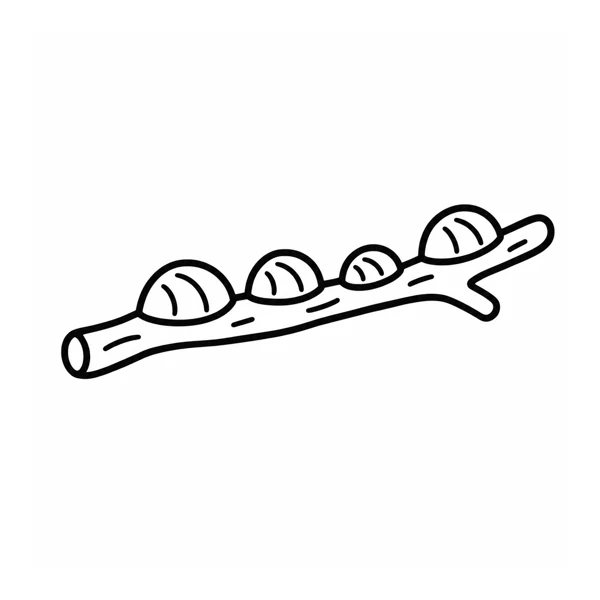
- Scale insects: White peach scale, wax scales and other scales crust the twigs. A dormant oil spray just before buds swell controls them.
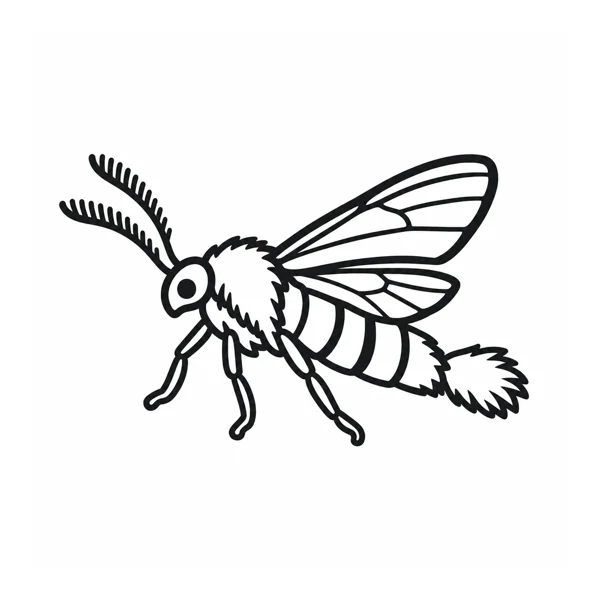
- Persimmon borer: The grubs tunnel into the lower trunk and roots, mostly in the Southeast. Check the base of the trunk for sawdust-like frass, and keep the tree healthy.
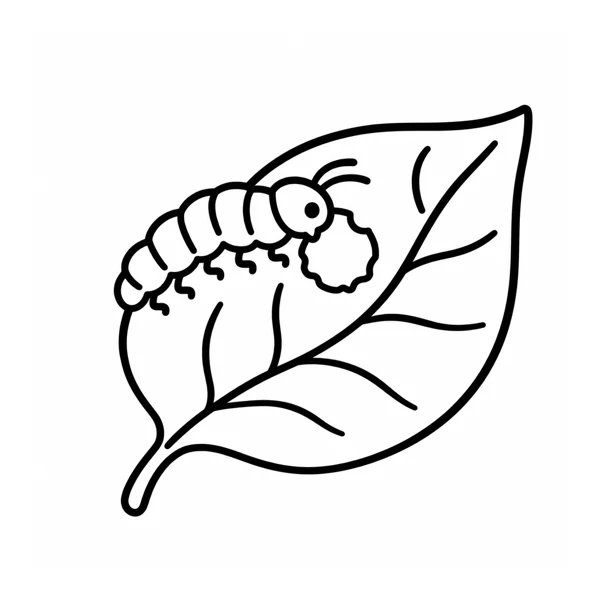
- Caterpillars: Fall webworms and other leaf-eating caterpillars show up some years. Natural enemies usually keep them in check; prune out webs if they bother you.
- Leaf spots and anthracnose: Dark spots on the leaves, sometimes with early leaf drop. Rake up fallen leaves and give the tree good air flow. Spraying is rarely needed.
- Birds, raccoons, and opossums: All love ripe fruit. Pick astringent kinds while firm and ripen them indoors.
Good neighbors



Good: Low herbs and flowers around the edge of the root zone, such as chives, thyme, oregano, nasturtiums and marigolds. They draw in pollinators and don't need digging.
Avoid: Thick turf right up to the trunk, which competes for water and nitrogen, and vegetable beds that need deep digging near the taproot.
Seeds that grow well in your area in November
Affiliate links — shopping through these helps keep Evening Vines free. PansySeeds
 PhloxSeeds
 Royal Mix
 Johnny Jump Up
Varieties worth growing
Non-astringent Asian (eat firm or soft; zones 7 to 10):
- Fuyu: The most popular persimmon in the US and Australia. Flat, round, and crisp, with a late harvest. It sets fruit without a partner.
- Jiro (Ichikikei Jiro): Like Fuyu but on a smaller tree, often seedless, and good at setting a sensible crop on its own.
- Hana Fuyu: Very large, yellow-orange fruit that can be eaten crisp.
- Izu: Ripens early, which helps in cooler areas or where fall frosts come soon.
Astringent Asian (eat soft; zones 7 to 10):
- Hachiya: Large, acorn-shaped, and the classic for baking and drying. Very puckery until fully soft, then rich and sweet.
- Tanenashi: Seedless, cone-shaped, and a good cropper in the Southeast.
- Eureka: A small, heavy-bearing tree that suits backyards.
Cold-hardy Asian (zone 6 when grafted onto American rootstock):
- Great Wall: Small fruit on a vigorous tree.
- Sheng: Larger fruit, with good cold tolerance.
Hybrid:
- Nikita's Gift: A cross of Asian and American persimmon, with sweet, mid-sized fruit that must soften before eating. Grown in zone 6 and milder.
American (zones 4 to 9):
- Meader: Very hardy and early ripening, and the best-known American type for cold, short-season gardens, including southern Canada. Often sold as self-fertile, but crops are steadier with a second tree.
- Early Golden, John Rick, and Even Golden: Named selections with good flavor, which crop best with a male tree nearby.
For UK and Ireland: Asian persimmons are hardy through much of Britain but need a long, warm fall to ripen. Plant an early-ripening type like Izu against a sunny south- or west-facing wall (late kinds such as Fuyu often fail to ripen outdoors), or grow it in a greenhouse or a large pot.
Picking notes
Persimmons ripen from September to December in the US, and from about March to June in Australia. Frost isn't needed to ripen them, and a hard frost spoils unripe fruit on the tree.
Pick non-astringent types like Fuyu when fully orange. They're ready to eat right away, crisp or a little soft. Pick astringent types like Hachiya once fully colored but still firm, then leave them at room temperature until soft as a water balloon. A ripe apple or banana in the same bag speeds this up. American persimmons are best picked as they soften and fall, so mow under the tree and gather them often. Cut fruit from the branch with pruners, leaving the green cap on.
Saving seed for next year
Not useful for fruit. Seedlings don't come true, and American seedlings can take years to show whether they're male or female. Seed is handy for growing rootstocks: chill it moist in the fridge for 2 to 3 months, or sow it outdoors in fall and let winter do the job. Named varieties are grafted onto these seedlings in late winter.
From garden to table
Asian persimmons are a good source of vitamin A from beta-carotene, plus fiber, vitamin C and manganese. USDA figures for a raw Asian persimmon are about 70 calories and 3.6 grams of fiber per 100 grams. American persimmons carry far more vitamin C. Eat non-astringent fruit sliced like an apple, in salads, or baked. Use soft astringent fruit and American persimmon pulp in puddings, breads and cookies. The pulp freezes well. In Japan, peeled astringent persimmons are hung and air-dried into hoshigaki, a sweet, chewy treat.
A caution: don't eat lots of unripe, astringent fruit. The tannins can clump in the stomach into a hard mass called a bezoar, which sometimes needs surgery to remove. Fully ripe fruit is safe. Keep dogs from gorging on windfalls too, as the seeds can block their gut.
Questions from the potting bench
Do I need two persimmon trees? For most Asian varieties, no. Fuyu, Jiro, Hachiya and Tanenashi all set fruit alone, though a second variety can give a heavier crop. American persimmons usually have male and female trees, so you need a male nearby. Asian and American types don't pollinate each other.
Why is my persimmon dropping fruit? Early summer drop is normal on young trees. Heavy drop usually comes from drought, waterlogged soil, or too much nitrogen. Water steadily and stop feeding a bearing tree.
Can I grow a persimmon in zone 5 or 6? Yes. In zone 5, grow an American persimmon like Meader. In zone 6, try Nikita's Gift or a cold-hardy Asian variety like Great Wall or Sheng on American rootstock, planted out of frost pockets.
Why do my persimmons taste chalky and dry my mouth? You picked an astringent type before it was soft. Leave it on the counter until it's squishy all the way through, then try again.
Grower reports
How did Persimmon do in your garden? Members rate it and say which zone and month they planted, so everyone can see what works near them.
Recent community discussions
No one has talked about Persimmon yet. Be the first.
Essentials for Growing Persimmon
 Grow Bags
Breathable fabric pots: grow almost anything on a patio, balcony or driveway, and roots never circle.
See it →
 Organic Fertilizer
Slow-release organic plant food for vegetable beds and containers.
See it →
 Pruning Shears
Sharp bypass pruners for harvesting, deadheading and tidying.
See it →
 Insect Netting
Fine mesh that keeps cabbage worms, flea beetles and birds off your crops, no sprays needed.
See it →
 Soaker Hose
Waters the roots slowly, not the leaves: less disease, less water, less work.
See it →
 Garden Hand Tools
Trowel, transplanter and cultivator: the three tools you reach for most.
See it →
