
Dragon Fruit
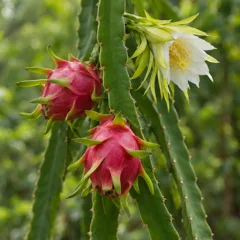
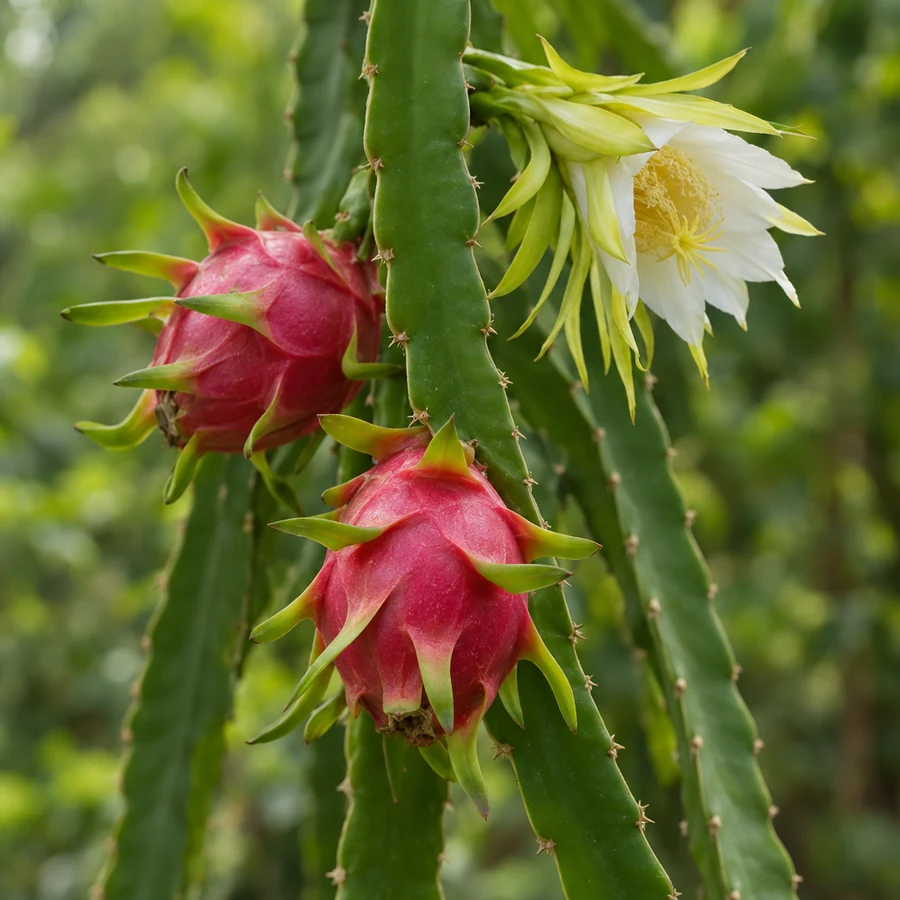
Dragon fruit is a climbing cactus with long, three-sided green stems. It scrambles up a post or tree using small aerial roots, then flops over the top and hangs down. Those hanging stems are where the flowers and fruit form. The flowers are huge, white and fragrant, and each one opens for a single night.
The fruit is bright pink or yellow, with leafy scales on the outside. Inside, the flesh is white, pink or deep magenta, speckled with tiny black seeds that you eat along with it. It tastes mild and sweet, a bit like a cross between kiwi and pear.
It's a tropical plant, but a forgiving one. It takes heat and dry spells better than most tropical fruits, and it grows fast. In frost-free gardens it's easy. Everywhere else it's a good pot plant that spends summer outside and winter in a bright, frost-free room or greenhouse.
Recent community discussions
No one has talked about Dragon Fruit yet. Be the first.
At a glance
| Plant type | Fruit (a climbing, jointed cactus grown on a post or trellis) |
| Botanical name | Selenicereus undatus (formerly Hylocereus undatus); red-fleshed types are Selenicereus species and hybrids; yellow dragon fruit is Selenicereus megalanthus |
| Annual or perennial | Evergreen perennial; a well-kept plant crops for many years |
| Sun | Full sun to light shade; afternoon shade helps in very hot, dry areas |
| Water | Regular water while growing and fruiting, much less in winter; never soggy |
| Spacing | Posts 6 to 10 feet apart, with 1 to 4 cuttings around each post; one plant per large pot |
| Planting depth | Bury the base of a cutting 1 to 2 inches deep; set potted plants at the same level as in the pot |
| Days to germinate | 1 to 3 weeks from seed in warm mix; most people start from a rooted cutting instead |
| Days to maturity | 1 to 2 years to first fruit from a cutting; 3 to 5 years from seed. Fruit ripens about 30 to 50 days after the flower opens (yellow types take several months) |
| Best USDA zones | 10 to 11 (9b in a warm, sheltered spot with frost cover; anywhere else in a large pot or greenhouse kept above about 40°F) |
| Soil pH | About 6.0 to 7.0, slightly acid to neutral; fast drainage matters more than pH |
Is it dragon fruit weather where you are? See everything to plant this month or read your zone notes.
Pests to watch for

Diseases


A little history
Dragon fruit comes from southern Mexico and Central America, where it's called pitahaya or pitaya. People there have long eaten the fruit and the flowers. It was carried around the tropics as a fruit and a hedge plant, reached Hawaii in the 1800s, and now grows wild in parts of Florida and the Caribbean.
French colonists are usually credited with bringing it to Vietnam, which became one of the world's biggest growers and exporters. The Vietnamese name, thanh long, means "green dragon", and the English name dragon fruit echoes it. In recent decades small farms in southern California and Florida have taken it up, and University of California trials in San Diego County compared about twenty named varieties.
When to sow in your zone
Dragon fruit is almost always started from a stem cutting or a potted plant, and the timing is about warmth.
Spring to early summer (zones 10 to 11): Plant cuttings or potted plants once the weather and soil are warm, from about a month after your last frost date into early summer. In frost-free gardens that means roughly March to June. Warm soil makes cuttings root quickly, and the plant has the whole season to grow before cooler weather.
Early fall (zones 10 to 11): In frost-free areas you can still plant in September and October while the soil is warm. Roots grow more slowly as the days shorten, so spring is better if you have the choice.
Zone 9b: Plant in spring, about a month after the last frost, against a south-facing wall or under an overhang where cold air won't settle. Be ready to cover it on frosty nights.
Colder zones (UK, Ireland, Canada, most of the US): Pot up cuttings in late spring with bottom heat or on a warm windowsill. Grow the plant in a big pot on a sunny patio from early summer, and bring it into a frost-free greenhouse, conservatory or bright room before nights drop below about 40°F.
Growing it, step by step
Starting From a Cutting
This is the quickest way to fruit, and it keeps the variety true. Take a healthy stem segment 12 to 18 inches long. Let the cut end dry in a shaded, airy place for about a week, until it forms a dry callus. Then push the base 1 to 2 inches into a gritty, fast-draining mix, firm it in, and water lightly. Keep it barely moist and warm. Roots form in a few weeks, and new growth follows. Make sure the cutting goes in the same way up it grew. Mark the bottom end when you cut it.
Starting From Seed
Seed from a store-bought fruit sprouts easily. Wash the seeds free of pulp, dry them, and scatter them on moist seed mix with a very light covering. Keep them warm, above 70°F, and they sprout in 1 to 3 weeks. Seedlings are slow, take several years to flower, and won't match the fruit they came from. Many also need a second variety to pollinate them. Seed is fun, but a cutting from a named variety is the better bet for fruit.
Picking the Spot
Choose a sunny spot that drains fast. Dragon fruit hates wet feet, and stems rot in soil that stays soggy. In low or heavy ground, plant on a raised mound or in a raised bed. In very hot inland areas, light afternoon shade cuts down on sunburned stems, which turn yellow and then scar. Keep it away from trees you don't want it climbing.
Building a Support
The plant needs something sturdy to climb. The usual setup is a thick wooden or concrete post about 5 to 6 feet tall with a frame or old tire on top. Tie the main stem to the post as it grows, then let it branch over the top and hang down all around. A grown plant with fruit is heavy, so sink the post deep and set it firmly. A strong fence or wire trellis also works.
Planting
Plant 1 to 4 cuttings around the base of each post, a few inches from it. Firm the soil, water once, then wait until new growth shows before watering regularly. Potted plants go in at the same level they sat in the pot.
Growing in a Pot
Use a pot of at least 15 to 20 gallons, wide rather than deep, with plenty of drainage holes. Fill it with a cactus or gritty potting mix, and set a sturdy stake, obelisk or short post in the center. Put the pot in your sunniest spot outdoors once nights stay above about 50°F. In winter keep it bright and frost-free, ideally 40 to 60°F, and water only enough to stop the stems shriveling. In the UK, Ireland and Canada a potted plant usually needs a heated greenhouse or a warm conservatory through a long summer before it flowers, so treat fruit as a bonus.
Water
Water deeply, then let the top couple of inches dry before watering again. In hot summer weather that may mean once or twice a week in the ground and more often in a pot. Plants carrying flowers and fruit need steady moisture. Too much water causes stem rot and flower drop, so ease right back in winter.
Mulch
Spread a few inches of wood chips or bark over the root zone, keeping it clear of the stems. The roots run shallow, so mulch keeps them cool and holds moisture.
Feeding
Feed young plants lightly every month or two through the warm season with a balanced fertilizer. Grown plants do well with a few feedings from spring through summer, plus compost spread around the base. Potted plants need regular feeding in summer and none in winter.
Keeping it happy
Prune after the fruiting season ends. Remove dead, damaged or crowded stems, and any that grow sideways into the ground or tangle back toward the post. Keep a neat umbrella of hanging stems over the top of the support, since that's where most fruit forms. Thinning the crowded center lets in light and air and cuts disease. Wear thick gloves, as the stems carry short, sharp spines.
Dragon fruit is damaged at about 32°F, and a hard or long freeze can kill it. Brief dips a few degrees below freezing usually only scar the stems. On cold nights in zone 9b or 10a, water the soil the day before, then cover the plant to the ground with frost cloth. Potted plants simply come inside.
Trouble in the bed
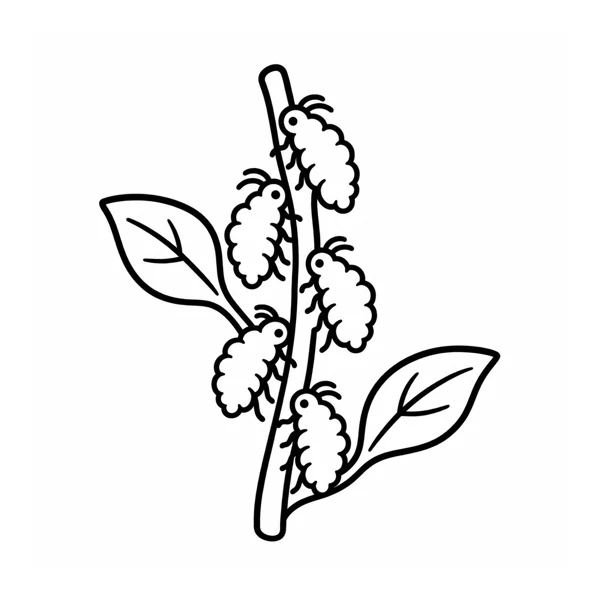
- Scale and mealybugs: Small crusty or cottony insects on the stems, often tended by ants. Scrape or wipe them off, prune badly infested stems, and control the ants.
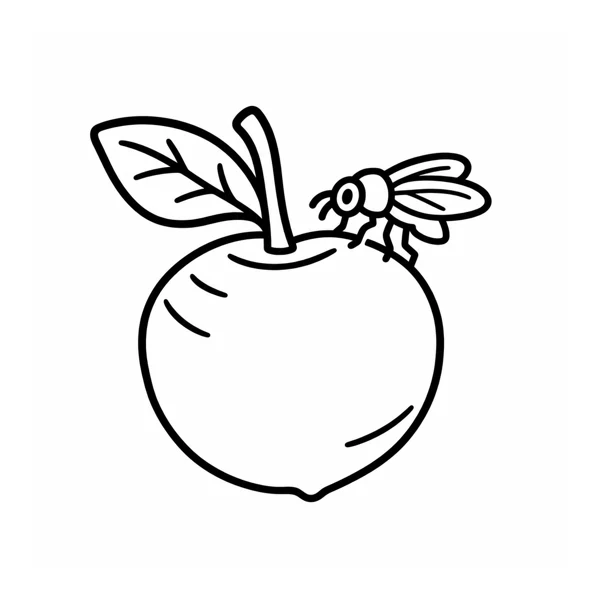
- Fruit flies: In warm regions fruit flies can lay eggs in ripening fruit. In Australia, Queensland fruit fly is the main problem. Pick fruit as soon as it colors, clear up fallen fruit, and bag fruit if flies are bad in your area.
- Snails, slugs, birds and rats: Snails and slugs chew young stems. Birds and rats go for the ripe fruit. Net the plant or pick promptly.
- Anthracnose: Sunken brown or reddish spots on stems and fruit, worst in warm, wet weather. Cut out affected stems and keep the plant open to air.
- Stem rot and root rot: Soft, yellowing, mushy stems or roots, almost always from wet soil. Improve drainage, water less, and cut out rotten sections well into healthy tissue.
- Sunburn: Not a disease, but common in hot sun. Stems yellow and scar. Give afternoon shade in hot areas, especially to young plants.
Good neighbors



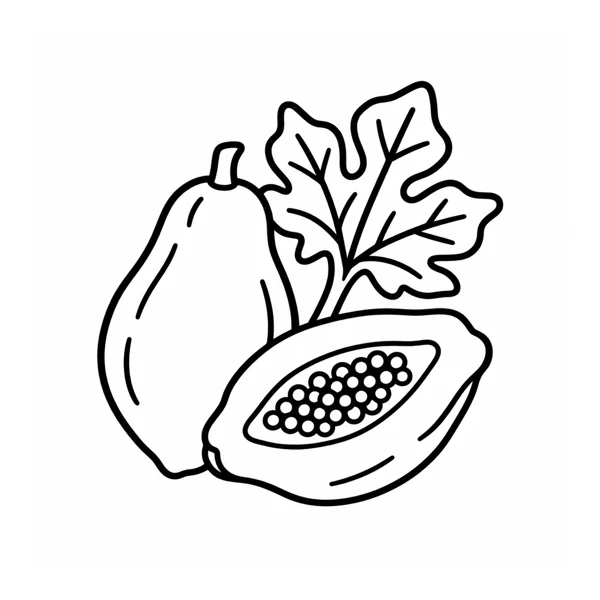
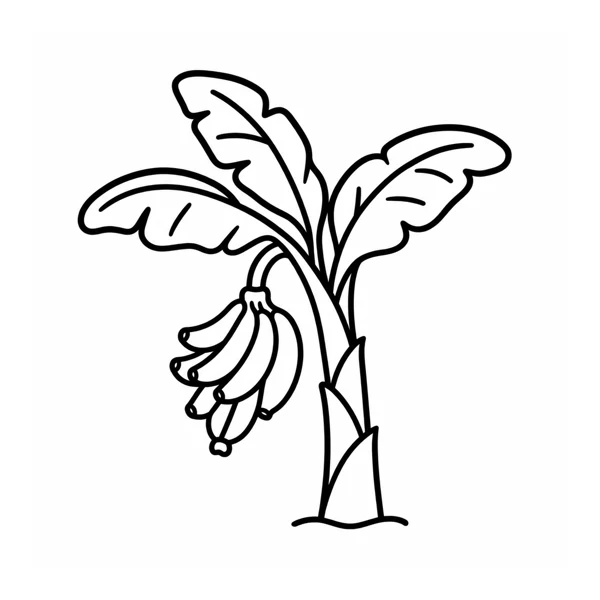
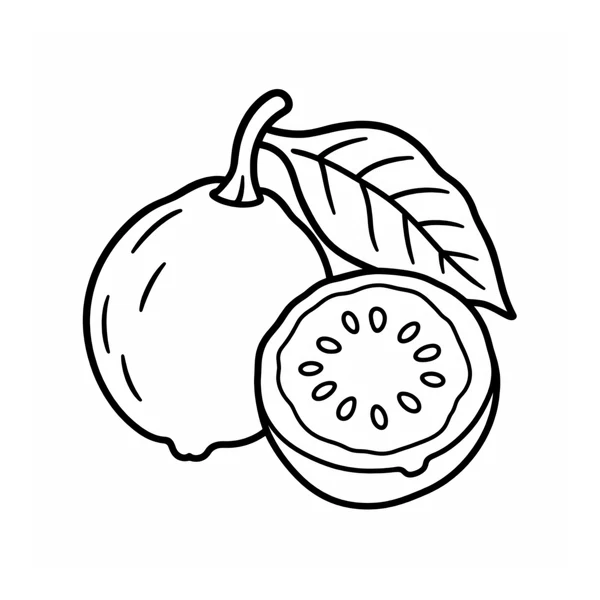
Good: Low, sun-loving plants that like the same warm, well-drained spot, such as marigolds, nasturtiums and basil to bring in pollinators. In a tropical fruit corner it sits well with papaya, banana and guava, as long as they don't shade it out. A banana on the west side can give welcome afternoon shade in hot climates.
Avoid: Lawn sprinklers and thirsty plants right over the roots, and big trees it could climb into and smother. Keep it off fences and trees you don't want covered.
Seeds that grow well in your area in November
Affiliate links — shopping through these helps keep Evening Vines free. Rocket Larkspur
 Wild Lupine
 Common Milkweed
 PansySeeds
Varieties worth growing
Variety names in dragon fruit are a bit muddled, and some names on sale are really the same plant sold under different labels. Buy from a nursery that labels flesh color and pollination needs clearly.
White-fleshed types:
- Vietnamese White (also sold as Vietnamese Jaina): The classic pink-skinned, white-fleshed fruit sold in stores. Vigorous and widely sold as self-fruitful.
- Seoul Kitchen: Large white-fleshed fruit. Cropped heavily and rated fairly cold- and heat-tolerant in the UC trials.
Red- and pink-fleshed types:
- Physical Graffiti: Pink-red flesh and sweet fruit. Gave the heaviest crop in the UC San Diego County trials and rated among the most cold- and heat-tolerant.
- Delight: Red skin and pinkish-white flesh. Sweet, and a heavy cropper in the UC trials.
- Haley's Comet: Red skin and pink flesh, closely related to Physical Graffiti. Also rated well for cold tolerance.
- American Beauty: Deep magenta flesh with a rich, sweet flavor. A favorite for taste, but less cold-tolerant.
- Valdivia Roja: A red-fleshed type with smaller fruit. Rated among the most cold-tolerant in the UC trials.
Yellow dragon fruit:
- Yellow Dragon (Colombiana): Yellow, spiny skin and white flesh, the sweetest of all. It takes several months from flower to ripe fruit and is the least cold-tolerant type, so it suits warm, frost-free climates with a long season. The spines brush off when ripe.
For cooler or marginal areas (zone 9b, coastal California, southern Australia, pots in the UK, Ireland and Canada): Choose the cold-tolerant types from the UC trials, such as Valdivia Roja, Physical Graffiti and Haley's Comet, and a self-fruitful type if you only have room for one plant.
Hot or subtropical areas (Florida, the Gulf Coast, Hawaii, Queensland, northern New South Wales): Most white and red types do well. Give afternoon shade in the hottest, driest spots, and plant two varieties for better fruit set.
Picking notes
Plants flower in flushes through the warm months, from early summer into fall in the US, and fruit ripens from late summer through fall. Each flower opens at dusk and closes by the next morning. Fruit of white and red types is ready about 30 to 50 days after the flower opens, sooner in hot weather. Pick when the skin has fully colored and the scales start to dry slightly at the tips. Ripe fruit gives a little when pressed. Cut it off with a short piece of stem, or twist gently.
Dragon fruit doesn't sweeten after picking, so leave it until it's fully colored. It keeps several days at room temperature and longer in the fridge.
Saving seed for next year
Easy to do but not very useful. Seeds sprout readily, but seedlings vary and take years to fruit. To keep a variety you love, root stem cuttings instead. Any healthy stem segment will do.
From garden to table
Dragon fruit is mostly water and low in calories. USDA figures for 100 grams of raw fruit are about 57 calories, 3 grams of fiber and 116 mg of potassium, with small amounts of vitamin C and magnesium. Red-fleshed types get their color from betacyanins, the same family of pigments found in beets. Cut the fruit in half and scoop it out with a spoon, cube it into fruit salad, or blend it into smoothies, where red types give a bright pink color. In Central America the juice is a popular cold drink, and the flowers are eaten as a vegetable.
Dragon fruit isn't toxic. Eating a lot of red-fleshed fruit can turn urine or stools pink or red for a day or so, which is harmless but can be alarming if you don't expect it.
Questions from the potting bench
Why won't my dragon fruit flower? It's usually too young or not getting enough sun or heat. Plants flower once the stems hang down from the top of the support, and they need long, warm summer days. In cool climates a potted plant may need a heated greenhouse to flower.
Do I need two dragon fruit plants? It depends on the variety. Some, like Vietnamese White and Yellow Dragon, set fruit on their own. Others set little fruit without pollen from a different variety. Planting two varieties gives better crops either way. You can also hand-pollinate: at night, when the flower is open, dust pollen onto the central stigma with a soft brush.
Can I grow dragon fruit in a cold climate? Yes, in a large pot. Keep it outside in full sun in summer and in a bright, frost-free place above about 40°F in winter, with little water. Fruit is most likely with a heated greenhouse or conservatory.
Why are my dragon fruit stems turning yellow? Most often sunburn or overwatering. Yellow, scarred patches on the sunny side point to sunburn, so add afternoon shade. Soft, mushy yellow stems point to rot, so cut them out and let the soil dry between waterings.
Grower reports
How did Dragon Fruit do in your garden? Members rate it and say which zone and month they planted, so everyone can see what works near them.
Recent community discussions
No one has talked about Dragon Fruit yet. Be the first.
Essentials for Growing Dragon Fruit
 Grow Bags
Breathable fabric pots: grow almost anything on a patio, balcony or driveway, and roots never circle.
See it →
 Organic Fertilizer
Slow-release organic plant food for vegetable beds and containers.
See it →
 Pruning Shears
Sharp bypass pruners for harvesting, deadheading and tidying.
See it →
 Insect Netting
Fine mesh that keeps cabbage worms, flea beetles and birds off your crops, no sprays needed.
See it →
 Soaker Hose
Waters the roots slowly, not the leaves: less disease, less water, less work.
See it →
 Garden Hand Tools
Trowel, transplanter and cultivator: the three tools you reach for most.
See it →
