
Lucuma
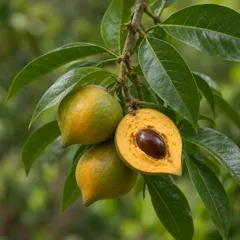
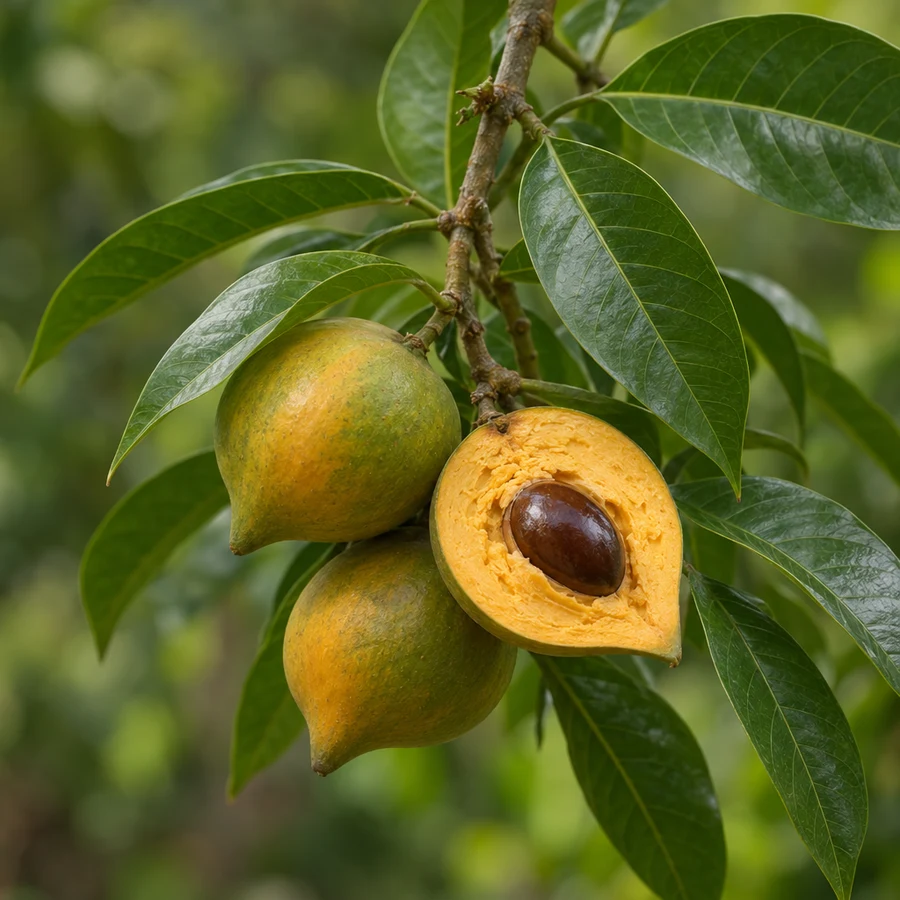
Lucuma is a slow, handsome evergreen from the Andes. Its fruit is round and green on the outside, and inside the flesh is the color of a deep egg yolk: dense, a little floury, and sweet in a warm, brown-sugar way. It's a tree for patient growers in frost-free zone 10 and 11 gardens, or for anyone with a big greenhouse and a lot of time.
Recent community discussions
No one has talked about Lucuma yet. Be the first.
At a glance
| Plant type | Subtropical evergreen fruit tree |
| Botanical name | Pouteria lucuma (Kew now lists it as Lucuma bifera) |
| Annual or perennial | Perennial (evergreen) |
| Sun | Full sun |
| Water | Moderate; let the top of the soil dry between drinks and never leave it soggy |
| Spacing | About 16 to 25 feet |
| Planting depth | Same as the nursery pot |
| Days to germinate | About 2 to 6 weeks (fresh seed only; a few take longer) |
| Days to maturity | Grafted: first flowers in about 3 to 5 years, steady crops a few years after that. Seedling: 5 to 15 years |
| Best USDA zones | 10 to 11 (young trees: protect from any frost; established trees may survive brief dips to the mid-20s°F) |
| Soil pH | 6.0 to 7.5 |
Is it lucuma weather where you are? See everything to plant this month or read your zone notes.

Plant seeds or young trees in spring when temperatures are consistently warm. Grows best in tropical to subtropical climates with no frost.

5–7 years to fruit; 4–6 months from flower to ripe.

Zones 10–12, fall harvest; in warm/tropical zones fruits year-round when ripe (yellow skin, soft texture).

Fertile, deep clay loam, pH 6.0–7.5. Prefers soils rich in organic matter.
Pests to watch for


Diseases
Mateo is researching the diseases that affect this plant.
A little history
Lucuma grows wild in the Andean valleys from Colombia down through Ecuador, Peru and Bolivia to northern Chile. People there have eaten it for a very long time: the fruit shows up on Moche and other pre-Inca pottery. In Peru it's still one of the best-loved ice cream flavors.
When to sow in your zone
Spring: Plant a grafted tree once your frost risk has passed and the soil has warmed, so the roots can settle in before summer heat. See protecting plants from frost if a late cold snap turns up.
Fall: In frost-free parts of zones 10 and 11, early fall planting works too, while the soil is still warm. Our notes on planting trees and shrubs in fall cover the basics.
Growing it, step by step
From seed
Seed only grows if it's fresh. Take it straight from a ripe fruit, don't let it dry out, and press it about an inch deep into warm, moist potting mix. Most sprout within a few weeks. Seedlings don't come true and can take many years to flower, so treat them as a fun experiment or as rootstock, not a quick route to fruit.
Bringing it in from abroad: seeds, cuttings and plants from another country are regulated by the USDA (APHIS). Most live plants need a permit and inspection, small seed lots usually need paperwork too, and fruit or seeds carried home in a suitcase are often seized at the border. Buy plants or seed from a US nursery instead. Hawaii and Puerto Rico add rules of their own.
Planting a Grafted Tree
Pick the warmest, sunniest, most sheltered spot you have, with soil that drains fast after rain. Dig a wide hole, set the tree at the same depth it sat in its pot, and water it in well. Give it plenty of room: these trees get big.
Keeping it happy
Lucuma grows slowly, and that's normal. Don't try to hurry it along.
Water deeply while the tree settles in (our deep watering notes apply here), then let the top of the soil dry a little before the next drink. Soggy roots are the biggest danger.
Keep a 2 to 3 inch layer of mulch around the tree, pulled back a few inches from the trunk. A light layer of compost under that mulch is about all the feeding it needs. Lucuma is touchy about nitrogen, and growers have seen strong feeds scorch it, so skip the heavy fertilizers.
Cover young trees on any frosty night. Once fruiting starts, only prune lightly to shape it, after the crop is picked. North of zone 10, the only realistic option is a large container in a greenhouse or conservatory, and even then fruit isn't guaranteed.
Trouble in the bed
- Root rot (Phytophthora): The main killer in damp, heavy, clay soil. Good drainage from day one is the cure; there's no fixing it afterwards.
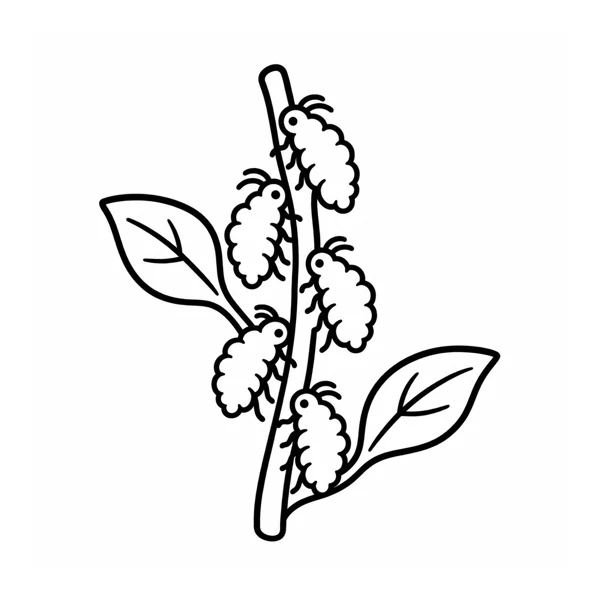
- Scale insects: Suck sap from stems and leaves. A horticultural oil spray keeps them down.
- Sooty mold: A black film on the leaves that grows on the sticky honeydew scale insects leave behind. Deal with the scale and the mold fades.
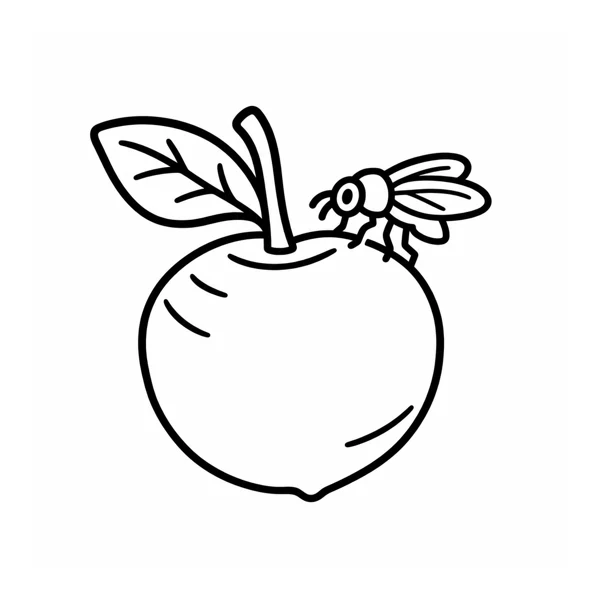
- Fruit flies: A problem where they're common. Pick fruit when it's mature and clear up any that drops.
- Furry visitors: Rats and other animals will help themselves to fallen fruit.
In dry US gardens like Phoenix, growers report very few pest problems at all.
Good neighbors







Good: Other frost-tender subtropical fruit that likes the same warm, well-drained spot, such as chirimoya and guava, with low, dry-loving herbs like rosemary out near the edge of the canopy.
Avoid: Low, wet spots, and thirsty lawn or heavily watered beds right up against the trunk.
Seeds that grow well in your area in November
Affiliate links — shopping through these helps keep Evening Vines free. Rocket Larkspur
 Wild Lupine
 Common Milkweed
 PansySeeds
Varieties worth growing
- Lucuma de seda: Soft, moist flesh. The one to look for if you want to eat it fresh.
- Lucuma de palo: Firmer, drier flesh, mostly used for flour and powder.
- Peruvian selections: Commercial growers in Peru favor named selections from the La Molina and Beltrán lines, chosen for flavor, color and size. You're unlikely to find these sold by name in the US.
- Buying a tree: Look for a grafted tree from a specialist subtropical fruit nursery, ask for a seda type if you want fresh fruit, and ask which selections fruit well in your area. Seed isn't a good way in: it rarely comes true and seedlings are slow.
Picking notes
Fruit takes about 8 to 9 months to go from flower to ripe. In Peru the main harvest runs from about October to March, and in Chile from about June to November. In a US garden, the timing depends on when your own tree flowered.
Pick when the skin turns from green to a yellowish green, leaving a short stub of stem on the fruit. Let it ripen at room temperature for about 5 to 9 days, until it gives slightly when pressed. Ripe fruit keeps only 2 or 3 days in the fridge.
Saving seed for next year
Seeds don't come true and die quickly once they dry out. If you want to grow one, plant it fresh from the fruit, the same day if you can.
From garden to table
Lucuma is rich in carbohydrates, fiber, beta-carotene, and niacin. Eat it fresh with a spoon, blend it into smoothies and ice cream, or dry it into a sweet powder for baking.
Questions from the potting bench
How cold can a lucuma tree take? Young trees can die from a single frost, so cover them on any cold night. Established trees may come through a brief dip to the mid-20s°F, but don't count on it.
I'm in zone 10 but get a light frost most winters. Is it worth trying? Yes, if you have a warm wall or a sheltered corner and are ready to cover the tree for its first few winters.
My tree has barely grown in a year. Is something wrong? Probably not. Lucuma is naturally slow. Check that the soil drains well and resist the urge to feed it more.
Can I grow one from the seed of a fruit I bought? You can, if the seed is fresh, but expect to wait anywhere from 5 to 15 years and get fruit that may not match the parent.
Where can I find a grafted tree? Specialist subtropical fruit nurseries. Ask for a grafted seda type.
Grower reports
How did Lucuma do in your garden? Members rate it and say which zone and month they planted, so everyone can see what works near them.
Recent community discussions
No one has talked about Lucuma yet. Be the first.
Essentials for Growing Lucuma
 Grow Bags
Breathable fabric pots: grow almost anything on a patio, balcony or driveway, and roots never circle.
See it →
 Organic Fertilizer
Slow-release organic plant food for vegetable beds and containers.
See it →
 Pruning Shears
Sharp bypass pruners for harvesting, deadheading and tidying.
See it →
 Insect Netting
Fine mesh that keeps cabbage worms, flea beetles and birds off your crops, no sprays needed.
See it →
 Soaker Hose
Waters the roots slowly, not the leaves: less disease, less water, less work.
See it →
 Garden Hand Tools
Trowel, transplanter and cultivator: the three tools you reach for most.
See it →
