
Nasturtiums
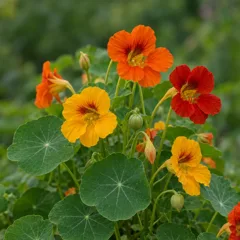
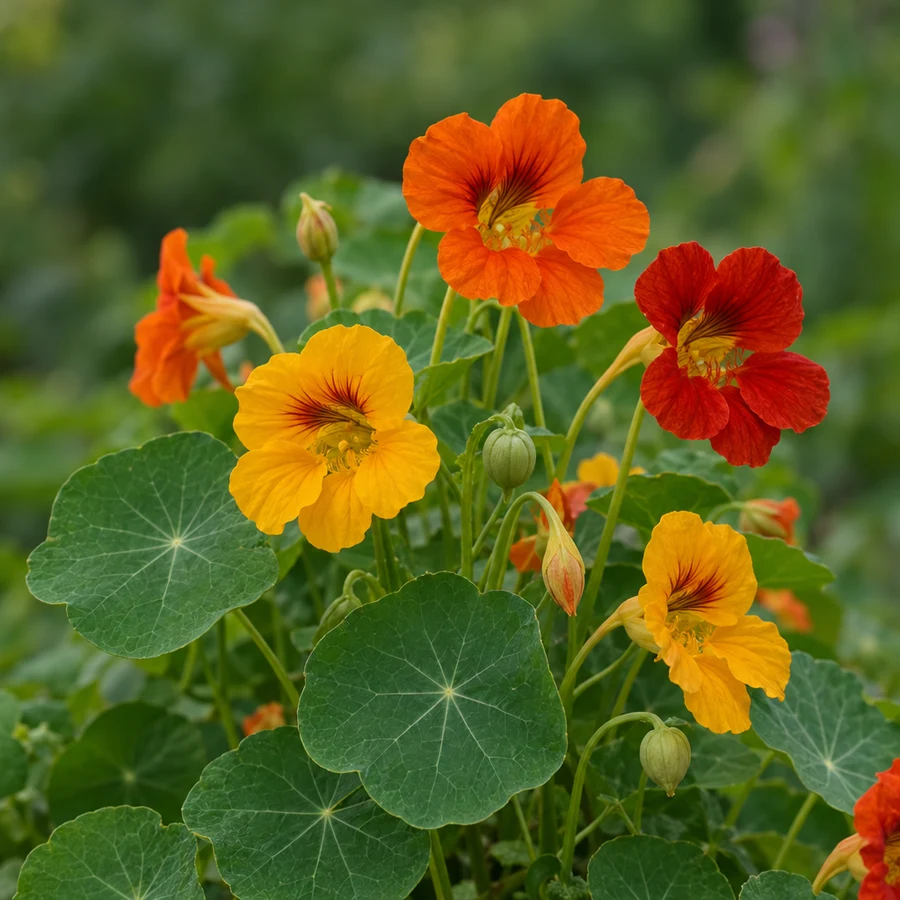
Nasturtiums have round, lily-pad leaves and bright flowers in orange, yellow, and red. The leaves and flowers are edible and peppery, and the big seeds are easy for beginners and kids to handle. Expect the first flowers about 5 to 9 weeks after sowing.
Recent community discussions
No one has talked about Nasturtiums yet. Be the first.
At a glance
| Plant type | Edible flower |
| Botanical name | Tropaeolum majus |
| Annual or perennial | Annual (short-lived perennial in zones 9 to 11) |
| Sun | Full sun |
| Water | Low to moderate |
| Spacing | 10 to 12 inches (bush), 12 to 18 inches (trailing) |
| Planting depth | 1/2 to 1 inch |
| Days to germinate | 7 to 14 |
| Days to maturity | About 5 to 9 weeks from sowing to first flowers |
| Best USDA zones | Any as an annual |
| Soil pH | 6.0 to 7.5 |
Is it nasturtiums weather where you are? See everything to plant this month or read your zone notes.

Sow directly outdoors after last frost, or indoors 4–6 weeks before transplanting. Prefers slightly cooler soils, so spring and fall sowings are both possible in mild climates.

Germinates in 7–14 days; blooms in 35–50 days.

Zones 2–11, June?October; in warm zones July?November; perennials in Zones 9–11.

Light, poor sandy soils, pH 6.0–7.5. Too much fertility reduces blooms.
Pests to watch for



A little history
Nasturtiums come from the Andes of South America. They reached Europe in the 1500s and became a garden favorite.
When to sow in your zone
Spring (most zones): Sow outdoors after your last frost, once the soil has warmed. Not sure of your date? Our post on how to count back from your last frost walks you through it.
Fall (zones 9 to 11): Sow from early fall into November for flowers through winter and spring. This is time-sensitive: if you garden in zone 9, 10, or 11, now is the time to get seed in the ground. A light frost in zone 9 can nip them, but they often grow back. See the zone 9, zone 10, and zone 11 pages for everything else to sow this month.
Colder zones: Wait for spring. Find your zone and its planting months on the zones page.
Growing it, step by step
From seed
Soak seeds overnight and sow 1/2 to 1 inch deep. Cover them well, because they sprout best in darkness.
Moving it outside
The roots dislike being disturbed, so sowing straight into the garden is easiest. For a head start, sow indoors 4 to 6 weeks before your last frost, in peat or paper pots you plant whole, so the roots never leave their pot.
Water
Water lightly. Too much water gives you leaves, not flowers.
Mulch
Optional. Use a thin layer if the soil dries quickly.
Feeding
Don't fertilize. Poor soil gives the most flowers.
Keeping it happy
Pick off faded flowers for more blooms (see deadhead flowers for more blooms) and trim trailing types that wander too far. Plants slow down and stop flowering in hot summers, so give them afternoon shade in hot areas. In zones 9 to 11 they do their best work from fall to spring.
Trouble in the bed
Pests
- Aphids: Rinse off with water or use insecticidal soap. Nasturtiums are often grown as a trap crop to pull aphids away from vegetables, so check the undersides of the leaves often.
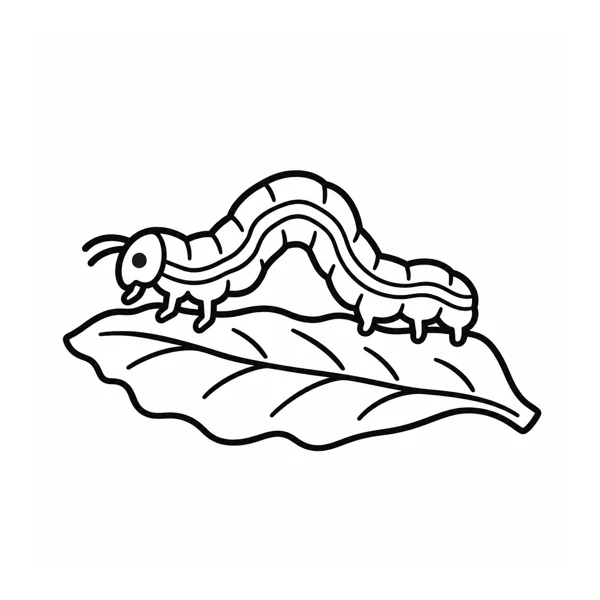
- Imported cabbageworm: These green caterpillars chew holes in the leaves. Hand-pick them.
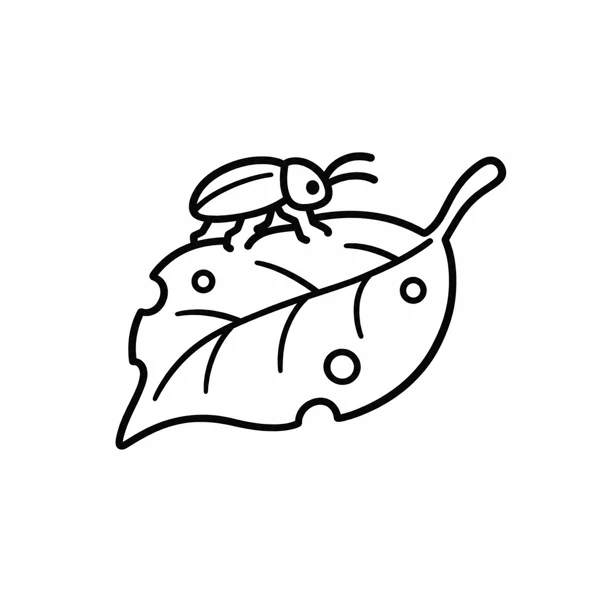
- Flea beetles: Tiny holes in the leaves. Row cover on young plants helps.
- Whiteflies: Rinse off or use insecticidal soap.
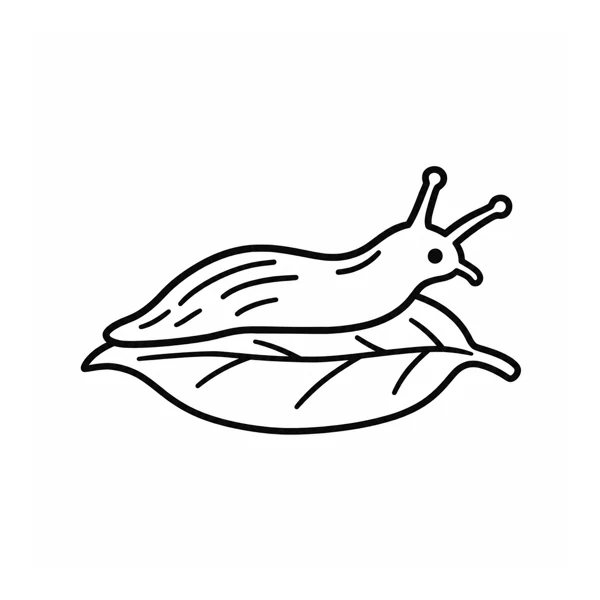
- Slugs: Use traps or hand-pick on damp evenings.
Diseases
- Bacterial leaf spot: Small dark spots on the leaves. Water at the base and remove spotted leaves.
- Bacterial wilt: Plants collapse suddenly. Pull and throw away affected plants, and don't replant in the same spot.
- Mosaic virus: Mottled, crinkled leaves. Remove affected plants and keep aphids in check, since they spread it.
For more, see our posts on June garden pests and cleaning up diseased plants in fall.
Good neighbors






Good: Squash, cucumbers, and the cabbage family (cabbage, broccoli, kale), where nasturtiums help as a trap crop for aphids and caterpillars. Tomatoes and fruit trees are good neighbors too.
Avoid: Rich, heavily fertilized beds, which cut flowering.
Seeds that grow well in your area in November
Affiliate links — shopping through these helps keep Evening Vines free. Foxglove Mix
 Rocket Larkspur
 Wild Lupine
 Common Milkweed
Varieties worth growing
- Alaska: A tidy, bushy plant about a foot tall. Its leaves are splashed with cream, so it looks good even between flushes of flowers. A nice pick for the front of a bed or a pot by the door. Seeds
- Empress of India: Compact, around a foot tall, with blue-green leaves and deep crimson flowers. The dark color stands out in salads and against pale walls.
- Jewel: Semi-double flowers in a mix of warm colors, held up above the leaves on plants about 12 to 16 inches tall. Good for edging and window boxes. Seeds
- Peach Melba: A compact, mounding plant near a foot tall, with soft pale yellow petals and a bold orange-red blotch at the heart of each flower. Easy to fit into containers. Seeds
- Canary Creeper (a separate species, Tropaeolum peregrinum): Not a garden nasturtium at all but a cousin. It is a true climber that reaches 8 to 12 feet, with small, frilly yellow flowers. Give it a fence or trellis.
Nasturtiums seeds to buy
Affiliate links — shopping through these helps keep Evening Vines free.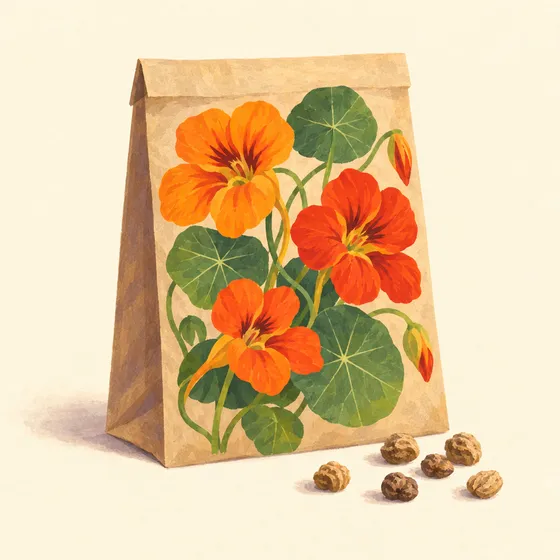 Jewel Mix
Picking notes
Pick young leaves and open flowers any time. Pick green seed pods while young for pickling. In cold zones, plants flower from about June until frost. In zones 9 to 11, the main show runs from about October or November to April or May, slowing in summer heat.
Saving seed for next year
Let the seeds dry on the plant or collect them as they drop. Dry them for a week and store cool and dry. Our post on saving seeds from your garden has more tips.
From garden to table
The leaves, flowers, and young seed pods are edible and peppery, with some vitamin C. Use them in salads, garnishes, and pesto. Only eat plants grown without pesticides. They also bring color to a pollinator border.
Questions from the potting bench
Why no flowers? Usually rich soil, too much fertilizer, or too much shade. In hot zones, summer heat also stops flowering until fall.
Are they invasive? They can self-sow in mild climates, but the seedlings are easy to pull.
Can I eat the flowers? Yes, if grown without chemicals.
When do I plant nasturtiums in zone 9 or 10? In fall, from early fall into November, for flowers through winter and spring.
Grower reports
How did Nasturtiums do in your garden? Members rate it and say which zone and month they planted, so everyone can see what works near them.
Recent community discussions
No one has talked about Nasturtiums yet. Be the first.
Seeds to try
Affiliate links — shopping through these helps keep Evening Vines free.Essentials for Growing Nasturtiums
 Grow Bags
Breathable fabric pots: grow almost anything on a patio, balcony or driveway, and roots never circle.
See it →
 Trellis Netting
Strong netting for peas, beans, cucumbers and melons to climb: more crop in less space.
See it →
 Watering Can
Long-spout can for gentle watering of seedlings and pots.
See it →
 Plant Labels
Waterproof markers so you know what's coming up where.
See it →
 Garden Hand Tools
Trowel, transplanter and cultivator: the three tools you reach for most.
See it →
 Organic Fertilizer
Slow-release organic plant food for vegetable beds and containers.
See it →
