
Lavender
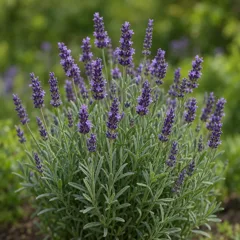
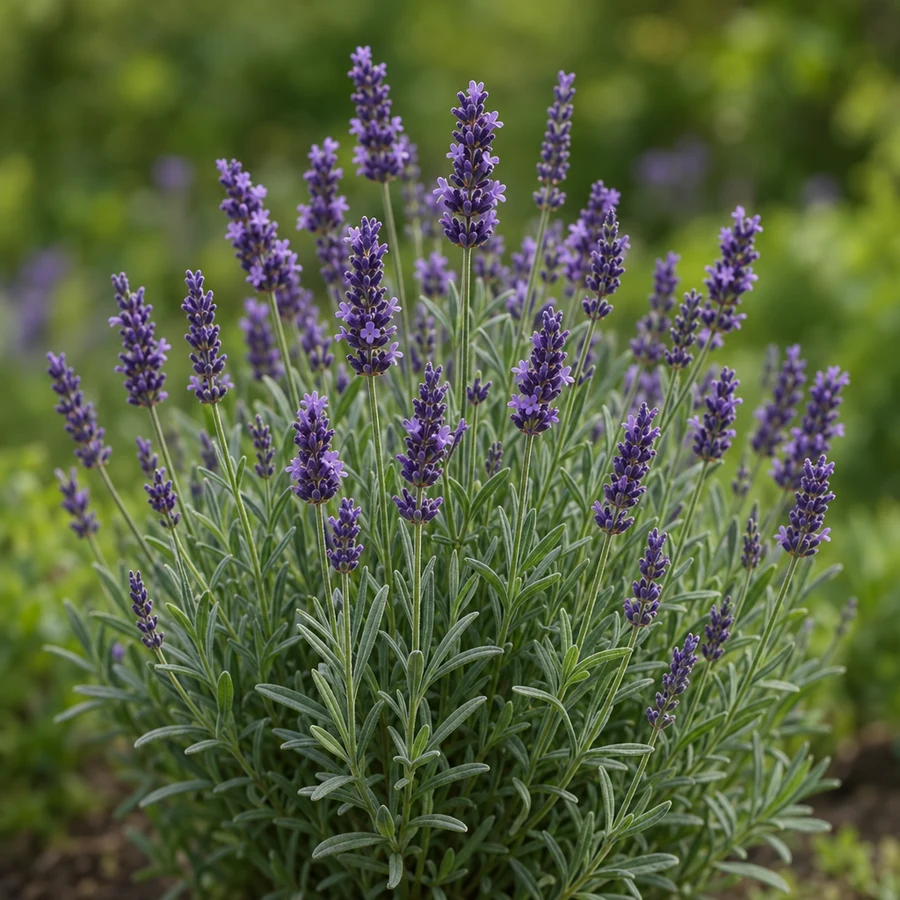
Lavender is a fragrant Mediterranean shrub grown for its purple spikes, silver leaves, and the bees that never leave it alone. Give it the hottest, brightest corner you have and soil that drains fast, then mostly leave it be. Fussing over it with extra water and feed does it more harm than good.
Recent community discussions
No one has talked about Lavender yet. Be the first.
At a glance
| Plant type | Herb / flowering shrub |
| Botanical name | Lavandula angustifolia (English); Lavandula × intermedia (lavandin) |
| Annual or perennial | Perennial (woody subshrub) |
| Sun | Full sun |
| Water | Low once established |
| Spacing | 18 to 36 inches |
| Planting depth | Surface (seed needs light) |
| Days to germinate | 14 to 28, often slow and uneven |
| Days to maturity | 3 to 6 months or more from seed to transplant size; flowers well from year 2 |
| Best USDA zones | 5 to 9 (English types to 5; Spanish and French types 7 to 9) |
| Soil pH | 6.5 to 7.5 |
Is it lavender weather where you are? See everything to plant this month or read your zone notes.

Start seeds indoors 10–12 weeks before last frost; germination is slow. Transplant outdoors after frost danger has passed. Can also be propagated by cuttings in summer.

Germinates in 14–28 days; 90–200 days; perennial.

Zones 5–9, June?August; in mild zones May?July the following year; indoors year-round with light.

Light, well-drained sandy or rocky soils, pH 6.5–7.5. Requires excellent drainage; thrives in alkaline soil.
Pests to watch for




Diseases


A little history
People have grown lavender for scent and medicine for thousands of years. The name is usually traced to the Latin "lavare," to wash, though some link it to "lividus," meaning bluish. You'll often read that the Romans scented their bathwater with it, but that story is hard to pin down. What is certain is that it has been a fixture of European herb gardens for centuries.
When to sow in your zone
Spring: Start seed indoors 10 to 12 weeks before your last frost (here's how to count back from your last frost), or set out nursery plants once frost has passed.
Fall: In zones 7 to 9 (zone 7, zone 8, zone 9), early fall is a good time to plant, as long as about two months of mild weather are left for roots to settle before winter. In zones 5 and 6 (zone 5, zone 6), wait and plant in spring.
Growing it, step by step
From seed
Chill the seed in the fridge for 2 to 4 weeks first. Press it onto the surface of the mix without covering it, keep it at 65 to 70°F, and be patient. Seed is a slow road, so if you want flowers next summer, buy a young plant or root a cutting from a friend's bush instead.
Moving it outside
Set the crown right at soil level, never buried. If your ground is heavy clay, plant on a mound, a slope, or in a raised bed so water runs away from the roots.
Water
Water regularly through the first season, then only during long dry spells. When lavender dies over winter, check the drainage before you blame the frost: a soggy winter is far harder on it than a cold one.
Mulch
A collar of pea gravel or coarse grit around the base bounces heat back up and lets the stems dry quickly after rain. Save wood chips and straw for the vegetable beds.
Feeding
Rarely needed. Lean soil gives the best scent.
Keeping it happy
Shear plants by about a third after flowering, keeping above the woody stems; don't cut into old bare wood, which rarely regrows. With a trim every year, a plant can go on for many years. Replace it when it turns woody and sparse in the middle rather than by the calendar.
Trouble in the bed
- Root rot: The main killer. Improve drainage and water less.
- Spittlebugs: Hose off the foamy spots.
- Aphids, whiteflies and thrips: Spray with water or insecticidal soap.
- Septoria leaf spot: Space plants for airflow, especially in humid climates, and clear away spotted leaves.
Good neighbors







Good: Rosemary, thyme, sage, roses, and echinacea. They all like sun and dry feet.
Avoid: Thirsty plants and anything needing rich, wet soil.
Seeds that grow well in your area in November
Affiliate links — shopping through these helps keep Evening Vines free. Smooth Blue Aster
 Polka Dot Mix
 Black-Eyed SusanSeeds
 ColumbineSeeds
Varieties worth growing
- Hidcote: Compact English type, deep purple.
- Munstead: Hardy English type, early blooming.
- Phenomenal: Lavandin bred for heat, humidity, and cold. It's sterile, so it's sold as plants grown from cuttings, not as seed.
- Grosso: Lavandin with long, very fragrant stems for oil and bundles. Also sterile, so buy plants or take cuttings.
- Spanish lavender (L. stoechas): "Rabbit ear" bracts on top of each bloom, for warm zones.
- French lavender (L. dentata): Toothed gray-green leaves and a softer, more herbal scent than English types. Tender, so grow it in warm zones or in a pot you bring in for winter. Some catalogs call L. stoechas "French" too, so check the botanical name on the label.
Lavender seeds to buy
Affiliate links — shopping through these helps keep Evening Vines free.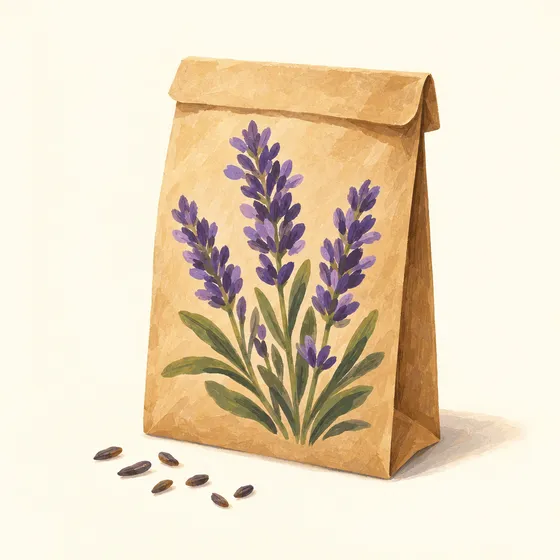 LavenderSeeds
Picking notes
Established English lavender usually blooms in early summer, and lavandins a few weeks later. Plants raised from seed often give just a few spikes their first summer and fill out the year after. Cut stems when about half the buds on a spike have opened, in the morning. Hang small bundles upside down in a dark, airy spot to dry.
Saving seed for next year
Collect dried spikes and rub out the seed. Many named varieties don't come true from seed, and lavandins make none, so take cuttings to keep a favorite.
From garden to table
English lavender is used in baking, teas, and syrups in small amounts. Lavandin is better for sachets, crafts, and oils. Pet safety: the ASPCA lists the lavender plant itself, not just the oil, as toxic to cats, dogs, and horses, mostly causing an upset stomach. Keep pets from chewing on it and store oils out of reach.
Questions from the potting bench
Why did my lavender die over winter? Usually wet soil, not cold. Plant it in a well-drained, raised spot.
Can I grow lavender in pots? Yes, in gritty mix in a pot with drainage holes.
Which lavender is best for cooking? English lavender (L. angustifolia).
Grower reports
How did Lavender do in your garden? Members rate it and say which zone and month they planted, so everyone can see what works near them.
Recent community discussions
No one has talked about Lavender yet. Be the first.
Seeds to try
Affiliate links — shopping through these helps keep Evening Vines free.Essentials for Growing Lavender
 Grow Bags
Breathable fabric pots: grow almost anything on a patio, balcony or driveway, and roots never circle.
See it →
 Seed Starting Tray
Reusable tray with a clear dome to give seeds a warm, humid start indoors.
See it →
 LED Grow Light
Full-spectrum light for sturdy seedlings through short winter days.
See it →
 Pruning Shears
Sharp bypass pruners for harvesting, deadheading and tidying.
See it →
 Watering Can
Long-spout can for gentle watering of seedlings and pots.
See it →
 Organic Fertilizer
Slow-release organic plant food for vegetable beds and containers.
See it →
