
Pineapple
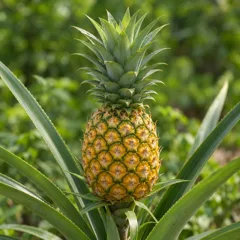
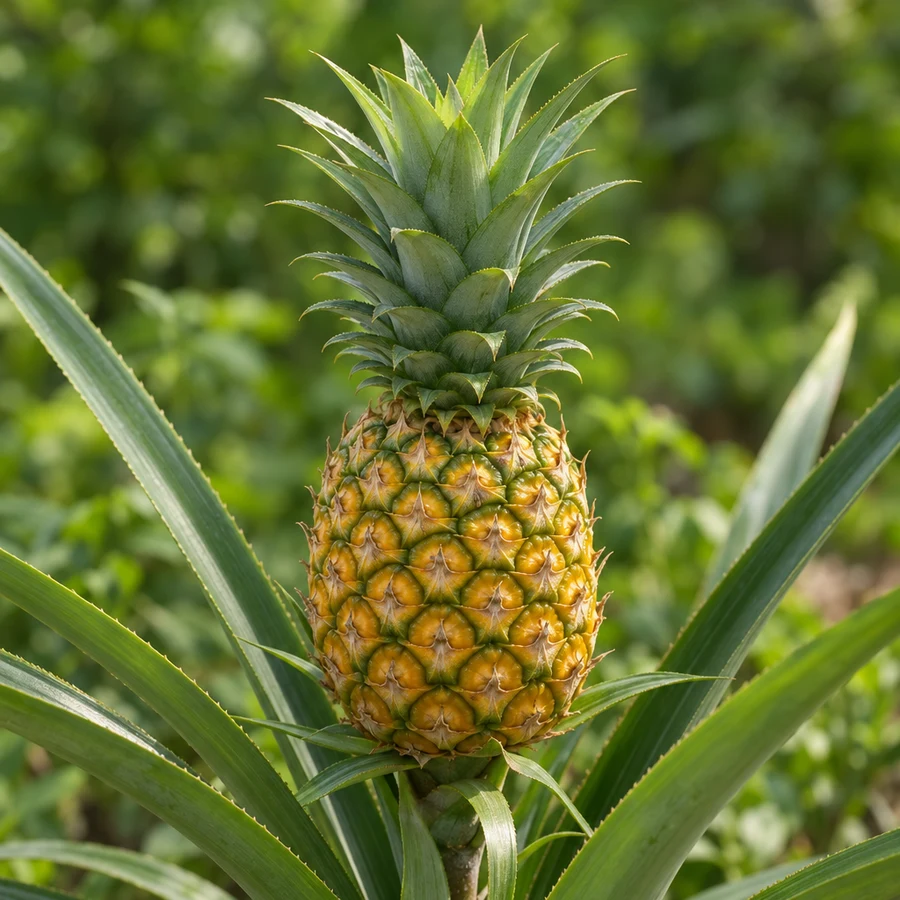
A pineapple plant is a rosette of stiff, sword-shaped leaves, about 3 feet tall and wide when grown. After a year and a half or so, a red-purple flower head rises from the middle and swells into a single pineapple. A home-grown fruit left to ripen on the plant is sweeter and more fragrant than most store fruit, which is picked early to ship.
You can start one from the leafy top of a pineapple you bought to eat. That's the fun of it. It's a true tropical and can't take frost, but it is small, slow and tough, so it makes a very good pot plant. People grow pineapples on sunny patios in summer and bring them indoors for winter, from Canada to Ireland.
Recent community discussions
No one has talked about Pineapple yet. Be the first.
At a glance
| Plant type | Fruit plant (a low, spiny-leaved bromeliad, not a tree) |
| Botanical name | Ananas comosus |
| Annual or perennial | Tender perennial; each plant fruits once, then carries on through its side shoots |
| Sun | Full sun outdoors; your brightest window or a greenhouse indoors |
| Water | Light and steady; it handles dry spells better than wet soil |
| Spacing | 1 to 3 feet apart in the ground; one plant per 3- to 7-gallon pot |
| Planting depth | Crowns about 2 inches deep; slips and suckers 3 to 4 inches deep |
| Days to germinate | Not grown from seed; start from a leafy top (crown), slip or sucker |
| Days to maturity | About 15 to 30 months from planting to fruit; suckers are quickest, crowns slowest, and cool-climate pots take longer |
| Best USDA zones | 10 to 11 outdoors (zone 10a needs frost cover on cold nights; anywhere colder in a pot brought indoors) |
| Soil pH | 4.5 to 6.5 |
Is it pineapple weather where you are? See everything to plant this month or read your zone notes.
Pests to watch for
Diseases

A little history
Pineapples come from South America, most likely the region of southern Brazil and Paraguay. Native peoples domesticated them and carried them through South and Central America, Mexico and the Caribbean long before Europeans arrived. Columbus's crew met the fruit on Guadeloupe in 1493. Spanish and Portuguese sailors then spread it to Africa, India and the Philippines.
In Europe, a pineapple became a symbol of wealth. Gardeners in England were growing them in heated pits and hothouses by the early 1700s, and a homegrown pineapple on the table was the ultimate show of money and skill. Hawaii's first sizable plantation went in on Oahu in 1885, and for much of the 1900s the islands canned most of the world's pineapples.
When to sow in your zone
Pineapples are planted as tops, slips or suckers, never as seed, and the timing is all about warmth.
Spring to early summer (zones 10 and warmer): Plant from early spring through June, once the weather is reliably warm (September to December in Australia). That gives the young plant a long warm season to root before the cooler months. In the true tropics, where it never gets cool, it can go in almost any time of year.
Zone 9b: Frost is too likely here to plant in the ground. Grow it in a pot that summers outside in your warmest spot and moves in on cold nights.
Colder zones (UK, Ireland, Canada, most of the US): Pot up a crown whenever you buy a good pineapple, ideally in spring so it roots in the warm months. Keep it indoors in your brightest spot, and move it outside to a sunny patio once nights stay above about 60°F. Bring it back in before nights cool in late summer or early fall.
Your own dates: Pick your zone on the zones page to see when pineapples go in outdoors where you live.
Growing it, step by step
Starting From a Store-Bought Top
Choose a fruit with a fresh, green crown. Twist the crown off, or cut it with an inch of fruit attached and then trim the fruit away. Pull off the lowest leaves to bare an inch or so of stem. You'll often see small brown root bumps there already. Let the top dry in the shade for a day or two so the cut end calluses. Then plant it about 2 inches deep in a pot of well-drained potting mix and water lightly. Roots form in a few weeks.
Slips and Suckers
A fruiting plant also makes side shoots. Slips grow on the stalk just below the fruit, and suckers grow from the base of the plant among the leaves. Both root easily and fruit sooner than a crown, and bigger shoots fruit sooner than small ones. Snap them off, dry them in the shade for a day or two, and plant them 3 to 4 inches deep.
Picking the Spot
Outdoors, give pineapples full sun and loose, sandy, well-drained soil that's on the acid side. They hate wet feet, so in heavy or low ground plant on a raised bed or mound. A spot near a south-facing wall gives extra warmth in zone 10.
Planting
Set plants 1 to 3 feet apart. Closer spacing saves room but gives smaller fruit. Firm the soil around the base so the plant stands upright, and keep soil out of the center of the leaf rosette.
Growing in a Pot
A 3- to 7-gallon pot suits one plant, and a bigger pot gives a bigger plant and fruit. Use a free-draining potting mix, such as a standard mix with some bark or coarse sand added, and a pot with good drainage holes. Indoors, a sunny south-facing window, a conservatory or a heated greenhouse works best. Growth slows below about 60°F, so in a cool house the plant may take an extra year to fruit.
Water
Pineapples store water in their leaves and cope with drought, but they grow faster with steady watering in dry spells. In sandy ground that's about once a week. In a pot, let the top inch or two of mix dry between waterings, and water less in winter. Soggy soil rots the roots. Drooping older leaves that dry at the tips mean the plant is too dry.
Mulch
A layer of mulch keeps the soil evenly moist and cuts down weeds, which compete with the shallow roots. Keep it away from the base of the leaves.
Feeding
Feed lightly and often. A balanced fertilizer every couple of months suits young plants in the ground, and a dilute liquid feed every few weeks in spring and summer suits pots. Pineapples can take up nutrients through their leaves, so many growers water a weak feed into the leaf bases. Yellowing leaves on alkaline soil often mean a lack of iron or manganese.
Keeping it happy
There's no pruning to do. Remove dead lower leaves now and then, and wear gloves and long sleeves, since most varieties have sharp spines along the leaf edges and a sharp tip.
A plant usually flowers once it has 70 to 80 leaves. Growers trigger flowering with ethylene gas, and at home some people place a ripe apple with the plant inside a clear plastic bag for a few days, since ripe apples give off ethylene. It doesn't always work, and a healthy plant will flower in its own time.
Cold is the main danger. Growth slows when it is much below 65°F or above 95°F, frost burns the leaves, and below about 28°F the plant dies. On cold nights in zone 10, cover plants with frost cloth or move pots inside. A frost-damaged plant often recovers from its center.
Trouble in the bed
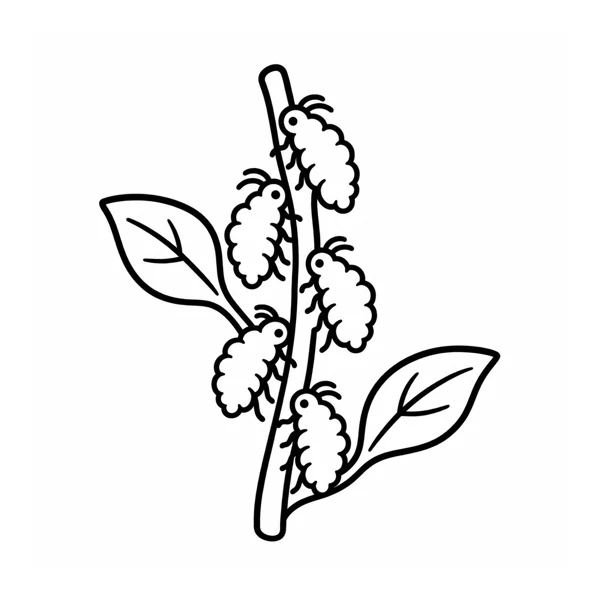
- Mealybugs: The worst pineapple pest. They hide at the leaf bases and roots and spread mealybug wilt, which turns leaves red, then limp and dry. Ants farm them and carry them from plant to plant. Check new tops and shoots before planting, wipe off small colonies, and control ants.
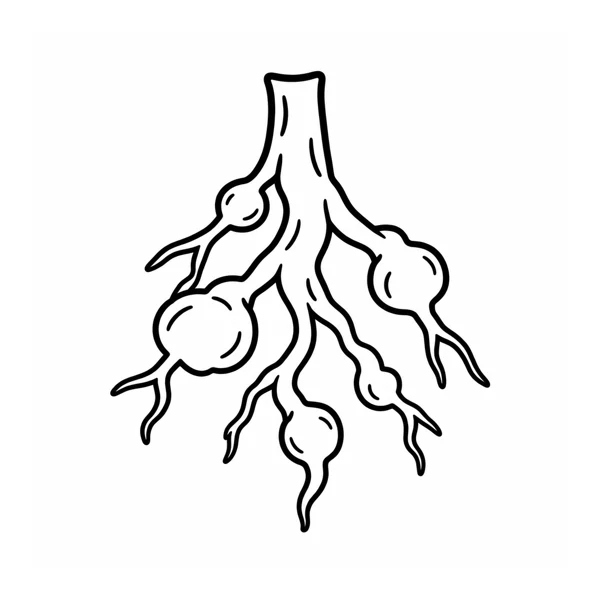
- Nematodes: Tiny soil worms that stunt the roots and slow the plant down, mostly in warm, sandy soils. Grow in a pot of fresh mix, or move the bed to new ground after a few crops.
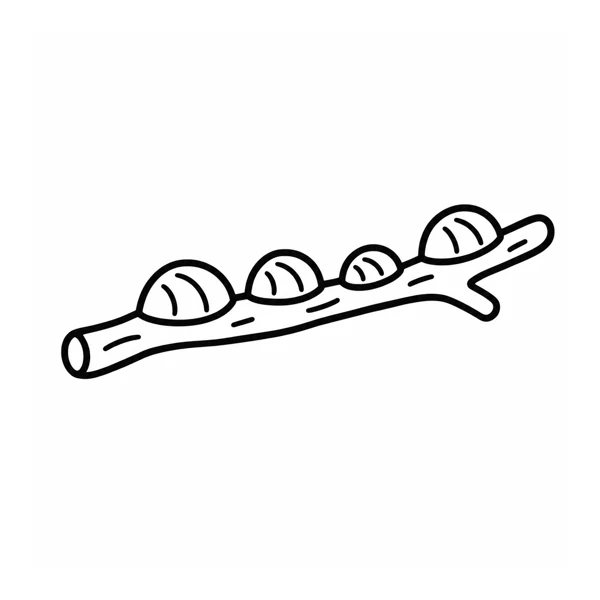
- Scale: Small, crusty bumps on the leaves. Light outbreaks can be wiped off. Badly infested leaves are best removed.
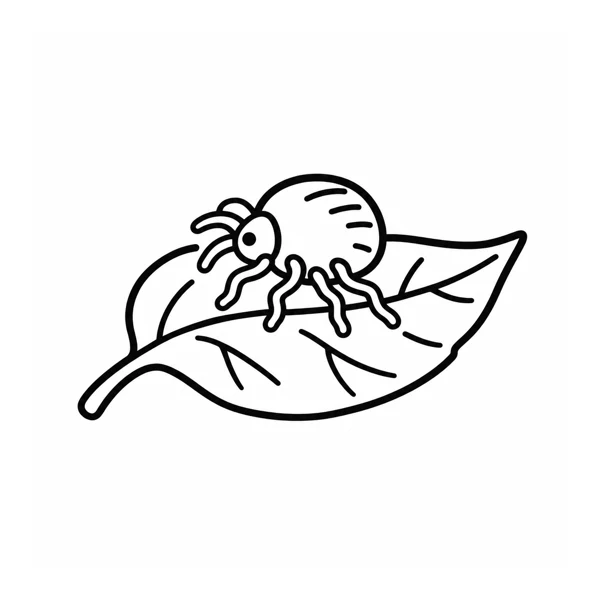
- Pineapple mite: A tiny mite that feeds at the white leaf bases, worse in drought. Steady watering helps.
- Root and heart rot: Phytophthora rots the roots and the center of the plant in wet, poorly drained soil. The center leaves pull out easily and smell bad. Plant high, don't overwater, and never let soil fill the leaf rosette.
- Animals: Rats, raccoons, possums and birds love ripening fruit. Cover the fruit with a mesh bag or wire cage as it starts to color.
Good neighbors



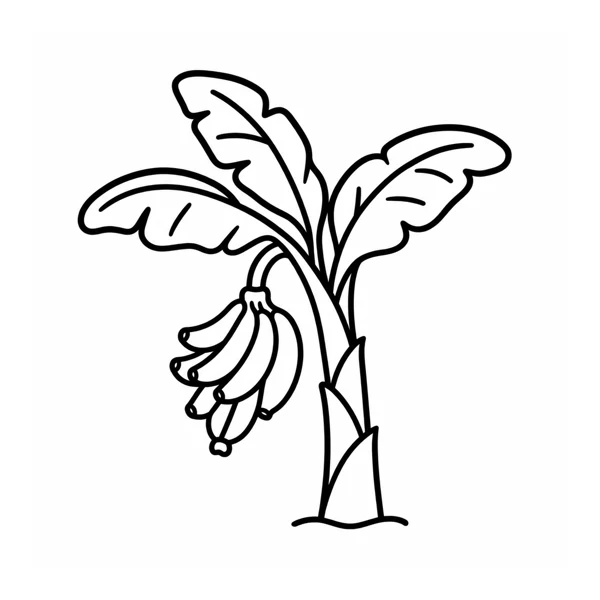
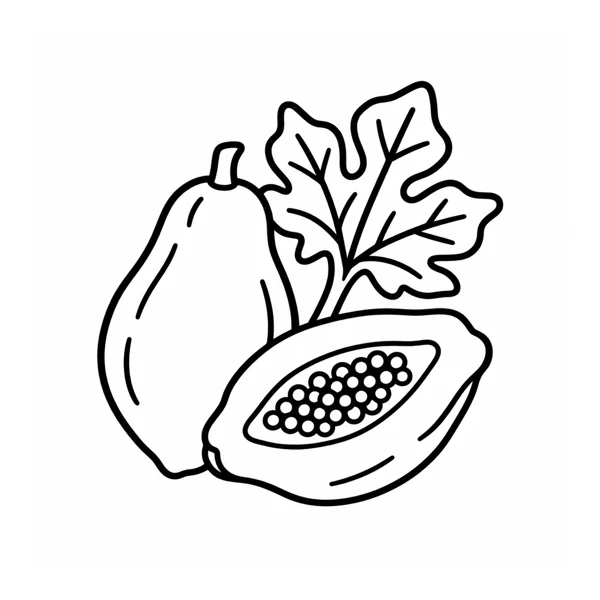
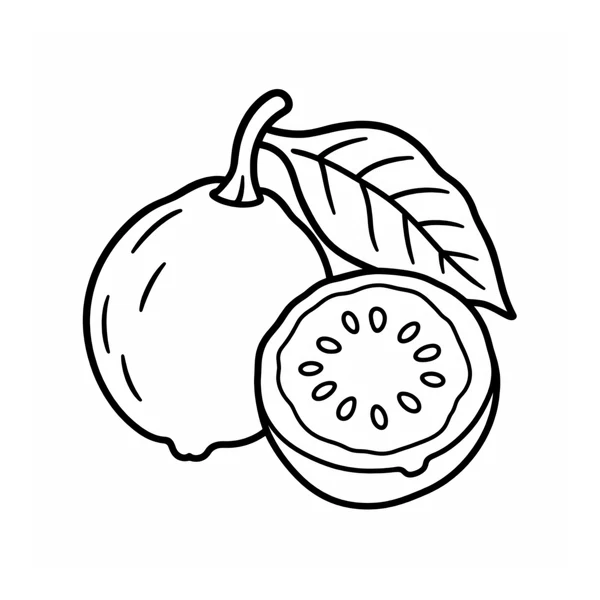
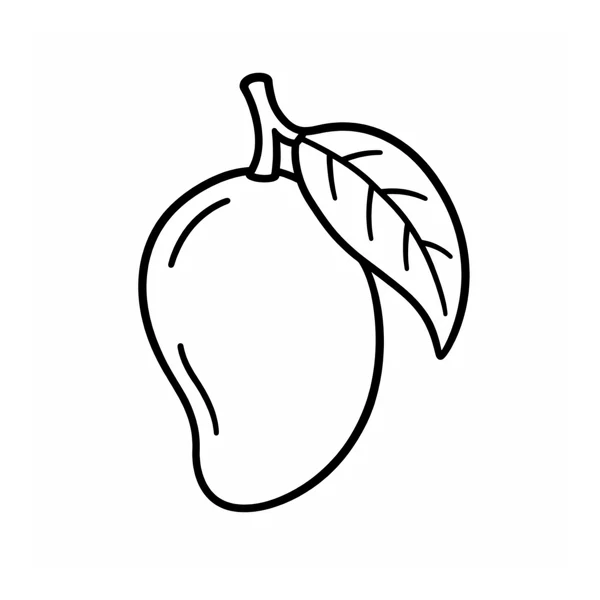
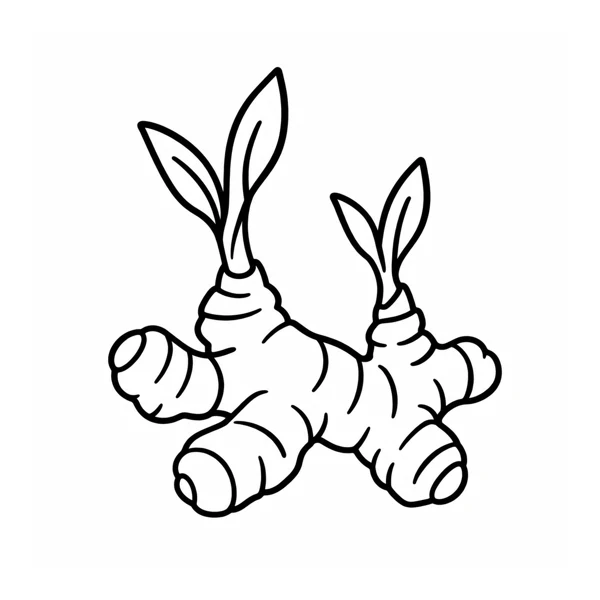
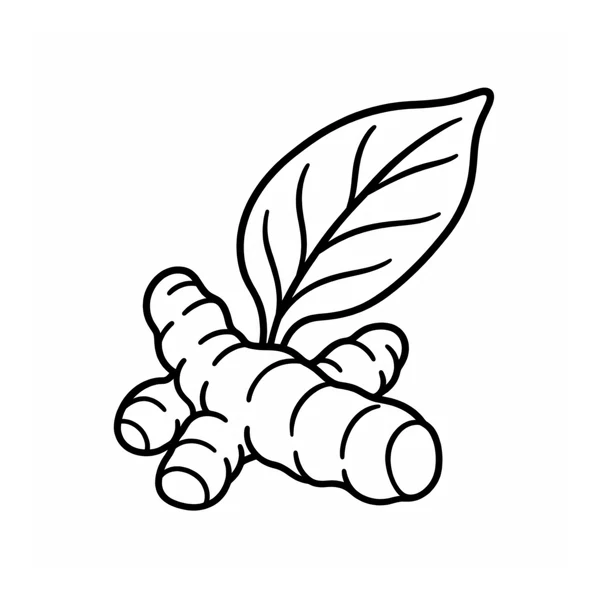
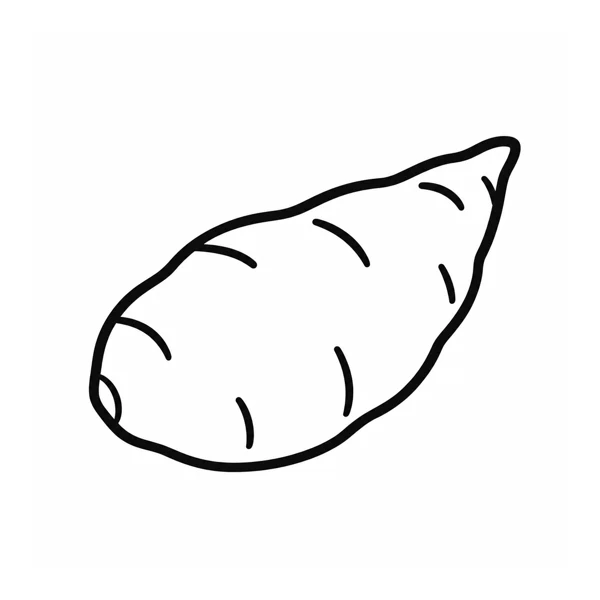
Good: Pineapples like the same warm, sunny, free-draining spot as other tropicals. Low herbs and flowers such as basil, marigolds and nasturtiums bring in helpful insects without shading them. In a tropical fruit corner they sit well along the sunny edge of banana, papaya, guava and mango plantings, and alongside ginger, turmeric and sweet potatoes.
Avoid: Shade from big trees, which slows fruiting, and thirsty plants that need heavy watering right over the pineapple's roots.
Seeds that grow well in your area in November
Affiliate links — shopping through these helps keep Evening Vines free. Smooth Blue Aster
 Polka Dot Mix
 Black-Eyed SusanSeeds
 ColumbineSeeds
Varieties worth growing
Common and easy to find:
- MD-2 (sold as Del Monte Gold or Extra Sweet): The bright golden, very sweet pineapple in most stores, so it's often what grows from a store-bought top. Low in acid, with smooth leaves.
- Smooth Cayenne: The classic canning pineapple. Large, cylinder-shaped fruit of 4 to 10 pounds on a big plant with nearly spineless leaves. A good choice for warm, frost-free yards.
Hot, humid climates (Florida, Hawaii, the Gulf Coast, tropical Australia):
- Red Spanish: Spiny, tough and reliable, with orange-red fruit of 3 to 6 pounds. It did best in Florida trials and resists fruit rot.
- Sugarloaf (and the related Abacaxi): Cone-shaped fruit with white to pale yellow flesh, very sweet and fragrant, with a soft core you can eat. Too tender to ship, which makes it a home-garden treasure.
Australian subtropics (Queensland, northern New South Wales):
- Queen (known as Rough Leaf in Queensland): A small, compact, spiny plant with fragrant fruit of 1 to 2.5 pounds. It handles cool spells and disease better than Smooth Cayenne and is a leading variety in Queensland and South Africa.
- Smooth Cayenne is the other main Queensland pineapple, best in the warmest frost-free spots.
Pots and cool climates (UK, Ireland, Canada, northern US):
- Queen types, including Natal Queen: Compact plants with small fruit, which suit a pot on a windowsill or in a conservatory. Natal Queen also makes plenty of suckers for new plants.
- A store-bought MD-2 top: Free, easy, and as good a pot plant as any.
No pineapple is hardy in the UK, Ireland or Canada. It can summer outdoors on a warm, sunny patio, but it needs a heated greenhouse, conservatory or bright room the rest of the year. With little sun and cool rooms in winter, expect the slow end of the timeline, often 2 to 3 years to fruit.
Picking notes
Fruit ripens 5 to 7 months after the flower head appears, a bit longer in cool weather. It's ready when the skin turns from green to golden-yellow, starting at the base, and the fruit smells sweet. The eyes also flatten a little. A full-sized fruit picked green will turn yellow at room temperature, but it won't get any sweeter, since sugar builds up in the last couple of weeks on the plant. Cut the fruit off with a few inches of stalk.
Each plant gives one fruit. After harvest, keep one strong sucker to grow on and fruit again, often in 15 to 18 months, and plant the other slips and suckers for more plants. This second crop is called a ratoon. The fruit is often a little smaller.
Saving seed for next year
Not practical. Most pineapples set few or no seeds, and seedlings take years to fruit and don't come true. Keep a variety going with its crown, slips and suckers instead.
From garden to table
Raw pineapple is a good source of vitamin C and manganese. USDA figures for 100 grams of raw fruit are about 50 calories, 48 mg of vitamin C and nearly 1 mg of manganese. Eat it fresh, grill it, add it to salsas and curries, or freeze chunks for smoothies.
Pineapple contains bromelain, an enzyme that breaks down protein. That's why fresh pineapple can make your mouth feel tingly or sore, why it tenderizes meat in a marinade, and why fresh or frozen pineapple stops gelatin from setting. Canned pineapple has been heated, so it works fine in gelatin.
Caution: Eat only ripe fruit. Unripe pineapple is very acidic and can badly irritate the mouth and throat and upset the stomach. Wear gloves when handling the spiny leaves.
Questions from the potting bench
Can I really grow a pineapple from a store-bought top? Yes. Twist off a fresh, green crown, strip the lower leaves, let it dry a day or two, and plant it in a well-drained pot. It takes about 2 years or more to fruit.
How long does a pineapple take to fruit? In warm climates, about 15 months to 2 and a half years from planting. Suckers fruit sooner than crowns. In a pot in a cool climate, expect 2 to 3 years.
Does a pineapple plant die after fruiting? The main plant fruits only once, then slowly fades. Its suckers carry on, and each can grow into a new fruiting plant.
Can pineapples survive frost? Not for long. Frost burns the leaves, and temperatures below about 28°F kill the plant. North of zone 10, grow it in a pot you can bring indoors.
Why are the leaves on my pineapple turning red? Cold, strong sun or dry soil can tint the leaves red, which isn't serious. Red leaves that then wilt and dry can mean mealybug wilt, so check the leaf bases and roots for white, cottony mealybugs.
Grower reports
How did Pineapple do in your garden? Members rate it and say which zone and month they planted, so everyone can see what works near them.
Recent community discussions
No one has talked about Pineapple yet. Be the first.
Essentials for Growing Pineapple
 Grow Bags
Breathable fabric pots: grow almost anything on a patio, balcony or driveway, and roots never circle.
See it →
 Organic Fertilizer
Slow-release organic plant food for vegetable beds and containers.
See it →
 Pruning Shears
Sharp bypass pruners for harvesting, deadheading and tidying.
See it →
 Insect Netting
Fine mesh that keeps cabbage worms, flea beetles and birds off your crops, no sprays needed.
See it →
 Soaker Hose
Waters the roots slowly, not the leaves: less disease, less water, less work.
See it →
 Garden Hand Tools
Trowel, transplanter and cultivator: the three tools you reach for most.
See it →
