
Kangaroo Paw
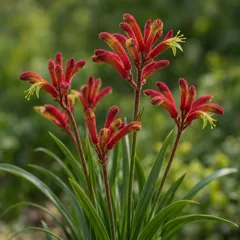
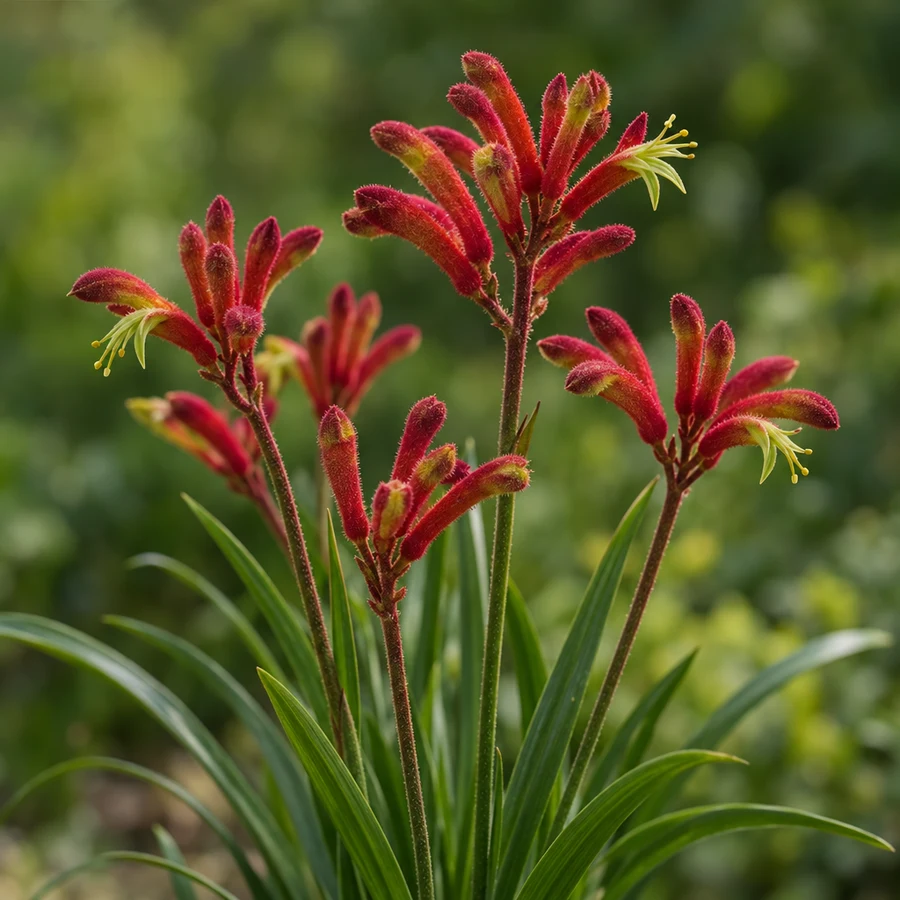
Kangaroo paw is the flower people stop and touch. Each bloom is a fuzzy, curved tube that splits at the tip, and a cluster of them on a tall stem looks a lot like a small animal's paw. Colors run from red and green to yellow, orange, pink and lime. The plant itself is a tidy fan of strappy leaves that sends up bare flower stems for months. Hummingbirds and other nectar birds love it. Give it sun, sharp drainage and air around the leaves, and it will reward you. Keep it wet and crowded, and it sulks.
Recent community discussions
No one has talked about Kangaroo Paw yet. Be the first.
At a glance
| Plant type | Flower (clumping perennial) |
| Botanical name | Anigozanthos spp. and hybrids |
| Annual or perennial | Evergreen perennial; tender in cold zones |
| Sun | Full sun, at least 6 hours |
| Water | Deep soak once a week in the growing season; let the top inch dry between drinks |
| Spacing | 12 to 18 inches for dwarf types; 2 to 4 feet for tall types |
| Planting depth | Same depth as in the nursery pot, never deeper |
| Days to germinate | Species seed sprouts readily in a few weeks in a warm spot; most people buy plants |
| Days to maturity | Nursery plants flower the first season; seed-grown plants usually flower in their second year |
| Best USDA zones | 10 to 11 outdoors year-round (9 in a sheltered, well-drained spot); a pot plant brought inside elsewhere |
| Soil pH | Slightly acidic to neutral |
Is it kangaroo paw weather where you are? See everything to plant this month or read your zone notes.

Diseases


A little history
All the kangaroo paws, about a dozen species, come only from the southwest corner of Western Australia. In the wild they grow in sandy heath and open forest, and birds pollinate them. The French botanist Labillardière collected the first one near Esperance in 1792. The red and green kangaroo paw, Anigozanthos manglesii, reached England from seed in 1833 and is named for Robert Mangles, who grew it there. It became the floral emblem of Western Australia in 1960. Most plants sold today are hybrids, often crossed with the tough, tall yellow-green species A. flavidus, and are grown from tissue culture so each variety stays true.
When to sow in your zone
Kangaroo paws go in as nursery plants, and the timing depends on your zone.
Spring (all zones): Plant after the last frost, once the soil has warmed. In zones 8 and colder, this is the time to set a potted plant outside on the patio for the summer. Fall (zones 9 to 11): In mild areas, early fall is a good time to plant, while the soil is still warm and the hottest weather is over. The roots settle in over the cool months, and the plant is ready to flower in spring. In Australia, autumn and spring are both normal planting seasons.
Seed: Sow fresh seed in spring on a warm windowsill or in a greenhouse. Seed from hybrids won't match the parent.
This month (November): It's late to plant now. In zones 9 to 11, wait for late winter or spring, or plant next September. In zones 8 and colder, bring potted kangaroo paws indoors before frost to a bright, cool window or an unheated sunroom, and water only lightly until spring.
Growing it, step by step
From seed
Sow seed on the surface of a gritty seed mix and barely cover it. Keep it warm and just moist. Seed of species types sprouts without any special treatment. Pot seedlings on when they have a few leaves. Expect flowers in the second year.
Moving it outside
Pick the sunniest spot you have, with good airflow. Dig a hole as deep as the pot and twice as wide. Set the plant at the same depth it grew in the pot. Burying the crown invites rot. Firm the soil and water well.
Soil
Sandy or gravelly soil that drains fast is best. Tall A. flavidus types cope with heavier soil, but the smaller, more colorful hybrids need sharp drainage. On clay, plant in a raised bed or a mound, or grow in a pot.
Water
Water deeply once a week while the plant is growing and flowering, more often in pots and hot spells. Let the top inch of soil dry out between drinks. Water the soil, not the leaves, since wet foliage spreads leaf disease.
Mulch
Use gravel or a thin layer of coarse mulch, kept a couple of inches away from the crown.
Feeding
Feed lightly after the main flush of flowers, with a little slow-release general-purpose or native-plant fertilizer. Too much fertilizer gives floppy leaves and fewer flowers.
Growing in Pots
In zones 8 and colder, a pot is the easy way. Use a container at least 12 inches across with drainage holes and a gritty potting mix. Set it outside in full sun from late spring to fall, then bring it inside to the brightest window you have for winter. Dwarf types suit pots best.
Keeping it happy
Cut each flower stem down to the base once its blooms fade. This keeps the plant tidy and encourages new stems. After the main flowering season, many Australian growers cut the whole clump back hard, taking old fans down to about 4 inches. The plant regrows fresh, clean leaves. Remove any blackened leaves as you see them.
Clumps get crowded after a few years. Lift and divide them after flowering, keeping a few healthy fans on each piece. This is also the only way to copy a favorite color besides buying it.
Most hybrids can take a light frost for a short time, but a hard freeze will kill the leaves or the whole plant. Cover plants in the ground on frosty nights, or bring pots inside.
Trouble in the bed
- Ink spot disease: The big one. Black streaks and blotches spread on the leaves until they die back. Several fungi are involved, so no single spray fixes it. Choose resistant hybrids, plant in sun with good airflow, water at the soil, and cut off marked leaves.
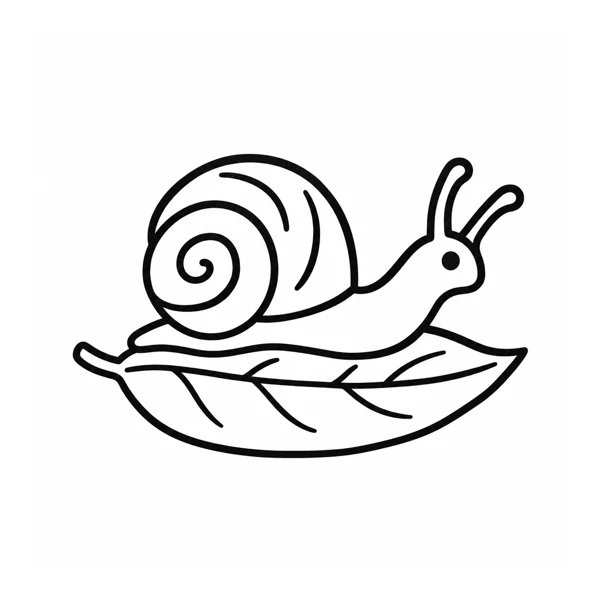
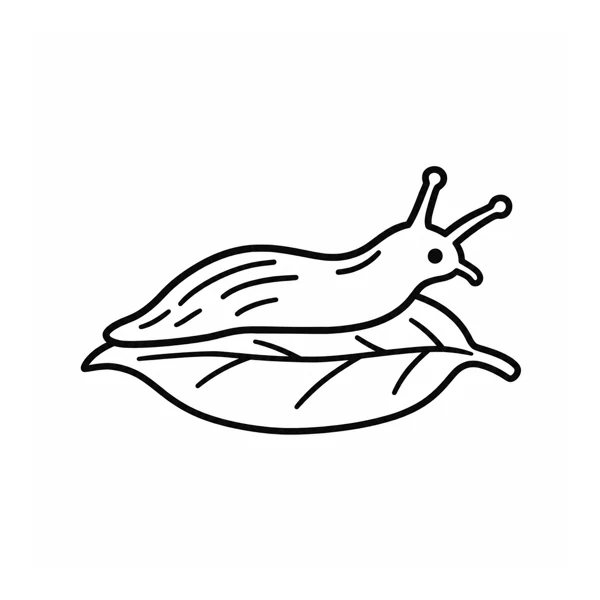
- Snails and slugs: Chew leaves and new fans, especially on the red and green kangaroo paw. Check at dusk.
- Aphids: Cluster on flower stems. Hose them off.
- Root rot: Caused by soggy soil or deep planting. Prevent it with sharp drainage.
- Powdery mildew: Shows up in humid, crowded spots. Space plants for airflow.
Good neighbors


Good: Other plants that like sun, lean soil and dry summers. In Australia that means grevilleas, westringia, everlasting daisies and low banksias. Elsewhere, try coreopsis, alyssum as a low edge, and ornamental grasses.
Avoid: Thirsty plants that need daily water, and anything that shades or crowds the clump.
Seeds that grow well in your area in November
Affiliate links — shopping through these helps keep Evening Vines free. Smooth Blue Aster
 Polka Dot Mix
 Black-Eyed SusanSeeds
 ColumbineSeeds
Varieties worth growing
Hybrid varieties are sold as plants (most are grown from tissue culture) and don't come true from seed.
- Bush Gems series (for example 'Bush Ranger', 'Bush Pearl', 'Bush Gold'): Compact Australian hybrids bred for garden use and better ink spot resistance. 'Bush Ranger' is red-orange and one of the tougher choices for light frost and dry spells.
- Kanga series: Compact plants in several bright colors, good in pots on a patio in cold zones.
- 'Big Roo Yellow': Fuzzy yellow flowers on tall stems; a bigger plant for the back of a sunny border.
- Anigozanthos flavidus (tall kangaroo paw): The species. Tall, tough and long-lived, handles humid summers and heavier soil better than most. A good choice for the southern US and coastal Australia.
- Anigozanthos manglesii (red and green kangaroo paw): The Western Australian emblem. Striking, but short-lived and prone to ink spot, so treat it as a two-year plant.
For cool, damp summers like the UK and Ireland, pick compact hybrids, grow them in pots of gritty mix, and keep them in a frost-free greenhouse or bright room over winter.
Picking notes
Cut stems when about a third of the flowers on the stem have opened. Kangaroo paws last well in the vase, often around two weeks, and they also dry well. Hang stems upside down in a dry, airy place to dry them.
Saving seed for next year
Let a few flower stems dry on the plant and collect the small seeds before the pods split. Species plants come close to true. Seed from hybrids gives mixed, often weaker seedlings, so divide clumps to keep a variety.
From garden to table
Grown for borders, pots, cut flowers, dried flowers and for feeding nectar birds. Kangaroo paw is not a food plant. It is drought tolerant once settled and usually left alone by deer and rabbits. We haven't found it on common lists of plants poisonous to pets, but don't let pets or children chew it.
Questions from the potting bench
Why are the leaves turning black? That's usually ink spot disease. Cut off the marked leaves, stop overhead watering, and make sure the plant gets full sun and moving air. If a clump is badly hit, cut it back hard after flowering and let it regrow.
Can I grow kangaroo paw in a cold climate? Yes, in a pot. Keep it outside in full sun all summer and bring it in before the first frost. It wants a bright, cool spot over winter with very little water.
Why did my kangaroo paw stop flowering? Usually too little sun, an old crowded clump, or too much fertilizer. Move it somewhere sunnier, divide it after flowering, and feed only lightly.
Is kangaroo paw a perennial? In zones 10 and 11, most hybrids and the tall species live for years. The red and green kangaroo paw is short-lived even in its home range, and in cold zones any kangaroo paw left outside over winter will die.
Grower reports
How did Kangaroo Paw do in your garden? Members rate it and say which zone and month they planted, so everyone can see what works near them.
Recent community discussions
No one has talked about Kangaroo Paw yet. Be the first.
Essentials for Growing Kangaroo Paw
 Grow Bags
Breathable fabric pots: grow almost anything on a patio, balcony or driveway, and roots never circle.
See it →
 Pruning Shears
Sharp bypass pruners for harvesting, deadheading and tidying.
See it →
 Seed Starting Tray
Reusable tray with a clear dome to give seeds a warm, humid start indoors.
See it →
 Garden Kneeler
A kneeling pad that flips into a seat: easier on knees and back.
See it →
 Plant Labels
Waterproof markers so you know what's coming up where.
See it →
 Organic Fertilizer
Slow-release organic plant food for vegetable beds and containers.
See it →
