
Pomegranate
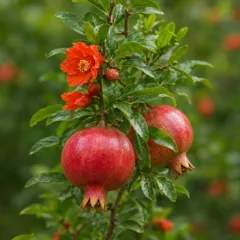
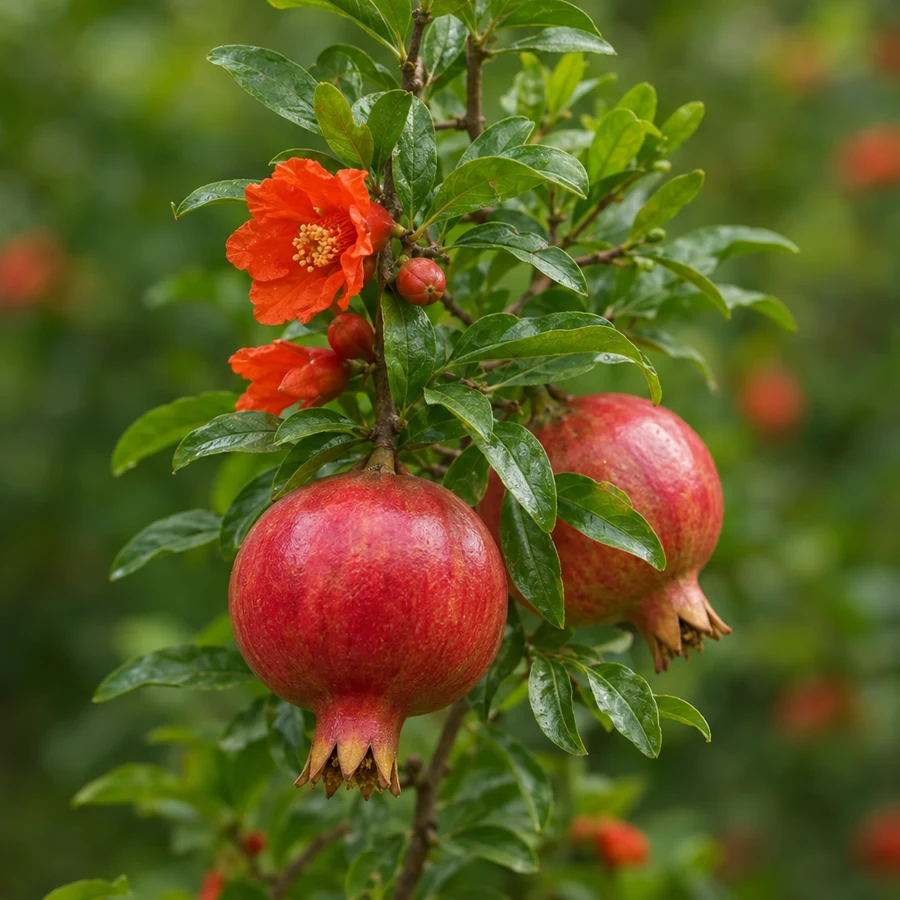
A pomegranate is a tough, good-looking shrub with glossy leaves, bright orange-red flowers in late spring, and leathery fruit packed with juicy seeds in fall. It loves long, hot summers and handles dry spells, poor soil and even a little salt once it's settled. One plant will fruit on its own, and it can be kept as a bush, a small tree, or a dwarf in a pot.
In cooler places it still makes a lovely flowering shrub against a warm wall, and the dwarf kinds are easy pot plants for a sunny window or conservatory.
Recent community discussions
No one has talked about Pomegranate yet. Be the first.
At a glance
| Plant type | Fruit tree (large shrub or small tree) |
| Botanical name | Punica granatum |
| Annual or perennial | Deciduous perennial |
| Sun | Full sun, at least 6 hours and ideally all day |
| Water | Deep, even watering while fruit grows; drought tolerant once settled |
| Spacing | 12 to 18 feet apart in the ground; dwarf types much closer, or one per pot |
| Planting depth | Same depth as in the nursery pot |
| Days to germinate | Not grown from seed for fruit; start from a nursery plant or a rooted cutting |
| Days to maturity | 2 to 3 years to first fruit; good crops from about year 3 |
| Best USDA zones | 8 to 11 (7 with a hardy variety and a sheltered spot; anywhere in a pot brought indoors) |
| Soil pH | 5.5 to 7.2 |
Is it pomegranate weather where you are? See everything to plant this month or read your zone notes.
Pests to watch for


Diseases
A little history
Pomegranates come from the region running from Iran to northern India, and people have grown them since ancient times. They spread early around the Mediterranean and were grown in Greece several centuries before the common era. Spanish settlers carried them to the Americas, and they reached California in 1769, the same year the mission friars brought the Mission fig.
When to sow in your zone
Pomegranates go in as young plants, not seeds.
Late winter to spring (all outdoor zones): Plant bare-root plants while they're still dormant in late winter or early spring, and potted plants once hard frosts are over. In zones 7 and 8, spring is the only window, so the roots have a full summer to settle before winter.
Late fall through winter (zones 9 to 11): Where winters are mild, dormant plants can go in from late fall through winter. Cool, damp soil and warm days later let the roots grow before spring.
Cold winters (zone 6 and below): Grow a dwarf pomegranate in a pot. It can sit outside in summer and come into a bright, cool room or greenhouse before the first frost.
Growing it, step by step
Starting a New Plant
Seeds sprout easily, but the plants won't match the fruit you ate and take longer to bear. Buy a named variety, or root a cutting. Take pencil-thick pieces of last year's wood, 10 to 12 inches long, in winter, dip the base in rooting hormone, and push them halfway into a pot of free-draining mix. Keep it evenly moist and plant out the following year.
Picking the Spot
Give it the hottest, sunniest spot you have. Pomegranates fruit best where summers are long and hot, and part shade means fewer flowers and fewer fruit. In zone 7, and in cool-summer climates, a south- or west-facing wall gives extra warmth and shelter from winter wind. Good drainage matters more than rich soil.
Planting
Dig a hole as deep as the root ball and twice as wide. Set the plant at the same depth it grew in the pot, firm the soil, and water well. Give each plant about 12 to 18 feet of room; dwarf types can go much closer.
Growing in a Pot
Dwarf types like Nana stay small enough for a pot of 5 to 10 gallons. Standard varieties need a pot of 15 gallons or more and regular pruning. Use a free-draining potting mix and a pot with good holes. Bring it into a bright, cool, frost-free place for winter. A cool conservatory, greenhouse or porch that stays above freezing suits it well, and the plant will drop its leaves and rest.
Water
Water deeply and regularly the first year. After that, pomegranates cope with dry spells, but fruit is better and splits less when the soil stays evenly moist from bloom to harvest. A dry spell followed by heavy rain or a big soaking is what cracks the fruit. Water at the base rather than over the top, since wet flowers can drop.
Mulch
Spread 2 to 3 inches of mulch over the root zone to keep moisture steady and weeds down. Keep it a hand's width from the stems.
Feeding
Pomegranates are light feeders. In the ground, a small amount of balanced fertilizer in early spring and again in early summer is plenty. Too much nitrogen gives you leafy growth and few flowers. Potted plants need regular feeding in spring and summer because watering washes nutrients away.
Keeping it happy
Prune in late winter, before new growth starts. Pomegranates naturally grow as a many-stemmed bush and send up suckers from the base. Either keep 3 to 6 strong stems as a bush, or choose one trunk and train it as a small tree, removing suckers as they appear. Take out dead, crossing and crowded wood each year. Fruit forms on short spurs on wood that's 2 to 3 years old, so prune lightly. Heavy pruning is one of the most common reasons a pomegranate doesn't fruit.
Most varieties are damaged at around 12°F, and the hardiest survive near 7°F. If a hard winter kills the top, the plant usually regrows from the base. In zone 7, mulch the base heavily once it's dormant and choose a hardy variety.
Trouble in the bed
- Fruit splitting: The most common problem, and not a disease. It comes from uneven watering or late-summer rain. Water evenly, mulch, and pick on time.
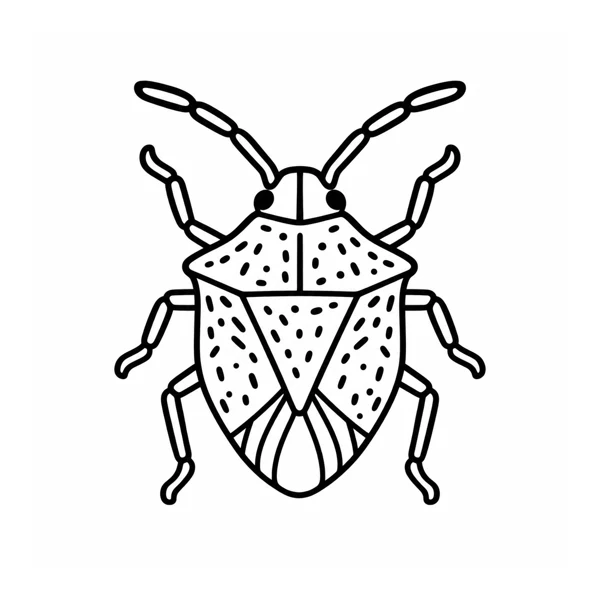
- Leaffooted bugs and stink bugs: These sap-sucking bugs feed on fruit, especially cracked or overripe fruit. Pick fruit promptly and hand-pick bugs.
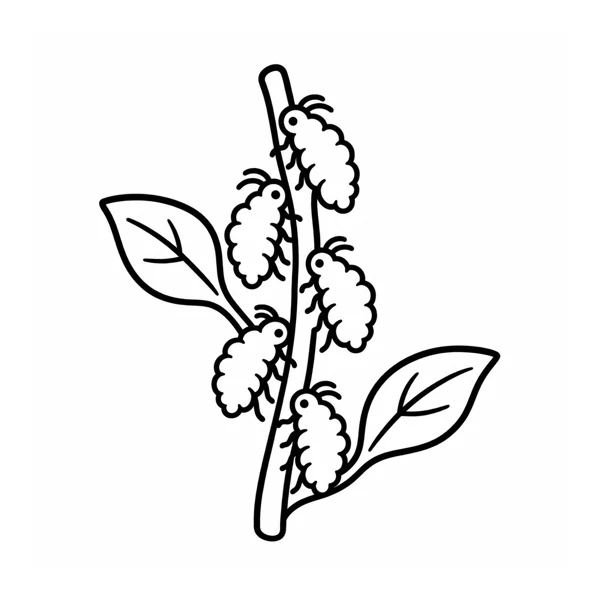
- Mealybugs, scale and whiteflies: Look for white fluff, crusty bumps or tiny white flies under leaves. Usually minor; a strong spray of water or horticultural oil helps on bad infestations.
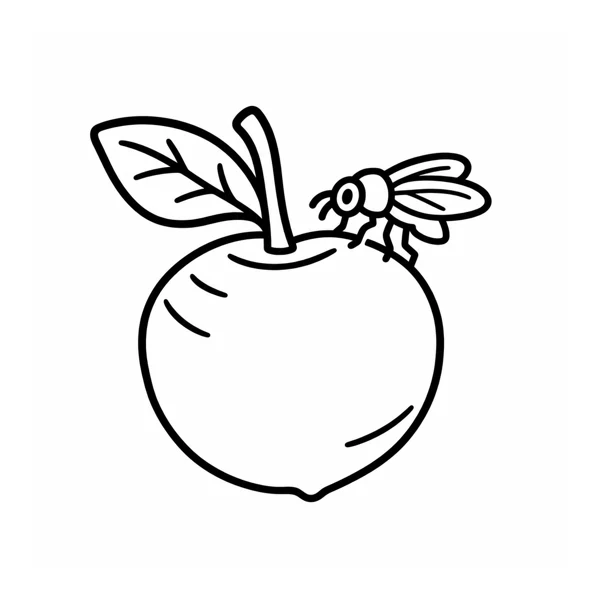
- Fruit flies: In Australia, fruit fly attacks pomegranates. Bag or net the fruit and clean up fallen fruit.
- Heart rot and gray mold: Fungi can rot the fruit from the inside or attack flowers in damp weather, often entering through cracks or the flower end. Remove affected fruit and keep plants open for air.
- Leaf and fruit spots: Common in humid areas such as the US Southeast. They look untidy but rarely need treatment.
- Birds: Parrots, lorikeets and other birds peck open ripe fruit. Net the plant as fruit colors up.
Good neighbors

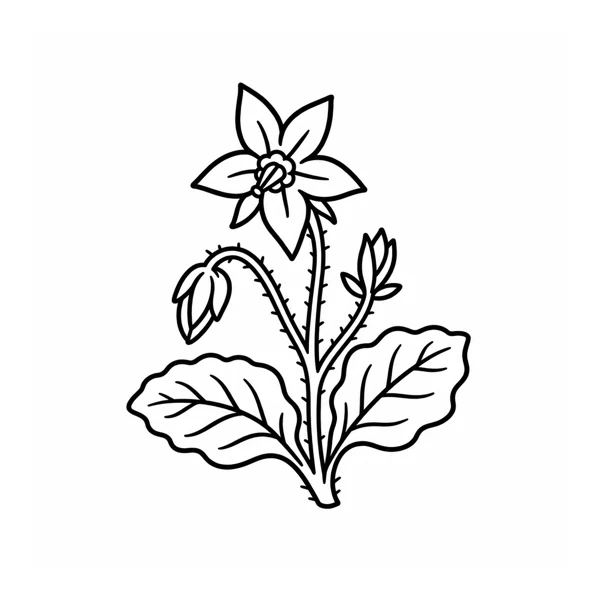
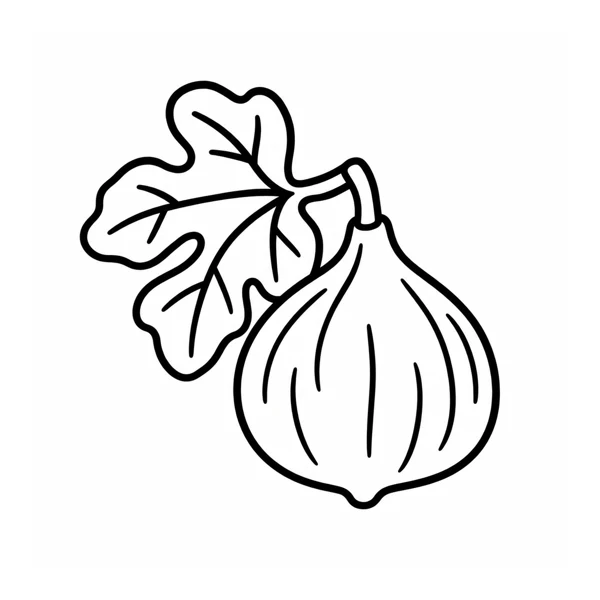
Good: Low, sun-loving plants that like the same dry, hot conditions and bring in pollinators, such as alyssum, calendula and borage, planted at the edge of the root zone. A pomegranate also pairs well with a fig in a sunny fruit corner, since both like heat and little feeding.
Avoid: Thirsty plants that need frequent overhead watering right under the canopy. Wet flowers can drop, and heavy watering through summer softens growth and splits fruit.
Seeds that grow well in your area in November
Affiliate links — shopping through these helps keep Evening Vines free. Rocket Larkspur
 Wild Lupine
 Common Milkweed
 PansySeeds
Varieties worth growing
Hot, dry summers (California, the Southwest, inland Australia):
- Wonderful: The classic. Large, deep red fruit with a rich, tart flavor, great for juice. Ripens in early fall. It does poorly in the humid Southeast. Trees
- Granada: A sport of Wonderful with darker red fruit, less tart, ripening about a month earlier.
- Early Wonderful: Like Wonderful but about two weeks earlier, handy where fall turns cool.
- Eversweet: Soft seeds, light red arils and clear, sweet juice.
- Angel Red: Juicy, soft-seeded fruit that ripens early. Best in zone 8 and warmer.
Colder winters and humid summers (zone 7, the US Southeast):
- Salavatski: One of the cold-hardy Russian selections. Large, sweet fruit about the size of Wonderful, with firm seeds, good for juice.
- Afganski: Another Russian selection for cold hardiness, with bright red skin, deep red, soft-seeded arils and a sweet-tart taste.
- Utah Sweet: Soft seeds and sweet pink arils. Hardy to zone 7 with protection.
Pots, small spaces and cool climates (UK, Ireland, Canada):
- Nana: A true dwarf, 2 to 3 feet tall, with small fruit. The best choice for a pot on a sunny windowsill, patio or conservatory.
- State Fair: A compact shrub, about 5 feet, cold hardy with small fruit.
In the UK and Ireland a pomegranate grows outdoors against a sunny wall in milder areas, but fruit only ripens after a long, hot summer. Under glass it crops much more reliably.
Pomegranate trees to buy
Affiliate links — shopping through these helps keep Evening Vines free. RussianTrees
Picking notes
Fruit ripens from late summer into fall, usually August to October, and later varieties into November. Ripe fruit has full color for its variety, the sides flatten slightly, and it gives a metallic sound when you tap it. Pomegranates don't ripen after picking, but pick a little early rather than late if rain is coming, since ripe fruit splits. Cut the stem with pruners instead of pulling. Whole fruit keeps for months in cool storage, and the flavor often improves.
Saving seed for next year
Not useful for fruit. Seedlings vary and won't match the parent. Root hardwood cuttings to keep a variety you love. Seed is fun for growing a pot plant, though: rinse the pulp off, dry the seeds and sow them in spring.
From garden to table
The juicy seeds, called arils, bring fiber, vitamin C, vitamin K and potassium. USDA figures for raw pomegranate are about 83 calories, 4 grams of fiber and 10 mg of vitamin C per 100 grams. Eat the arils fresh, sprinkle them on salads and yogurt, juice them, or boil the juice down into pomegranate molasses. To get the seeds out cleanly, score the skin, break the fruit apart in a bowl of water, and the arils sink while the pith floats. The juice stains, so wear an apron.
Only the fruit is food. The bark and roots contain alkaloids that cause vomiting and other poisoning symptoms in large doses, so don't make home remedies from them. If you take prescription medicines, ask your pharmacist before drinking a lot of pomegranate juice.
Questions from the potting bench
Do I need two pomegranate trees? No. Pomegranates are self-fruitful, so one plant will fruit. A second plant nearby can improve fruit set a little.
Why is my pomegranate flowering but not fruiting? Usually too little sun, too much pruning, or a young plant. Double-flowered ornamental kinds set little or no fruit at all.
Why are my pomegranates splitting? Uneven watering or rain as the fruit ripens. Water deeply and evenly, mulch, and pick on time.
Can I grow a pomegranate in a cold climate? Yes, in a pot. Choose the dwarf Nana, keep it outside in summer, and bring it into a bright, cool, frost-free room or greenhouse for winter.
Grower reports
How did Pomegranate do in your garden? Members rate it and say which zone and month they planted, so everyone can see what works near them.
Recent community discussions
No one has talked about Pomegranate yet. Be the first.
Trees to try
Affiliate links — shopping through these helps keep Evening Vines free.Essentials for Growing Pomegranate
 Grow Bags
Breathable fabric pots: grow almost anything on a patio, balcony or driveway, and roots never circle.
See it →
 Organic Fertilizer
Slow-release organic plant food for vegetable beds and containers.
See it →
 Pruning Shears
Sharp bypass pruners for harvesting, deadheading and tidying.
See it →
 Insect Netting
Fine mesh that keeps cabbage worms, flea beetles and birds off your crops, no sprays needed.
See it →
 Soaker Hose
Waters the roots slowly, not the leaves: less disease, less water, less work.
See it →
 Garden Hand Tools
Trowel, transplanter and cultivator: the three tools you reach for most.
See it →
