
Daffodils
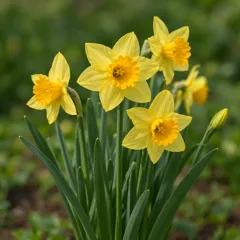
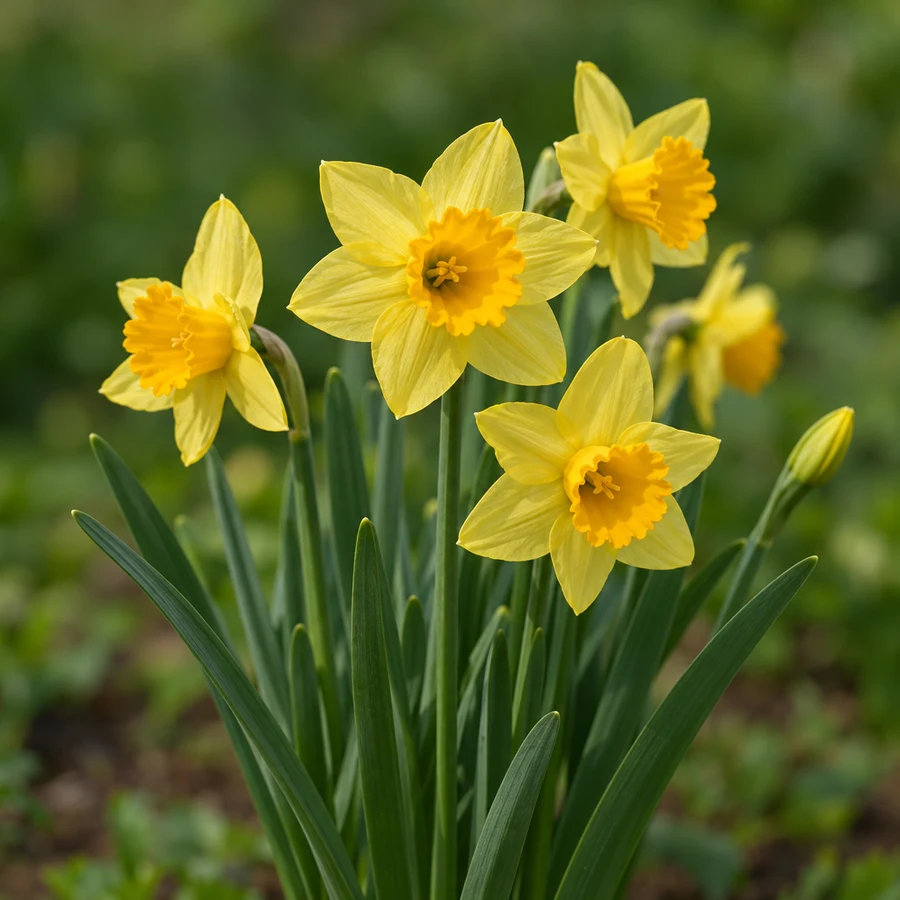
Daffodils are the bulbs to plant if you want spring flowers for almost no work. You tuck them into the ground in fall, forget about them, and in late winter the first green tips push up through cold soil. A few weeks later there are trumpets of yellow, white, orange or pink, and they come back every year, often in bigger clumps. Deer, rabbits, voles and squirrels leave them alone, because every part of the plant is poisonous. Give them sun in spring and soil that drains, and they'll outlive most of the garden around them.
Recent community discussions
No one has talked about Daffodils yet. Be the first.
At a glance
| Plant type | Flower (bulb) |
| Botanical name | Narcissus spp. and hybrids |
| Annual or perennial | Hardy perennial |
| Sun | Full sun to light shade; at least half a day of sun in spring |
| Water | Water well after planting and in dry spells while leaves are green; none needed in summer |
| Spacing | 3 to 6 inches apart, in groups of 6 or more |
| Planting depth | About 3 times the height of the bulb: roughly 6 inches to the base for standard bulbs, 3 to 4 inches for miniatures |
| Days to germinate | Not grown from seed for flowers; bulbs root within a few weeks of fall planting and shoots show in late winter (seed takes about 5 years to bloom) |
| Days to maturity | Bulbs planted in fall bloom the next spring, from late winter to late spring depending on variety and zone |
| Best USDA zones | 3 to 8 for most; jonquils and tazettas into zone 9; paperwhites 8 to 10 |
| Soil pH | 6.0 to 7.0 |
Is it daffodils weather where you are? See everything to plant this month or read your zone notes.
Diseases

A little history
Wild daffodils grow across Europe and North Africa, with the most species in Spain and Portugal, and one group, the tazettas, stretches east into Asia. The name Narcissus comes from the Greek myth of the young man who fell in love with his own reflection. The wild daffodil of Britain, Narcissus pseudonarcissus, is often called the Lent lily, because it blooms around Lent and Easter. William Wordsworth's poem about a crowd of golden daffodils came from a walk near Ullswater in the Lake District in 1802. The daffodil is a national emblem of Wales and is worn on St David's Day, and cancer charities in Ireland, Canada and Australia use it as the flower of their Daffodil Day fundraisers. Victorian breeders in Britain and Ireland started crossing daffodils seriously, and today there are tens of thousands of named varieties, sorted by the Royal Horticultural Society into 13 groups by flower shape.
When to sow in your zone
Daffodils go in as dormant bulbs in fall. They need a long cold spell over winter to flower, so fall planting is the rule almost everywhere.
Cold zones (3 to 6): Plant from about two weeks before your first fall frost until about a month after, once the soil has cooled but well before the ground freezes. In Minnesota or the Canadian prairies that's usually September into early October; in southern Ontario and Quebec, late September through October. The bulbs need several weeks to grow roots before winter.
Mild zones (7 to 9): Plant from early fall into early winter, once the soil has cooled. In zone 7 that's roughly September to November; in the Southeast and Texas it often means October through December. On the BC coast, plant from September to November. In the UK and Ireland, September is ideal and October is fine, and bulbs planted in November still do well.
Frost-free areas (zone 10): Most daffodils won't get enough cold to bloom a second year. Plant paperwhites and other tazettas, which need little chill, from November to January. For other types, buy pre-chilled bulbs or keep them in a paper bag in the fridge for about 12 weeks (away from fruit, which gives off ethylene and can kill the flower bud), then plant in early winter and treat them as one-season flowers.
Australia: In the southern states, plant in autumn, from about March to May. Daffodils do best where winters are cool, such as Victoria, Tasmania, southern New South Wales, the Adelaide Hills and the tablelands. In the subtropics, grow jonquils and tazettas or chill other bulbs first, and plant from late autumn into early winter (May to July). The tropical north is too warm for daffodils.
This month (November): In zones 3 to 5 it's usually too late now if the ground has frozen. If you can still dig, get any leftover bulbs in right away rather than storing them over winter, as they won't keep. In zones 6 and 7, finish planting this month. In zones 8 and 9, and in the UK and Ireland, this is still good planting time. In zone 10, plant paperwhites now, and put other bulbs in the fridge (or buy pre-chilled ones) for planting in midwinter.
Growing it, step by step
Choosing Bulbs
Buy firm, heavy bulbs with no soft spots or mold. Bigger bulbs give more flowers. Plant them soon after you buy them; daffodil bulbs dry out if they sit around for months.
Picking the Spot
Daffodils need sun in spring while their leaves are green. A spot under deciduous trees works, because the trees are still bare when the daffodils grow. Good drainage matters more than anything else: bulbs rot in soil that stays wet. If your soil is heavy clay, plant on a slope or in a raised bed, or work in compost first.
Planting
Dig a hole about 3 times as deep as the bulb is tall, so most standard bulbs sit with their base about 6 inches down. Set each bulb pointed end up, 3 to 6 inches apart. They look best in loose drifts or clumps of 6 or more rather than single rows. Cover, firm the soil, and water well to settle the roots. In grass, lift a flap of turf, plant, and lay the turf back.
Growing in a Pot
Use a pot at least 8 inches deep with drainage holes. Plant bulbs close together, almost touching, with their tips just under the surface or about an inch down. In zones 3 to 6, move pots into an unheated garage or shed for winter, or bury them in the garden, because roots in a pot freeze much more easily than roots in the ground. Keep the mix just damp, never soggy.
Water
Water after planting. After that, rain is usually enough. In a dry spring, water once a week while the leaves are green. Once the foliage dies down in early summer, the bulbs like to stay fairly dry, so don't plant them in a bed you water heavily all summer.
Mulch
A couple of inches of compost or shredded leaves over the bed in fall keeps weeds down and helps the soil hold moisture. In zones 3 and 4, a thicker mulch protects new plantings in their first winter.
Feeding
Daffodils need little. Feed lightly with a balanced or high-potassium fertilizer as shoots come up in spring, or just after flowering. Go easy on nitrogen, which gives soft leaves and encourages bulb rot.
Keeping it happy
Snip off faded flowers so the plant puts its energy into the bulb, not seed. Leave the leaves alone until they turn yellow, usually about 6 weeks after flowering. The leaves feed the bulb for next year's bloom. Don't braid, knot or cut them while they're green. Plant later perennials around the clumps to hide the fading foliage.
Clumps spread slowly. When they get crowded, flowering drops off. Dig them up after the leaves yellow, pull the bulbs apart, and replant right away at the usual depth, or let them dry and replant in fall.
Trouble in the bed
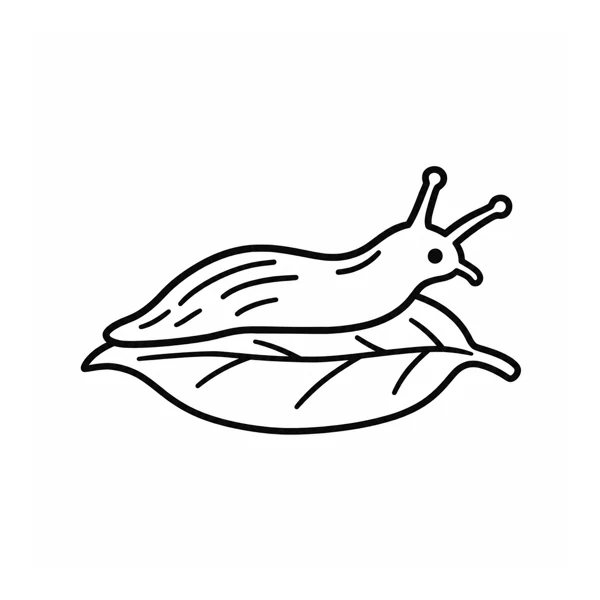
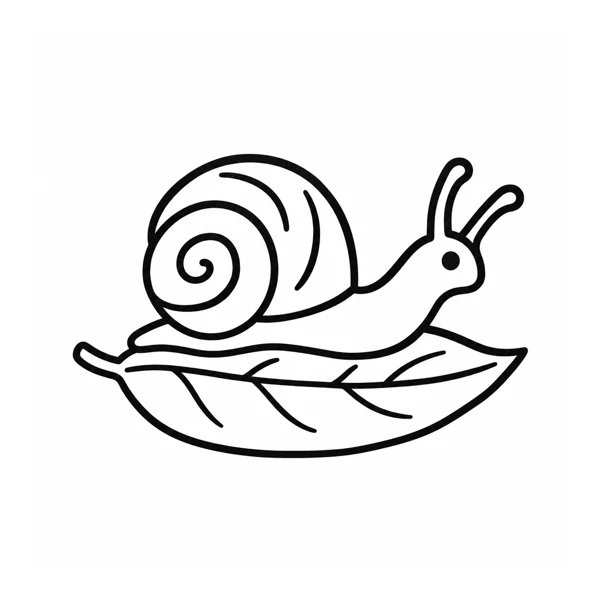
- Slugs and snails: Chew leaves and flowers in damp springs. Check at dusk.
- Narcissus bulb fly: A bee-like fly lays eggs at the base of the leaves in late spring, and the grub eats out the center of the bulb. Infested bulbs make a few thin leaves and no flowers. The fly likes warm, sunny, sheltered spots, so bulbs in breezier or partly shaded places are attacked less. Firm or rake the soil over the bulbs as the leaves die down to close the holes the grubs use, and dig out and destroy weak, grassy-leaved plants in spring.
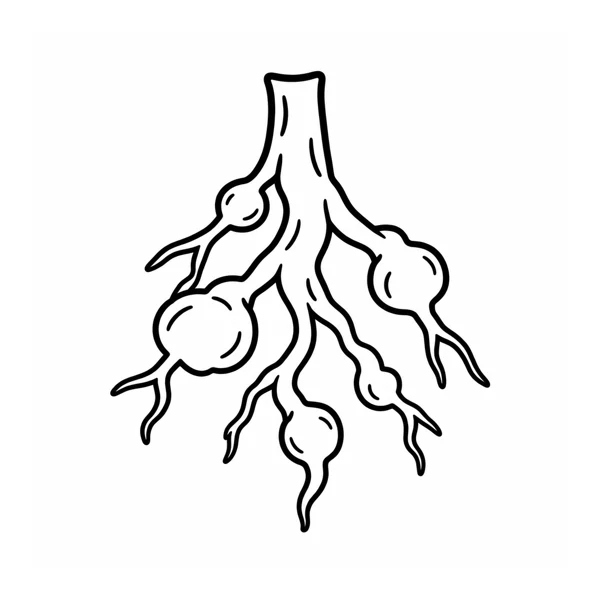
- Stem and bulb nematodes: Microscopic worms that cause twisted leaves with small yellow swellings and brown rings inside the bulb. Dig out and throw away infected plants, and don't plant daffodils in that spot again for a few years.
- Bulb mites: Tiny mites that feed in damaged or rotting bulbs. Buy clean bulbs and handle them gently.
- Basal rot: A soil fungus rots the bulb from the base, worst in warm, wet soil. Leaves yellow early and the plant may not flower. Throw away soft bulbs and replant in a new spot. Tazettas resist it; the popular Carlton is prone to it.
- Virus: Streaked, mottled or twisted leaves. There's no cure; dig and discard affected plants so the problem doesn't spread.
Good neighbors
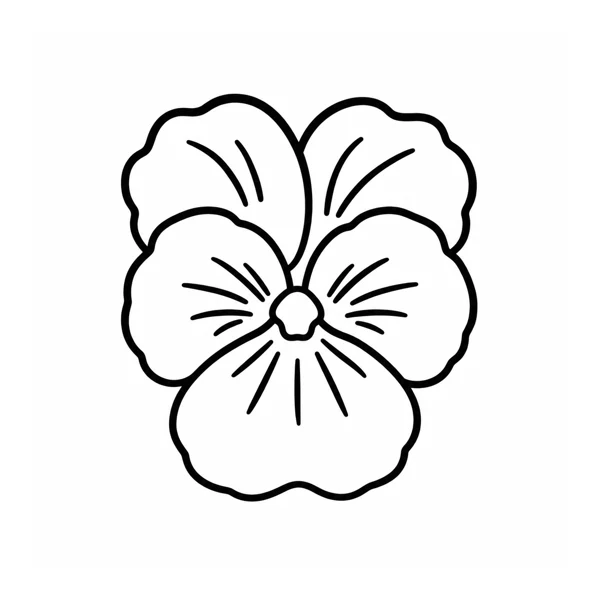
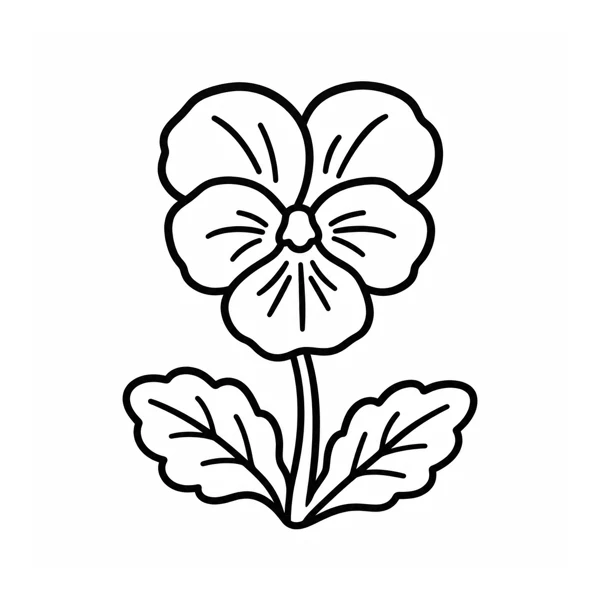
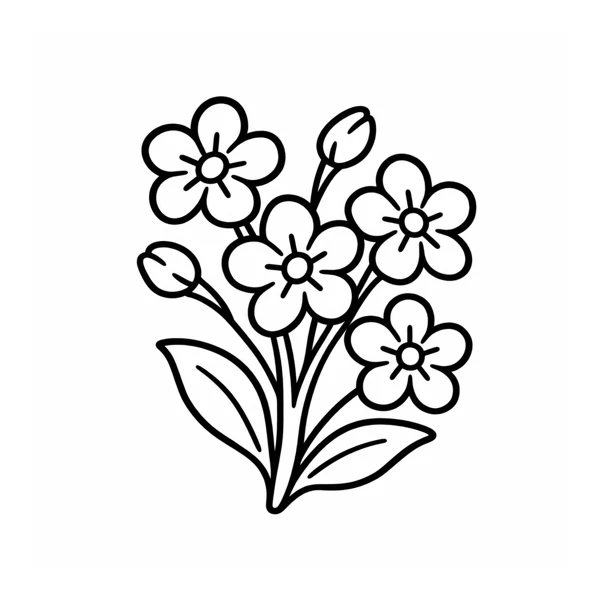

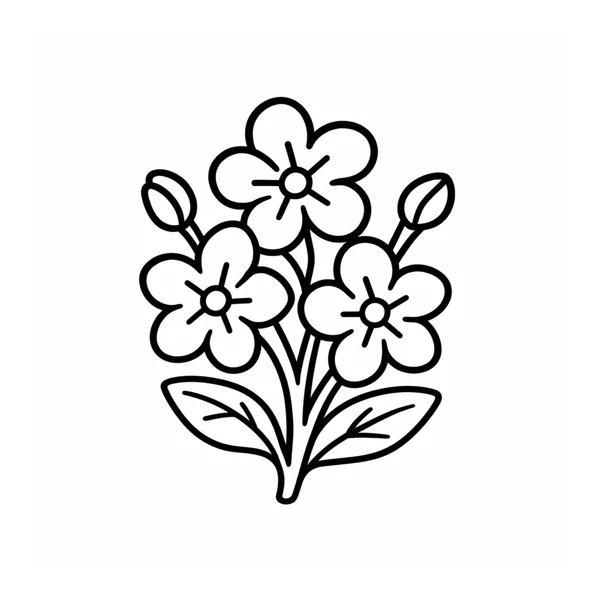
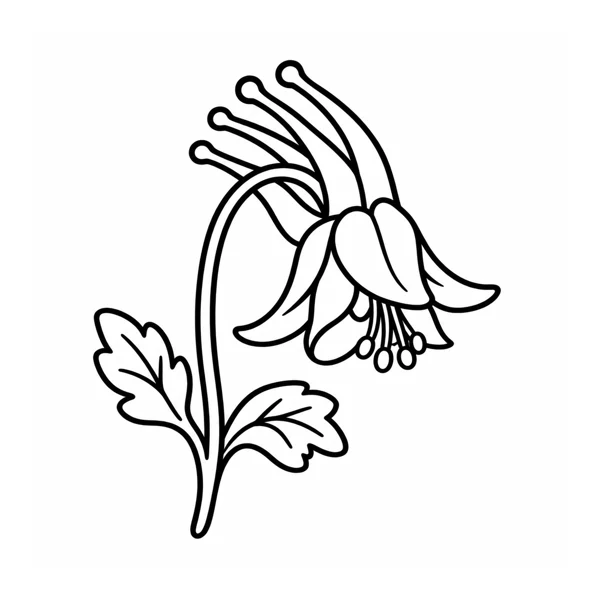
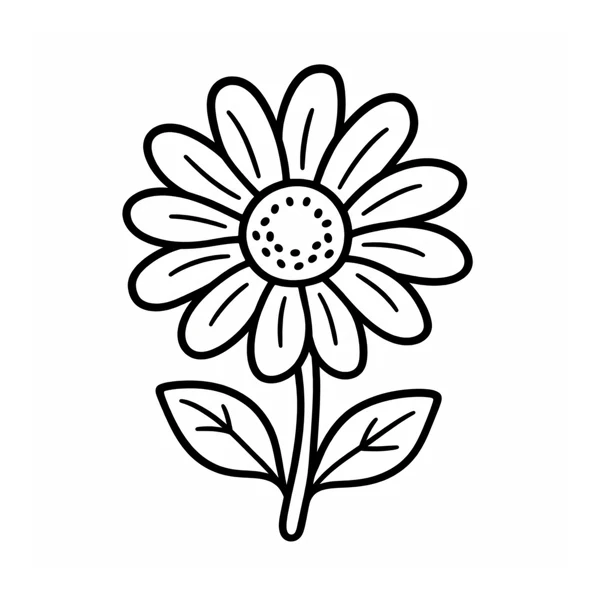
Good: Low spring flowers like pansies, violas and forget-me-nots look lovely around daffodils and bloom at the same time. Later perennials like asters, phlox, columbine and black-eyed Susan grow up and hide the yellowing leaves.
Avoid: Beds that get heavy summer watering, and deep year-round shade.
Seeds that grow well in your area in November
Affiliate links — shopping through these helps keep Evening Vines free.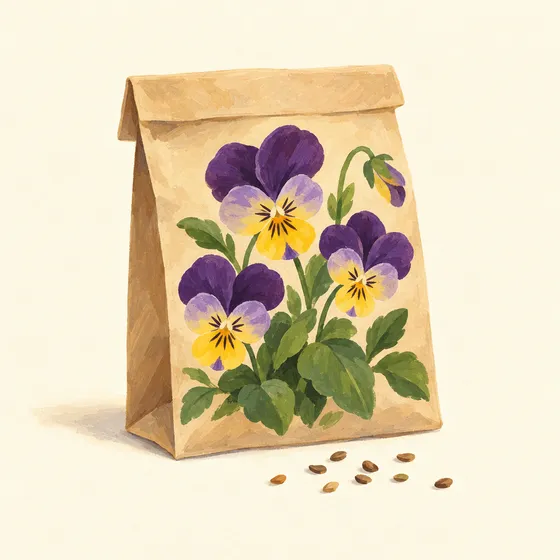 Johnny Jump Up
 Organic Cat Grass
 Arugula Microgreens
 Organic Alfalfa
Varieties worth growing
Daffodils come in 13 groups by flower shape. These are widely sold to home gardeners.
Hardy all-rounders (zones 3 to 8, good for Canada and cold winters):
- Dutch Master: The classic big golden-yellow trumpet. Early to midseason. Bulbs
- Mount Hood: A trumpet that opens creamy yellow and fades to white.
- Carlton: Soft yellow, large cup, sturdy and a strong naturalizer in grass.
- Ice Follies: White petals with a wide pale yellow cup that fades to cream. Very reliable.
- February Gold: Early, with swept-back petals; one of the first to bloom.
For cool, damp summers and light shade (UK and Ireland):
- Tête-à-tête: A miniature, about 6 inches tall, with one to three small yellow flowers per stem. Great in pots and at the front of beds.
- Jetfire: Small and early, with yellow swept-back petals and an orange trumpet.
- Jack Snipe: Small, with white petals and a yellow trumpet; tolerates light shade.
- Thalia: Two or three nodding white flowers per stem, fragrant.
- Actaea: A late poeticus daffodil, white with a small red-rimmed eye and a strong scent.
For warm winters (zones 8 to 9, southern US and warmer parts of Australia):
- Quail and Sweetness: Very fragrant golden jonquils: Quail carries two or three small flowers per stem, Sweetness usually one or two. Jonquils handle heat and mild winters well.
- Geranium: A tazetta with several fragrant white flowers with orange cups on each stem.
- Erlicheer: A double tazetta with clusters of small, scented cream flowers, popular in Australian gardens.
- Tahiti: A double, yellow with orange-red segments in the center. Bulbs
For frost-free areas and indoor forcing:
- Paperwhites (Narcissus papyraceus), such as Ziva: Clusters of white, strongly scented flowers. They need no chilling and grow outside in zones 8 to 10.
Daffodils bulbs to buy
Affiliate links — shopping through these helps keep Evening Vines free.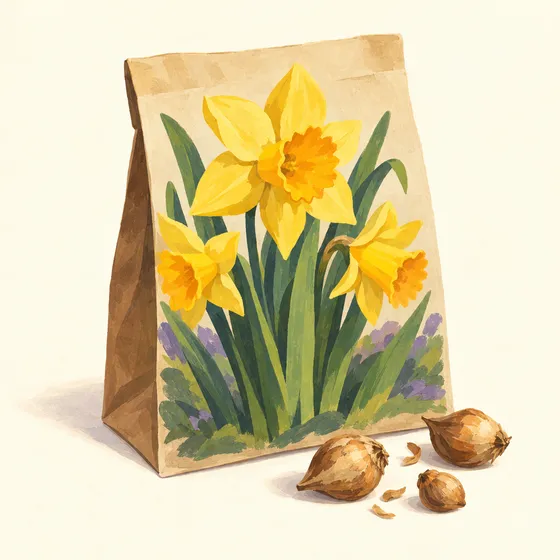 Dutch Master
Picking notes
For cut flowers, pick when the buds are just showing color and bending over on the stem. Daffodil stems ooze a sap that makes other flowers wilt, so stand them in their own jar of water overnight first. After that, rinse them and add them to a mixed vase without recutting the stems, which would start the sap flowing again. The sap can irritate skin, so wear gloves if you cut a lot.
Saving seed for next year
Not worth it for most gardeners. Seed from a named variety won't look like its parent, and seedlings take about 5 years to flower. To get more of a variety you love, divide the clumps.
From garden to table
Grown for spring color, cut flowers and naturalizing in grass and under trees. Daffodils are not food. Every part of the plant is poisonous, the bulb most of all, and the main toxin is an alkaloid called lycorine. People have been made ill after mistaking daffodil bulbs for onions or eating the leaves in place of wild garlic or scallions, so store bulbs well away from the kitchen and label them. The sap can cause an itchy rash, known among bulb pickers as daffodil itch. The ASPCA lists daffodils as toxic to dogs, cats and horses: eating them causes vomiting, drooling and diarrhea, and large amounts can cause tremors, low blood pressure and heart problems. Keep pets from digging up or chewing bulbs.
Questions from the potting bench
Why did my daffodils come up with leaves but no flowers? Usually crowded clumps, too much shade, leaves cut off too early last year, or bulbs planted too shallow. In warm zones it can mean the bulbs didn't get enough winter cold. Narcissus bulb fly is another cause: check for a hollowed bulb.
When can I cut the leaves back? Once they've turned yellow and flopped, about 6 weeks after flowering. Cutting them while green starves next year's flowers.
Can I plant leftover bulbs in spring? Daffodils planted in spring rarely flower that year, and the bulbs weaken in storage. Plant them in fall, even late, as long as you can still dig. If you find a forgotten bag in spring, plant them anyway and hope for flowers the year after.
Are daffodils safe around pets? No. Dogs that dig up and chew bulbs are most at risk. Plant where pets can't dig, and call your vet or a pet poison line if you think your pet has eaten any.
Will daffodils grow in Florida or southern Texas? Most large daffodils fade out in a year or two in zone 9b and warmer. Jonquils and tazettas like paperwhites are the ones that come back there.
Grower reports
How did Daffodils do in your garden? Members rate it and say which zone and month they planted, so everyone can see what works near them.
Recent community discussions
No one has talked about Daffodils yet. Be the first.
Bulbs to try
Affiliate links — shopping through these helps keep Evening Vines free.Essentials for Growing Daffodils
 Grow Bags
Breathable fabric pots: grow almost anything on a patio, balcony or driveway, and roots never circle.
See it →
 Pruning Shears
Sharp bypass pruners for harvesting, deadheading and tidying.
See it →
 Seed Starting Tray
Reusable tray with a clear dome to give seeds a warm, humid start indoors.
See it →
 Garden Kneeler
A kneeling pad that flips into a seat: easier on knees and back.
See it →
 Plant Labels
Waterproof markers so you know what's coming up where.
See it →
 Organic Fertilizer
Slow-release organic plant food for vegetable beds and containers.
See it →
