
Currants
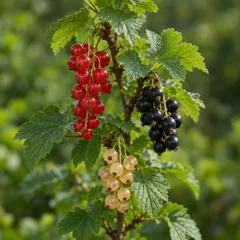
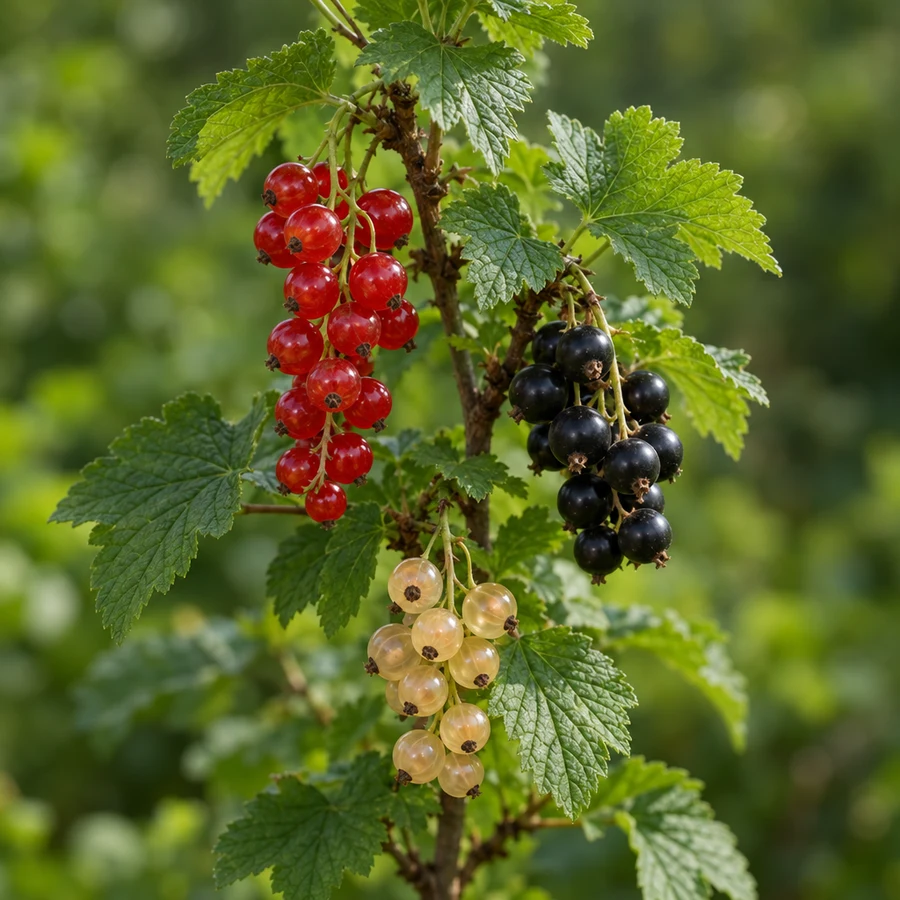
Currants are tough, compact bushes that hang with strings of shiny berries in early to midsummer. Red currants are tart and bright, white currants are milder and sweeter, and black currants have a deep, musky flavor that makes the best jam you'll ever taste. They are some of the hardiest fruit you can grow, happy through prairie and northern winters. Most varieties are self-fertile, so one bush will crop, though three or four bushes feed a family. They don't like hot summers, which makes them a cool-climate fruit: perfect for Canada, the northern US, the UK, Ireland and the cooler corners of Australia.
Recent community discussions
No one has talked about Currants yet. Be the first.
At a glance
| Plant type | Fruit bush |
| Botanical name | Ribes rubrum (red and white currants), Ribes nigrum (black currant), Ribes odoratum (clove currant) |
| Annual or perennial | Deciduous perennial shrub |
| Sun | Full sun for the best crop; red and white currants also fruit in part shade |
| Water | About 1 inch per week; keep the shallow roots evenly moist |
| Spacing | 3 to 5 feet apart (black currants 4 to 6 feet), rows 6 to 8 feet apart; red currant cordons 12 to 16 inches apart |
| Planting depth | 1 to 2 inches deeper than in the nursery pot; black currants about 2 inches deeper |
| Days to germinate | Not grown from seed; start from a nursery bush or a hardwood cutting |
| Days to maturity | 1 to 3 years to first fruit; full crops from about year 4 or 5 |
| Best USDA zones | 3 to 7 (8 with afternoon shade; clove currant 4 to 8) |
| Soil pH | 6.0 to 7.0 |
Is it currants weather where you are? See everything to plant this month or read your zone notes.
Pests to watch for

Diseases

A little history
Black currants are native to northern Europe and northern Asia, and red currants grow wild across northern and western Europe. Red currants were grown in European gardens by the 1500s, and black currants followed in the late 1600s. In Britain, black currants became a wartime crop: during World War II, when oranges were scarce, the government urged growers to plant them for vitamin C, and from 1942 black currant syrup was given free to young children. Settlers brought currants to North America, and by the late 1800s they were common in New England and New York. Then white pine blister rust arrived, a disease that needs both currants and five-needle pines to complete its life cycle. To protect the timber industry, the federal government banned growing currants in the early 1900s. The federal ban ended in 1966 and passed the decision to the states. New York lifted its ban in 2003, and a few states still restrict black currants today.
When to sow in your zone
Currants go in as young bushes, not seeds. They wake up very early in spring, so plant while they are still dormant.
Early spring (all zones): Plant bare-root or potted bushes as soon as the soil can be worked, a few weeks before your last frost. Currants leaf out early, and a bush planted before it breaks bud settles in much better. This is the main time in cold zones and on the Canadian prairies.
Fall (zones 5 to 8): Bushes can also go in after the leaves drop in fall, while the soil is still workable. In cool maritime climates like the UK and Ireland, anywhere from late autumn to early spring works well, as long as the ground isn't frozen or waterlogged.
Southern Australia: Plant dormant bushes in late autumn and winter in cool areas such as Tasmania, the Victorian and New South Wales highlands and the Adelaide Hills.
November in the garden: In zones 5 to 8 there's still time to plant dormant bushes if the soil isn't frozen. It's also a good month to clean up fallen leaves under the bushes, which can carry leaf spot into next year. Pruning waits until late winter.
Growing it, step by step
Choosing plants
Buy healthy one- or two-year-old bushes from a nursery. If you want black currants, pick a rust-resistant variety, and check your state rules first: a few US states still restrict or ban black currants, and some restrict all currants in certain towns. Red and white currants are less prone to rust.
Picking the spot
Currants like cool, moist, well-drained soil. Full sun gives the most fruit in cool climates. Where summers get hot, give them morning sun and afternoon shade; red currants will even fruit against a north-facing wall, though the berries ripen later and a little less sweet. Avoid hot, dry spots and places where water sits after rain. Bloom comes early, so a frost pocket can cost you the crop. Keep black currants well away from white pines.
Preparing the soil
Clear out perennial weeds before you plant, because they are hard to get out of the bush later. Dig in compost. Currants are not fussy about soil, but they do best in slightly acidic to neutral soil around pH 6.0 to 7.0.
Planting
Soak bare-root bushes for a few hours first. Set the bush 1 to 2 inches deeper than it grew in the nursery, about 2 inches for black currants, which helps it send up new shoots from below the soil. After planting black currants, cut all stems down to one or two buds above the ground. It feels harsh, but it gives you strong new shoots. For red and white currants, shorten the shoots by about half instead. Skip chemical fertilizer in the planting hole.
Growing in a pot
Compact black currants such as Ben Sarek and red currants grow happily for a few years in a pot about 18 inches across. Use a loam-based or good potting mix and water often, since pots dry out fast and currant roots hate drying out. Potted bushes are less hardy than ones in the ground; in zones 3 to 5, sink the pot in the soil or move it to an unheated garage for winter.
Water
Currant roots run shallow. Give them about an inch of water a week, more in dry spells and while fruit swells. Water at the base to keep leaves dry.
Mulch
Spread 2 to 4 inches of straw, wood chips or shredded leaves around the bushes and top it up each year. Mulch keeps the roots cool and moist, which currants love, and holds back weeds.
Feeding
A layer of compost or a light feeding of balanced fertilizer in early spring is usually enough. Black currants are hungrier than red and like a little more nitrogen. Too much makes soft, leafy growth that invites mildew.
Keeping it happy
Prune every year in late winter or early spring, while the bushes are dormant.
Red and white currants: These fruit at the base of last year's shoots and on short spurs on older wood. Most fruit comes from 2- and 3-year-old stems. Keep about 9 to 12 stems: three or four each of one-, two- and three-year-old wood. Cut out anything four years or older at the base, plus weak, crossing or low-hanging stems. Aim for an open, goblet shape that lets air and light in.
Black currants: These fruit best on strong young wood from the last year or two. Once a bush is about four years old, cut out up to a third of the oldest, darkest stems at ground level each winter to keep new shoots coming.
Birds: Birds love currants. Throw netting over the bushes as the berries color, or grow them in a fruit cage.
Frost: Currants flower early. If a hard frost is forecast during bloom, cover the bushes overnight with frost cloth.
Trouble in the bed
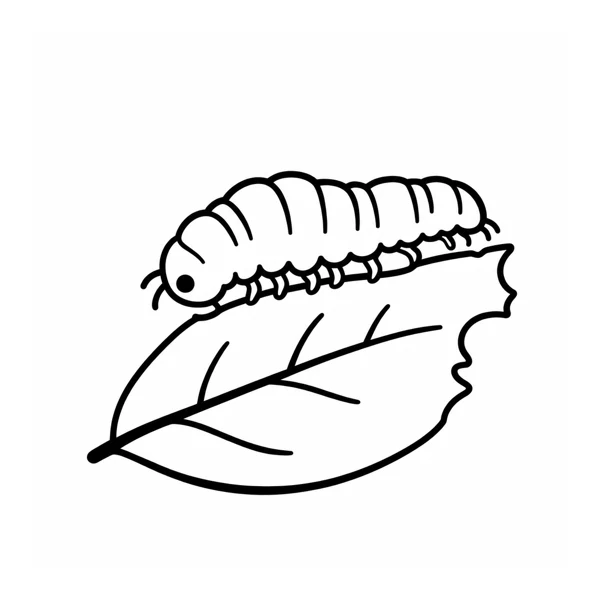
- Imported currantworm (sawfly larvae): Green, black-spotted larvae that can strip a bush of leaves in days in late spring. Check the centers of bushes and leaf undersides from early spring, and pick off or spray the larvae while they're small.
- Currant aphids: Cause red or yellow blistered, puckered leaves in spring. The damage looks bad but rarely harms the crop. Hose them off and let ladybugs do the rest.
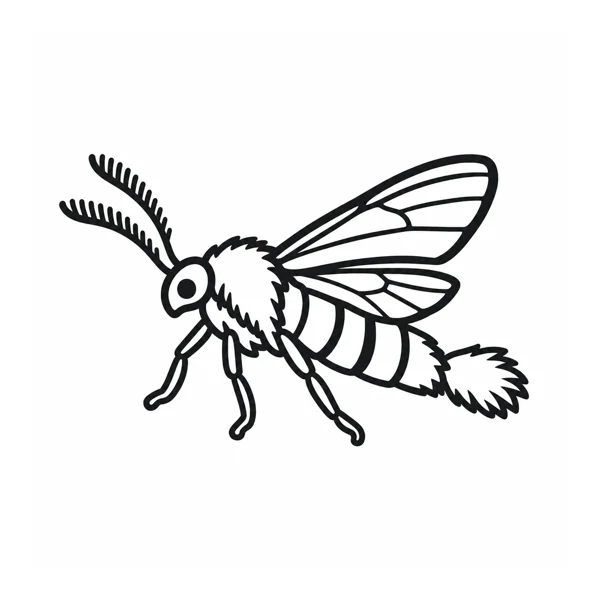
- Currant borer: A clearwing moth larva that tunnels in stems, which then wilt and die. Cut out wilted stems at the base in winter and destroy them.
- Currant fruit fly: Its maggots make berries color and drop early. Pick up fallen fruit, and cover bushes with fine mesh after bloom if it's a problem in your area.
- Powdery mildew: White coating on young leaves and shoots. Choose resistant varieties, prune for air flow, and go easy on nitrogen.
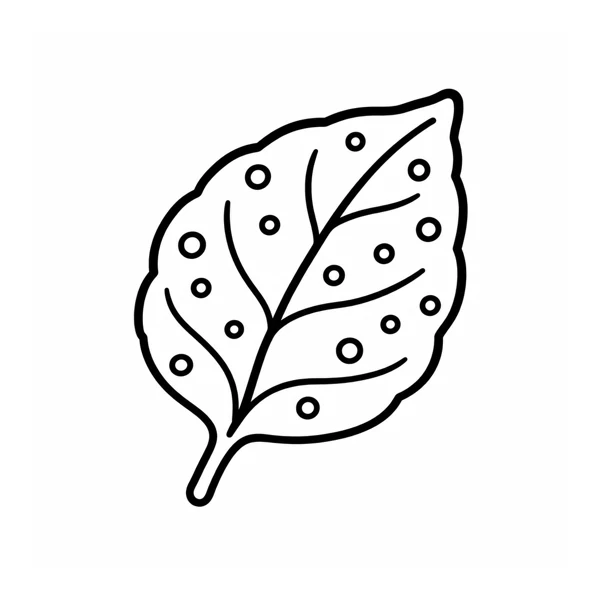
- Leaf spot (anthracnose): Small brown spots, then yellow leaves that drop by midsummer, weakening the bush. Rake up and remove fallen leaves in fall.
- White pine blister rust: Orange spots under currant leaves in summer. It does little harm to the currant but can kill white pines. Grow resistant black currants such as Titania, Consort or Ben Sarek.
- Big bud mite (UK and Ireland): Swollen, round buds on black currants in winter. Pick off and destroy swollen buds; badly infested bushes are best replaced with resistant varieties.
Good neighbors




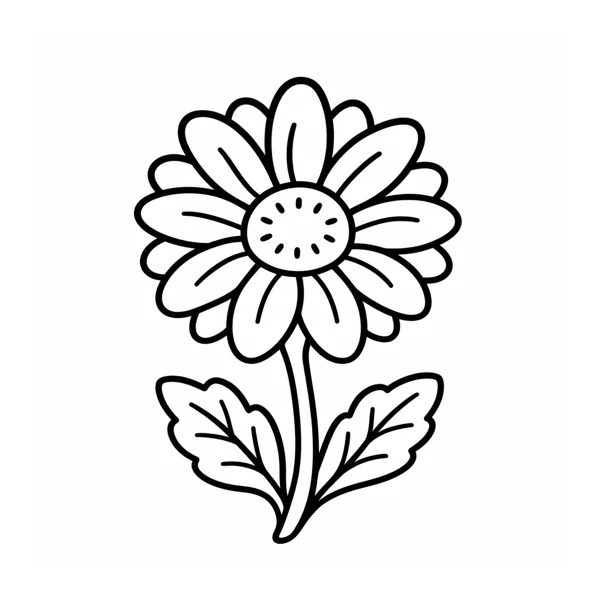
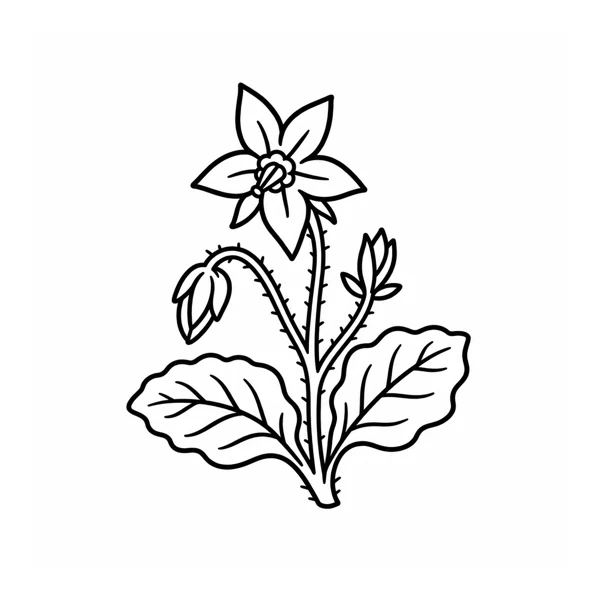
Good: Low, shallow plants that bring in pollinators and pest-eating insects, like chives, garlic, marigolds, nasturtiums, calendula and borage. Early bees are important because currants bloom so early.
Avoid: White pines and other five-needle pines nearby, which share blister rust with currants (black currants most of all). Also avoid thirsty plants crowding the shallow roots, and deep digging under the bushes.
Seeds that grow well in your area in November
Affiliate links — shopping through these helps keep Evening Vines free. Organic Alfalfa
 Organic Wheatgrass
 Purple Coneflower
 Stinging Nettle
Varieties worth growing
Red currants:
- Red Lake: The classic American red. Vigorous and very hardy, with long, easy-to-pick strings of bright red fruit. Prone to mildew. Holds an RHS Award of Garden Merit.
- Rovada: Late-blooming and late-ripening, so it often misses spring frosts. Long strings, heavy crops and good resistance to leaf diseases. An RHS AGM variety and a good choice for the UK and Ireland.
- Jonkheer van Tets: An early, heavy-cropping Dutch variety with sweet fruit on long strings. Holds an RHS Award of Garden Merit.
- Red Cross and Perfection: Older, hardy American reds still sold by some nurseries.
White and pink currants:
- Blanka: Vigorous, easy and heavy yielding, with sweet, pale berries.
- White Imperial: Mild, low-acid fruit for eating fresh; resists mildew.
- Primus: Translucent white berries with a sweet, intense flavor; watch for mildew.
- Pink Champagne: Pretty pink berries with good flavor, but lighter crops.
Black currants:
- Ben Sarek: A compact Scottish variety with large berries and heavy crops, good for small gardens and pots, and highly resistant to blister rust. Suits zones 3 to 7.
- Titania: Large, high-quality fruit, self-fertile, mildew resistant and very resistant to blister rust.
- Consort: A Canadian rust-resistant variety, self-fertile, with smaller berries.
- Ben Connan and Big Ben: Modern RHS AGM varieties with big berries that ripen all at once, so you can pick whole strings. Good in the UK and Ireland.
- Crusader: Rust resistant but not self-fertile, so plant it with another black currant.
For hotter summers (zones 7 to 8, inland Australia):
- Crandall (clove currant): A North American species that handles heat, drought and clay better than other currants. Fragrant yellow spring flowers and sweet, mild black berries. Zones 4 to 8.
Currants plants to buy
Affiliate links — shopping through these helps keep Evening Vines free.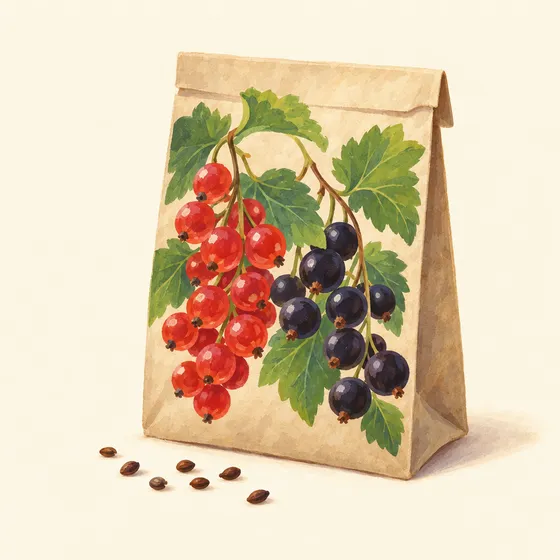 Black CurrantPlants
Picking notes
Currants ripen from early to late summer, depending on the variety, and keep coloring over two to three weeks. Pick red and white currants when fully colored; for jelly, pick when colored but still firm, as they set better. Snip off whole strings (strigs) rather than single berries, then strip them with a fork in the kitchen. Older black currant varieties ripen unevenly and need picking a few at a time, while modern ones ripen together. An established bush gives about 5 to 10 pounds of fruit. Fresh currants keep about two weeks in the fridge, and they freeze very well.
Saving seed for next year
Not practical. Seedlings won't match the parent bush. Instead, take hardwood cuttings: in late fall or winter, cut 8- to 10-inch pieces of this year's wood and push them into the ground so only a couple of buds show. Most will root by the next fall.
From garden to table
Black currants are famous for vitamin C. USDA figures give about 180 mg per 100 grams of raw black currants, over three times the amount in oranges, plus deep purple anthocyanins. Red and white currants have about 40 mg of vitamin C per 100 grams and a good dose of fiber. Red currants make clear, tangy jelly and are lovely scattered over desserts or in summer pudding. Black currants go into jam, syrup, cordial, pies and sauces for meat. White currants are sweet enough to eat straight off the bush.
Questions from the potting bench
Can I grow black currants in my state? In most states, yes, but a few still ban or restrict them because of white pine blister rust. Check with your state department of agriculture or extension office before you buy, and choose a rust-resistant variety.
Do I need two currant bushes? Most currants are self-fertile, so one bush will crop. A second variety can improve yields, and a few black currants such as Crusader need a partner.
Why aren't my currants fruiting well? Usually old wood that hasn't been pruned out, too much shade, a late frost during bloom, or a hot, dry summer. Prune every winter and keep the roots moist and mulched.
Can I grow currants in a warm climate? They struggle. Black currants need a long, cold winter to flower and fruit well, and they don't like summer heat. In zone 8 or warm parts of Australia, try red currants or Crandall clove currant in afternoon shade. Frost-free subtropical areas are not a good fit.
Grower reports
How did Currants do in your garden? Members rate it and say which zone and month they planted, so everyone can see what works near them.
Recent community discussions
No one has talked about Currants yet. Be the first.
Plants to try
Affiliate links — shopping through these helps keep Evening Vines free.Essentials for Growing Currants
 Grow Bags
Breathable fabric pots: grow almost anything on a patio, balcony or driveway, and roots never circle.
See it →
 Organic Fertilizer
Slow-release organic plant food for vegetable beds and containers.
See it →
 Pruning Shears
Sharp bypass pruners for harvesting, deadheading and tidying.
See it →
 Insect Netting
Fine mesh that keeps cabbage worms, flea beetles and birds off your crops, no sprays needed.
See it →
 Soaker Hose
Waters the roots slowly, not the leaves: less disease, less water, less work.
See it →
 Garden Hand Tools
Trowel, transplanter and cultivator: the three tools you reach for most.
See it →
