
Grapefruit
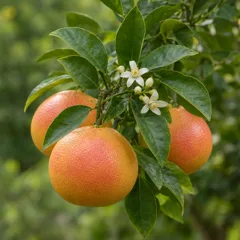
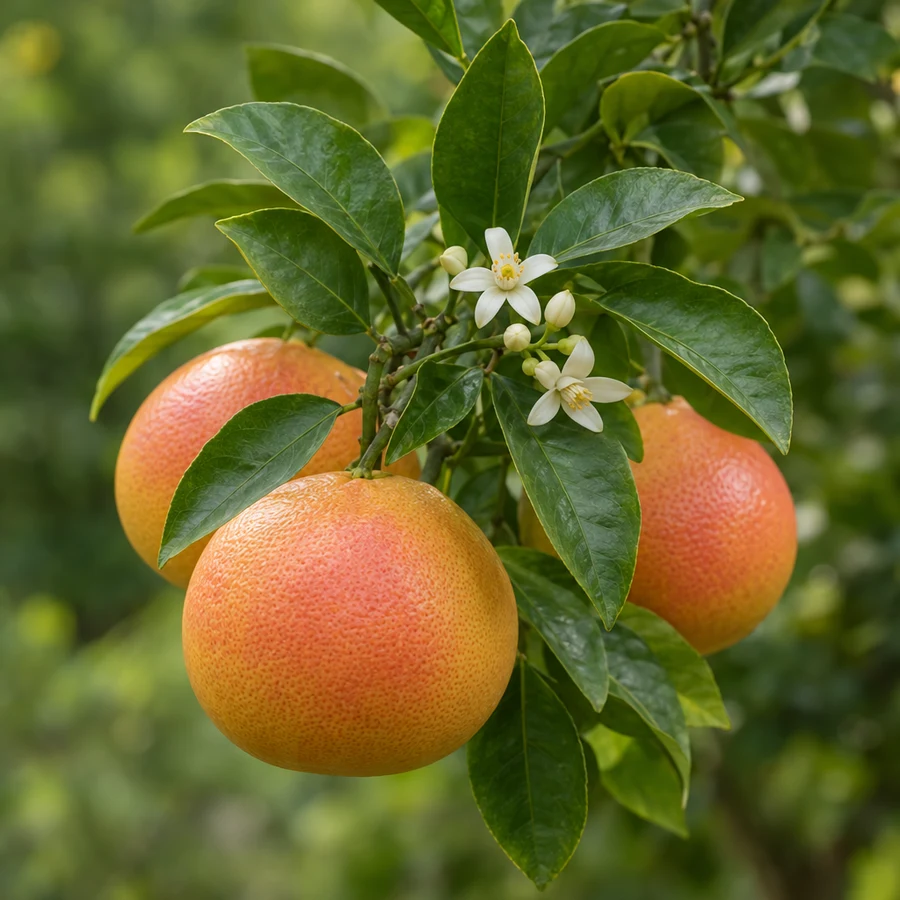
A grapefruit tree is a big, glossy evergreen with sweet-smelling spring flowers and heavy yellow fruit that can hang on the branches for months. One tree is enough, since grapefruit sets fruit without a partner. The catch is heat. Grapefruit needs more summer warmth than almost any other citrus to turn sweet. In hot places like Florida, south Texas, the Arizona desert, inland California and much of warm Australia, it does beautifully. Near a cool coast, or in a pot in a cooler country, you can still grow one, but expect tarter fruit and a long wait.
Recent community discussions
No one has talked about Grapefruit yet. Be the first.
At a glance
| Plant type | Fruit tree (evergreen citrus) |
| Botanical name | Citrus × paradisi (the RHS now lists it as Citrus × aurantium Grapefruit Group) |
| Annual or perennial | Evergreen perennial |
| Sun | Full sun, 8 hours or more |
| Water | Deep, regular watering; let the top few inches dry between soaks |
| Spacing | 12 to 15 feet between trees, and at least 12 feet from buildings and walkways; 8 to 10 feet on a dwarfing rootstock |
| Planting depth | Same depth as in the nursery pot, with the graft union well above the soil |
| Days to germinate | Not grown from seed; start from a grafted nursery tree |
| Days to maturity | 3 to 4 years to the first real crop; fruit takes about 8 to 12 months from flower to ripe (up to 18 months in cool summers) |
| Best USDA zones | 9b to 11 outdoors (9a with winter protection); in a pot brought indoors anywhere colder |
| Soil pH | 6.0 to 7.5 |
Is it grapefruit weather where you are? See everything to plant this month or read your zone notes.
Pests to watch for

Diseases

A little history
The grapefruit is a young fruit, and it was born in the Caribbean, not Asia. It's a cross between the pummelo and the sweet orange, both of which had been carried to the West Indies. Whether the cross happened by chance or by a farmer's hand, nobody knows. A clergyman, Griffith Hughes, described a "forbidden fruit" on Barbados in 1750, and by 1814 a book on the plants of Jamaica was calling it grapefruit. The name may come from the way the fruit hangs in clusters, like grapes. In the early 1800s Odet Philippe planted seeds at Safety Harbor, near Tampa, and shared seedlings with his neighbors, which started Florida's grapefruit. The red grapefruit came later, from Texas. Ruby Red turned up in 1929 as a natural sport, a branch that changed on its own, on a tree near McAllen. Red grapefruit is now the state fruit of Texas.
When to sow in your zone
Grapefruit goes in as a young grafted tree, never a seed.
Spring (all zones): Plant once the danger of frost has passed. A young tree is at its most tender in its first winters, so a full warm season to root before cold weather matters, especially in zone 9.
Early fall (zones 10 and 11): Where frost is rare, early fall planting works too, while the soil is still warm. In zone 9, stick with spring.
In a pot (cold zones, UK, Ireland and Canada): Pot up a new tree in spring and keep it indoors until nights stay warm, often not until early summer. Move it outside to a sunny, sheltered spot for summer, then bring it in as soon as autumn nights start to cool. The RHS advises keeping grapefruit above about 50°F in winter, so it needs a heated greenhouse, a conservatory or a bright room.
November in the garden: In Florida and south Texas, November is when the first grapefruit are ready to taste, though most get sweeter if you leave them on into winter. In zone 9, have frost cloth ready for cold snaps. In colder zones, potted trees should already be inside in their brightest window.
Growing it, step by step
Starting a New Tree
Buy a young grafted tree of a named variety. Grafted trees bear in a few years, while seedlings can take many more and grow thorny. If you live in Florida, Texas, California, Arizona, Louisiana or another citrus state, buy from a certified local nursery. Several states restrict moving citrus trees, cuttings and leafy clippings because of citrus greening and citrus canker, so don't carry trees or budwood across state lines.
Picking the Spot
Give it the sunniest, warmest place you have. On the cooler edge of its range, the south or southeast side of the house gives the most winter shelter. Grapefruit wants loamy, free-draining soil. Heavy clay and spots where water sits after rain lead to root rot and a short-lived tree. Leave room: a grown tree on a standard rootstock gets big and wide.
Planting
Dig a hole as deep as the root ball and two to three times as wide. Set the tree at the same depth it grew in the pot, keeping the graft union, the knobby line low on the trunk, well above the soil. Backfill with the soil you dug out. Texas extension advice is not to mix compost, peat or topsoil into the hole. If the tree was grown in a soilless mix, gently hose about an inch of mix off the outside of the root ball so the outer roots meet real soil.
Growing in a Pot
A grapefruit in a pot stays far smaller than one in the ground. Start in a pot about 12 to 14 inches across and move up a size every couple of years. Use a citrus mix or a soil-based mix with about a fifth sharp sand or grit for drainage, and raise the pot on feet. Indoors, give it your brightest window and a room that stays above 50°F. A tree that's too dark and too warm in winter drops leaves.
Water
Water a new tree every few days for the first few weeks. Then stretch it to about once a week, and later every 10 days or so, depending on heat and soil. Water deeply and slowly, then let the top few inches dry before the next soak. Steady water matters most while the tree is flowering and setting fruit, and in late summer dry spells. Potted trees dry out fast in summer heat and need much less water in winter. Never leave a pot sitting in a saucer of water.
Mulch
Citrus is prone to a rot at the base of the trunk, so keep the area right around the trunk bare and dry. Texas extension advises against mulching citrus at all. If you do mulch, keep it a thin layer and pull it at least a foot back from the trunk. Keep grass and weeds out of the ring under the tree.
Feeding
Wait until a new tree starts its spring growth before feeding, and never put fertilizer in the planting hole. Use a citrus fertilizer with micronutrients, split into a few feedings from late winter through summer, and spread it over an area about twice the width of the canopy. Stop feeding by late summer so new growth isn't caught by frost. Potted trees need regular feeding because watering washes nutrients out. The RHS suggests a high-nitrogen summer citrus feed from late March to October and a more balanced winter feed for the rest of the year.
Keeping it happy
Grapefruit needs little pruning. Take out dead wood, branches that cross, and any shoots coming from below the graft, which belong to the rootstock and will take over if you let them. Do any shaping in late winter or early spring, around flowering. Pruning in fall pushes out soft new growth that frost can kill. Pick off any fruit in the first two years so the young tree puts its energy into roots and branches.
Grapefruit and sweet oranges are about equally hardy. They're tougher than lemons and limes, but more tender than mandarins and satsumas. Large branches are usually damaged in the low to mid 20s °F, and the fruit itself can freeze at 26 to 28°F if the cold lasts several hours. The thick peel helps a little. On a cold night, water the soil the day before, cover the tree to the ground with frost cloth, and add warmth underneath with old-style incandescent string lights. Damage to big limbs may not show for a few months, so wait until spring growth starts before cutting anything back.
Trouble in the bed
- Scale insects and mealybugs: Sap-suckers on stems and the undersides of leaves, often leaving sticky honeydew and black sooty mold. Very common on indoor trees. Wipe them off, or use horticultural oil on young scale.
- Aphids: Cluster on soft new shoots in spring. Wash them off with water or use insecticidal soap.
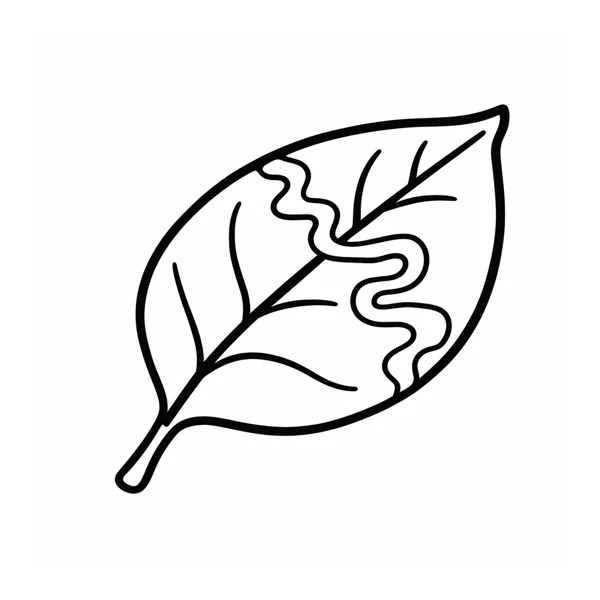
- Citrus leafminer: Tiny larvae make silvery, winding trails in new leaves and curl them. Older trees shrug it off. On young trees, avoid feeding late in the season, which pushes out the soft flushes they target.
- Mites: Red spider mite mottles leaves indoors and in dry heat. Rust mites bronze the fruit skin in Florida. Mist indoor trees and check leaf undersides.
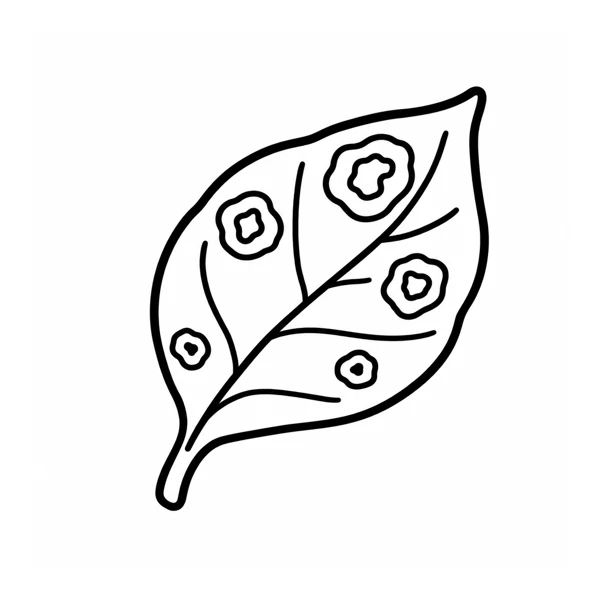
- Citrus canker: A bacterial disease that causes raised, corky spots ringed in yellow on leaves, twigs and fruit. Grapefruit is one of the most susceptible citrus. It's a regulated disease in Florida and some other states; report suspect trees to your extension office.
- Citrus greening (HLB): Spread by the Asian citrus psyllid in the southern US. Leaves turn blotchy yellow and fruit stays small, green and bitter. There's no cure, so buy only certified, disease-free trees and follow your state's quarantine rules.
- Foot rot and root rot: A soil fungus that rots bark at the base of the trunk and the roots, worst in wet soil. Keep the trunk dry, plant high, and don't pile mulch or soil against it.
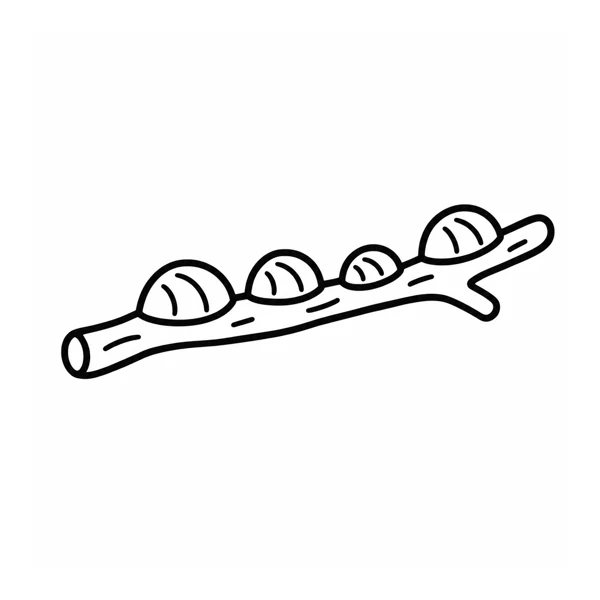
- In Australia: Watch for Queensland fruit fly, bronze orange bug and citrus gall wasp, which makes woody swellings on twigs. Cut and destroy galls before spring.
Good neighbors



Good: Low flowers and herbs that draw in hoverflies, lacewings and parasitic wasps, the insects that eat aphids and scale. Try sweet alyssum, marigolds, nasturtiums, borage and chives, planted out near the edge of the canopy rather than against the trunk. Other citrus, like lemon, orange and lime, share the same care if you want a small citrus corner.
Avoid: Lawn grass and thirsty bedding right up to the trunk. They compete for water and feeding, and constant sprinkler water on the trunk invites foot rot.
Seeds that grow well in your area in November
Affiliate links — shopping through these helps keep Evening Vines free. Purple Coneflower
 Stinging Nettle
 Smooth Blue Aster
 Polka Dot Mix
Varieties worth growing
A note on seeds and flavor: grapefruit is self-fertile, so one tree crops alone. The red and pink varieties need the most heat to color up and sweeten. In cool summers, a white grapefruit or the sweeter Oroblanco is the better bet.
Red and pink grapefruit (hot summers: Florida, Texas, Arizona, inland California, warm Australia):
- Rio Red: Found in Texas in 1976 and released in 1984, from the same Texas breeding work as Star Ruby. Deep red flesh that holds its color, a good sweet-tart balance, and usually few seeds. The fruit can stay on the tree into late spring. In stores, Rio Red and Star Ruby are both sold as Rio Star.
- Star Ruby: The darkest red flesh of any grapefruit, thin peel, and often called the sweetest. The tree is smaller and fussier, and more prone to root rot and frost. Widely sold in Australia.
- Ruby Red (Redblush): The original Texas red from 1929. Pink flesh that fades toward buff as the season goes on, few seeds, and a big, productive tree.
- Flame: A 1987 release from Texas red stock, with even, intense red flesh and a smooth yellow peel, often blushed pink.
White grapefruit (more forgiving of heat shortfalls):
- Marsh: The classic nearly seedless white grapefruit, from Florida before 1862. Holds a long time on the tree. In the Sydney area, NSW advice is to leave it hanging into spring for a sweeter fruit.
- Duncan: The old Florida grapefruit, seedy but with rich, balanced flavor, and a little more cold-hardy than Marsh. Good for juice.
Grapefruit-type hybrids for cooler summers (coastal California, and pots in the UK, Ireland and Canada):
- Oroblanco: A University of California cross of pummelo and grapefruit. Always seedless, sweeter and less acidic than a white grapefruit, and the best choice where summers are cool.
- Melogold: From the same cross, with bigger, milder, more pummelo-like fruit.
For cold zones and short seasons: No grapefruit is hardy outdoors in Canada, most of the UK and Ireland, or the colder US. Grow any of the above in a large pot that winters indoors. Dwarf trees grafted onto Flying Dragon rootstock stay small enough for a container. Expect fruit to ripen slowly, often 12 months or more.
Picking notes
In Florida and Texas, grapefruit is ready to taste from about late October or November, and the best eating runs from Thanksgiving through winter. In Arizona and inland California, Rio Red and Marsh hold well on the tree into spring. In Australia, the main season runs from late autumn into spring. Color isn't a reliable guide, since ripe fruit can still have a green tinge. Grapefruit doesn't ripen any further after picking, so pick one and taste it. Most varieties get sweeter and less acidic the longer they hang, so the tree is your best storage. Clip fruit off with a short stem rather than pulling it. Picked fruit keeps several weeks somewhere cool and airy, or longer in the fridge.
Saving seed for next year
Not worth it for most gardeners. Grapefruit seeds are unusual: one seed can sprout several seedlings, and most are near-copies of the mother tree. But seedlings are thorny, slow, and can take many years to bear, and they lack the disease resistance of a good rootstock. In citrus states, quarantine rules also make home propagation tricky. Buy a certified grafted tree instead.
From garden to table
Grapefruit is low in calories and rich in vitamin C, with roughly 30 mg per 100 grams, a little less than half a medium fruit. Pink and red varieties also carry beta-carotene and lycopene, the pigments that give them their color. Eat it halved with a grapefruit spoon, broil it with a little brown sugar, juice it, toss segments in salads, or make marmalade and candied peel. Much of the bitterness sits in the white pith and the segment walls, so cutting segments free makes it milder.
An important warning: grapefruit and its juice can change how some medicines work. Compounds in the fruit block enzymes the body uses to break down certain drugs, including some statins, blood pressure drugs and transplant medicines, so too much of the drug can build up in the blood. The FDA says to check your medicine's label or ask a pharmacist before eating grapefruit if you take regular medication. Pummelos and Oroblanco carry the same compounds. Citrus peel and leaves can also upset the stomachs of dogs and cats.
Questions from the potting bench
Why is my homegrown grapefruit so sour? Not enough heat, or it was picked too early. Grapefruit needs long, hot summers to sweeten. Leave fruit on the tree longer, often well into winter or spring. In cool coastal areas, Oroblanco is a sweeter choice.
Do I need two grapefruit trees? No. Grapefruit is self-fertile, so one tree will crop on its own.
Can I grow grapefruit in the UK, Ireland or Canada? Yes, in a large pot. Keep it outside in summer and in a bright spot above 50°F in winter. It's slow, and the fruit can take a year or more to ripen, but the flowers and leaves alone make it worth growing.
How cold can a grapefruit tree take? About as much as a sweet orange. Fruit can freeze at 26 to 28°F over several hours, and large branches are usually damaged in the low to mid 20s °F. Cover the tree on frosty nights.
Can I eat grapefruit if I take medication? Check first. Grapefruit interacts with a number of common medicines. Ask your pharmacist or read your medicine's leaflet.
Grower reports
How did Grapefruit do in your garden? Members rate it and say which zone and month they planted, so everyone can see what works near them.
Recent community discussions
No one has talked about Grapefruit yet. Be the first.
Essentials for Growing Grapefruit
 Grow Bags
Breathable fabric pots: grow almost anything on a patio, balcony or driveway, and roots never circle.
See it →
 Organic Fertilizer
Slow-release organic plant food for vegetable beds and containers.
See it →
 Pruning Shears
Sharp bypass pruners for harvesting, deadheading and tidying.
See it →
 Insect Netting
Fine mesh that keeps cabbage worms, flea beetles and birds off your crops, no sprays needed.
See it →
 Soaker Hose
Waters the roots slowly, not the leaves: less disease, less water, less work.
See it →
 Garden Hand Tools
Trowel, transplanter and cultivator: the three tools you reach for most.
See it →
