
Fenugreek
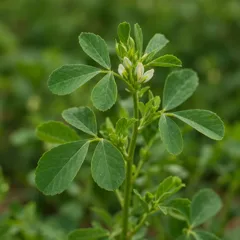
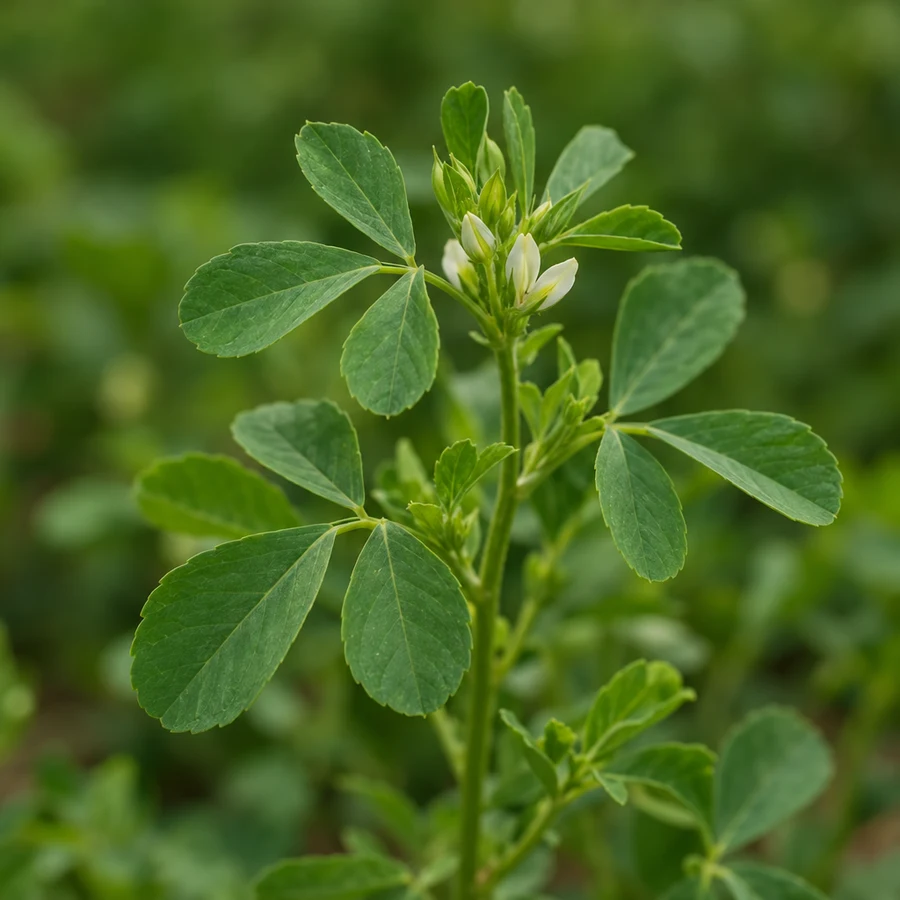
Fenugreek is the herb behind the warm, maple-like smell of many curries. It's a small, upright plant, 1 to 2 feet tall, with soft three-part leaves that look a lot like clover. The leaves, called methi in Indian cooking, are eaten fresh or dried. Later the plant makes thin, pointed pods packed with hard, golden-brown seeds, the spice you buy in jars.
It's one of the quickest herbs you can grow. Seed sprouts in days, and you can cut leaves in about a month. It takes poor, dry soil better than most herbs, and as a legume it adds nitrogen to the bed as it grows. If you only want leaves, a pot on a sunny step is enough.
Recent community discussions
No one has talked about Fenugreek yet. Be the first.
At a glance
| Plant type | Herb (annual legume) |
| Botanical name | Trigonella foenum-graecum |
| Annual or perennial | Annual |
| Sun | Full sun, 6 hours or more |
| Water | Moderate; let the top inch dry between waterings |
| Spacing | 2 to 3 inches for leaves; 4 to 6 inches, rows 12 inches apart, for seed |
| Planting depth | 1/4 to 1/2 inch |
| Days to germinate | 3 to 7 |
| Days to maturity | About 30 to 40 days for leaves; about 100 to 120 days for dry seed |
| Best USDA zones | 3 to 11 as an annual: a spring and early-summer crop in most zones, a fall-to-spring crop in zones 9 to 11 |
| Soil pH | 6.0 to 7.5 |
Is it fenugreek weather where you are? See everything to plant this month or read your zone notes.



A little history
Fenugreek comes from the eastern Mediterranean and western Asia. Charred seeds from Tell Halal in Iraq have been dated to about 4000 BC, and seeds were also found in the tomb of Tutankhamun in Egypt. Roman writers listed it with clover and vetch as a crop to feed cattle, and Romans also flavored wine with it. The name comes from the Latin faenum graecum, meaning "Greek hay." Today India grows most of the world's fenugreek, much of it in Rajasthan, and Canadian researchers in Alberta have bred varieties for prairie farms.
When to sow in your zone
Spring: Sow outdoors from about 2 weeks before your last frost to a few weeks after, once the soil can be worked and has warmed a little. Seedlings put up with a light frost, but a hard freeze will set them back. For leaves, sow a short row every 2 to 3 weeks into early summer. For seed, sow early, as the pods need a long warm spell to ripen.
Late summer: Sow again 6 to 8 weeks before your first fall frost for a crop of leaves in the cooler weather.
Mild winters (zones 9 to 11): Fenugreek is a cool-season crop here, as it is in India. Sow from October through February for leaves through winter and seed by late spring. Summer heat makes the leaves bitter and the plants flower fast.
Short seasons: In zones 3 and 4, leaves are easy, but dry seed only ripens in a long, warm, dry summer. Sow as early as the soil allows if you want seed.
Growing it, step by step
Picking the spot
Choose full sun and loose, well-drained soil. Fenugreek hates wet feet, so avoid low spots where water sits after rain. Average or even poor soil is fine.
Sowing
Fenugreek doesn't like being moved, so sow it where it will grow. Soak the seed overnight to speed it up, then sow 1/4 to 1/2 inch deep. For leaves, scatter it thickly, 2 to 3 inches apart, in a wide band. For seed, thin plants to 4 to 6 inches apart in rows about 12 inches apart.
Growing in a pot
A pot or trough 6 to 8 inches deep is plenty for a leaf crop. Use free-draining potting mix and sow thickly. A sunny windowsill works too.
Water
Keep the soil moist until the seedlings are up, then water when the top inch is dry. Too much water causes root rot. Once pods start to dry, stop watering.
Feeding
Skip the nitrogen. Like peas and beans, fenugreek works with soil bacteria to make its own. A little compost at sowing time is enough. In a new bed that has never grown legumes, you can coat the seed with an alfalfa-type inoculant, which uses the same bacteria.
Keeping it happy
Keep young plants weeded, as they're slender and easily crowded out. Plants grown for seed may flop as the pods fill. Short twiggy sticks or planting a little closer together lets them hold each other up. Pull up spent plants after harvest, or dig them in, since the roots add nitrogen to the soil.
Trouble in the bed
- Aphids: They cluster on tips and young pods. Spray them off with water or use insecticidal soap.
- Root rot: The main problem in heavy or wet soil. Plants yellow, wilt and die. Sow in well-drained soil and don't overwater.
- Powdery mildew: A white dust on the leaves, mostly late in the season. Give plants room for air and water at the base.
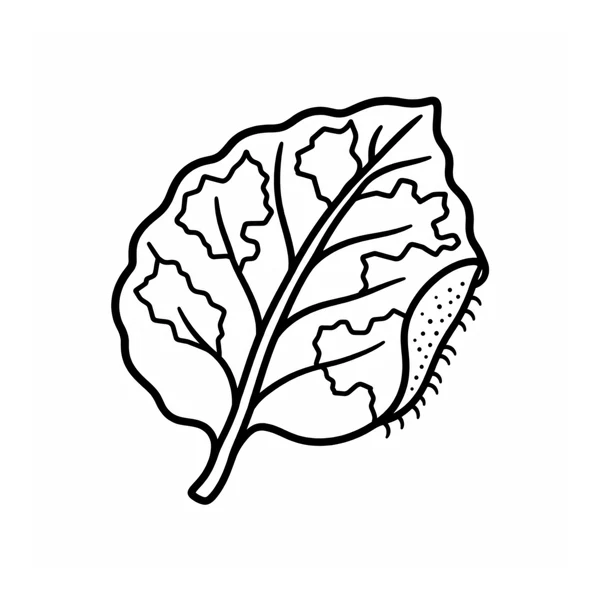
- Downy mildew: Yellow patches on top of the leaves with gray fuzz beneath, worst in cool, damp weather. Thin crowded plants and pull out badly affected ones.
- Slugs: They'll mow down seedlings in damp weather. Hand-pick at dusk or use iron phosphate bait.
Good neighbors



Grows happily beside: Spinach, lettuce, cilantro and radishes. They like the same cool-season timing and can share a bed of quick crops. Fenugreek also fits well before or after heavy feeders like cabbage or corn, which use the nitrogen it leaves behind.
Give these a bed of their own: Onions, garlic and chives are often said to slow down legumes like peas, and fenugreek is a legume too. Keep tall, sprawling plants away as well, because fenugreek needs full sun and won't grow well in shade.
Seeds that grow well in your area in November
Affiliate links — shopping through these helps keep Evening Vines free. Royal Mix
 Johnny Jump Up
 Organic Cat Grass
 Arugula Microgreens
Varieties worth growing
Most fenugreek sold to home gardeners is simply labeled fenugreek or methi. A few named types are worth knowing:
- Common methi: The standard leaf-and-seed type found in garden centers and Indian grocery stores. Seed from a grocery store packet usually grows fine.
- Pusa Early Bunching: An Indian leaf variety, quick to give a bunch of leaves and good for repeat cuttings in mild-winter and hot areas.
- Kasuri methi: Smaller, very fragrant leaves that are usually dried. It's slow to flower, so it gives several cuttings. Strictly speaking, much Kasuri seed is a close relative, Trigonella corniculata, but it's grown the same way.
Canadian research varieties bred in Alberta are grown as farm crops on the prairies, but they aren't sold in garden packets. In zones 3 and 4, ordinary methi seed sown early does fine for leaves.
For cool maritime summers like those in the UK and Ireland, grow fenugreek for leaves rather than seed, since dry, ripe seed needs a warm, dry end of summer.
Picking notes
Leaves: Start cutting when the plants are 4 to 6 inches tall, about 3 to 5 weeks after sowing. Snip stems an inch above the soil and many will sprout again for a second cut. Leaves taste best before the plants flower. You can also pull whole young plants.
Microgreens: Sow thickly in a tray and cut the shoots after about 1 to 2 weeks.
Seed: Leave plants until the pods turn yellow-brown and dry, about 3 to 4 months from sowing. Pull up the whole plants before the pods split, hang them in a dry, airy place for a week or two, then thresh the pods in a bag and sift out the seed.
Saving seed for next year
Easy. Fenugreek flowers mostly pollinate themselves, so seed comes true. Save seed from the healthiest plants, dry it well, and store it in a sealed jar somewhere cool and dark. It keeps for several years.
From garden to table
The seeds are high in protein, fiber and iron. USDA figures for fenugreek seed are about 23 grams of protein, 25 grams of fiber and 34 mg of iron per 100 grams, though you only use a spoonful at a time. Toast the seed lightly before grinding to soften its bitterness, then use it in curries, spice blends, pickles and breads. Use fresh leaves in dal, potatoes and flatbreads, and dry them for winter. Sprouted seed is crunchy and slightly bitter in salads.
A few cautions. Fenugreek is safe in food amounts, but large amounts, such as supplements, are not considered safe in pregnancy. Some people are allergic to it, including some with peanut or chickpea allergies. It may lower blood sugar, so people on diabetes medicine should talk to a doctor before taking it in medicinal amounts. Eating a lot of it can make your sweat and urine smell of maple syrup, which is harmless.
Questions from the potting bench
Can I grow fenugreek from grocery store seeds? Usually, yes. Whole seed sold as a spice is often still alive. Sow a pinch on damp paper first to check it sprouts.
Why is my fenugreek turning yellow? Most often too much water or heavy soil. Let the soil dry a little between waterings. Old plants also yellow naturally as the pods ripen.
Can I grow fenugreek indoors? Yes, for leaves or microgreens. Give it a sunny window or a grow light and a shallow pot of free-draining mix.
Why are my fenugreek leaves bitter? The plants are flowering or it's too hot. Cut leaves young and sow in the cooler parts of the year.
Grower reports
How did Fenugreek do in your garden? Members rate it and say which zone and month they planted, so everyone can see what works near them.
Recent community discussions
No one has talked about Fenugreek yet. Be the first.
Essentials for Growing Fenugreek
 Grow Bags
Breathable fabric pots: grow almost anything on a patio, balcony or driveway, and roots never circle.
See it →
 Seed Starting Tray
Reusable tray with a clear dome to give seeds a warm, humid start indoors.
See it →
 LED Grow Light
Full-spectrum light for sturdy seedlings through short winter days.
See it →
 Pruning Shears
Sharp bypass pruners for harvesting, deadheading and tidying.
See it →
 Watering Can
Long-spout can for gentle watering of seedlings and pots.
See it →
 Organic Fertilizer
Slow-release organic plant food for vegetable beds and containers.
See it →
