
Roses

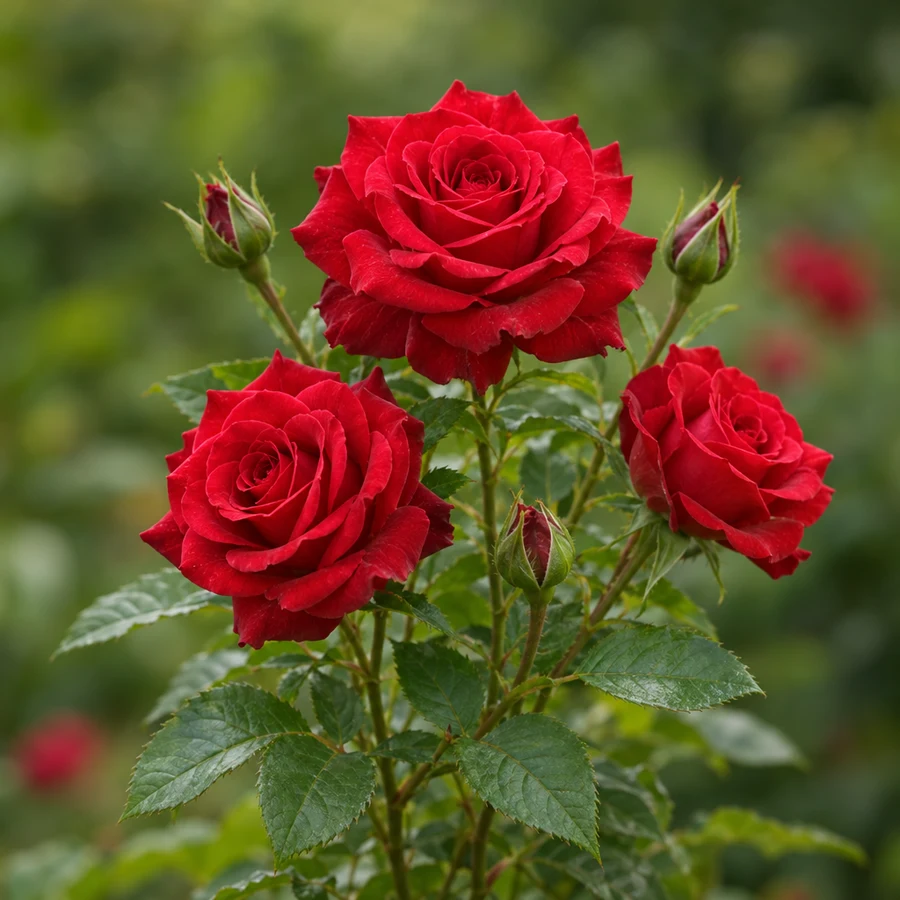
A rose bush is a long-term friend. Plant one well and it can flower for twenty years or more, starting in late spring and, with many modern kinds, coming back in flushes until fall. There's a rose for almost every garden: tough shrub roses that shrug off a prairie winter, climbers for a fence or an arch, compact patio roses for a pot, and the classic long-stemmed hybrid teas for cutting. The basics are the same for all of them. Give a rose sun, good soil that drains, steady water at the roots and room for air to move, and pick a variety that suits your climate. That last part matters most. A rose bred for your weather will stay healthy with far less fuss.
Recent community discussions
No one has talked about Roses yet. Be the first.
At a glance
| Plant type | Flower (woody shrub or climber) |
| Botanical name | Rosa spp. |
| Annual or perennial | Deciduous perennial shrub |
| Sun | Full sun, 6 hours or more (morning sun is best) |
| Water | About 1 inch per week, given as one or two deep soaks at the base |
| Spacing | 2 to 3 feet for hybrid teas and floribundas; 3 to 5 feet for shrub roses; 8 to 10 feet apart for climbers on a fence; 12 to 18 inches for miniatures |
| Planting depth | Graft union at soil level in mild zones; 2 to 4 inches below the soil in zones 5 and colder. Own-root roses at the same depth they grew in the pot |
| Days to germinate | Rarely grown from seed. Seed needs about 2 to 3 months of cold, damp storage first, then sprouts slowly and unevenly over weeks to months |
| Days to maturity | Potted and bare-root roses usually flower the first summer; about 2 to 3 years to reach full size |
| Best USDA zones | 3 to 10, by type (hardy shrub and rugosa roses 3 to 8; hybrid teas 5 to 9, or 10 to 11 on the right rootstock) |
| Soil pH | 6.0 to 6.5 (6.0 to 7.0 is fine) |
Is it roses weather where you are? See everything to plant this month or read your zone notes.
Pests to watch for


Diseases

A little history
Roses are an old plant family. Fossil rose leaves found at Florissant in Colorado are about 34 million years old. People have grown roses for thousands of years in China, Persia and around the Mediterranean, for perfume, medicine and beauty, and the Romans grew them in huge numbers for garlands and banquets. Most old European roses flowered once a year. That changed in the late 1700s and early 1800s, when repeat-flowering China roses reached Europe and were crossed with the old kinds. In the early 1800s Empress Joséphine gathered a famous collection at her garden at Malmaison, near Paris, which helped spark a breeding boom. 'La France', bred in France in 1867, is usually counted as the first hybrid tea. During the Second World War, people in Britain picked wild rose hips by the ton to make a vitamin C syrup for children. The rose is the national flower of the United States and of England.
When to sow in your zone
Roses go in as plants, not seeds. You'll find two kinds for sale: bare-root roses (dormant plants with no soil, sold in late winter and early spring) and potted roses (sold in leaf through spring and summer).
Late winter to early spring (all zones): Plant bare-root roses while they're still dormant, from the time the soil can be worked until a few weeks before your last frost. Soak the roots in a bucket of water for a few hours to overnight first.
Spring and early summer (all zones): Plant potted roses once the danger of hard frost has passed. They can go in through summer too, but they'll need more watering in the heat.
Early fall (zones 5 to 8): Potted roses can go in from about 6 weeks to 2 weeks before your first fall frost, so the roots settle well before the ground freezes. In zones 4 and colder, stick to spring.
Late fall and winter (zones 8 to 11): Mild areas are bare-root country. Plant dormant roses from November into February, while the weather is cool and the soil isn't frozen. In the UK and Ireland, bare-root roses go in from late fall through early spring whenever the ground isn't frozen or waterlogged.
This month (November): In zones 5 and colder, wait until the soil starts to freeze, then mound 10 to 12 inches of soil or compost over the base of grafted and tender roses to protect the graft (see Care and Maintenance). Tie in long climber canes so winter wind doesn't whip them. In zones 6 and 7, rake up fallen leaves and stop deadheading so the plant can harden off. In zones 8 to 11, bare-root season is starting: plant dormant roses as they arrive, or order now for winter planting, and dig and improve the bed while the soil is workable.
Growing it, step by step
Choosing a Rose
Start with the climate. In cold zones, choose hardy shrub roses, rugosas, or own-root roses, which come back true from the roots if the top dies. In humid, rainy areas, look for roses sold as resistant to black spot. In hot, humid places like Florida and the Gulf Coast, old China and tea roses do well, and grafted roses are often sold on Fortuniana rootstock, which copes with sandy soil and nematodes.
Picking the Spot
Give roses at least 6 hours of direct sun. Morning sun is the most useful, because it dries dew off the leaves early and cuts down on leaf diseases. Keep them away from big trees and hedges that steal water and shade them. Avoid planting where roses grew before: old rose beds can carry replant disease, which stunts new plants. If you must reuse the spot, the RHS suggests swapping out the soil about 18 inches deep and wide.
Planting
Dig a hole wide enough to spread the roots out, about 18 inches across and as deep, and mix compost into the soil you took out. For a bare-root rose, make a cone of soil in the bottom and spread the roots over it. Set the graft union, the knobby bump where the rose was joined to its rootstock, at the right depth for your zone. In mild zones, set it at soil level, which the RHS recommends because burying it is linked to dieback. In zones 5 and colder, set it 2 to 4 inches below the surface so the buried buds survive a hard winter. Fill in, firm gently, and water slowly until the hole is soaked.
Growing in a Pot
Patio, miniature and smaller shrub roses do well in containers. Use a pot at least 15 inches across and as deep (bigger for full-size roses), with drainage holes and a good potting mix. Potted roses dry out fast, so check them daily in summer. In zones 6 and colder, move pots into an unheated garage or shed for winter once the plant is dormant.
Water
Aim for about an inch of water a week, more in hot, dry weather and sandy soil. A deep soak once or twice a week is better than a little every day. Water at the base, not over the leaves, and water in the morning. Wet leaves overnight invite black spot and mildew. New roses need steady watering for their first two summers.
Mulch
Spread 2 to 3 inches of mulch over the root zone in spring, keeping it a few inches from the canes. It holds moisture, keeps roots cool, and stops rain splashing disease spores up onto the leaves.
Feeding
Feed when new leaves appear in spring, using a balanced or rose fertilizer, or a top dressing of compost. Repeat-flowering roses can have a second feeding after the first flush of flowers. Stop feeding about 6 to 8 weeks before your first fall frost, so soft new growth doesn't get caught by the cold. Newly planted roses need little fertilizer in their first few months.
Keeping it happy
Pruning: Prune most roses in late winter or early spring, as the buds start to swell. A handy cue in many areas is when the forsythia blooms. In mild zones that can be February; in cold zones it's often April. In frost-free areas, prune in January or February. First cut out anything dead, damaged, thin or crossing, cutting back to healthy wood with a white or pale green center. Then shorten the rest. Hybrid teas are cut hardest, to about 12 to 18 inches; shrub roses just need shaping and thinning. Make each cut about a quarter inch above an outward-facing bud, sloping away from it. Climbers that flower once a year, and rambling roses, flower on old wood, so prune them right after they bloom instead.
Deadheading: On repeat-flowering roses, snip faded flowers back to the first full leaf below them to keep new blooms coming. Stop in late summer or early fall so the plant can slow down for winter and, on many kinds, set hips.
Suckers: On grafted roses, shoots that come up from below the graft belong to the rootstock. They often look different, with smaller leaves. Pull or cut them off right where they start, or they can take over.
Winter protection: Hardy shrub and rugosa roses need no help in their zones. Hybrid teas, floribundas and other grafted roses in zones 5 and 6 (and colder) benefit from a mound of soil or compost 10 to 12 inches high over the base, added after a few hard frosts. Pull it away in spring when the buds begin to swell.
Clean up: Rake up and throw away fallen rose leaves in fall, rather than composting them. Black spot spends the winter on them.
Trouble in the bed
- Black spot: The most serious rose disease, caused by the fungus Diplocarpon rosae. Black or purple blotches with yellowing around them, then leaves fall. It needs wet leaves, so water at the base, give plants room, and clear up fallen leaves. Choosing resistant roses helps most.
- Powdery mildew: White powder on young leaves and buds, worst in warm days and cool nights. Give plants sun and airflow.
- Rust: Orange powdery spots under the leaves, common in cool, damp summers such as in the UK and Pacific Northwest. Remove affected leaves.
- Aphids: Cluster on new shoots and buds in spring. Spray them off with water; ladybugs and other predators usually catch up.
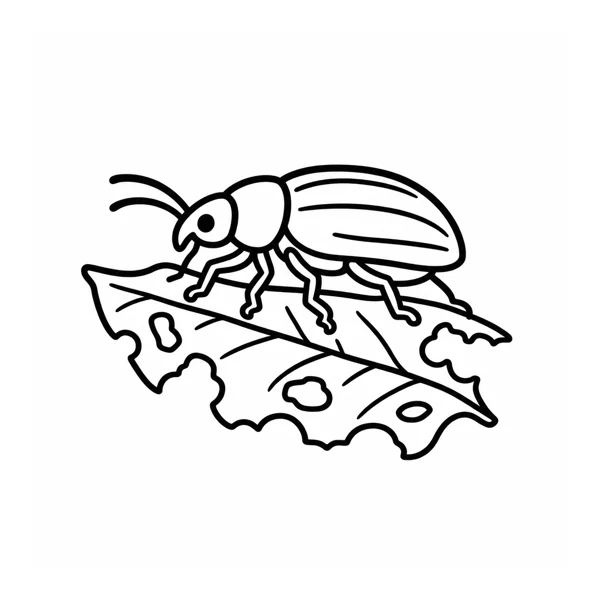
- Japanese beetles: Chew flowers and leaves to lace in midsummer in the eastern US. Knock them into a bucket of soapy water in the morning.
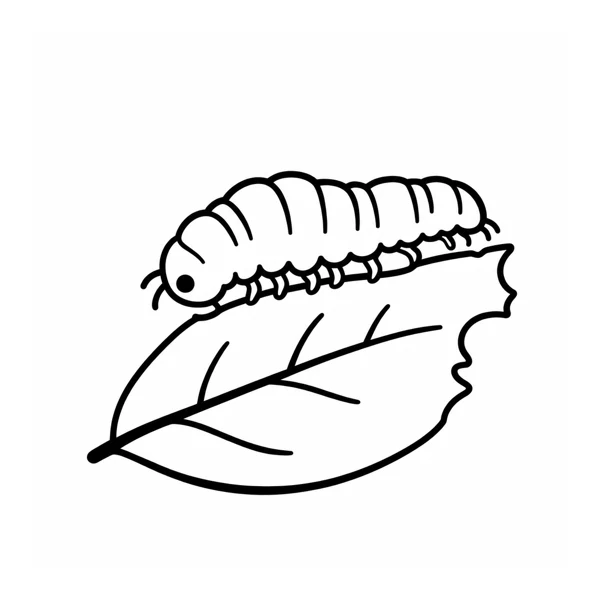
- Rose sawfly larvae: Small green "rose slugs" that skeletonize leaves in late spring. Pick them off or hose them away.
- Spider mites: Speckled, dull leaves and fine webbing in hot, dry weather. A strong spray of water under the leaves helps.
- Rose rosette disease: A virus spread by tiny mites, found across much of the eastern and central US. Look for red, rubbery, overly thorny shoots and clusters of stunted growth (witches' brooms). There's no cure: dig out the whole plant, roots and all, and bag it.
Good neighbors
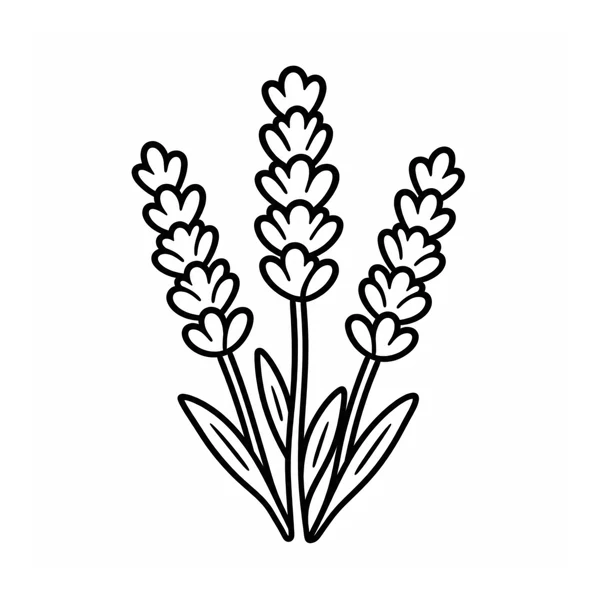
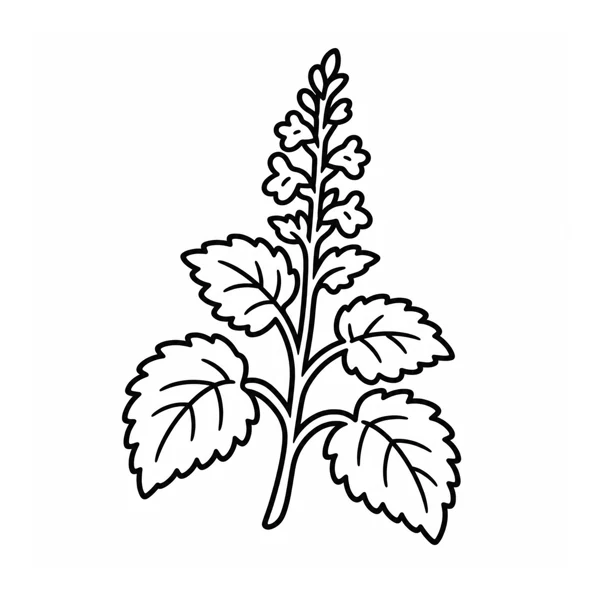
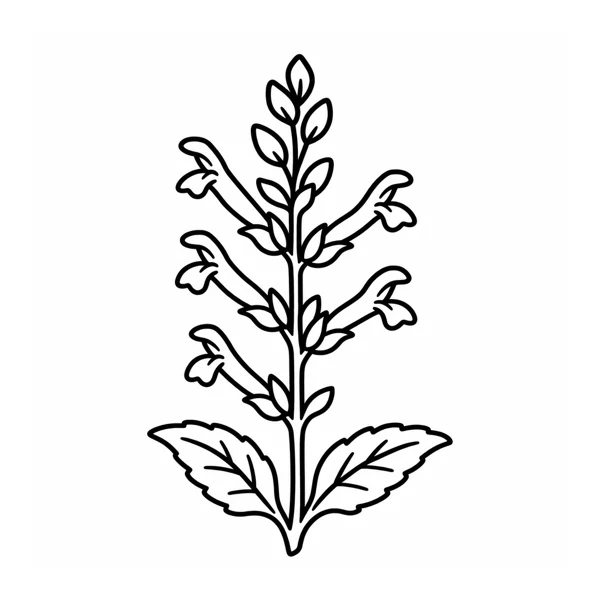
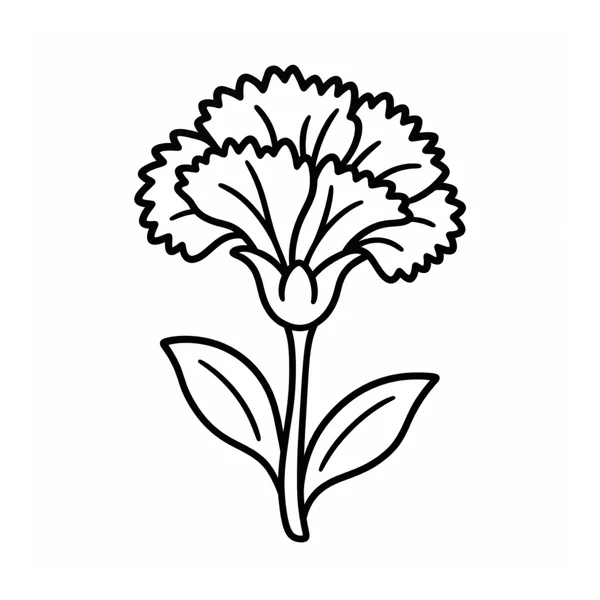


Good: Low, sun-loving plants that don't crowd the base, like lavender, catnip, salvia, dianthus and sweet alyssum. They bring in hoverflies and other insects that eat aphids, and they hide the bare lower canes. Many gardeners also tuck chives or garlic around roses; it's an old tradition, though the science behind it is thin.
Avoid: Anything that crowds the rose or blocks airflow, and big thirsty shrubs or trees nearby. Keep at least a foot of open ground around the base so leaves dry quickly after rain.
Seeds that grow well in your area in November
Affiliate links — shopping through these helps keep Evening Vines free. Smooth Blue Aster
 Polka Dot Mix
 Black-Eyed SusanSeeds
 ColumbineSeeds
Varieties worth growing
These named roses are sold as plants. Zones are a general guide, and grafted roses need protection at the cold end.
For cold winters and short seasons (Canada, northern US):
- John Cabot: A climbing rose from Canada's Explorer series, bred by Agriculture and Agri-Food Canada. Medium pink, repeats in late summer, hardy to about zone 3.
- Hope for Humanity: A Parkland series rose from the same program. Deep red, compact, repeat flowering.
- Thérèse Bugnet: A tough rugosa hybrid with fragrant pink flowers and red winter canes. Takes very cold winters.
For cool, damp summers (UK, Ireland, Pacific Northwest):
- Gertrude Jekyll: A David Austin English shrub rose with rich pink, strongly scented flowers.
- Olivia Rose Austin: Soft pink, cupped flowers, and one of the more disease-resistant English roses.
- Madame Alfred Carrière: A vigorous old climber with pale pink-white flowers. Known for coping with a shady, north-facing wall.
For hot summers and mild winters (southern US, Australia):
- Old Blush: An old China rose that flowers almost all year in warm climates.
- Mrs. B.R. Cant: A heat-loving tea rose with silvery to deep pink flowers.
- Iceberg: A white floribunda that flowers in long flushes. Very widely grown in Australia. Plants
- Knock Out: A modern shrub rose bred for disease resistance and easy care. Repeats all season.
Classic cutting roses:
- Peace: A yellow hybrid tea edged with pink, named as the Second World War ended.
- Mister Lincoln: A deep red, very fragrant hybrid tea on long stems.
Roses plants to buy
Affiliate links — shopping through these helps keep Evening Vines free. Peach DriftPlants
Picking notes
Cut roses in the morning, when the stems are full of water. Choose buds that are just starting to unfurl, with the first petals loosening. Tight buds may never open in the vase. Cut just above a five-leaflet leaf, using sharp pruners, and put the stems straight into water. Leave the first-year plant's flowers mostly on the bush, or cut short stems, so it can build strength.
Rose hips, the round fruit that forms after the flowers, are ripe when they turn red or orange in fall. Many gardeners pick them after the first frost, when they soften and sweeten. Rugosa roses give big, fleshy hips.
Saving seed for next year
You can grow roses from the seeds inside the hips, but seedlings won't match the parent, and many hybrids set little good seed. Clean the seeds from ripe hips, keep them in damp sand or paper towel in the fridge for about 2 to 3 months, then sow. Expect slow, patchy sprouting and a few years before flowers. To keep a rose you love, take softwood cuttings in early summer or hardwood cuttings in fall instead. Avoid propagating patented varieties for sale.
From garden to table
Rose hips are one of the richest plant sources of vitamin C. USDA figures list over 400 mg per 100 grams of raw wild hips, several times more than an orange. They make tea, jelly and syrup. Split the hips and scrape out the seeds and fine hairs first, as the hairs irritate the mouth and throat. Rose petals are edible too, in salads, syrups and jams, but only from plants that haven't been sprayed. Never eat flowers from a florist or garden center. The ASPCA lists roses as non-toxic to dogs, cats and horses, though the thorns can still hurt mouths and paws.
Questions from the potting bench
Why are my rose leaves turning yellow with black spots? That's black spot. It's caused by wet leaves, so water at the base in the morning, thin the plant for airflow, and clear up fallen leaves. In wet climates, a resistant variety makes the biggest difference.
Should I buy bare-root or potted roses? Bare-root roses are cheaper, come in more varieties, and settle in well if planted while dormant. Potted roses can be planted later in the season, and you can see the flowers before you buy.
What are these different-looking shoots at the base of my rose? Probably rootstock suckers coming from below the graft. Remove them where they start, or they'll crowd out the rose you bought.
Can I grow roses in a cold zone like zone 3 or 4? Yes. Choose hardy shrub roses, rugosas, or the Canadian Explorer and Parkland roses, ideally on their own roots. They come back reliably without winter wrapping.
Can roses grow in Florida or other hot, humid places? Yes. Old China and tea roses handle heat and humidity well, and many grafted roses there are sold on Fortuniana rootstock, which suits sandy soil. Expect a rest during the hottest weeks of summer.
Grower reports
How did Roses do in your garden? Members rate it and say which zone and month they planted, so everyone can see what works near them.
Recent community discussions
No one has talked about Roses yet. Be the first.
Plants to try
Affiliate links — shopping through these helps keep Evening Vines free.Essentials for Growing Roses
 Grow Bags
Breathable fabric pots: grow almost anything on a patio, balcony or driveway, and roots never circle.
See it →
 Pruning Shears
Sharp bypass pruners for harvesting, deadheading and tidying.
See it →
 Seed Starting Tray
Reusable tray with a clear dome to give seeds a warm, humid start indoors.
See it →
 Garden Kneeler
A kneeling pad that flips into a seat: easier on knees and back.
See it →
 Plant Labels
Waterproof markers so you know what's coming up where.
See it →
 Organic Fertilizer
Slow-release organic plant food for vegetable beds and containers.
See it →
