
Calendula
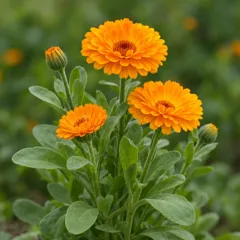
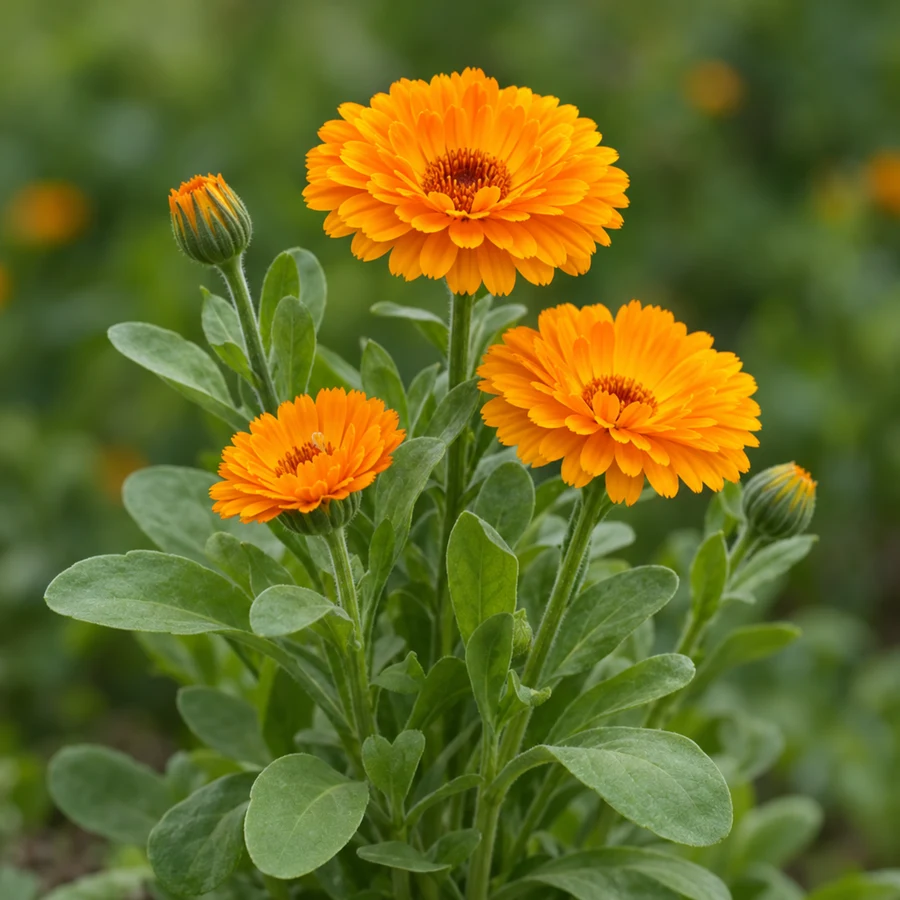
Calendula, also called pot marigold, is a cheerful, easy flower with bright orange or yellow blooms on 1 to 2 foot plants. It blooms from spring until frost, and through winter in mild climates. It isn't the same plant as the French or African marigold (Tagetes).
It handles cool weather, light frost, and poor soil, which makes it a good choice for beginners, children, and anyone who wants flowers for the table or for homemade salves.
Recent community discussions
No one has talked about Calendula yet. Be the first.
At a glance
| Plant type | Hardy annual flower, edible flower |
| Botanical name | Calendula officinalis |
| Annual or perennial | Annual (short-lived perennial in mild climates) |
| Sun | Full sun to part shade |
| Water | Moderate |
| Spacing | 8 to 12 inches |
| Planting depth | 1/4 inch (the seed germinates best in darkness) |
| Days to germinate | 5 to 15 |
| Days to maturity | About 45 to 65 days to bloom |
| Best USDA zones | Annual in zones 2 to 11 |
| Soil pH | 6.0 to 7.0 |
Is it calendula weather where you are? See everything to plant this month or read your zone notes.

Direct sow outdoors in early spring or late summer. Indoors: start 6–8 weeks before transplanting.

Germinates in 7–14 days; blooms in 45–60 days; flowers continuously.

Zones 2–11, April?October; in warm zones September?December; indoors year-round.

Light, well-drained sandy soils, pH 6.0–7.5. Tolerates poor soils, flowers best in moderate fertility.
Pests to watch for




Diseases

A little history
Calendula is native to southern Europe and the Mediterranean. Its name comes from the Latin calendae, the first day of the month, because in mild climates it seems to bloom almost every month. For centuries it has been used in cooking, including as an inexpensive stand-in for saffron to color food.
When to sow in your zone
Spring: Sow outdoors around or just before your last frost date. The seedlings shrug off a light frost, so there's no need to wait for warm soil. For earlier flowers, start seeds indoors 6 to 8 weeks before the last frost and set the young plants out just after it.
Fall: In zones 8 to 10, sow in fall for winter and early spring blooms. In zones 6 and 7, a late summer sowing gives a short show of flowers before a hard frost ends it, and the seedlings rarely make it through winter. The easier route there is to leave a few flowers to set seed and let the plants self-sow for next spring.
Not sure of your dates? Look up your zone on the zone pages, then count back from your last frost to find your sowing week.
Growing it, step by step
From seed
The large, curved seeds are easy to handle. Sow them 1/4 inch deep, keep them lightly moist, and thin to 8 to 12 inches.
Moving it outside
The seedlings transplant well. Harden them off and plant around the last frost date.
Water
Water regularly until the plants are established. They bloom best with steady moisture.
Mulch
A thin layer of mulch holds moisture.
Feeding
A little compost at planting is enough. Too much fertilizer means fewer flowers.
Keeping it happy
Snip off faded flowers every few days. Once a plant starts setting seed it slows down, so keeping the old heads cleared keeps new buds coming (more on that in deadheading for more blooms). Pinch young plants to make them bushy. If the plants slow down in summer heat, cut them back or sow again for fall flowers.
Trouble in the bed
- Aphids: Spray them off with water or use insecticidal soap.
- Whiteflies: Use yellow sticky traps and insecticidal soap.
- Slugs and snails: Hand-pick or use iron phosphate bait. Young plants need the most watching.
- Powdery mildew: Space plants and water at the base.
- Aster yellows: Remove and destroy infected plants.
- Cucumber mosaic virus: Look for mottled yellow and green leaves, crinkled growth, and stunted plants. There's no cure, so pull infected plants and throw them away rather than composting them. Keep aphids down, because they carry the virus from plant to plant.
Good neighbors







Good: Tomatoes, brassicas such as cabbage and kale, lettuce, carrots, and herbs. Calendula draws in pollinators and beneficial insects, and aphids often gather on it instead of nearby crops.
Avoid: Taller plants that will shade it.
Seeds that grow well in your area in November
Affiliate links — shopping through these helps keep Evening Vines free. ColumbineSeeds
 Moonbeam
 Foxglove Mix
 Rocket Larkspur
Varieties worth growing
- Pacific Beauty: A classic mix of yellow, orange, and cream. Seeds
- Resina: A high-resin orange type grown for salves.
- Touch of Red: Orange petals tipped with red.
- Bon Bon: A compact type for pots and edges.
- Zeolights: Double apricot-peach flowers with a dark eye and a rusty maroon underside to the petals.
- Indian Prince: Tall, deep orange flowers with a dark center.
Calendula seeds to buy
Affiliate links — shopping through these helps keep Evening Vines free.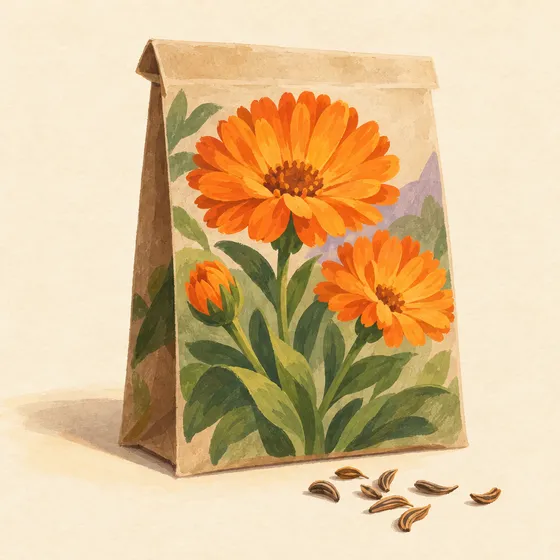 Pacific Beauty
Picking notes
Pick the flowers in the morning once they're fully open and the dew has dried. Dry them on a screen out of direct sun.
Saving seed for next year
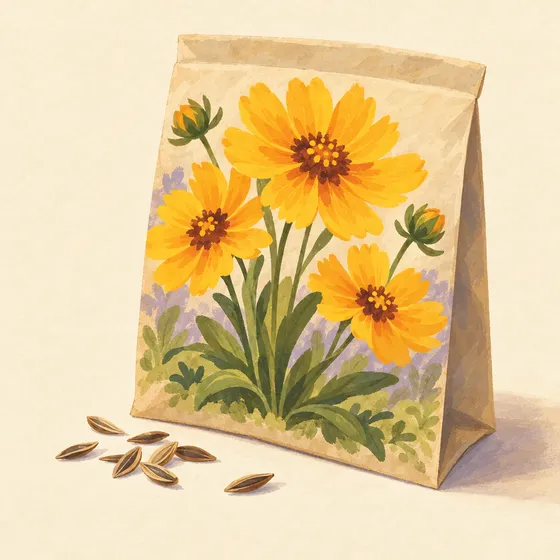
Calendula seeds are a mixed bunch: some bent into hooks, some curled almost into rings, all of them knobbly and ridged. Collect them once the seed heads are brown and dry, dry them a little more indoors, and store them cool and dry. Our seed saving guide covers storing them well.
From garden to table
The petals are edible, with a slightly peppery, tangy flavor. Scatter them fresh on salads, rice, and soups, or dry them to add golden color to food. Only use flowers grown without chemical sprays. Calendula is also a favorite ingredient in homemade skin salves and soaps. This is a traditional use, not medical advice.
Questions from the potting bench
Is calendula the same as marigold? No. It's called pot marigold, but it's a different plant from French and African marigolds.
Will it bloom in winter? In mild zones, yes. In cold zones, a hard frost ends it.
Why did it stop blooming? Summer heat, or old flower heads left to set seed. Cut it back and it often reblooms in fall.
Grower reports
How did Calendula do in your garden? Members rate it and say which zone and month they planted, so everyone can see what works near them.
Recent community discussions
No one has talked about Calendula yet. Be the first.
Seeds to try
Affiliate links — shopping through these helps keep Evening Vines free.Essentials for Growing Calendula
 Grow Bags
Breathable fabric pots: grow almost anything on a patio, balcony or driveway, and roots never circle.
See it →
 Pruning Shears
Sharp bypass pruners for harvesting, deadheading and tidying.
See it →
 Seed Starting Tray
Reusable tray with a clear dome to give seeds a warm, humid start indoors.
See it →
 Garden Kneeler
A kneeling pad that flips into a seat: easier on knees and back.
See it →
 Plant Labels
Waterproof markers so you know what's coming up where.
See it →
 Organic Fertilizer
Slow-release organic plant food for vegetable beds and containers.
See it →
