
Plum
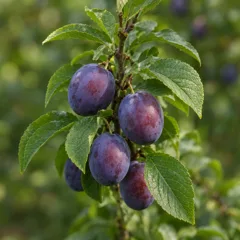
A plum tree is one of the easier fruit trees for a home garden. It flowers early, crops heavily once it settles in, and gives fruit that tastes far better ripe off the branch than anything picked hard for the store. There are three main groups. European plums are the hardier, later-flowering kind and include prunes, gages and damsons. Japanese plums are juicy, round fresh-eating plums that bloom early and need less winter cold. American plums and their hybrids are the toughest of all and grow where winters reach well below zero.
Before you buy, check two things: whether the variety suits your winter (its chill hours) and whether it needs a partner tree to set fruit.
Recent community discussions
No one has talked about Plum yet. Be the first.
At a glance
| Plant type | Fruit tree |
| Botanical name | Prunus domestica (European plum), Prunus salicina (Japanese plum), Prunus americana and hybrids (American plum) |
| Annual or perennial | Deciduous perennial |
| Sun | Full sun, 6 to 8 hours or more |
| Water | About 1 inch per week the first year; deep soakings in dry spells after that |
| Spacing | 12 to 22 feet apart (semi-dwarf trees 12 to 15 feet, full-size trees 18 to 22 feet) |
| Planting depth | Same depth as in the nursery pot, with the graft union 2 to 4 inches above the soil |
| Days to germinate | Not grown from seed; start from a grafted nursery tree |
| Days to maturity | 3 to 6 years to first fruit (Japanese plums often sooner than European) |
| Best USDA zones | 4 to 9 (3 with hardy American hybrids; low-chill types into warm zone 9) |
| Soil pH | 6.0 to 6.5 |
Is it plum weather where you are? See everything to plant this month or read your zone notes.
Pests to watch for

Diseases
A little history
Plums have been eaten for thousands of years on several continents. The European plum most likely arose around the Caucasus and the Caspian Sea, though scientists still debate its exact parents. The Romans grew many kinds, and the damson takes its name from Damascus. The Japanese plum was first domesticated in China, then developed in Japan before it reached the rest of the world. Across North America, Indigenous peoples gathered native wild plums long before Europeans arrived.
In California, the plant breeder Luther Burbank worked with Japanese plums from the 1880s. His best-known plum, Santa Rosa, came out in 1906 and is still one of the most widely planted plums in the world.
When to sow in your zone
Plums go in as young grafted trees, not seeds, and they are planted while dormant.
Late winter to early spring (cold zones, 3 to 6): Plant bare-root trees as soon as the ground can be worked, while the buds are still closed. Potted trees can go in a little later, through spring.
Late fall through winter (mild zones, 7 to 9): Where the ground doesn't freeze hard, plant bare-root trees from late fall to late winter. The roots grow in cool soil and the tree wakes up ready to grow. Garden centers in the UK, Ireland and southern Australia sell bare-root plums in this season.
November in the garden: In zones 7 to 9 this is bare-root planting season. In colder zones, order trees now for spring delivery, and wrap the trunks of young trees against rabbits and winter sun.
Growing it, step by step
Choosing a Tree
Pick a variety bred for your climate. Each plum needs a certain number of chill hours (hours between about 32°F and 45°F while dormant) to flower well. European plums usually need 700 to 1,000 or more. Most Japanese plums need 300 to 900. Low-chill types such as Methley or the Gulf series need only about 200 to 300, which suits the Gulf Coast and the warmer frost-prone parts of Australia. American hybrids handle the coldest winters.
Pollination
Many European plums are self-fertile, so one tree will crop. Most Japanese plums and nearly all American hybrids need a second variety of a matching type nearby that blooms at the same time. European plum pollen will not pollinate a Japanese plum. For American hybrids, Toka is a well-known pollinizer. When in doubt, plant two compatible varieties.
Rootstock and Size
The rootstock decides how big the tree gets. Semi-dwarfing stocks such as Pixy or VVA-1 keep a bush tree around 10 to 12 feet. St Julien A gives a tree of about 15 feet. Full-size trees on seedling stock can reach 20 feet or more.
Picking the Spot
Give plums full sun and soil that drains well; they hate wet feet. Plums flower early, so avoid low frost pockets where cold air settles. A slope or a spot against a sunny wall helps. In alkaline soils, plums can turn yellow from iron shortage, so a soil test first is worth it.
Planting
Soak bare roots in water for half an hour or so. Dig a hole wider than the roots but no deeper. Spread the roots out and keep the graft union 2 to 4 inches above the soil. Firm the soil, water well, and stake young trees in windy spots. Don't add fertilizer to the planting hole.
Water
Water deeply once a week the first season if rain is short. After that, a long soak every week or two in dry weather is enough, especially while fruit is swelling.
Mulch
Keep a ring about 3 feet wide free of grass and weeds, and lay a few inches of mulch over it. Keep the mulch a few inches away from the trunk.
Feeding
Plums need only a light feed. Spread a balanced fertilizer in early spring, out to the edge of the branches and away from the trunk. If the tree puts on lots of soft, leafy growth, feed less.
Keeping it happy
Prune plums in spring or summer, not winter. Pruning cuts made in cold, wet weather let in silver leaf and bacterial canker. Train young trees in early spring as the buds open, aiming for an open, vase-shaped center. Prune older trees lightly in summer on a dry day, taking out dead, crossing and broken wood. Many North American extension services prune in late winter just before growth starts instead; whichever you follow, avoid cutting in cold, wet weather.
Thin the fruit in early summer when trees set heavily. Leave one plum every 2 to 3 inches, or up to 4 to 6 inches for bigger fruit. Thinning gives better fruit, cuts down on rot, and stops branches snapping. Prop up heavy limbs in late summer.
Trouble in the bed
- Aphids: Plum aphids curl the young leaves in spring. A strong spray of water and plenty of ladybugs usually keep them in check.
- Plum curculio (North America): A small weevil that lays eggs in young fruit, leaving crescent-shaped scars and wormy plums. Pick up and destroy fallen fruit.
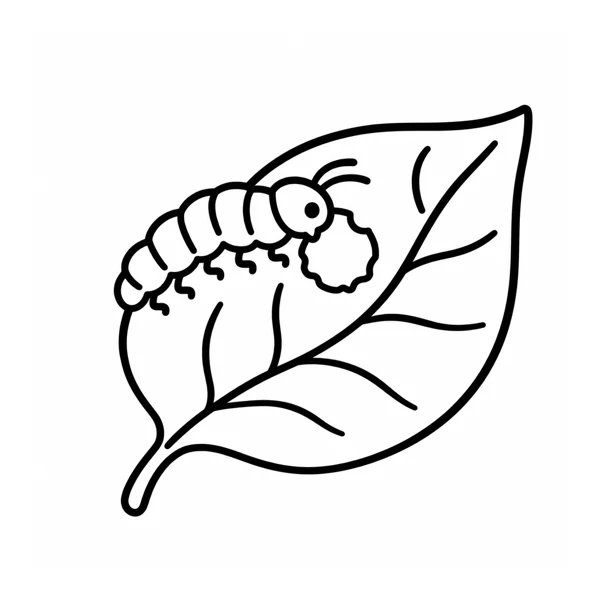
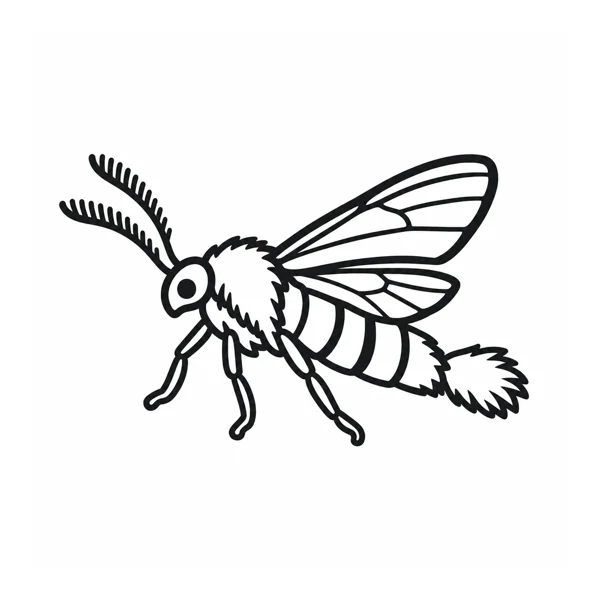
- Plum moth and other caterpillars (UK and Ireland): Pinkish grubs inside the first fruits to ripen. Pheromone traps hung in late spring help.
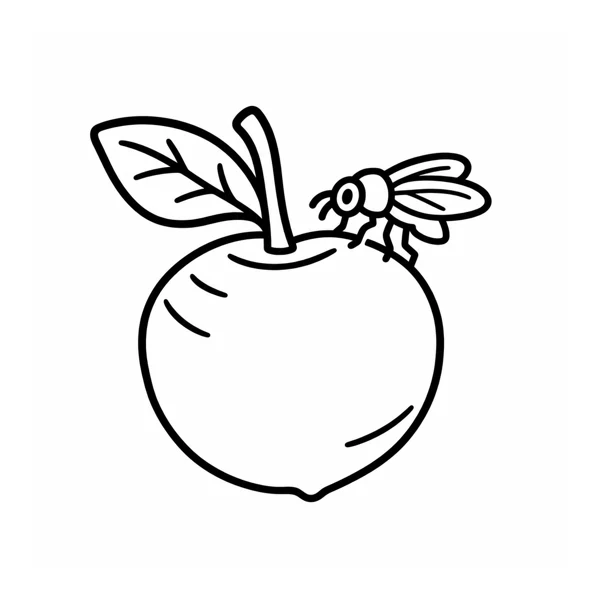
- Fruit flies: Queensland fruit fly is a serious plum pest in eastern Australia, and spotted wing drosophila attacks ripe fruit in North America. Net trees, use traps, and clear fallen fruit.
- Borers: Peachtree borers tunnel into the trunk at the soil line, leaving gummy, sawdust-filled ooze. Keep trees healthy and avoid nicking the trunk.
- Brown rot: The most common fruit rot, turning plums brown and fuzzy on the tree. Thin fruit, remove rotten and shriveled plums, and prune for good air flow.
- Black knot: Rough black swellings on twigs, common in the eastern US and Canada. Cut out knots well below the swelling and destroy them.
- Bacterial spot, silver leaf and canker: Bacterial spot causes small holes in Japanese plum leaves in warm, wet areas. Silver leaf and bacterial canker get in through winter wounds, which is why summer pruning matters.
Good neighbors




Good: Low flowering herbs that bring in pollinators and predatory insects, like chives, garlic, borage, calendula, marigolds and nasturtiums, planted around the edge of the root zone.
Avoid: Grass growing right up to the trunk, which competes hard for water in the first years. Keep vegetable beds clear of the trunk too, so you don't dig through the roots.
Seeds that grow well in your area in November
Affiliate links — shopping through these helps keep Evening Vines free. Foxglove Mix
 Rocket Larkspur
 Wild Lupine
 Common Milkweed
Varieties worth growing
Cold winters and short seasons (zones 3 to 5, Canadian Prairies, northern US):
- Pembina: A large red American hybrid with yellow flesh, hardy to zone 3. Needs a partner.
- Superior: Big red fruit with yellow flesh; a reliable hybrid for the north. Needs a partner such as Toka.
- Toka: Small, very sweet, spicy-flavored fruit, and the best-known pollinizer for other hybrids.
- Mount Royal: A hardy blue European plum, good for eating and jam. Self-fertile.
Classic European plums (zones 5 to 8):
- Stanley: The standard blue prune plum in North America. Self-fertile and a heavy cropper, good fresh, dried or baked.
- Green Gage: Small, green-gold and very sweet, an old favorite for dessert and jam.
- Damson: Small, tart, dark blue cooking plum for jam and plum gin.
Cool maritime summers (UK and Ireland):
- Victoria: The most popular plum in Britain. Self-fertile, reliable, for eating or cooking.
- Opal: Early, sweet dessert plum with reddish skin and golden flesh. Self-fertile.
- Czar: A compact, tough cooking plum that crops well in cooler spots. Self-fertile.
- Marjorie's Seedling: A late, large purple cooking plum. Self-fertile.
- Blue Tit: Compact and late flowering, so its blossom often misses spring frosts. Self-fertile.
Japanese plums (zones 5 to 9):
- Santa Rosa: Burbank's red-skinned plum with amber flesh, about 300 to 400 chill hours. Partly self-fertile, crops better with a partner. Widely grown in California, Texas and southern Australia.
- Methley: Early, red-purple and juicy, about 250 chill hours. Self-fertile, a good pick for the warm South.
- Satsuma: Dark red skin and red flesh, great for jam. Needs a Japanese partner such as Santa Rosa or Methley.
Mild-winter areas (Gulf Coast, north and central Florida):
- Gulfbeauty, Gulfblaze and Gulfruby: Low-chill plums from the University of Florida, needing only a few hundred chill hours. Plant two Gulf varieties together for pollination. They suit north and central Florida and similar mild-winter climates that still get some winter cold.
Picking notes
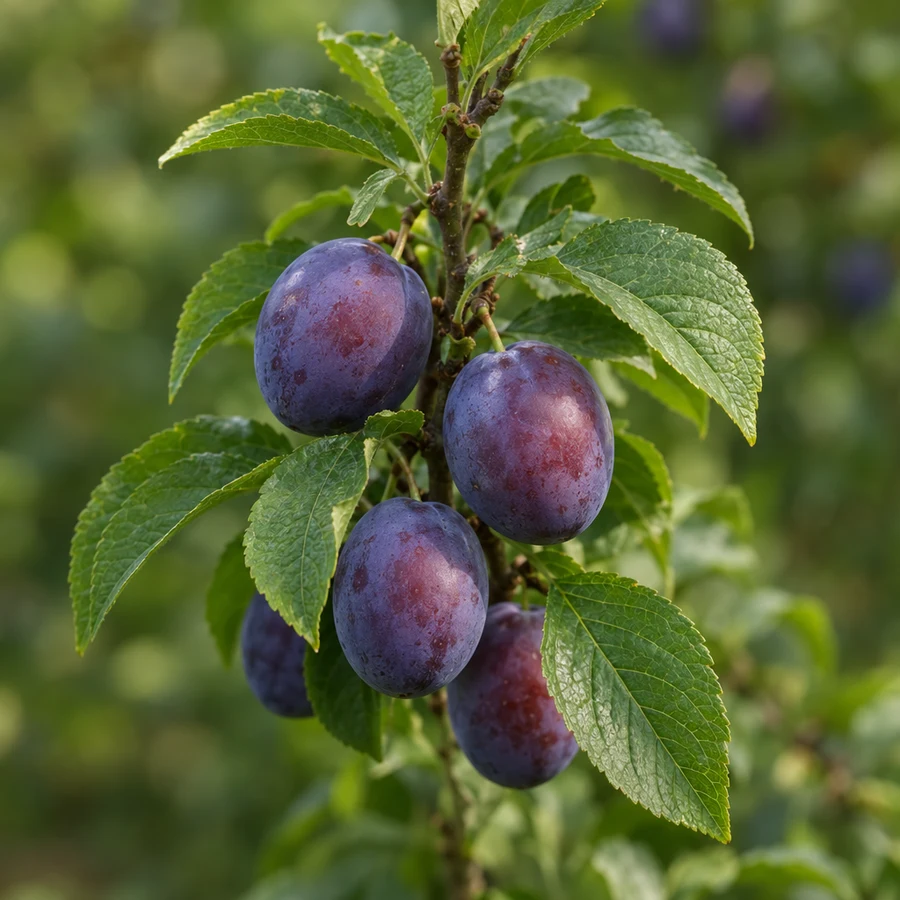
Plums ripen from early summer for the earliest Japanese types to early fall for late European ones. Pick when the fruit has full color, gives slightly when squeezed, and comes away easily. A dusty bloom on the skin is normal. For the best flavor, let plums ripen on the tree and pick over several rounds. Handle them gently, as they bruise. Ripe plums keep a week or two in the fridge. A healthy mature tree gives a big crop most years.
Saving seed for next year
Not practical. Plum seeds don't come true to the parent, and named varieties are grafted. Pits also take a long cold spell to sprout. To keep a variety, buy a grafted tree or learn to graft.
From garden to table
Fresh plums are low in calories and bring vitamin C, vitamin K and fiber. Dried plums (prunes) are much richer in fiber and potassium, and they contain sorbitol, which gives them their well-known gentle laxative effect. Eat plums fresh, bake them into tarts and crumbles, stew them, make jam, or dry prune types. Damsons and sloe-like plums make fine fruit liqueurs.
Safety: The leaves, stems and the kernels inside the pits contain compounds that release cyanide when chewed. Don't eat crushed pits. The ASPCA lists plum as toxic to dogs, cats and horses, so keep pets away from fallen pits and wilted leaves, and call your vet if they eat any.
Questions from the potting bench
Do I need two plum trees? It depends on the variety. Many European plums like Stanley and Victoria are self-fertile. Most Japanese plums and nearly all American hybrids need a matching partner that flowers at the same time.
Why did my plum tree flower but give no fruit? Usually spring frost killed the blossom, there was no compatible pollinator nearby, or the tree is still young. Late-flowering varieties and a sheltered spot help with frost.
When should I prune a plum tree? In spring as buds open (young trees) or in summer (older trees), on a dry day. Avoid winter pruning, which lets in silver leaf and canker.
Can I grow plums in a warm climate? Yes, if you choose low-chill types such as Methley or the Gulf series and you still get some winter cold. Standard European plums won't flower well without a cold winter, and plums don't suit frost-free tropical gardens.
Can I grow a plum tree in a pot? Yes. Choose a tree on a dwarfing rootstock, use a pot of at least 15 to 20 gallons with good drainage, and water often in summer.
Grower reports
How did Plum do in your garden? Members rate it and say which zone and month they planted, so everyone can see what works near them.
Recent community discussions
No one has talked about Plum yet. Be the first.
Essentials for Growing Plum
 Grow Bags
Breathable fabric pots: grow almost anything on a patio, balcony or driveway, and roots never circle.
See it →
 Organic Fertilizer
Slow-release organic plant food for vegetable beds and containers.
See it →
 Pruning Shears
Sharp bypass pruners for harvesting, deadheading and tidying.
See it →
 Insect Netting
Fine mesh that keeps cabbage worms, flea beetles and birds off your crops, no sprays needed.
See it →
 Soaker Hose
Waters the roots slowly, not the leaves: less disease, less water, less work.
See it →
 Garden Hand Tools
Trowel, transplanter and cultivator: the three tools you reach for most.
See it →
