
Rhubarb
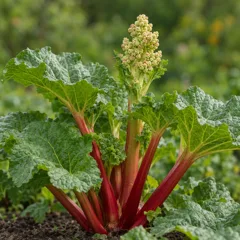
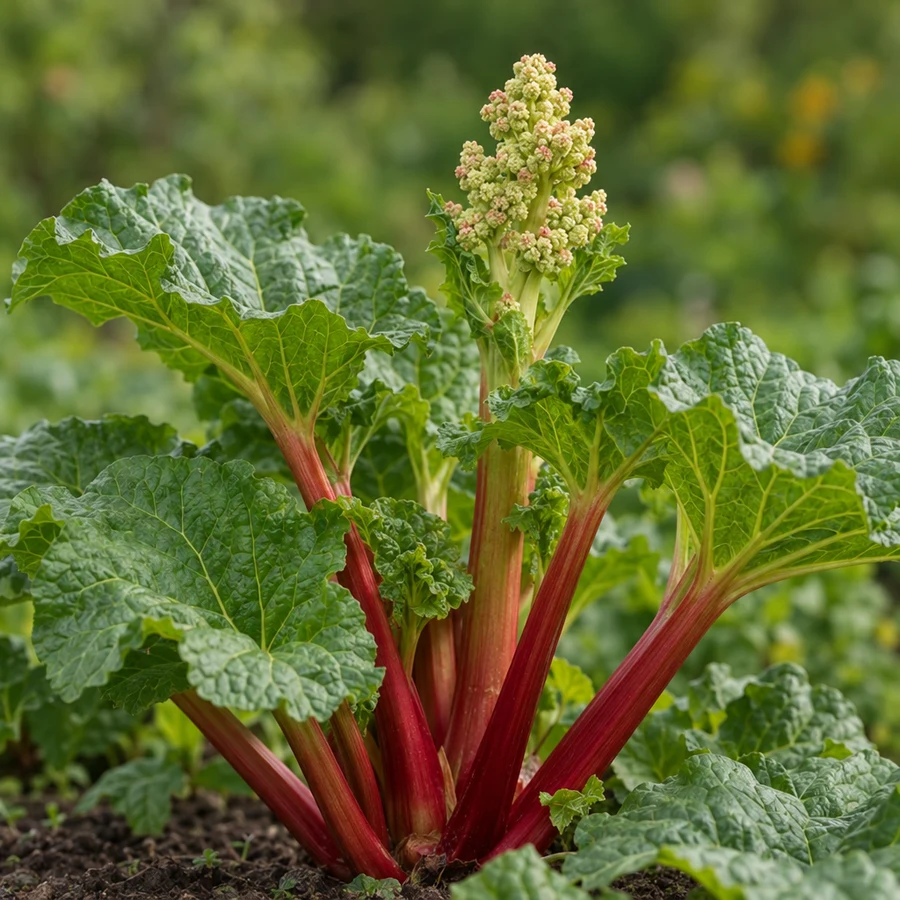
Rhubarb is the first thing most gardens give in spring. Fat red or green stalks push up as the soil warms, weeks before anything else is ready to pick. One plant lives for 10 years or more with very little help, and three or four plants make plenty of pies, crumbles and jam for a family.
Only the stalks are eaten. The leaves are poisonous, to people and to pets, because they hold a lot of oxalic acid. Cut them off and put them on the compost.
Rhubarb loves cold winters and cool springs. It grows best across the northern US, Canada, the UK and Ireland, and in the cooler parts of Australia. In hot, humid places it struggles.
Recent community discussions
No one has talked about Rhubarb yet. Be the first.
At a glance
| Plant type | Vegetable (perennial stalks) |
| Botanical name | Rheum rhabarbarum (also listed as Rheum x hybridum) |
| Annual or perennial | Hardy perennial; tops die back in winter |
| Sun | Full sun; light afternoon shade in hot summers |
| Water | About 1 inch per week; more in hot, dry spells |
| Spacing | About 3 feet apart each way |
| Planting depth | Crown buds about 2 inches below the soil; bare-root crowns with the tip at or just above the surface |
| Days to germinate | About 1 to 3 weeks from seed (most people start from crowns) |
| Days to maturity | Light picking in year 2 from crowns (year 3 from seed); full harvests from year 3 |
| Best USDA zones | 3 to 8 (needs a cold winter to rest); zone 9 only where summers stay mild |
| Soil pH | 6.0 to 7.0 is ideal, but rhubarb tolerates a wide range |
Is it rhubarb weather where you are? See everything to plant this month or read your zone notes.
Diseases

A little history
Rhubarb comes from the cold mountain country of western China, Tibet and Siberia. For around 2,000 years its dried root was a prized medicine in China, and later in Europe, where it was traded at high prices. Eating the stalks came much later. English cooks began baking rhubarb tarts in the late 1700s, and in the 1800s it was so common in pies in America that people called it pieplant. In Yorkshire, England, growers still force rhubarb in dark sheds and pick it by candlelight.
When to sow in your zone
Rhubarb goes in as dormant crowns or potted plants, not usually as seed.
Early spring (all zones): Plant crowns as soon as the soil can be worked, while the plants are still dormant and the weather is cool. A few weeks before your last frost is about right.
Fall (zones 5 to 9): Crowns and divisions can also go in during early fall, about 4 to 6 weeks before your first fall frost, so roots settle in before winter. In zones 3 and 4, spring planting is safer. Fall and winter planting is common in the UK and Ireland, where bare-root crowns are sold from November to March, and in southern Australia, where crowns go in through autumn and winter.
Mild coasts (zone 9): Rhubarb can grow where summers stay cool, like coastal California, the mildest coasts of Britain and Ireland, and the BC coast. Plant in late winter or early fall. In hot, humid zone 9 gardens it rarely lasts.
From seed: Start seed indoors about 6 to 8 weeks before the last frost and plant out after hardening off. Plants from seed vary and take a year longer to give a crop.
November in the garden: In zones 7 to 9 you can still plant dormant crowns or divide old clumps while the soil isn't frozen. Further north, cut back the dead leaves and mulch the crowns once the ground freezes.
Growing it, step by step
Picking the Spot
Rhubarb stays put for a decade, so choose carefully. Give it full sun in an open spot at the edge of the vegetable garden, where you won't dig around it each year. It needs soil that holds moisture but drains well. Wet, heavy ground in winter rots the crown, so on clay, plant in a raised bed or a mound.
Preparing the Soil
Rhubarb is a heavy feeder. Dig the bed deeply, about 2 feet if you can, and work in plenty of compost or well-rotted manure. Clear out perennial weeds and grass first; they're hard to get out once the rhubarb fills in.
Planting
Set each crown with its buds about 2 inches under the soil, or with the tip just showing for bare-root crowns, as the supplier directs. Potted plants go in at the same depth they sat in the pot. Space plants about 3 feet apart, firm the soil, and water well.
Growing in a Pot
Rhubarb grows in a big container, at least 20 inches deep and wide. Use a rich, free-draining mix, water often, and feed every spring. Potted rhubarb won't be as big as plants in the ground.
Water
Water deeply through dry spells, about an inch a week. Steady moisture gives thick, tender stalks. Stalks that grow in fits and starts can split.
Mulch
Spread a few inches of compost or rotted manure around the plants each spring. Keep it a few inches back from the crown itself, as mulch piled on the buds can cause rot.
Feeding
Feed every spring with compost, a balanced fertilizer, or both. Too much nitrogen can push the plant to flower.
Keeping it happy
- Flower stalks: Cut out flower stalks at the base as soon as you see them. Seed-making drains the plant's energy away from next year's stalks.
- Dividing: Every 4 to 5 years, or when stalks get thin and crowded, dig the clump in early spring or late fall and cut it into pieces, each with a chunk of root and at least one bud. Replant the healthy outer pieces and discard the woody center.
- Fall cleanup: Remove the dead leaves after hard frost to cut down on leaf spot. Mulch once the ground freezes in cold zones to stop the crown heaving.
- Late spring frost: Frost can damage new shoots. Throw straw or fleece over them if a hard freeze is forecast. Don't eat stalks that have gone limp after a hard freeze.
- Hot climates: Give rhubarb afternoon shade and steady water. Where winters are too warm for a proper rest, plants often fade after a few years.
Trouble in the bed
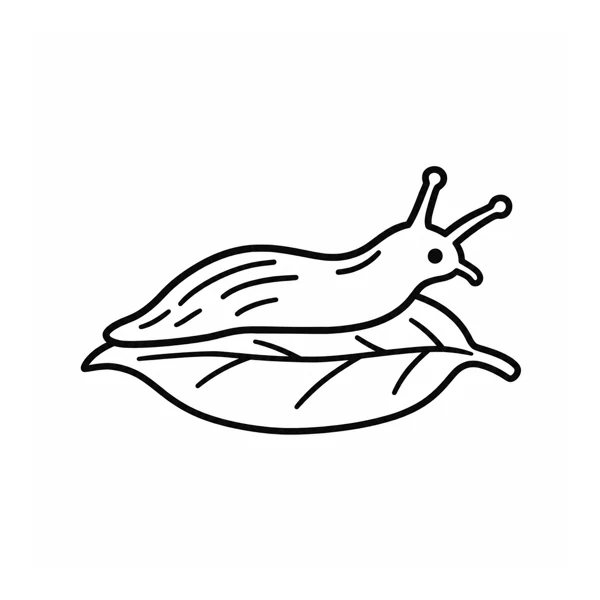
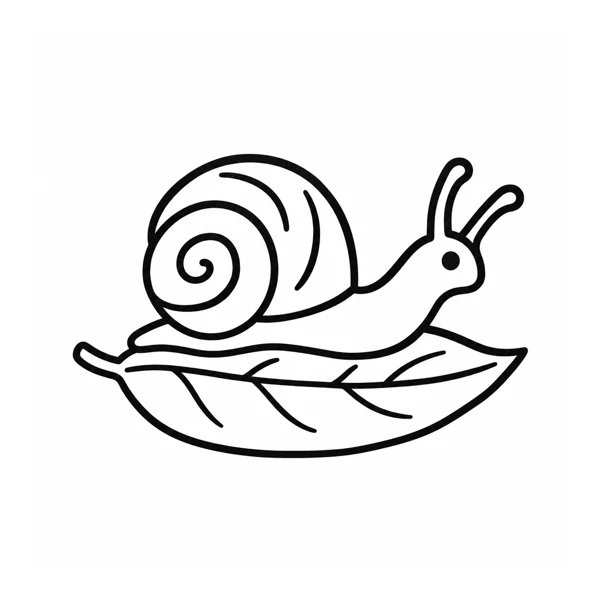
- Slugs and snails: The main pest. They chew the young shoots in spring, especially in damp gardens. Hand-pick in the evening and clear hiding spots nearby.
- Crown and root rot: The crown turns soft and stalks collapse, mostly in soggy soil. There's no fix once it sets in; start fresh in a better-drained spot.
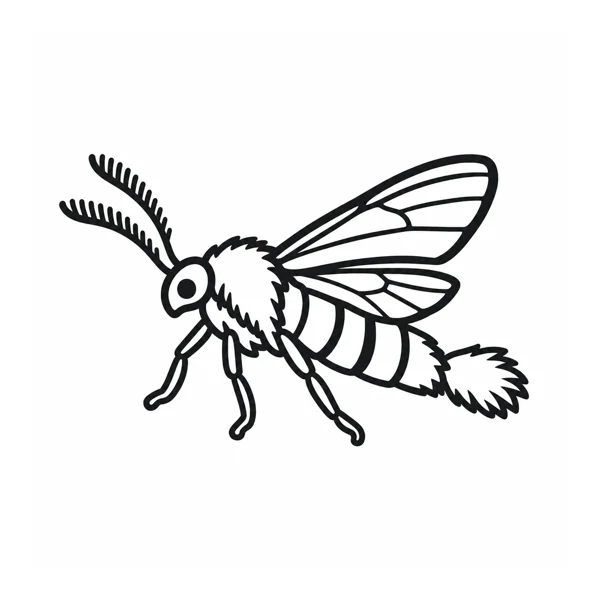
- Rhubarb curculio and stalk borers: Beetles and larvae that bore into stalks and crowns. Keep grassy weeds and curly dock (a wild host) away from the bed.
- Leaf spots: Brown or tan spots on the leaves. They rarely hurt the crop. Pick off spotted leaves and clean up in fall.
- Viruses: Mottled, stunted plants that never thrive. Dig them out, and divide only from healthy plants.
Good neighbors


Good: Low, early plants around the outside of the clump, like garlic, chives and calendula. Rhubarb also fits well at the end of a bed of strawberries, currants or raspberries, with the other perennial crops you don't dig.
Avoid: Anything that shades the clump or crowds its roots, and grassy or weedy edges that shelter rhubarb curculio. Keep it out of beds you dig every year.
Seeds that grow well in your area in November
Affiliate links — shopping through these helps keep Evening Vines free. Purple Coneflower
 Stinging Nettle
 Smooth Blue Aster
 Polka Dot Mix
Varieties worth growing
Red-stalked (zones 3 to 8, good for Canada and the northern US):
- Canada Red: Slender, very sweet red stalks that stay red right through. Sends up few flower stalks.
- Valentine: Broad, deep red stalks that keep their color when cooked, with milder sourness than most. Few or no flower stalks.
- Crimson Red: Tall, plump, bright red stalks.
- MacDonald: A good cropper with tender, bright red stalks.
Green and speckled (heavy croppers):
- Victoria: The old standby, green stalks blushed pink at the base. Reliable and productive in most climates. Seeds
For cool maritime summers (UK and Ireland):
- Timperley Early: One of the earliest, and the classic choice for forcing under a pot in late winter.
- Raspberry Red: Sweet, bright red stalks and a heavy crop.
- Fulton's Strawberry Surprise: Bright red stalks with a balanced, fruity flavor.
For warmer, milder areas (Australia, mild-winter gardens):
- Glaskins Perpetual: Grows readily from seed and keeps sending up stalks over a long season. A common pick where winters are mild.
- Sydney Crimson: An Australian red that holds its leaves through mild winters rather than dying right back.
Rhubarb seeds to buy
Affiliate links — shopping through these helps keep Evening Vines free.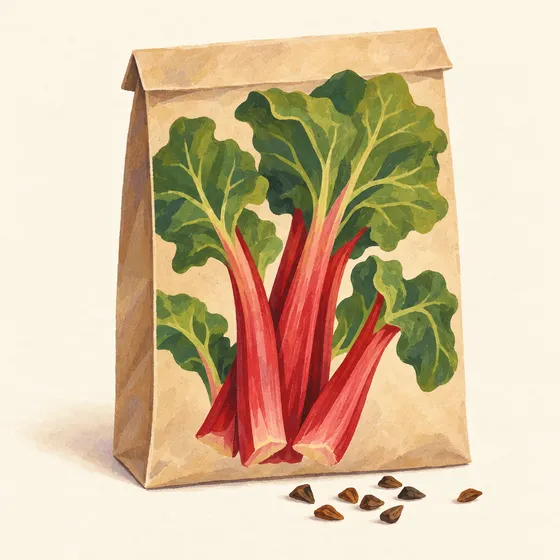 Victoria
Picking notes
Leave new plants alone their first year. In the second year, pick just a few stalks. From the third year on, pick for 8 to 10 weeks in spring and early summer, taking no more than a third of the stalks at one time. Pull firm stalks about 8 to 15 inches long: grip low down, twist and pull away from the crown rather than cutting. Snap the leaf off and compost it. Stop picking by late June or early July in most places, so the leaves can feed the roots for next year.
Stalks keep a week or two in the fridge, unwashed, and freeze well cut into pieces.
Saving seed for next year
Not worth it for most gardeners. Rhubarb doesn't come true from seed, and the plants vary a lot. Divide a plant you like instead, and cut flower stalks off so they don't weaken the clump.
From garden to table
Rhubarb is very low in calories, about 21 per 100 grams of raw stalk by USDA figures, and brings some vitamin K, potassium and fiber. Most of the calcium in it is tied up by oxalic acid, so your body doesn't absorb much of it. People with kidney stones, gout or kidney problems may want to check with a doctor before eating a lot.
It's sour, so it's nearly always cooked with sugar or sweet fruit: pies, crumbles, compote, jam, chutney, and syrup for drinks. It pairs well with strawberries, ginger and orange.
Safety: Never eat the leaves, and keep pets and livestock away from them. Throw out stalks that turned limp after a hard freeze.
Questions from the potting bench
Are rhubarb leaves really poisonous? Yes. They hold enough oxalic acid to make people and pets sick. Eat only the stalks and compost the leaves; composting them is safe.
Why is my rhubarb flowering? Age, stress, heat, drought, or too much nitrogen. Cut flower stalks off at the base as soon as they show. Some varieties, like Valentine and Canada Red, flower less.
Can I grow rhubarb in a warm climate? It's hard in hot, humid places, because rhubarb needs a cold winter to rest. In zones 8 and 9 and mild parts of Australia, try afternoon shade, steady water and varieties like Victoria, Glaskins Perpetual or Sydney Crimson. Some gardeners in warm areas grow it from seed and treat it as a short-lived plant.
My stalks are green. Is it ripe? Color doesn't tell you ripeness or sweetness. Many good varieties stay green. Pick by length and thickness.
Grower reports
How did Rhubarb do in your garden? Members rate it and say which zone and month they planted, so everyone can see what works near them.
Recent community discussions
No one has talked about Rhubarb yet. Be the first.
Seeds to try
Affiliate links — shopping through these helps keep Evening Vines free.Essentials for Growing Rhubarb
 Grow Bags
Breathable fabric pots: grow almost anything on a patio, balcony or driveway, and roots never circle.
See it →
 Seed Starting Tray
Reusable tray with a clear dome to give seeds a warm, humid start indoors.
See it →
 Garden Hand Tools
Trowel, transplanter and cultivator: the three tools you reach for most.
See it →
 Organic Fertilizer
Slow-release organic plant food for vegetable beds and containers.
See it →
 Watering Can
Long-spout can for gentle watering of seedlings and pots.
See it →
 Pruning Shears
Sharp bypass pruners for harvesting, deadheading and tidying.
See it →
