
Barley
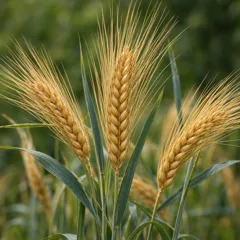
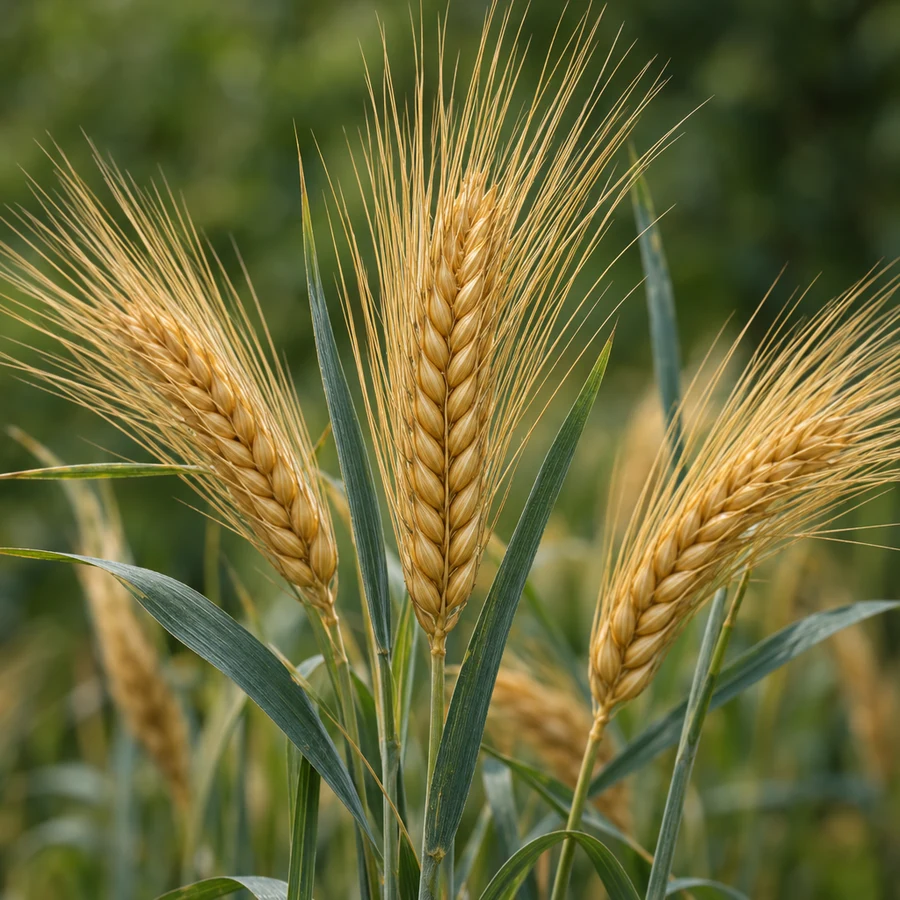
Barley is a cool-season grass grown for its seed. The plants stand 2 to 4 feet tall and carry long awns, the bristly whiskers on the seed head. It's one of the easiest grains for a home garden and grows well in small plots.
Gardeners also sow barley as a cover crop to hold the soil, smother weeds, and add organic matter. It matures faster than wheat and tolerates short, cool seasons, so it suits northern gardens.
Recent community discussions
No one has talked about Barley yet. Be the first.
At a glance
| Plant type | Cool-season cereal grain, cover crop |
| Botanical name | Hordeum vulgare |
| Annual or perennial | Annual |
| Sun | Full sun |
| Water | Moderate; even moisture early on |
| Spacing | Broadcast thickly, or rows 6 to 8 inches apart |
| Planting depth | 1 to 2 inches |
| Spring barley | Sown in early spring, ripe by mid to late summer |
| Winter barley | Sown September to October (to February in zone 8 and warmer), ripe around June |
| Best USDA zones | Spring barley in zones 2 to 8; winter barley in zones 6 to 9 |
| Soil pH | 6.0 to 7.0, best near 6.5 |
Is it barley weather where you are? See everything to plant this month or read your zone notes.

Early spring as soon as soil reaches 50°F (10°C). Cold-tolerant; can handle light frost. Mild zones: fall sowing for winter harvest.

Spring barley 80–100 days; winter barley 120–150 days.

Zones 3–9, July?August; harvest when hulls golden and grains firm.

Prefers sandy clay loam, pH 6.0–7.0. Needs drainage; waterlogging reduces yield.
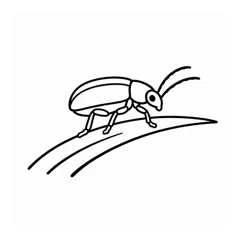
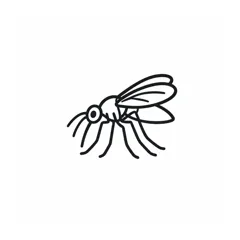
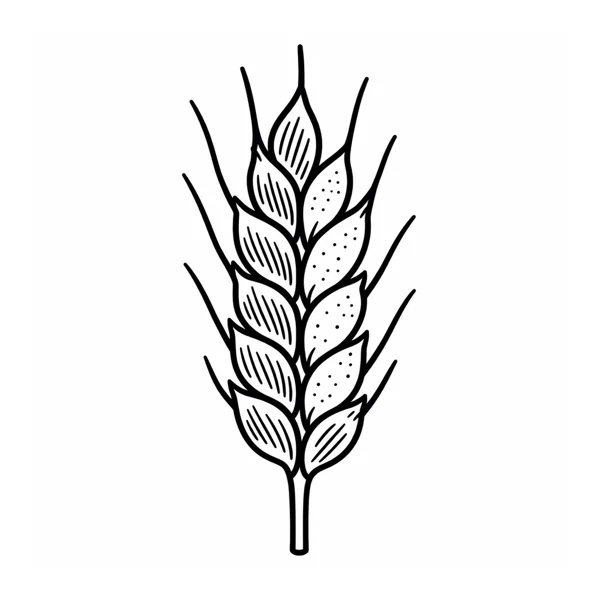
Pests to watch for



A little history
Barley is one of the oldest cultivated crops, grown in the Fertile Crescent around 10,000 years ago. Ancient peoples ate it as bread and porridge and brewed it into beer. It was a staple in ancient Egypt, Greece, and Rome. Today most barley goes to animal feed and malting, and a smaller share to food.
When to sow in your zone
Spring barley: Sow as soon as the soil can be worked in early spring. The seed will sprout in soil as cool as about 40°F, and young plants shrug off light frost. It's ready to cut in mid to late summer.
Winter barley (zone 6 and warmer): Sow in fall and let it sit through winter. It ripens around June, weeks ahead of a spring sowing.
- Zones 6 and 7: Sow from mid September to early October, so the plants root in well before the first hard freeze. In zone 6, choose a winter-hardy variety and a sheltered spot, because barley is less cold-tough than rye or wheat. If your area has a Hessian fly-free date (your local extension office posts it each year), sow in the week or so after it. Sowing too early in warm fall weather also invites aphids and the yellow dwarf virus they carry.
- Zones 8 and 9: The ground rarely freezes, and barley keeps growing through the winter. You can sow any time from September to February, though a sowing before November usually gives the strongest stand.
As a cover crop: Sow in early fall so the stand is up and green before cold weather. See how to sow a cover crop in fall.
Not sure which group you're in? Look up your area on the zone pages for your frost dates, then count back from your last frost for a spring sowing.
Growing it, step by step
Sowing the patch
Barley does best in a loam or clay loam. Very sandy soil dries out too fast for it, so work in plenty of compost there. Sow directly into loosened soil, either scattered evenly or in rows 6 to 8 inches apart. Cover with 1 to 2 inches of soil and firm it down. Use seed sold for planting. Keep the soil moist until the seedlings come up.
No transplanting
Barley isn't transplanted. Sow it where it will grow.
Water through the green stage
Give about an inch a week through sprouting and early growth. Ease off as the heads fill and ripen, because dry weather helps the crop dry down.
Mulch? Not really
A thick stand shades its own soil, so mulch usually isn't needed.
Go easy on the feed
Work compost in before sowing. Too much nitrogen gives tall, weak stems that fall over (lodging). Barley is happy anywhere from pH 6.0 to 7.0 and copes better than most grains with slightly alkaline soil.
Keeping it happy
Weed carefully while plants are young. Once the stand closes in, it shades out most weeds. Net the crop as the heads ripen, because birds love the seed. If you're growing barley as a cover crop, mow it before it sets seed and turn it under or leave it as mulch.
Trouble in the bed
- Aphids: Hose them off or encourage ladybugs. They also spread barley yellow dwarf virus, which stunts and yellows the plants, so don't sow winter barley too early in fall.
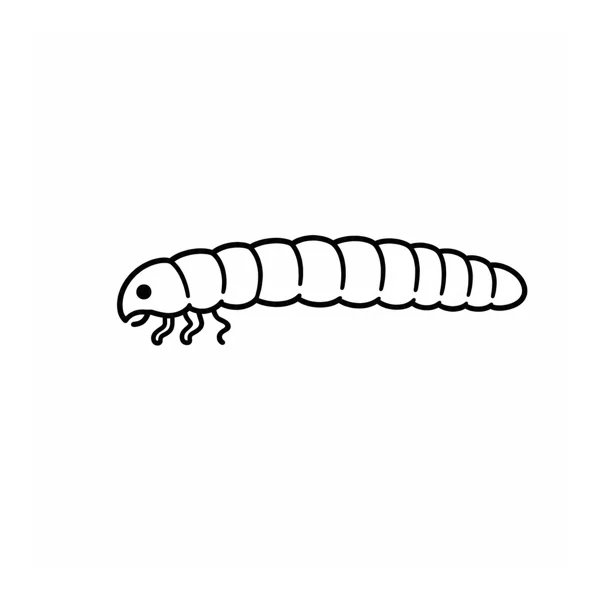
- Hessian fly: Its larvae weaken the stems of fall-sown barley. Sowing after your local fly-free date is the best defense.
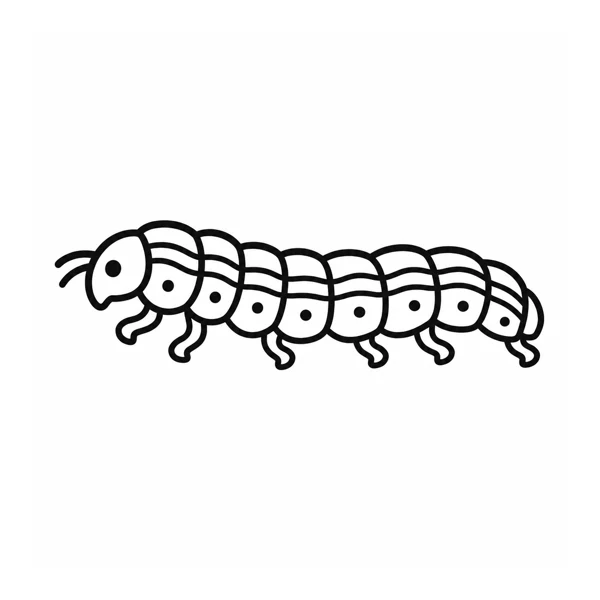
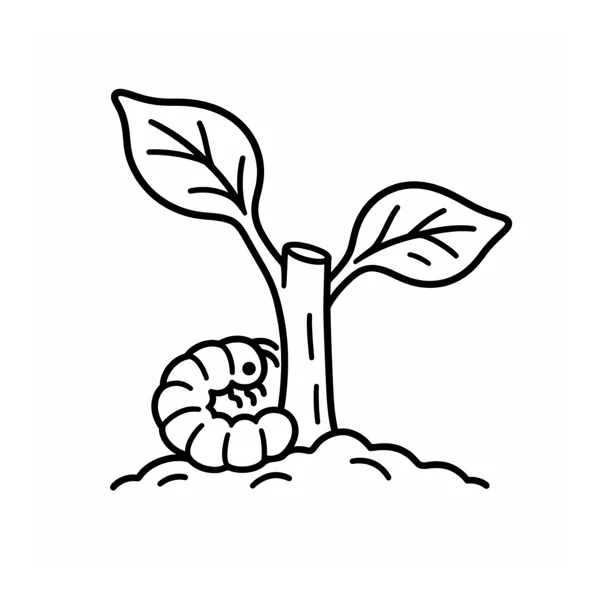
- Armyworms and cutworms: Check young plants in spring and pick off caterpillars by hand in a small patch.
- Birds: Cover with netting as the heads ripen.
- Fusarium head blight (scab): Bleached, pinkish heads after warm, wet weather at flowering. Rotate away from corn and other grains. More on the Fusarium head blight page.
- Rust and powdery mildew: Choose resistant varieties, space well, and rotate crops.
- Net blotch and leaf spot: Rotate crops and clear away residue after harvest.
- Smut: Use clean seed from a reliable source.
Good neighbors



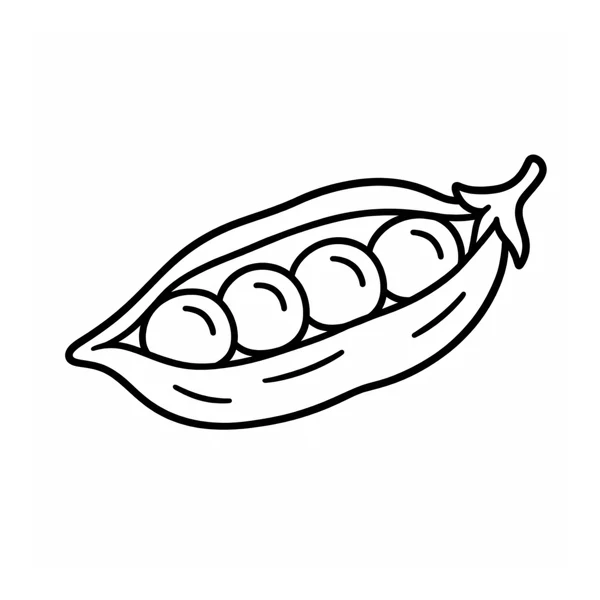




Good: Peas, vetch, and clover, especially in a cover crop mix, where the legumes add nitrogen. Barley is happiest in a block or a mix of its own rather than tucked between vegetables.
Avoid: Planting barley straight after other grains, because diseases carry over. A simple crop rotation plan helps.
Seeds that grow well in your area in November
Affiliate links — shopping through these helps keep Evening Vines free. Smooth Blue Aster
 Polka Dot Mix
 Black-Eyed SusanSeeds
 ColumbineSeeds
Varieties worth growing
- Robust: A six-row spring barley. Seeds
- Conlon: A two-row spring type popular in the north.
- Tradition: A six-row spring malting variety.
- Hulless barley: Types whose grains thresh free of the tough hull, the easiest to use at home.
- Purple or black hulless types: Dark-grained barleys grown for color and flavor.
Barley seeds to buy
Affiliate links — shopping through these helps keep Evening Vines free.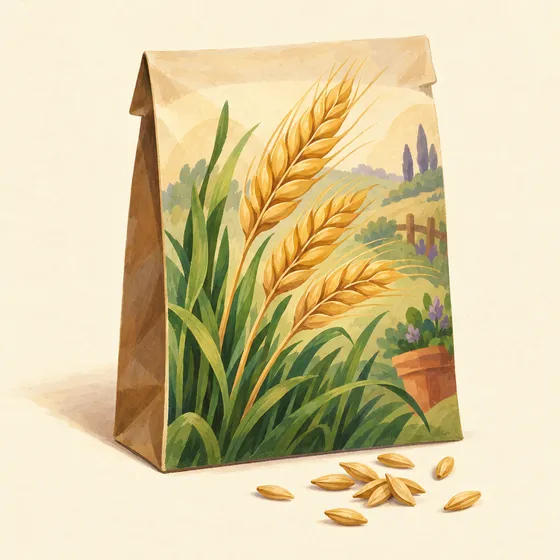 Robust
Picking notes
Harvest when the stalks are golden and dry and the kernels are hard enough that a fingernail won't dent them. Winter barley is usually ready around June, spring barley in mid to late summer.
Cut with a sickle or shears and bundle the stalks. Let them dry under cover for 1 to 2 weeks, then thresh by beating the heads and winnow off the chaff in a light breeze. Hulled types need dehulling before cooking (pearling, which polishes the grain further, is optional). Hulless types don't need either.
Saving seed for next year
Barley pollinates itself, so its seed comes true. Save seed from your best plants, dry it fully, and store it in a sealed jar somewhere cool and dry, safe from mice. More tips in saving seeds from your garden.
From garden to table
Barley is a whole grain high in fiber, including beta-glucan. Cook it in soups, stews, and salads, or malt it for brewing. In the garden it makes an excellent soil-building cover crop.
Questions from the potting bench
Can I grow barley in a small garden? Yes. Even a 50-square-foot bed gives a modest harvest.
What's the difference between spring and winter barley? Spring barley is sown in early spring and cut in mid to late summer. Winter barley is sown in fall, stays green through winter, and ripens around June the next year.
Can I grow winter barley in zone 6? Often, yes, in the milder parts of zone 6. Pick a winter-hardy variety, sow by early October, and give it a sheltered spot. In colder spots, stick to spring barley.
Is barley a good cover crop? Yes. It comes up fast, covers bare soil, and smothers weeds. Mix it with peas, vetch, or clover to add nitrogen too.
How do I remove the hull? Hulled types need dehulling, by rubbing or milling the hull off. Pearling is an extra polish you can skip. Hulless varieties are much easier at home.
Grower reports
How did Barley do in your garden? Members rate it and say which zone and month they planted, so everyone can see what works near them.
Recent community discussions
No one has talked about Barley yet. Be the first.
Seeds to try
Affiliate links — shopping through these helps keep Evening Vines free.Essentials for Growing Barley
 Grow Bags
Breathable fabric pots: grow almost anything on a patio, balcony or driveway, and roots never circle.
See it →
 Seed Starting Tray
Reusable tray with a clear dome to give seeds a warm, humid start indoors.
See it →
 Garden Hand Tools
Trowel, transplanter and cultivator: the three tools you reach for most.
See it →
 Organic Fertilizer
Slow-release organic plant food for vegetable beds and containers.
See it →
 Watering Can
Long-spout can for gentle watering of seedlings and pots.
See it →
 Pruning Shears
Sharp bypass pruners for harvesting, deadheading and tidying.
See it →
