
Chervil
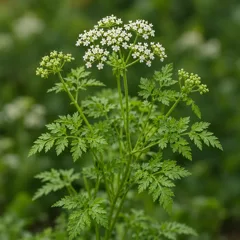
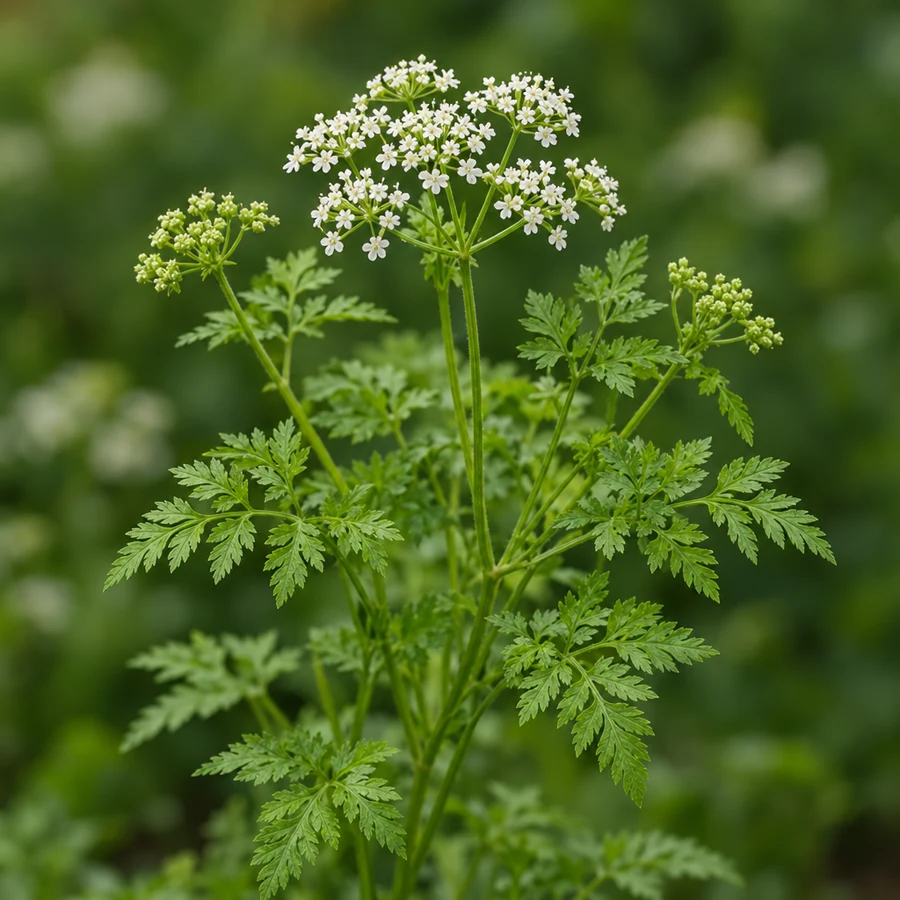
Chervil is a soft, lacy herb with a gentle anise-and-parsley flavor, and one of the four herbs in the French "fines herbes" mix. It's one of the few herbs that actually likes shade and cool weather, so it grows happily in the spots where basil and rosemary sulk.
Recent community discussions
No one has talked about Chervil yet. Be the first.
At a glance
| Plant type | Cool-season herb |
| Botanical name | Anthriscus cerefolium |
| Annual or perennial | Annual |
| Sun | Part shade |
| Water | Moderate, keep evenly moist |
| Soil | Moist, rich, well-drained soil |
| Spacing | 6 to 9 inches |
| Planting depth | Surface sow, barely covered |
| Days to germinate | About 7 to 21 (slowest in cold soil) |
| Days to maturity | About 40 to 60 |
| Best USDA zones | 3 to 10 as a seasonal crop |
| Soil pH | 6.0 to 7.0 |
Is it chervil weather where you are? See everything to plant this month or read your zone notes.

Direct sow 2–3 weeks before last frost. Successive sowings every 2–3 weeks until midsummer. Fall sowing in mild climates extends harvest.

6–8 weeks; bolts in hot weather.

Zones 3–7, April?June; in mild zones September?November; indoors year-round.

Moist, fertile silty loam, pH 6.0–7.0. Compost improves leafy growth.
Pests to watch for




Diseases

A little history
Chervil comes from the Caucasus and southern Russia. The Romans carried it across Europe, and it became a fixture of French cooking.
When to sow in your zone
When to plant chervil depends on your frost dates rather than the calendar. Look up yours on the zone pages first.
Spring: Sow outdoors 2 to 3 weeks before your last spring frost. If you're not sure how to work that out, count back from your last frost. Sow a fresh short row every 3 to 4 weeks until the weather turns hot. Summer sowings usually run to flower within a few weeks.
Fall: Sow again in late summer once the worst heat has passed. In zones 8 to 10, chervil keeps growing through the winter.
November: In zones 8 to 10 you can still sow chervil now for leaves through winter and early spring. In colder zones, write it on next year's list for 2 to 3 weeks before your last spring frost. The November page has the rest of this month's sowing.
Growing it, step by step
From seed
Sow straight into the bed where it will grow, because chervil hates being moved. Rake the soil fine, water it, scatter the seed and press it in with your palm. Leave it uncovered or give it the lightest dusting of soil, because the seed needs light to sprout. Keep the surface damp until seedlings show, which can take three weeks in cold soil. Thin to about 6 inches apart (thinning seedlings). More on early spring sowing in direct-sow cool-season crops.
Moving it outside
Best avoided. If you must, move very small seedlings with all the soil around their roots.
Water
Keep evenly moist. Dry soil is the fastest way to make chervil bolt.
Mulch
A thin mulch keeps the roots cool and the soil damp. Pull it back from tiny seedlings so slugs have less cover.
Feeding
A little compost worked in before sowing is enough. Rich feeding gives soft growth without more flavor.
Keeping it happy
Snip often and pinch out flower stems as soon as you see them to hold off bolting. Tuck chervil on the north or east side of taller crops, where it gets morning sun and afternoon shade. The same tricks that keep salad greens going work here too: see keep lettuce from bolting.
Trouble in the bed
- Slugs and snails: The main pest, and they love the same damp, shady beds chervil does. Hand-pick on wet evenings and check under nearby boards and pots.
- Aphids: Knock them off with a jet of water and check the undersides of leaves.
- Leaf miners: Now and then. Small fly larvae, including celery leaf miner, tunnel inside the leaves and leave pale blotches. Pick off and throw away mined leaves.
- Powdery mildew: A white, dusty coating on the leaves, mostly late in the season. See powdery mildew and powdery mildew in late summer.
Good neighbors



Good: Lettuce, radishes, and broccoli and other brassicas. They like the same cool weather, and taller brassicas give chervil the light shade it wants.
Gardeners have long said chervil keeps slugs off lettuce. That's folk advice rather than tested fact, and some growers think it works as a decoy, drawing slugs to itself instead. Keep an eye on both plants either way.
Avoid: Hot, sunny, dry spots.
Seeds that grow well in your area in November
Affiliate links — shopping through these helps keep Evening Vines free. Purple Coneflower
 Stinging Nettle
 Smooth Blue Aster
 Polka Dot Mix
Varieties worth growing
- Common (plain) chervil: Flat, fern-like leaves.
- Curled chervil: Frilly leaves that look pretty on a plate. Seeds
- Brussels Winter: Slower to bolt and hardier, a good pick for fall sowing.
Chervil seeds to buy
Affiliate links — shopping through these helps keep Evening Vines free.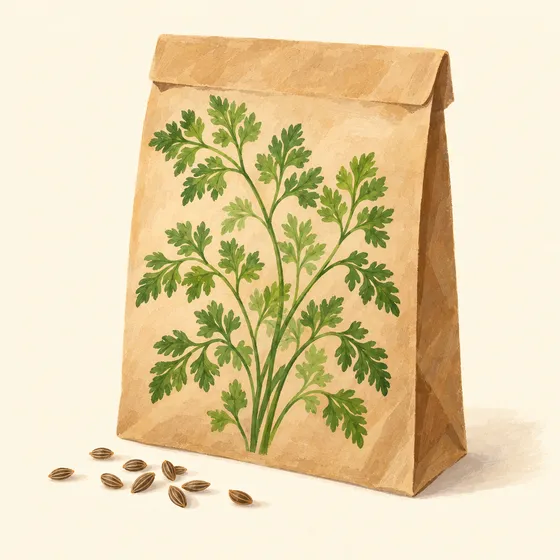 ChervilSeeds
Picking notes
Start cutting 6 to 8 weeks after sowing, taking the outer stems first so the center keeps growing. Use it fresh. It loses most of its flavor when dried.
Saving seed for next year
Let a few plants flower and collect the seed once it turns dark. Chervil self-sows readily, so a few plants left alone often give you a new patch the next cool season. More in saving seeds from your garden.
From garden to table
Add fresh chervil at the very end of cooking, because heat flattens its flavor. It's lovely in eggs, with fish, in salads and soups, and in sauces like béarnaise.
Questions from the potting bench
Why does my chervil bolt so fast? Heat, sun and dry soil. Sow it in spring and fall, give it afternoon shade and keep it watered.
Can I dry chervil? You can, but it loses most of its flavor. Freezing keeps more of it.
Can I grow chervil indoors? Yes, on a bright windowsill out of hot direct sun. See grow herbs on a windowsill.
Grower reports
How did Chervil do in your garden? Members rate it and say which zone and month they planted, so everyone can see what works near them.
Recent community discussions
No one has talked about Chervil yet. Be the first.
Seeds to try
Affiliate links — shopping through these helps keep Evening Vines free.Essentials for Growing Chervil
 Grow Bags
Breathable fabric pots: grow almost anything on a patio, balcony or driveway, and roots never circle.
See it →
 Seed Starting Tray
Reusable tray with a clear dome to give seeds a warm, humid start indoors.
See it →
 LED Grow Light
Full-spectrum light for sturdy seedlings through short winter days.
See it →
 Pruning Shears
Sharp bypass pruners for harvesting, deadheading and tidying.
See it →
 Watering Can
Long-spout can for gentle watering of seedlings and pots.
See it →
 Organic Fertilizer
Slow-release organic plant food for vegetable beds and containers.
See it →
