
Garlic
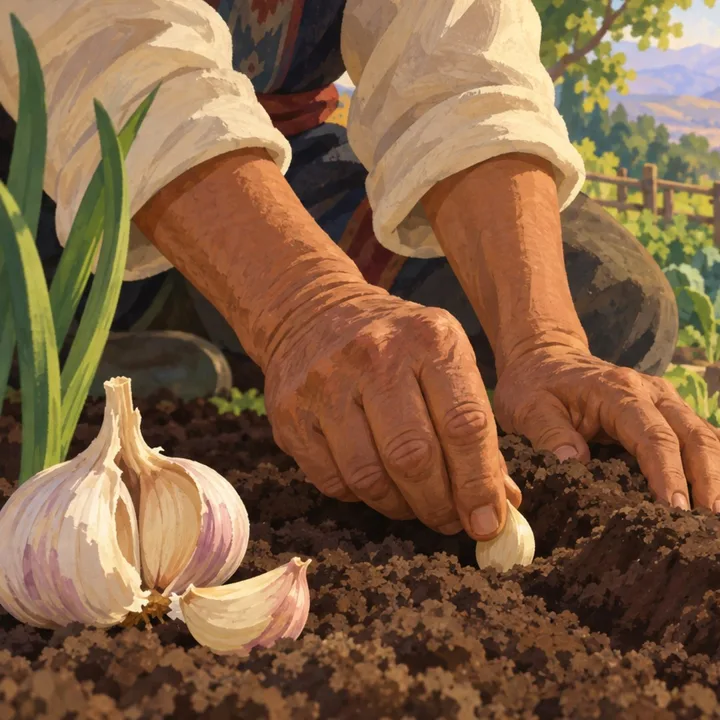
Garlic is one of the easiest crops in the garden and one of the most patient. You plant single cloves in fall, they root and sit quietly through winter, and by early summer each clove has turned into a whole new bulb. A short row gives a year of cooking, and the best bulbs become next year's seed.
Recent community discussions
No one has talked about Garlic yet. Be the first.
At a glance
| Plant type | Vegetable (bulb) |
| Botanical name | Allium sativum |
| Annual or perennial | Perennial, grown as an annual |
| Sun | Full sun |
| Water | About 1 inch per week; stop about 2 weeks before harvest |
| Spacing | 6 inches apart, rows 12 inches apart |
| Planting depth | 2 inches, pointed end up |
| Days to germinate | Roots form in the first few weeks; shoots may wait until spring |
| Days to maturity | About 8 to 9 months from fall planting |
| Best USDA zones | 3 to 9; softneck types also grow in mild-winter zones |
| Soil pH | 6.0 to 7.0 |
From planting to harvest
Is it garlic weather where you are? See everything to plant this month or read your zone notes.

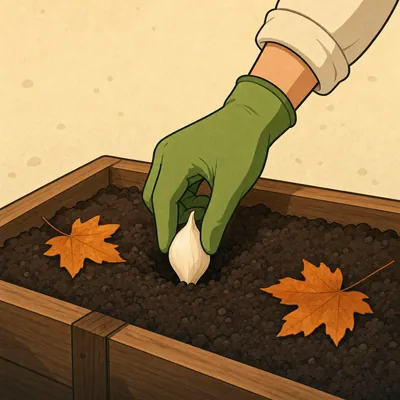
Fall, 4 to 6 weeks before the ground freezes; late fall or early winter where winters are mild.

About 8 to 9 months from fall planting to harvest.

Usually July, when the lower leaves are brown and 5 or 6 are still green. Cure 2 to 4 weeks.

Loose, well-drained soil rich in compost, pH 6.0 to 7.0. Avoid heavy, waterlogged ground.
Pests to watch for

Diseases
Mateo is researching the diseases that affect this plant.
A little history
Garlic was first grown in Central Asia thousands of years ago and spread along trade routes to Egypt, Greece, Rome and China. It has been food, medicine and folklore for most of recorded history, and almost every kitchen in the world still uses it.
When to sow in your zone
Fall: Plant cloves 4 to 6 weeks before the ground freezes. In the north that is often October. Garlic needs a spell of winter cold to divide into cloves, which is why fall planting gives the biggest bulbs.
Mild winters: Where the ground never freezes, plant in late fall or early winter once the soil has cooled, and choose softneck types.
Growing it, step by step
Choosing cloves
Plant cloves from seed garlic or from a garden center rather than the grocery store, which may be treated to stop sprouting or suited to a different climate. Break the bulb apart just before planting and keep the largest cloves: big cloves make big bulbs.
Planting
Set each clove pointed end up, 2 inches deep and 6 inches apart, in rows 12 inches apart.
Soil and sun
Full sun and loose, well-drained soil with plenty of compost worked in. Garlic sits in the ground for many months, so heavy, waterlogged soil is the main thing that goes wrong.
Mulch
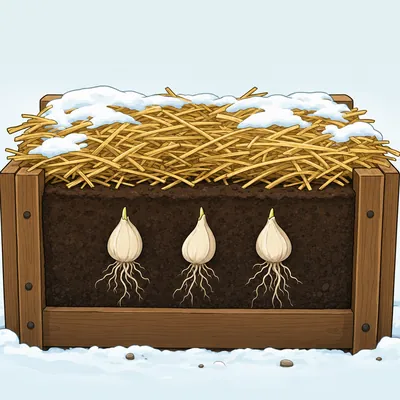
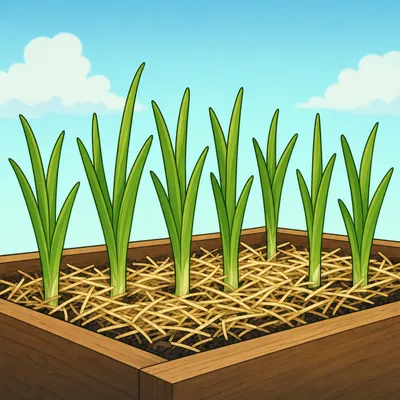
After planting, cover the bed with 4 to 6 inches of straw. It keeps the soil from freezing and thawing over winter and smothers weeds in spring. Pull it back a little in spring if the soil stays cold and wet.
Keeping it happy
- Feeding: Give a nitrogen feed in spring, when the leaves start growing again.
- Watering: About 1 inch of water a week while it grows. Stop watering about 2 weeks before harvest so the bulbs firm up and keep well.
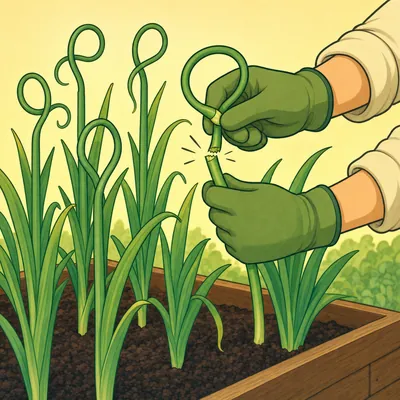
- Scapes: Hardneck garlic sends up a flower stalk (a scape) in late spring. Snap it off once it curls so the plant puts its energy into the bulb. Scapes are good to eat.
- Weeds: Garlic hates competition. Keep the bed weeded, especially in spring.
Trouble in the bed
- White rot: A soil fungus that rots the roots and bulbs. It can survive in the soil for many years, so rotate garlic and its onion-family relatives to a new bed and don't bring in bulbs from infected ground.
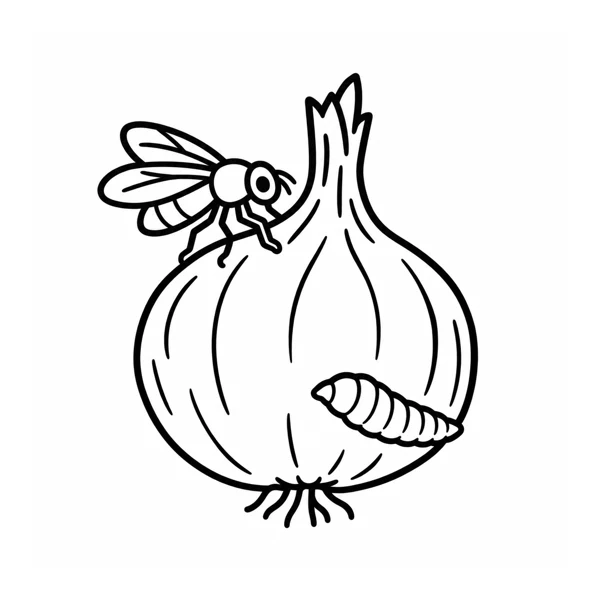
- Onion maggots: Small fly larvae that tunnel into bulbs. Rotating beds and covering young plants helps.
- Thrips: Tiny insects that leave silvery streaks on leaves. A hard spray of water and good watering keep them in check.
Good neighbors
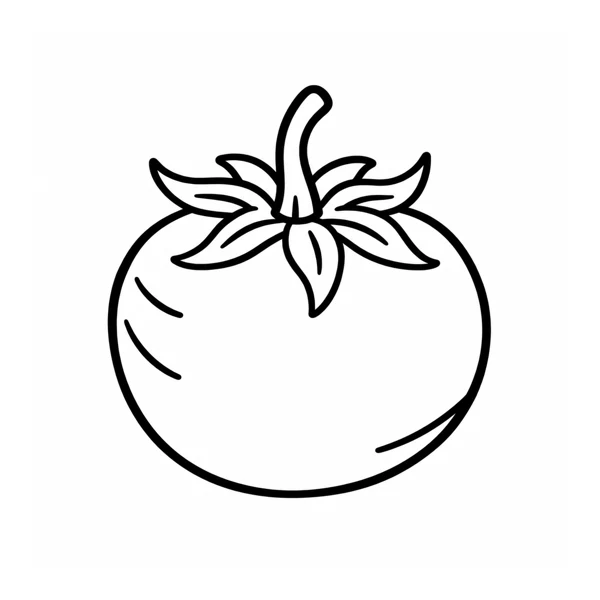
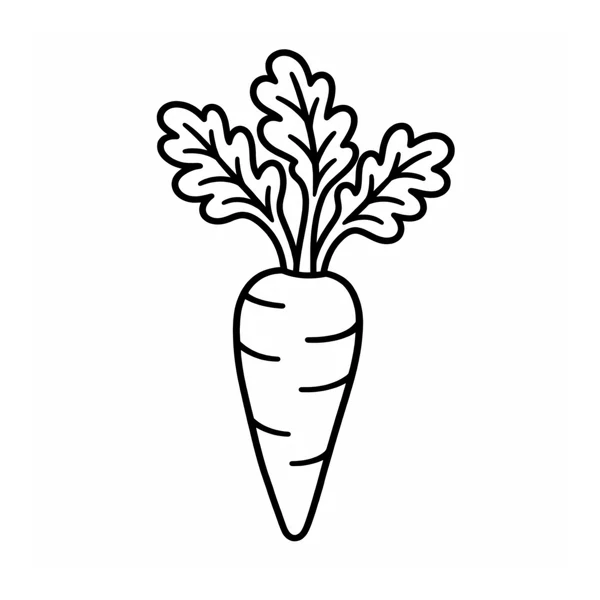
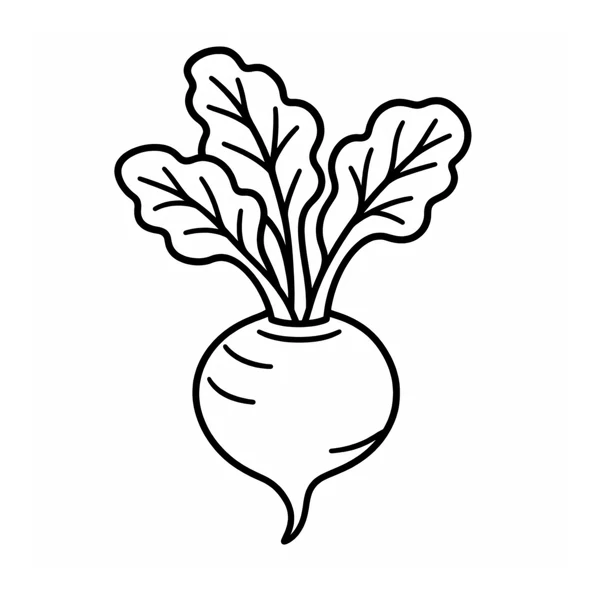


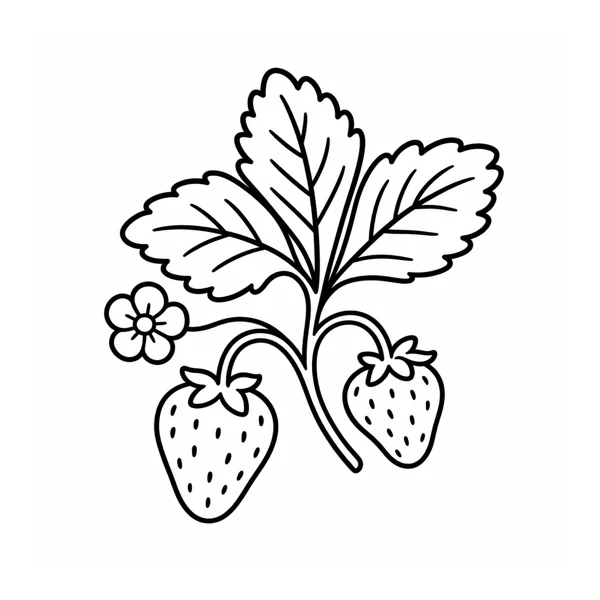
Garlic grows well near tomatoes, carrots, beets, lettuce, cabbage and strawberries, and many gardeners plant it around roses. Keep it away from beans and peas, which grow poorly next to onion-family plants.
Seeds that grow well in your area in November
Affiliate links — shopping through these helps keep Evening Vines free. PhloxSeeds
 Royal Mix
 Johnny Jump Up
 Organic Cat Grass
Varieties worth growing
Garlic bulbs to buy
Affiliate links — shopping through these helps keep Evening Vines free.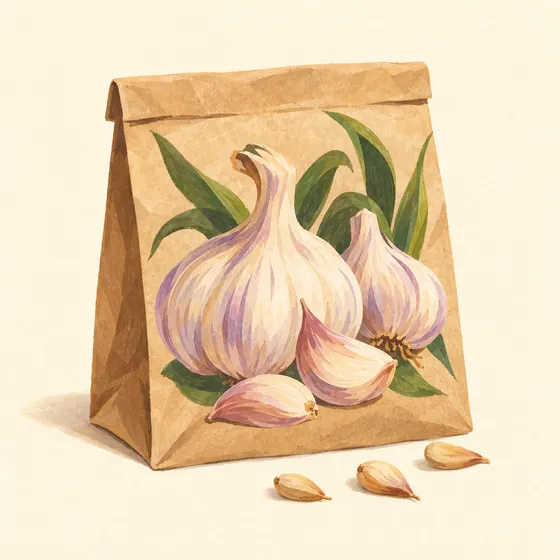 GarlicBulbs
Picking notes
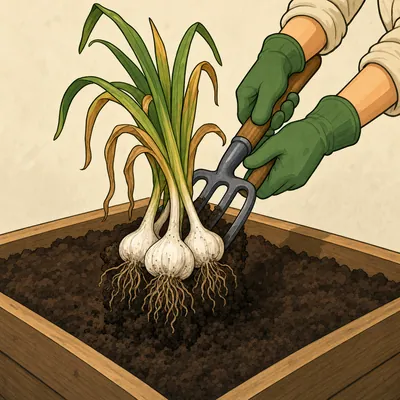
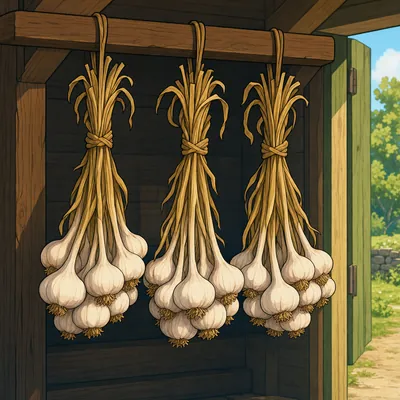
Dig the bulbs when the lower leaves have turned brown but 5 or 6 green leaves remain. That is usually in July. Lift them gently with a fork rather than pulling, keep them out of the sun, and cure them somewhere dry and airy for 2 to 4 weeks until the skins are papery. Then trim the roots and stems and store them somewhere cool and dry.
Saving seed for next year
Garlic is grown from its own cloves. Set aside your biggest, healthiest bulbs at harvest and replant their largest cloves in fall. Over a few years your garlic adapts to your garden.
From garden to table
Garlic adds flavor to almost every savory dish, raw, roasted or cooked. It contains allicin, the compound that gives crushed garlic its bite. Scapes can be used like green onions or blended into pesto.
Questions from the potting bench
Can I plant garlic in spring? You can, but bulbs are usually smaller, because the cloves miss the winter cold they need to divide.
Why did my garlic make one round bulb with no cloves? It probably didn't get enough cold, was planted too late, or the clove was small. It is still good to eat, and you can replant it in fall.
How do I know when it's ready? Count the leaves: when the lower ones are brown and 5 or 6 are still green, dig one bulb to check.
Grower reports
How did Garlic do in your garden? Members rate it and say which zone and month they planted, so everyone can see what works near them.
Recent community discussions
No one has talked about Garlic yet. Be the first.
Bulbs to try
Affiliate links — shopping through these helps keep Evening Vines free.Essentials for Growing Garlic
 Grow Bags
Breathable fabric pots: grow almost anything on a patio, balcony or driveway, and roots never circle.
See it →
 Garden Hand Tools
Trowel, transplanter and cultivator: the three tools you reach for most.
See it →
 Plant Labels
Waterproof markers so you know what's coming up where.
See it →
 Soaker Hose
Waters the roots slowly, not the leaves: less disease, less water, less work.
See it →
 Organic Fertilizer
Slow-release organic plant food for vegetable beds and containers.
See it →
 Watering Can
Long-spout can for gentle watering of seedlings and pots.
See it →
