
Chives
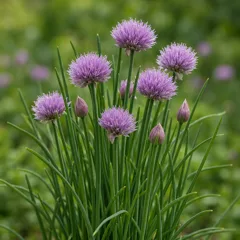
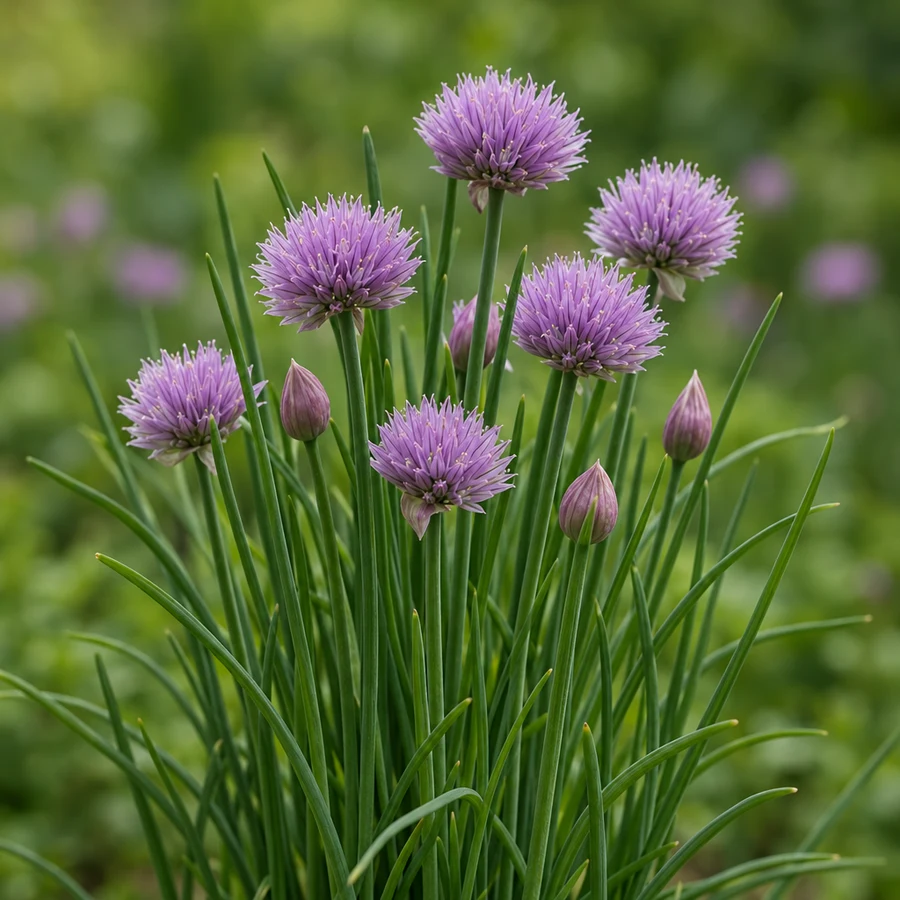
Snip a fistful of chives for the breakfast eggs, and by the next weekend the gap in the clump has filled itself back in. Few plants in the bed take being eaten so cheerfully. The leaves are hollow, grassy and mildly oniony, and in late spring the clump puts up round purple flower heads that the bees work all day.
Plant chives once and they come back every year, a little wider each time. They're alliums, close cousins of onions and garlic.
Recent community discussions
No one has talked about Chives yet. Be the first.
At a glance
| Plant type | Herb (allium) |
| Botanical name | Allium schoenoprasum |
| Annual or perennial | Hardy perennial |
| Sun | Full sun to part shade |
| Water | About 1 inch per week |
| Spacing | 6 to 12 inches |
| Planting depth | 1/4 inch |
| Days to germinate | 7 to 14 |
| Days to maturity | About 60 to 90 from seed |
| Best USDA zones | 3 to 9 |
| Soil pH | 6.0 to 7.0 |
Is it chives weather where you are? See everything to plant this month or read your zone notes.

Sow indoors 8–10 weeks before last frost. Direct sow outdoors after frost danger has passed. Can also be fall sown in mild zones.

Germinates in 7–14 days; matures in 60–90 days; perennial.

Zones 3–10, May?October; in colder zones harvest resumes early spring; indoors year-round.

Moist, fertile loam, pH 6.0–7.0. Benefits from consistent moisture and compost.
Pests to watch for



Diseases

A little history
Chives grow wild across Europe and Asia. People in China were growing them about 4,000 years ago, and European gardens have kept them for the kitchen and for home remedies since the Middle Ages (UW-Madison Extension). Old household folklore held that a dried bunch hung up indoors would keep disease and evil out of the house (Old Farmer's Almanac).
When to sow in your zone
Spring: Start seeds indoors 6 to 8 weeks before your last frost, or sow straight into the bed as soon as the soil can be worked. If you're not sure your soil is ready, try the squeeze test. In zone 5, where the last frost usually comes in early to mid May, that means sowing indoors in mid to late March. Count back from your last frost to find your own date.
For the exact weeks where you live, enter your ZIP on the zone pages and you'll see chives alongside everything else you can sow that month.
Fall: Divide and replant established clumps in early fall, or in spring as new growth starts.
Growing it, step by step
From seed
Sow 1/4 inch deep, a pinch of several seeds together so they grow up as a little clump. Keep the soil evenly moist. Seedlings are slow and look like fine grass for the first few weeks, so mark the spot.
Moving it outside
Set clumps 6 to 12 inches apart. A piece of a friend's clump is the quickest start of all: it's ready to snip the same season.
Water
Water regularly, about an inch a week. An established clump shrugs off a short dry spell.
Mulch
A thin mulch keeps grass and weeds from creeping into the clump, where they're hard to pull out.
Feeding
A layer of compost each spring is all they ask.
Keeping it happy
When the purple flowers fade, give the whole clump a haircut down to about 3 inches. Within a few weeks it pushes up a fresh crop of tender leaves. Pick off the spent flower heads before they dry and turn papery, or chives will seed themselves all over the bed.
Every 2 to 3 years the middle of the clump gets crowded and the leaves turn thin. That's your sign to lift it in spring or early fall, pull it apart into pieces of about five little bulbs each, and replant them. There's a step-by-step in Divide chives and clumping herbs.
Trouble in the bed
- Onion thrips: Tiny insects that leave silvery streaks on the leaves. Hose them off or use insecticidal soap.
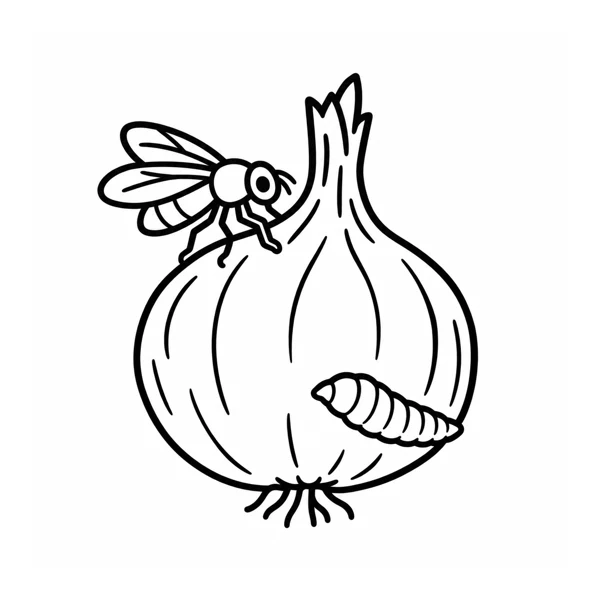
- Onion maggot (also called onion fly): The larvae tunnel into the bulbs at the base, and the leaves wilt and yellow. Cover young plants with row cover in spring, and pull and throw away any plants that collapse.
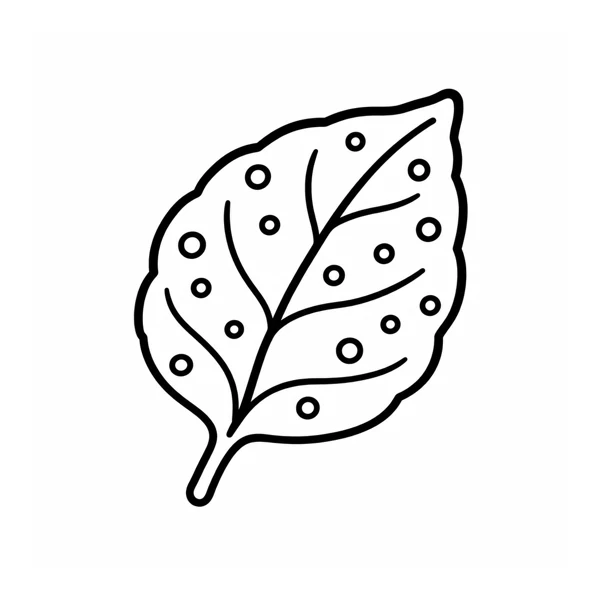
- Rust: Orange spots on the leaves. Cut off affected leaves and thin the clump so air can move through it.
- Downy mildew: Pale, fuzzy patches in cool, damp weather. Water at the soil, not over the leaves, and give the clump room.
Good neighbors


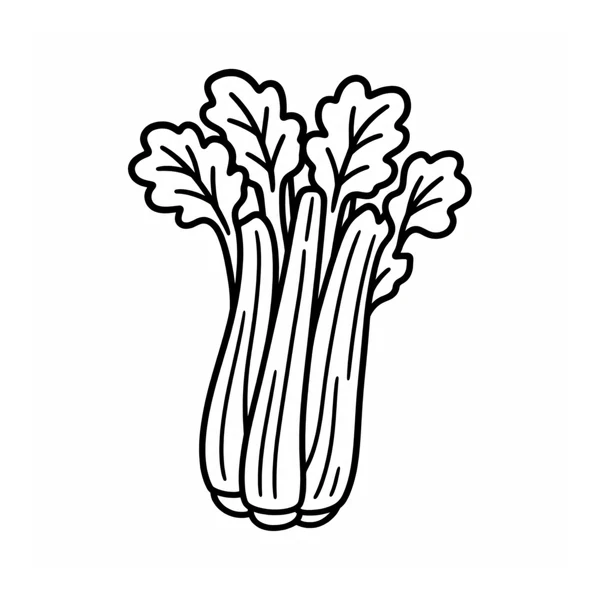




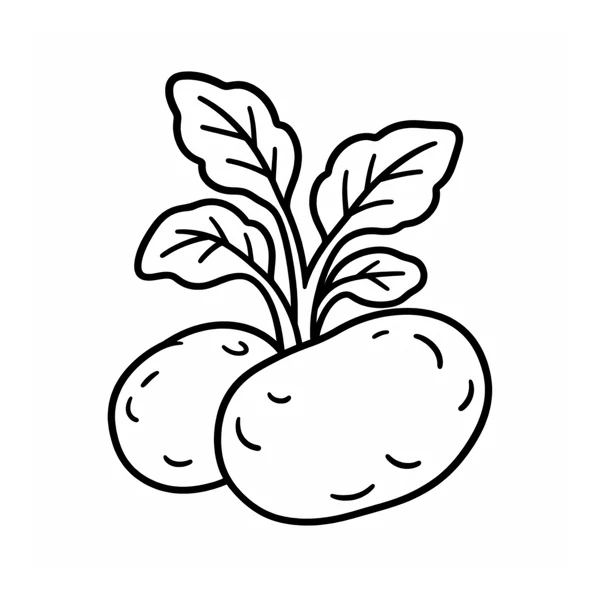

These are traditional pairings, passed down from gardener to gardener rather than proven in trials. The idea is that the oniony scent of chives helps hide nearby crops from some pests. Old garden lists put chives beside carrots, tomatoes, beets, lettuce, celery, roses, and the cabbage family such as cabbage and broccoli.
Some older lists say to keep chives away from beans and peas. There's little to back that up, and other traditional lists actually pair chives with peas, so we've left it out.
Seeds that grow well in your area in November
Affiliate links — shopping through these helps keep Evening Vines free.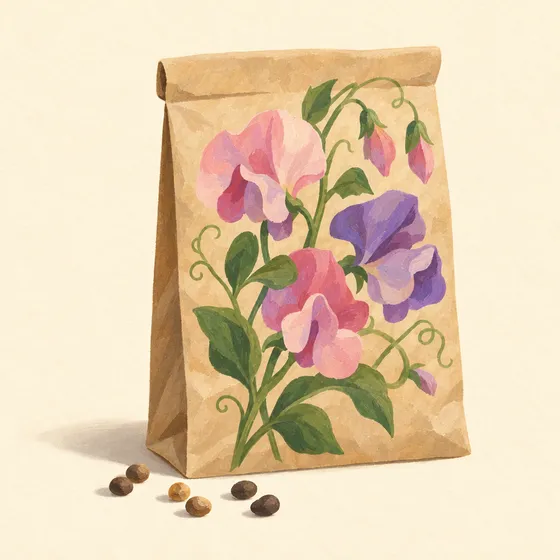 Royal Mix
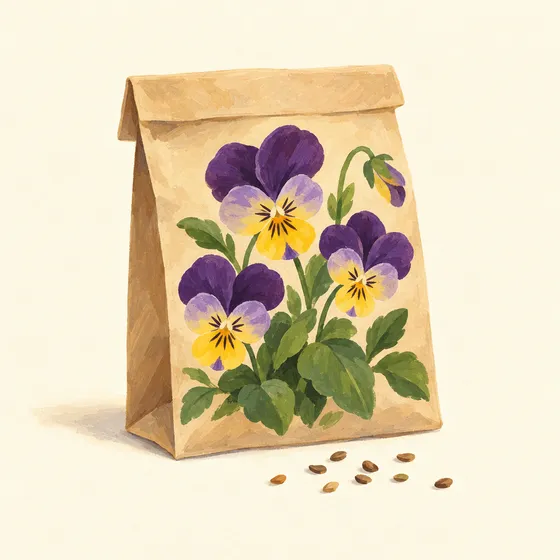 Johnny Jump Up
 Organic Cat Grass
 Arugula Microgreens
Varieties worth growing
Chives seeds to buy
Affiliate links — shopping through these helps keep Evening Vines free.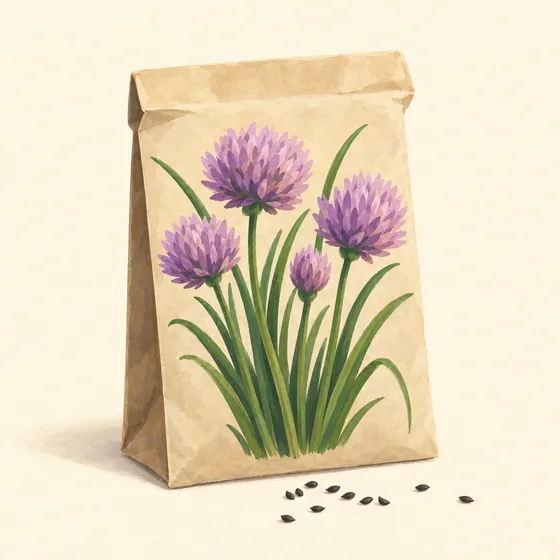 Garlic Chives
Picking notes
Once the leaves are about 6 inches tall, cut what you need 1 to 2 inches above the soil, taking whole leaves rather than trimming the tips. You don't need to replant anything: the clump grows new leaves from the same base after every cutting, so you can keep harvesting all season. (A cut leaf won't root on its own; it's the clump that does the regrowing.)
The flowers are edible too. For winter, chives keep their flavor better frozen than dried; see Freeze your summer harvest.
Saving seed for next year
Leave a few flower heads on the plant until they're dry and papery, then shake the small black seeds into a bag. More tips in Saving seeds from your garden.
From garden to table
Chives add a mild onion flavor and some vitamin K to eggs, potatoes, soups, and dips (USDA FoodData Central, chives, raw). Pull the flower heads apart and scatter the little florets over salads.
They do best in soil with a pH of 6.0 to 7.0 (University of Minnesota Extension; UConn Soil Testing Lab).
Pet safety: Chives are toxic to dogs and cats (and horses), like other onion-family plants (ASPCA). Grow them where pets can't graze, and call your vet if a pet eats some.
Questions from the potting bench
Will chives come back every year? Yes, in zones 3 to 9. Find yours on the zone pages.
How often should I divide chives? Every 2 to 3 years, in spring or early fall, once the middle of the clump gets crowded.
Can I grow chives indoors? Yes, in a sunny window. See Grow herbs on a windowsill, or try them in a herb container outdoors.
Are chive flowers edible? Yes, with a mild onion flavor.
Are chives safe for pets? No. They're toxic to dogs and cats, so keep them out of reach.
Grower reports
How did Chives do in your garden? Members rate it and say which zone and month they planted, so everyone can see what works near them.
Recent community discussions
No one has talked about Chives yet. Be the first.
Seeds to try
Affiliate links — shopping through these helps keep Evening Vines free.Essentials for Growing Chives
 Grow Bags
Breathable fabric pots: grow almost anything on a patio, balcony or driveway, and roots never circle.
See it →
 Seed Starting Tray
Reusable tray with a clear dome to give seeds a warm, humid start indoors.
See it →
 LED Grow Light
Full-spectrum light for sturdy seedlings through short winter days.
See it →
 Pruning Shears
Sharp bypass pruners for harvesting, deadheading and tidying.
See it →
 Watering Can
Long-spout can for gentle watering of seedlings and pots.
See it →
 Organic Fertilizer
Slow-release organic plant food for vegetable beds and containers.
See it →
