
Tomatillo
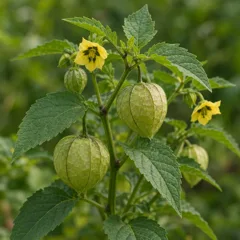
The first thing to know about tomatillos: one plant on its own will flower all summer and give you almost nothing. They aren't self-fertile, so you need at least two plants close enough for the bees to carry pollen between them. Get that right and you'll have more fruit than you know what to do with.
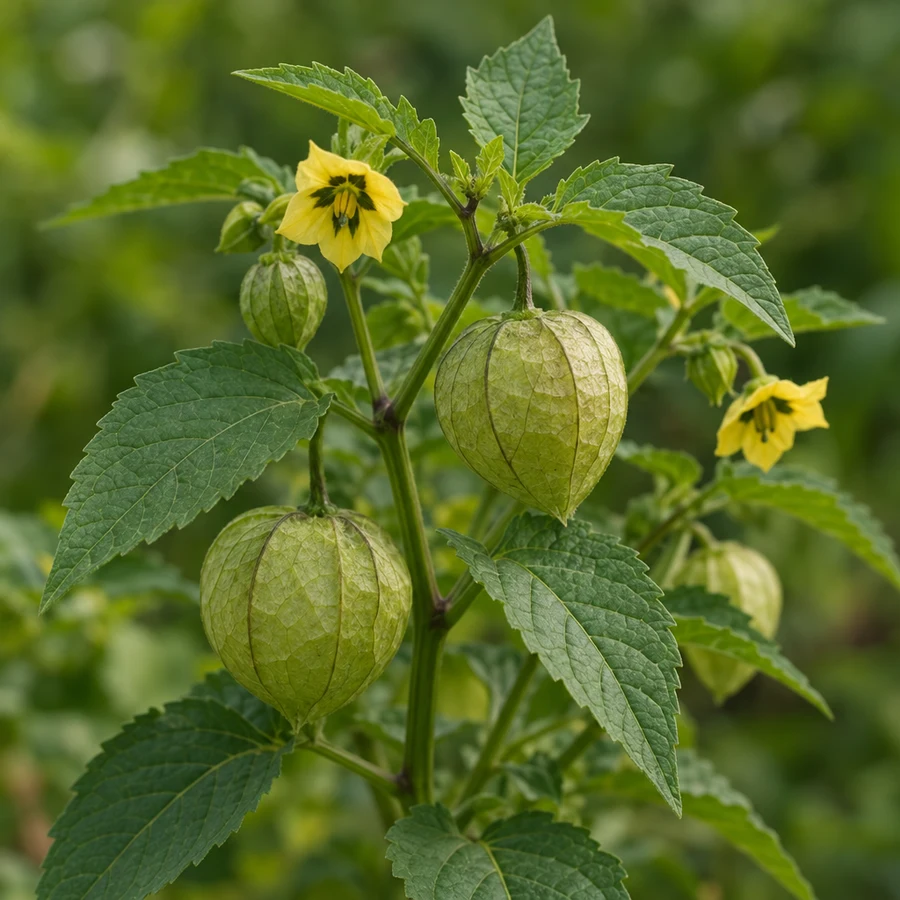
Each fruit grows inside a papery husk that looks like a little lantern. The husk fills out first, and the round fruit swells inside it until it splits the seams. The plants are big and sprawling, reaching 3 to 4 feet tall and wide, and the fruit is tart and bright when picked green. That tang is why cooks reach for them for green salsas and sauces.
Recent community discussions
No one has talked about Tomatillo yet. Be the first.
At a glance
| Plant type | Vegetable (fruiting) |
| Botanical name | Physalis philadelphica (syn. P. ixocarpa) |
| Annual or perennial | Annual |
| Sun | 6 to 8 or more hours of full sun |
| Water | 1 to 2 inches per week |
| Spacing | 24 to 36 inches |
| Planting depth | Seed 1/4 inch; transplants buried up to the first set of leaves |
| Days to germinate | 7 to 10 |
| Days to maturity | 60 to 75 from transplanting |
| Best USDA zones | 3 to 11 (grown as an annual) |
| Soil pH | 6.0 to 7.0 |
Is it tomatillo weather where you are? See everything to plant this month or read your zone notes.

Start indoors 6–8 weeks before last frost, transplant outdoors when soil reaches 65°F (18°C). In Zones 9–11, can be direct sown in late spring.

75–100 days.

Zones 4–11, Aug?Sept; harvest when husks split and fruit fully formed.

Fertile loam or clay loam, pH 6.0–7.0. Needs consistent watering.
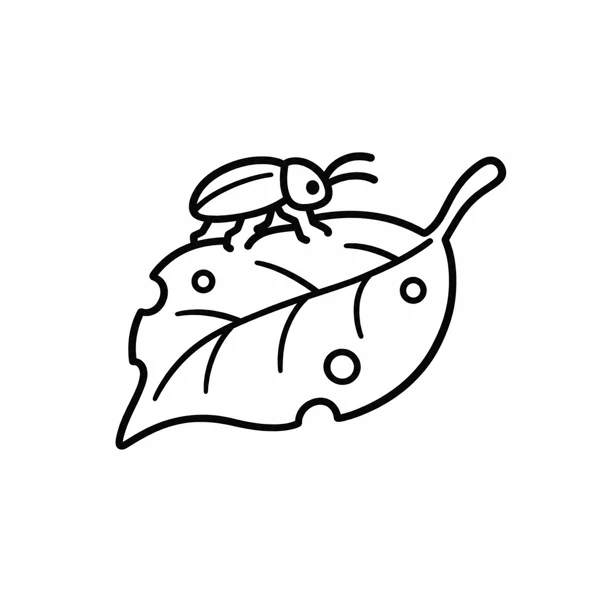
Pests to watch for





A little history
Tomatillos come from Mexico and Central America and have been part of Mexican cooking since before Columbus. They're still a kitchen staple there, and more and more US gardeners grow them alongside their tomatoes.
When to sow in your zone
Spring: Start seed indoors 6 to 8 weeks before your last frost. If you're not sure of the date, count back from your last frost. Plant out once the soil has warmed to 60°F or more, which is usually 2 to 3 weeks after the last frost. Cold soil stalls them, so it pays to wait.
Late summer: Tomatillos die at the first frost. Zones 10 and 11, where frost is rare, can sow again in late summer for a fall and winter crop. Zone 9 does get frost, usually in December or January, so sow there by midsummer so the fruit is picked before the first cold night.
Find your tomatillo planting dates: look up your zone on the zone pages and you'll find the month-by-month list of what to plant where you live.
Growing it, step by step
From seed
Sow seed 1/4 inch deep in seed-starting mix kept at 70 to 80°F. Seedlings come up in 7 to 10 days. Give them strong light so they stay short and sturdy; grow lights help a lot in late winter.
Moving it outside
Harden off the seedlings for about a week. Plant 24 to 36 inches apart in full sun and rich, well-drained soil, burying the stems up to the first leaves so they root along the buried part. Put two or more plants near each other so they can cross-pollinate. Set a tall cage or stake in at planting time, before the roots spread.
Water
Give 1 to 2 inches a week, deeply and evenly. Uneven watering can make the fruit split.
Mulch
Spread 2 to 3 inches of straw or shredded leaves once the soil has warmed, to hold moisture, keep weeds down, and keep fruit off the dirt.
Feeding
Mix compost into the bed at planting. Go easy on nitrogen, which gives you leaves instead of fruit. Side-dress with a balanced fertilizer when the first fruits form.
Keeping it happy
Cage or stake the plants, because loaded branches snap easily. Keeping them off the ground also lets air move through the leaves, which helps keep disease away. Keep weeds down and water steadily. Tomatillos self-seed readily, so pick up dropped fruit if you don't want volunteers next spring. Grow them in a new spot each year, away from where any nightshade grew last year (see our crop rotation plan).
Pets: the leaves, stems, husks and unripe fruit contain solanine and are toxic to dogs, cats and other animals. Only the ripe fruit is eaten. Keep pets out of the patch and clear away fallen fruit.
Trouble in the bed
Tomatillos are nightshades, so they share most of their troubles with tomatoes, peppers, eggplant and potatoes.
Pests
- Tomato hornworms: Big green caterpillars that strip leaves fast. Hand-pick them. Leave any carrying white wasp cocoons; the wasps will finish them off.
- Colorado potato beetles and three-lined potato beetles: Striped beetles and soft, humped larvae that chew the leaves. Hand-pick them, crush the yellow egg clusters under the leaves, and use row cover on young plants.
- Cutworms: Chew through young stems at the soil line overnight. Wrap a collar of cardboard around each new transplant.
- Flea beetles: Tiny hopping beetles that pepper young leaves with small holes. Row cover protects seedlings until they're big enough to shrug it off.
- Aphids: Cluster on new growth. Knock them off with water or use insecticidal soap.
Diseases
- Early blight: Brown spots with rings, starting on the lower leaves. Water at the base, mulch, and pull off spotted leaves.
- Powdery mildew: White, powdery patches on the leaves. Good spacing and support keep the air moving. More in our powdery mildew post.
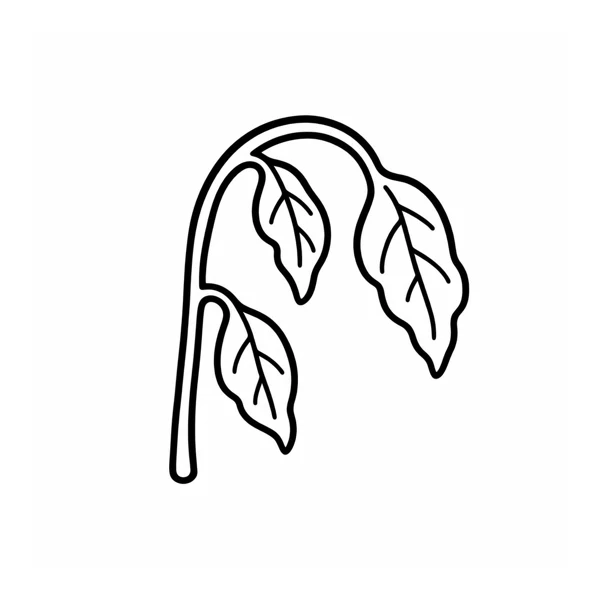
- Verticillium wilt: Leaves yellow and wilt, often on one side first. There's no cure; rotate beds and keep tomatillos out of soil where other nightshades wilted.
- Viruses: Mottled, curled or stunted leaves. Pull and throw away affected plants (not in the compost) and control aphids, which spread some viruses.
Good neighbors






Good neighbors:
- Marigolds, alyssum and other flowers: draw in bees, and tomatillos need bees to cross-pollinate.
- Dill and basil: dill flowers attract helpful insects such as tiny wasps, and basil enjoys the same sun and warmth.
- Onions, carrots and lettuce: low growers that fill the space at the plants' feet and don't share nightshade pests.
Keep apart:
- Potatoes, tomatoes, peppers and eggplant: they're nightshades too, so they share hornworms, potato beetles, flea beetles, early blight and Verticillium wilt. Grow them in a separate bed if you can.
- Fennel: tends to hold back most vegetables planted near it.
Seeds that grow well in your area in November
Affiliate links — shopping through these helps keep Evening Vines free. Foxglove Mix
 Rocket Larkspur
 Wild Lupine
 Common Milkweed
Varieties worth growing
- Toma Verde: A reliable classic with green fruit. Seeds
- Purple de Milpa: Purple-tinged fruit with a sweeter, richer flavor.
- Cisneros: Large fruit on productive plants.
- Verde Puebla: Dependable and widely grown.
- Ground cherry (Physalis pruinosa): Not a tomatillo, but a small, sweet relative grown the same way and eaten fresh. Seeds
Tomatillo seeds to buy
Affiliate links — shopping through these helps keep Evening Vines free.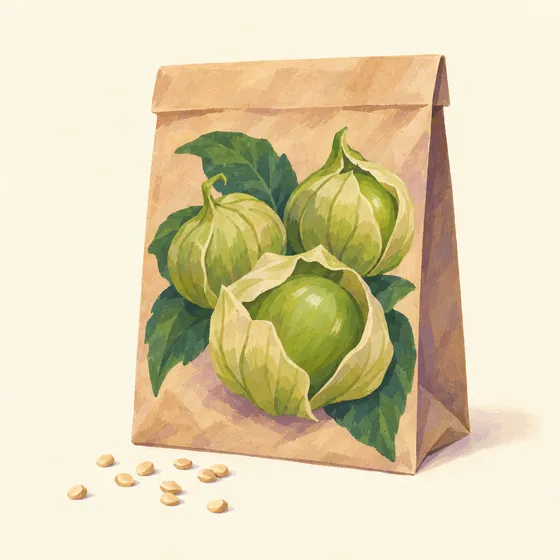 Grande Rio Verde
Picking notes
In most zones the first fruit is ready in mid to late summer and keeps coming until frost. Pick when the fruit fills its husk and the husk starts to split or turn tan. The fruit should be firm, bright, and a little sticky. Green types turn yellow when overripe and lose their tang; purple types deepen in color instead. Store them in their husks in the fridge for 2 to 3 weeks.
Saving seed for next year
Let a few fruits ripen fully until soft. Scoop out the seeds, rinse off the sticky coating, and dry them on a plate for a week or two. Store cool and dry for up to 3 years. Varieties cross easily, so grow one kind if you want seed that comes true. More in saving seeds from your garden.
From garden to table
Tomatillos are low in calories and give you vitamin C, vitamin K and fiber. Use them in green salsas, stews and sauces. Peel off the husk and rinse away the sticky film before cooking. Roasting mellows their tartness.
Questions from the potting bench
Why does my tomatillo have no fruit? It probably needs a partner. Plant at least two so they can pollinate each other.
Why are the husks empty? Husks form even when pollination fails. Empty husks are a sign you need a second plant nearby.
How do I know when to pick? When the fruit fills the husk and the husk starts to split.
Can my dog or cat eat tomatillos? No. The leaves, stems, husks and unripe fruit are toxic to pets. Keep animals away from the plants.
Grower reports
How did Tomatillo do in your garden? Members rate it and say which zone and month they planted, so everyone can see what works near them.
Recent community discussions
No one has talked about Tomatillo yet. Be the first.
Seeds to try
Affiliate links — shopping through these helps keep Evening Vines free.Essentials for Growing Tomatillo
 Grow Bags
Breathable fabric pots: grow almost anything on a patio, balcony or driveway, and roots never circle.
See it →
 Tomato Cages
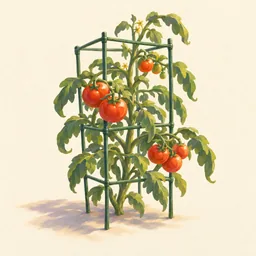
Sturdy square cages that hold heavy plants upright and keep fruit off the ground.
See it →
 Seedling Heat Mat
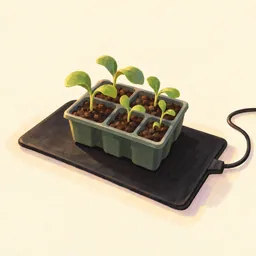
Gentle bottom heat so peppers, tomatoes and eggplant sprout in a cool house.
See it →
 Organic Fertilizer
Slow-release organic plant food for vegetable beds and containers.
See it →
 LED Grow Light
Full-spectrum light for sturdy seedlings through short winter days.
See it →
 Garden Hand Tools
Trowel, transplanter and cultivator: the three tools you reach for most.
See it →
