
 Cercospora Leaf Spot
At a glance
| Type | Fungus |
| Main cause | Cercospora species; on beets, chard and spinach it's Cercospora beticola. Other plants get their own closely related species |
| Worst conditions | Warm, humid weather with frequent rain, heavy dew or overhead watering |
Recent community discussions
No one has talked about Cercospora Leaf Spot yet. Be the first.
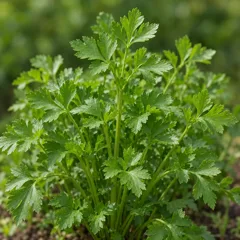
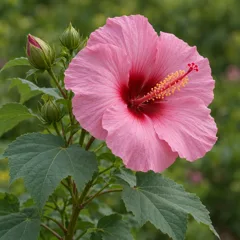
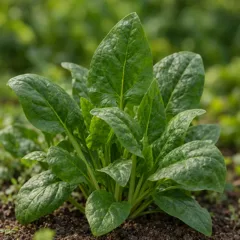
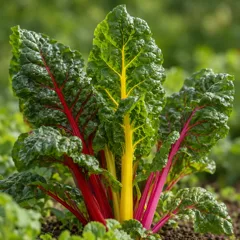
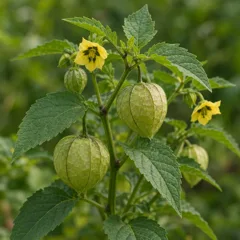
Cercospora leaf spot on beets and chard is the usual reason their leaves end up freckled with little tan spots in a warm, muggy summer. The beet-family strain also moves onto spinach. Celery, parsley, tomatillo and rose mallow each get a different species. The signs and the fixes are much the same, but celery's spots grow bigger.
Signs
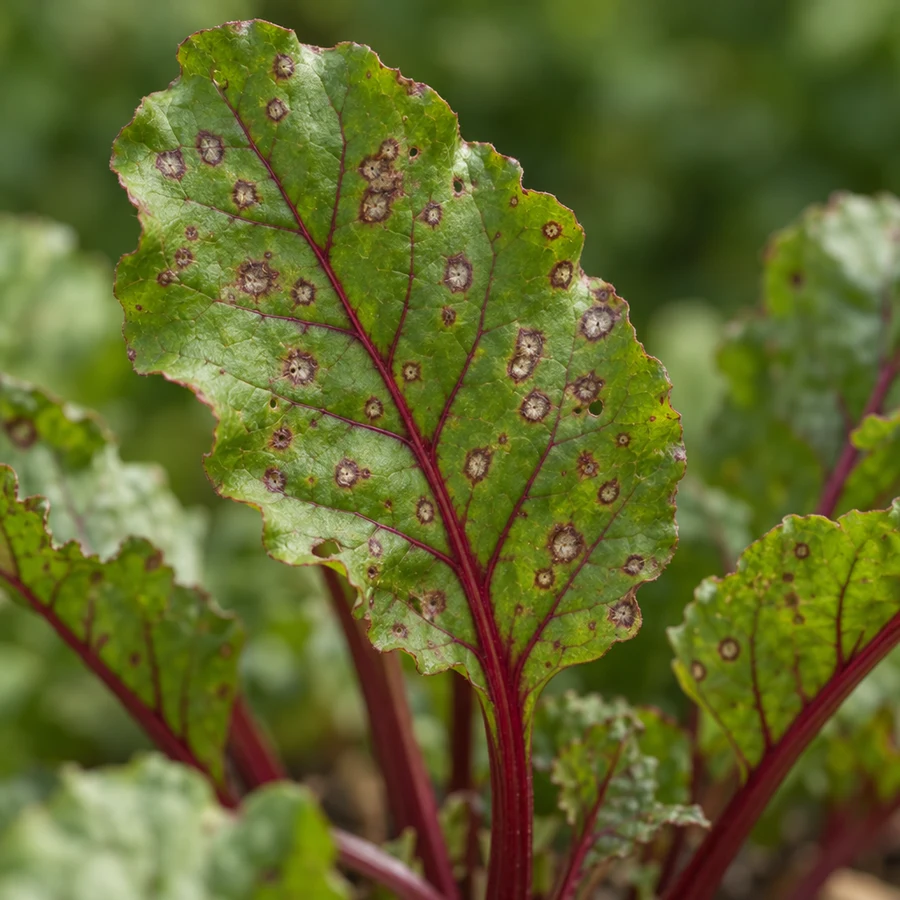
- Small round spots, scattered across older leaves first. On beets and chard they're about 1/8 inch (3 to 5 mm) across.
- On celery the spots start as small yellow flecks and grow into gray, round patches, up to about 3/4 inch across.
- On beets and chard the spots have pale tan or gray centers with a reddish-purple border.
- In humid weather the spot centers look gray and fuzzy as the fungus makes spores.
- Spot centers often dry and fall out, leaving a shot-hole look.
- Spots join up, whole leaves yellow and die, and the plant keeps growing new leaves at the expense of the roots or harvest.
Cause and Spread
The fungus survives on old leaves and in the soil for up to three years, and on weeds such as lambsquarters and pigweed. Spores are carried by wind and splashing water, and they infect leaves that stay wet in warm weather. It can also come in on seed, and celery's species rides along on celery seed and old celery leaves the same way.
Prevention
- Rotate: keep beets, chard and spinach out of the same bed for three years. Our crop rotation plan shows how to map it out.
- Pull lambsquarters and pigweed in and around the garden.
- Space plants so leaves dry fast, and water at the soil in the morning.
- Pick off the first spotted leaves as soon as you see them.
- Clear away or dig in all plant debris at the end of the season. See cleaning up diseased plants in fall.
- Start with good-quality seed. No resistant table beet varieties are known yet (PNW Handbook), so clean seed and rotation do most of the work.
Organic Treatment
- Remove spotted leaves early; for leafy crops like chard this is the main control.
- Copper sprays labeled for the crop can slow the spread when started early (Penn State). Always follow the label, including the wait before harvest.
- Spraying won't save leaves that are already badly spotted.
When to Pull the Plant
Keep the plant if new leaves come in clean; just keep picking off spotted ones. Pull it if most leaves are spotted and dying back. Throw the debris away rather than composting it.
Sources
- UMass Extension, Cercospora Leaf Spot of Swiss Chard, Beets and Spinach: https://www.umass.edu/agriculture-food-environment/vegetable/fact-sheets/cercospora-leaf-spot-of-swiss-chard-beets-spinach
- Cornell Vegetables, Cercospora Leaf Spot of Table Beet: https://www.vegetables.cornell.edu/files/2021/07/CLS-fact-sheet_final-2021-SJPjrkv7.pdf
- Penn State Extension, Cercospora Leaf Spot on Table Beets: https://extension.psu.edu/cercospora-leaf-spot-on-table-beets
- University of Maryland Extension, Cercospora Leaf Spot of Vegetables: https://extension.umd.edu/resource/cercospora-leaf-spot-vegetables
- PNW Plant Disease Management Handbook, Beet, Red: Cercospora Leaf Spot: https://pnwhandbooks.org/plantdisease/host-disease/beet-red-beta-vulgaris-cercospora-leaf-spot
- UC IPM, Celery Pest Management Guidelines: Early Blight (Cercospora apii): https://ipm.ucanr.edu/agriculture/celery/early-blight/
- University of Maryland Extension Home and Garden Information Center, via Ask Extension, leaf spots on Hibiscus moscheutos (rose mallow), naming Cercospora: https://ask.extension.org/kb/faq.php?id=919255
Plants it affects 7
Recent community discussions
No one has talked about Cercospora Leaf Spot yet. Be the first.
Products that take care of Cercospora Leaf Spot
 Copper FungicideOrganic spray that protects leaves from blights, leaf spots and bacterial diseases.See it →
 Biofungicide (Bacillus subtilis)Friendly bacteria that crowd out mildews, gray mold and leaf spots.See it →
 Soaker HoseWaters the roots slowly, not the leaves: less disease, less water, less work.See it →
