
Lovage
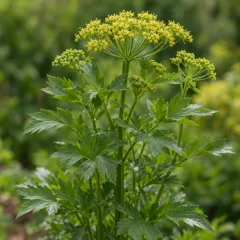
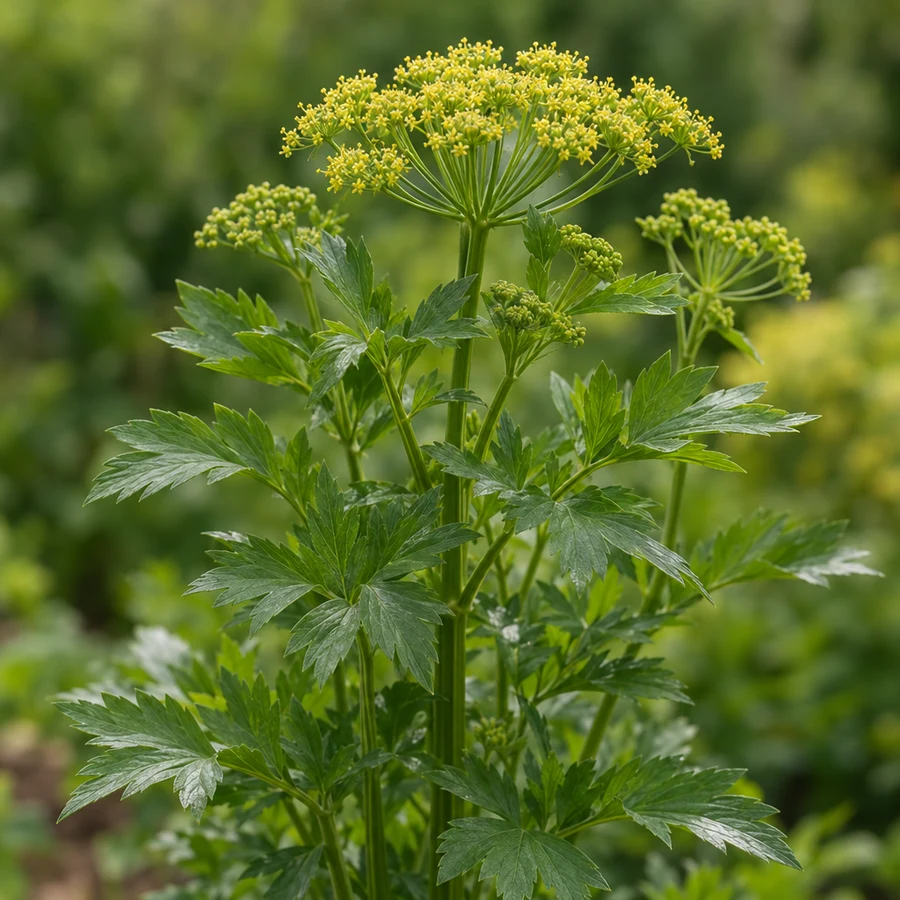
Lovage tastes like celery turned up loud. One leaf in a pot of soup does the work of a whole stalk of celery, with a hint of parsley and anise behind it. It's a big plant. A mature clump grows 3 to 6 feet tall and 2 to 3 feet wide, with glossy, deeply cut leaves that look a lot like giant flat-leaf parsley. In summer it sends up tall stems topped with flat clusters of small yellow-green flowers.
It is one of the easiest herbs to keep. Once settled, a clump comes back every spring for many years with little help. It grows best where summers are mild, which makes it a natural fit for the northern US, Canada, the UK and Ireland. In hot places it still grows, but give it shade in the afternoon.
Lovage belongs to the carrot family, alongside celery, dill and fennel.
Recent community discussions
No one has talked about Lovage yet. Be the first.
At a glance
| Plant type | Perennial herb |
| Botanical name | Levisticum officinale |
| Annual or perennial | Hardy perennial; dies back to the ground each winter and returns in spring |
| Sun | Full sun to part shade; afternoon shade helps in hot summers |
| Water | Regular; keep the soil moist but never soggy |
| Spacing | 2 to 3 feet; one or two plants are plenty for most kitchens |
| Planting depth | Seed 1/4 inch; nursery plants at the same depth as in the pot |
| Days to germinate | 10 to 20 (fresh seed sprouts best) |
| Days to maturity | Light picking the first summer from a bought plant; full harvests from the second year when grown from seed |
| Best USDA zones | 4 to 8 (zone 9 with afternoon shade; zone 3 with a thick winter mulch) |
| Soil pH | 6.0 to 7.5 |
Is it lovage weather where you are? See everything to plant this month or read your zone notes.
Pests to watch for

Diseases

A little history
Lovage is thought to come from southwestern Asia, around Iran and Afghanistan, and perhaps the eastern Mediterranean, and it has been grown in European gardens for well over a thousand years. Roman cooks used a celery-flavored herb called ligusticum that is usually taken to be lovage, and the Frankish ruler Charlemagne listed it, as levisticum, among the plants to be grown on his estates around the year 800. Medieval monks kept it in their physic gardens. The English name has nothing to do with love. It comes from the old Latin name and was later bent into "love-ache," ache being an old word for parsley or celery. That spelling helped it pick up a reputation as a love charm. Settlers brought lovage to North America, and in parts of New England it has escaped gardens and grows wild.
When to sow in your zone
Spring (all zones): Start seed indoors 6 to 8 weeks before your last frost, or sow outdoors a couple of weeks before it. Lovage seed doesn't keep its strength for long, so buy fresh seed each year. Nursery plants and divisions can go in from about 4 weeks before the last frost, as soon as the soil can be worked, and hardened-off seedlings through late spring.
Early fall (zones 3 to 7): Established clumps can be divided and replanted in early fall, about 6 to 8 weeks before the first frost, so they root in before winter.
Mild climates (zones 8 and 9): Plant in fall or late winter so the clump settles in during cool weather. In the UK, Ireland and the BC coast, spring sowing and autumn division both work well. Lovage slows down or sulks in long, hot summers. It struggles in subtropical areas such as southeastern Queensland and is not suited to the tropics.
Your own dates: Pick your zone on the zones page to see when lovage goes in where you live, then count back from your last frost to set your indoor sowing day.
Growing it, step by step
Getting seed going
Sow seed 1/4 inch deep in small pots of seed-starting mix, two or three seeds to a pot. Keep it moist and at about 60 to 70°F. Seedlings are slow and can take two to three weeks to show. Thin to the strongest one in each pot.
Out into the bed
Harden off young plants for a week, then plant them 2 to 3 feet apart. Think about where it goes before you dig: lovage is a perennial that gets tall, so put it at the back of a bed or in a corner where it won't shade shorter crops.
Soil and sun
Rich, deep, moist soil gives the biggest, leafiest plants. Work in plenty of compost or well-rotted manure at planting. Full sun is fine in cool summers. Where summers are hot, light shade in the afternoon keeps the leaves from scorching and turning bitter.
Steady water
Water new plants regularly through their first summer. Established clumps have deep roots and cope well, but they give better leaves if the soil never dries out completely. Water deeply in dry spells.
In a pot
Lovage grows fine in a container if the pot is big and heavy, at least 12 inches wide and deep, and better at 18. Give it a pot of its own rather than sharing with other herbs, and water often in summer.
Keeping it happy
- Mulch: Spread a thick layer of compost or manure around the clump each spring. It feeds the plant and holds moisture.
- Cutting back: Remove the flower stalks as they rise if you want more leaves. Leaves get stronger and more bitter once the plant flowers. Some gardeners cut the whole plant down to a few inches in midsummer to get a flush of fresh young leaves.
- Self-seeding: Lovage sows itself freely. Cut off the seed heads before they ripen, or pull unwanted seedlings while they're small.
- Winter: The leaves die back after hard frost. Cut the dead stems down in fall or early spring. In zone 3, cover the crown with a thick mulch of straw or leaves.
- Dividing: Every 4 or 5 years, or when the middle of the clump gets woody, dig it up in spring or early fall and split it with a sharp spade. Replant the young outer pieces.
Trouble in the bed
Lovage is tough and rarely bothered much. What does show up:
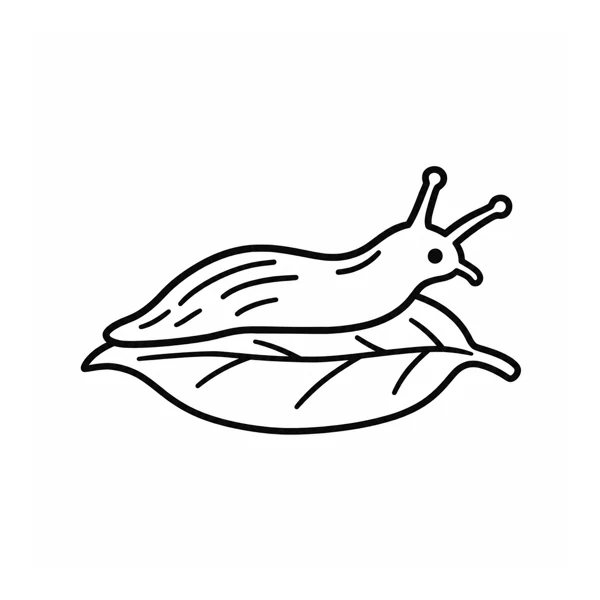
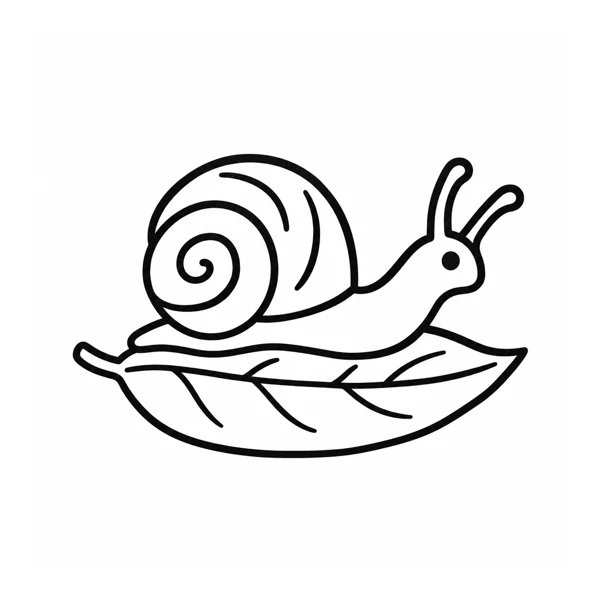
- Slugs and snails: They chew young seedlings and the soft new leaves in spring. Hand-pick at dusk or use iron phosphate bait.
- Leaf miners: The celery leaf miner tunnels inside the leaves and leaves pale, winding trails. Pick off and bin affected leaves.
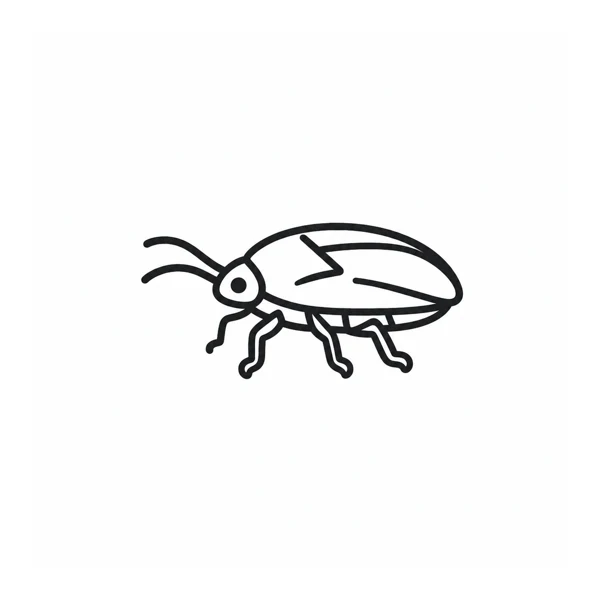
- Tarnished plant bugs: These suck sap from shoot tips and flower buds. Damage is usually minor. Clear weeds nearby and use row cover on young plants if needed.
- Early blight and leaf spots: Brown spots on older leaves, mostly in wet, crowded plantings. Space plants well, water at the base, and cut away spotted leaves.
Good neighbors
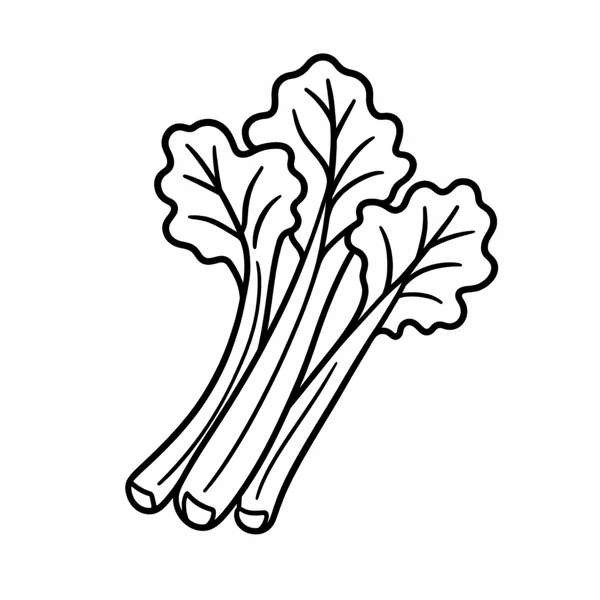
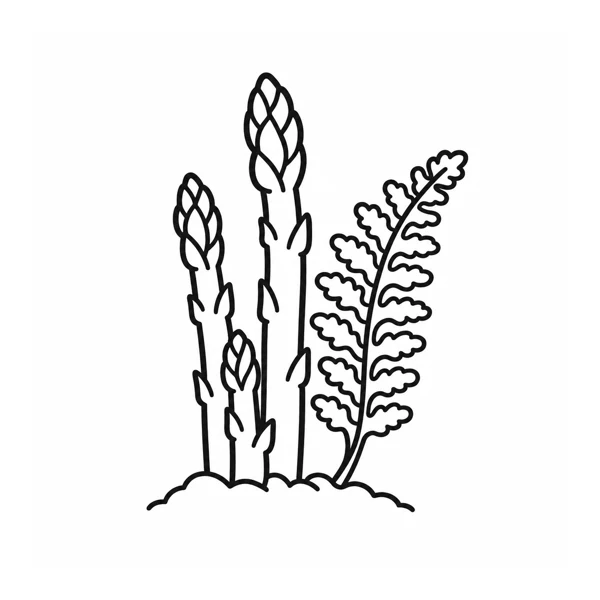

Grows happily nearby: Lovage sits well with other perennial crops such as rhubarb, asparagus, chives and horseradish, in a corner you don't dig every year. Left to flower, its umbrella-shaped blooms draw small beneficial wasps and hoverflies that prey on aphids.
Keep apart: It shares the celery leaf miner and some leaf diseases with celery, celeriac and carrots, so a clump right next to them can keep those problems close. Also keep it clear of low, sun-loving crops it would shade.
Seeds that grow well in your area in November
Affiliate links — shopping through these helps keep Evening Vines free. Smooth Blue Aster
 Polka Dot Mix
 Black-Eyed SusanSeeds
 ColumbineSeeds
Varieties worth growing
Lovage is nearly always sold simply as "lovage," with no variety name, and there is very little difference between seed strains. A few points worth knowing when you shop:
- Common lovage (Levisticum officinale): The plant on this page. Fully hardy, and it grows the same way in cold Canadian winters and the cool, damp summers of the UK and Ireland, which suit it very well.
- Container-grown plants: A bought plant saves a year over seed and is the quickest way to get a clump going, especially in short-season areas.
- Scots lovage (Ligusticum scoticum): A different, smaller coastal plant with a similar celery flavor, sometimes sold as "sea lovage." It's a separate species, not a type of garden lovage.
In hot or subtropical areas, such as the southern US and much of Australia outside the cool south, any lovage will do better in afternoon shade or a large pot kept moist.
Picking notes
Start picking young leaves in spring as soon as the clump is growing strongly. Young leaves have the best flavor; older ones get tough and strong. Cut stems from the outside of the clump and leave the center to keep growing. A bought plant can be picked lightly in its first summer, and a seed-grown plant from its second year.
The hollow stems can be cut young, about a foot tall, and cooked like celery, or used as drinking straws for a tomato drink. Collect seed when the heads turn brown in late summer. Roots can be dug from older plants when they're dormant in fall or winter.
Leaves are best used fresh. They also freeze well, chopped, and can be dried, though drying dulls the flavor. See freeze your summer harvest.
Saving seed for next year
Let one flower stalk ripen. When the seed heads turn brown and dry in late summer, cut them into a paper bag and shake the seed loose. The seed is ribbed and smells strongly of celery. Lovage seed loses its strength within a year or so, so sow it the next spring or that same fall. The basics are in saving seeds from your garden.
From garden to table
Use lovage anywhere you'd use celery, but use less. A few chopped leaves lift soups, stews, stocks, potato salad, egg dishes and tomato sauces. The seed can be used like celery seed in breads, pickles and dressings. Young stems can be cooked as a vegetable, and the flowers are edible too.
Lovage is mildly toxic to cats, dogs and horses because of its strong oils, which can act as a diuretic. People who are pregnant or have kidney problems are usually advised to avoid eating it in large amounts or as a remedy. Ordinary use as a kitchen herb is fine for most people.
Questions from the potting bench
Does lovage taste like celery? Yes, but stronger, with a little parsley and anise. Start with a leaf or two.
Why has my lovage gone bitter? It's flowering, or it's stressed by heat and dry soil. Cut off the flower stalks, water well, and cut the plant back for fresh young growth.
Will lovage spread? The clump gets wider slowly, but it doesn't run like mint. The bigger issue is self-sown seedlings. Remove the seed heads before they ripen.
Can I grow lovage in a pot? Yes, in a big, heavy pot at least 12 inches wide and deep. Keep it watered, since pots dry out fast.
Grower reports
How did Lovage do in your garden? Members rate it and say which zone and month they planted, so everyone can see what works near them.
Recent community discussions
No one has talked about Lovage yet. Be the first.
Essentials for Growing Lovage
 Grow Bags
Breathable fabric pots: grow almost anything on a patio, balcony or driveway, and roots never circle.
See it →
 Seed Starting Tray
Reusable tray with a clear dome to give seeds a warm, humid start indoors.
See it →
 LED Grow Light
Full-spectrum light for sturdy seedlings through short winter days.
See it →
 Pruning Shears
Sharp bypass pruners for harvesting, deadheading and tidying.
See it →
 Watering Can
Long-spout can for gentle watering of seedlings and pots.
See it →
 Organic Fertilizer
Slow-release organic plant food for vegetable beds and containers.
See it →
