
Pear
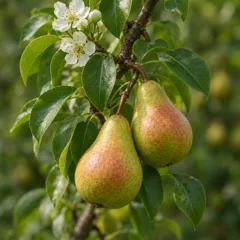
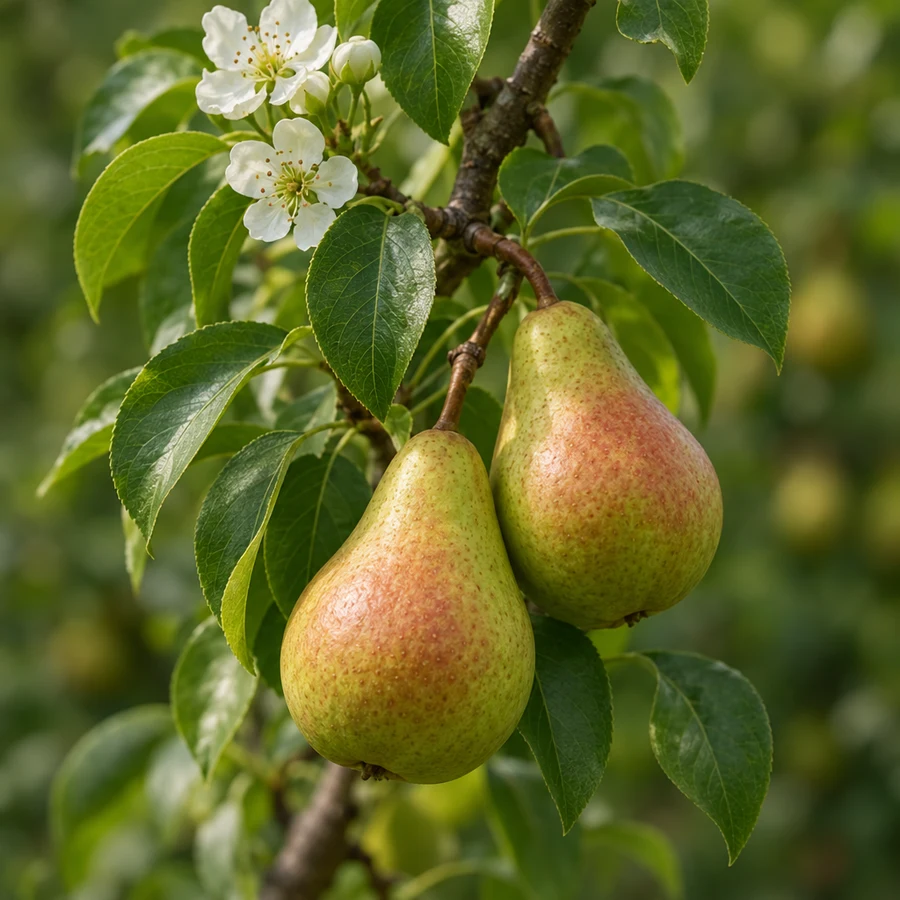
A pear tree is one of the easiest fruit trees for a home garden. Pears put up with heavier, damper soil than apples, they need fewer sprays, and a well-placed tree can crop for decades. There are two main kinds. European pears are the soft, buttery ones, and they're picked hard and ripened indoors. Asian pears are round, crisp and juicy like an apple, and they ripen on the tree. Plan for two things: most pears need a second variety flowering nearby to set fruit, and in humid climates you'll want a variety that resists fire blight.
Pears are close cousins of apples, and much of the care is the same.
Recent community discussions
No one has talked about Pear yet. Be the first.
At a glance
| Plant type | Fruit tree |
| Botanical name | Pyrus communis (European pear); Pyrus pyrifolia (Asian pear) |
| Annual or perennial | Deciduous perennial |
| Sun | Full sun, 8 hours or more |
| Water | About 1 inch per week the first two years; deep soakings in dry spells after that |
| Spacing | Depends on rootstock: dwarf 8 to 10 feet, semi-dwarf 12 to 15 feet, standard 18 to 25 feet |
| Planting depth | Same depth as in the nursery, with the graft union just above the soil |
| Days to germinate | Not grown from seed for fruit; start with a grafted nursery tree |
| Days to maturity | 3 to 6 years to first fruit on dwarf or semi-dwarf rootstock, 4 to 8 on standard (Asian pears often sooner) |
| Best USDA zones | 4 to 8 for European pears (3 with the hardiest varieties); Asian and low-chill pears to zone 9 |
| Soil pH | 6.0 to 7.0 |
Is it pear weather where you are? See everything to plant this month or read your zone notes.
Pests to watch for

Diseases
A little history
Wild pears grow across Europe and Asia, and people in both places have grown them for thousands of years. European pears were well known to the ancient Greeks, and Homer's Odyssey describes pears in the orchard of King Alcinous. The Romans grafted and named dozens of kinds. In China and Japan, Asian pears were bred along a separate line for just as long.
English colonists brought pears to Massachusetts early on. A tree said to have been planted by Governor John Endecott in Danvers around the 1630s is still alive and fruiting, and it's believed to be the oldest living cultivated fruit tree in North America. America's favorite pear has an English start: it came up around 1770 in a schoolmaster's garden in Aldermaston, Berkshire, and a nurseryman named Williams spread it around England as Williams' Bon Chrétien. Trees reached Massachusetts in 1799, and Enoch Bartlett of Dorchester, not knowing their name, sold the fruit under his own, which is why it's Bartlett in North America and Williams in the UK and Australia. Australia's best-known pear, Packham's Triumph, was bred by Charles Packham near Molong in New South Wales in the 1890s.
When to sow in your zone
Pears go in as young grafted trees, not seeds. The best time is while the tree is dormant.
Early spring (all zones): Plant bare-root trees as soon as the soil can be worked, before the buds break. In cold zones (3 to 5), including the Canadian prairies, Ontario and Quebec, that's usually April or early May. Potted trees can go in a little later, once hard frosts are over.
Late fall through winter (zones 8 to 9): Where the ground doesn't freeze hard, dormant bare-root trees can go in from late fall through winter, so the roots settle before spring. In the UK and Ireland, bare-root season runs from about November to March, and on the BC coast trees go in through late winter and early spring. In Australia, bare-root pears are sold and planted in winter, June to August.
November in the garden: In mild zones this is the start of bare-root season, a good time to order trees. In cold zones, wrap young trunks with spiral guards or hardware cloth before snow, since voles and rabbits chew the bark in winter. Rake up fallen leaves and dropped fruit, which carry scab and rust over the winter.
Growing it, step by step
Choosing a Tree
Seeds from a pear won't give you the same pear, so buy a grafted tree of a named variety. The rootstock sets the size. Quince rootstocks (such as Quince A, Quince C and Quince Eline) make small trees that fruit young, but quince roots aren't reliably hardy in the coldest zones and they're prone to fire blight. In North America, OHxF rootstocks give a hardier semi-dwarf or standard tree with good blight resistance. Match the variety to your winter, too: most European pears need around 600 to 1,000 hours of winter cold below about 45°F, while low-chill varieties need far less.
Pollination
Most pears need a second, different pear flowering at the same time, within about 100 feet. A neighbor's tree counts. A few varieties, like Conference and Seckel, can set some fruit alone, but they still crop better with a partner. Some pairings don't work: Bartlett and Seckel won't pollinate each other, so add a third variety if you grow both. Magness has sterile pollen and needs two other varieties. Asian and European pears can pollinate each other only if their bloom times overlap, and many Asian pears flower earlier.
Picking the Spot
Full sun, good air movement, and soil that drains. Pears flower early, a week or so before apples, so avoid frost pockets where cold air settles on spring nights. A sheltered, sunny spot helps in the UK and Ireland, where late frosts and cool springs can spoil the blossom.
Planting
Dig a hole about twice as wide as the roots and no deeper. Spread bare roots out and set the tree so the graft union, the bump near the base of the trunk, sits just above the soil. Backfill with the soil you dug out, water well, and skip fertilizer in the hole. Stake trees on quince or other dwarfing rootstocks.
Growing in a Pot
A pear on a dwarfing rootstock grows well in a pot of about 15 to 20 gallons, and it's a good way to fit two varieties onto a patio. Use a free-draining mix, water often in summer, and feed lightly in spring. In zones 3 to 5, move the pot into an unheated garage for winter, as roots in a pot freeze far more easily than roots in the ground.
Water
Water deeply, about an inch a week, for the first two seasons. Older standard trees usually manage on rain, but dwarf trees and potted trees need watering in dry spells, especially while the fruit is sizing up.
Mulch
Spread a few inches of wood chips or shredded bark over the root zone to hold moisture and keep grass back. Keep the mulch several inches from the trunk so voles can't hide there.
Feeding
Go easy. Pears do best in soil that isn't too rich, and too much nitrogen gives soft, fast growth that fire blight loves. A light feeding in early spring is plenty for most trees. If a tree grows more than about a foot of new shoot a year, skip feeding altogether.
Keeping it happy
Prune in late winter while the tree is dormant. Take out dead, damaged and crossing branches, and keep the center open so light and air get in. Pears grow very upright, so spread young branches out with clothespins or spacers to a wider angle; flat branches fruit sooner. Pears fruit on short spurs that crop for years, so don't strip them off. Asian pears often set far too many fruit, so thin them to one per cluster, about 6 inches apart, a few weeks after bloom. European pears rarely need thinning.
In fire blight areas, don't prune in warm, wet spring weather, and keep feeding light. Check new shoots each spring and summer.
Trouble in the bed
- Fire blight: The biggest problem for pears in North America. Shoot tips wilt, blacken and curl over like a shepherd's crook, as if scorched. Cut affected branches out at least 12 inches below the damage in dry weather, and wipe your pruners with disinfectant between cuts. Resistant varieties are the best defense. Fire blight is present in the UK and Ireland but isn't found in Australia.
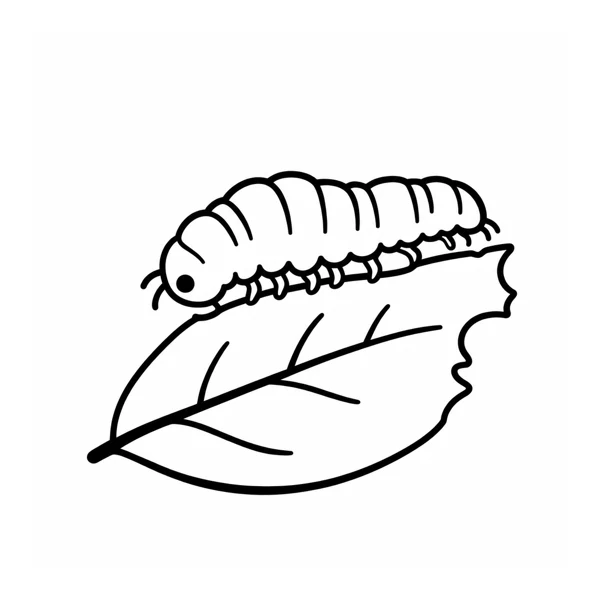
- Codling moth: The caterpillar tunnels into the fruit, leaving a hole and brown frass. Pick up dropped fruit, use pheromone traps to time controls, or bag young fruit.
- Pear psylla and aphids: Small sap-suckers that leave sticky honeydew and black sooty mold. A dormant oil spray before the buds open helps keep psylla down.
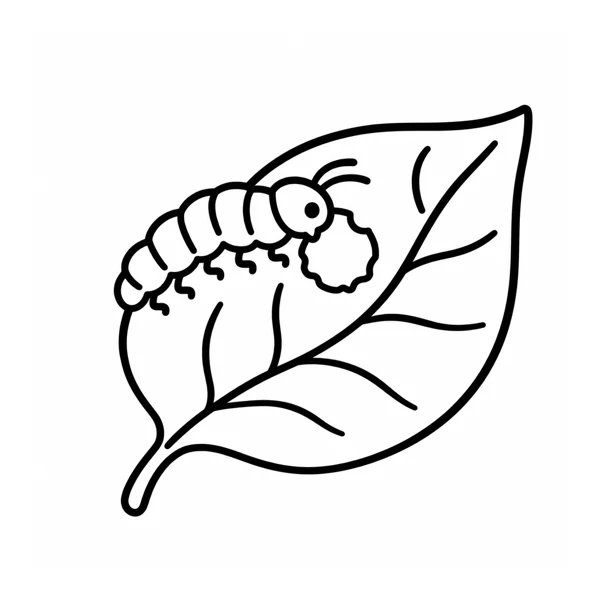
- Pear and cherry slug: Slimy, dark sawfly larvae that skeletonize the leaves in summer. Hose them off or dust them with fine ash; small numbers do little harm.
- Pear rust: Bright orange spots on the leaves in summer. The fungus spends part of its life on certain junipers, so keep those plants away from your pear. It's common in the UK. Rake up fallen leaves.
- Pear scab: Dark, scabby spots on leaves and fruit, worst in wet springs. Rake up leaves in fall and prune for airflow.
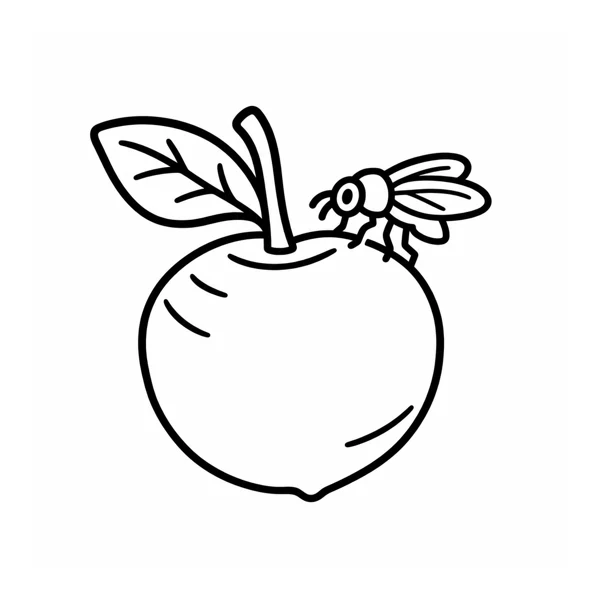
- Fruit fly: In much of Australia, Queensland fruit fly and Mediterranean fruit fly lay eggs in ripening pears. Use exclusion netting or bags and pick up fallen fruit.
Good neighbors





Good: Low flowers and herbs under the outer edge of the canopy that bring in pollinators and pest-eating insects, like chives, borage, alyssum, calendula, dill, marigolds and nasturtiums. Bees are what set the crop, so anything that keeps them around in spring helps.
Avoid: Junipers and red cedars near the tree, since they host pear rust. Keep lawn grass and thirsty vegetables out of the root zone of young trees too. And don't plant ornamental Callery pears, such as Bradford, as a pollinator: they spread into wild land and are listed as invasive in many eastern states.
Seeds that grow well in your area in November
Affiliate links — shopping through these helps keep Evening Vines free. Wild Lupine
 Common Milkweed
 PansySeeds
 PhloxSeeds
Varieties worth growing
Cold-hardy pears for short seasons (zones 3 to 5, Canada and the northern US):
- Golden Spice: Small, tangy fruit for canning, very hardy and blight resistant. Often planted as the pollinator for other hardy pears.
- Summercrisp: A University of Minnesota pear, crisp and mild like an Asian pear, eaten firm with a red blush. Ripens in August.
- Ure: Small, sweet, Bartlett-type fruit on a smaller tree. Needs Golden Spice or another hardy pear nearby.
- Harrow Delight: Bred in Harrow, Ontario. Smooth, sweet fruit ripening ahead of Bartlett, with strong fire blight resistance.
Cool maritime summers (UK and Ireland):
- Conference: The most reliable UK pear. Long, russeted fruit, and it can set a crop on its own, though a partner helps.
- Concorde: A cross of Conference and Comice. Compact, heavy cropping, and partly self-fertile.
- Doyenné du Comice: Buttery and famous for flavor, but it needs a warm, sheltered wall and a pollinating partner.
Classic all-rounders (zones 5 to 8):
- Bartlett (Williams' Bon Chrétien): Sweet, aromatic and great for canning. Prone to fire blight in humid areas. Trees
- Seckel: Small, very sweet "sugar pear" with good blight resistance. Won't pollinate Bartlett.
- Moonglow: Soft, juicy fruit and good blight resistance, a solid choice for the eastern US.
- Beurre Bosc: Long neck, russet skin, rich flavor, and holds its shape when cooked.
- Packham's Triumph: Australia's leading pear. Green-yellow, bumpy and very juicy, picked in autumn and stored for months.
Hot summers and mild winters (southern US and warmer Australia):
- Kieffer: Tough and blight resistant, with gritty fruit best for canning and baking. Grows over a wide range of climates.
- Hood and Flordahome: Low-chill pears from the Gulf Coast and Florida that bloom after short, mild winters. Plant them together to pollinate each other.
Asian pears (zones 5 to 9):
- Shinseiki: Yellow, crisp and sweet, ripening in late summer. One of the easier Asian pears.
- Hosui: Golden-brown russet skin and very juicy, sweet flesh.
Pear trees to buy
Affiliate links — shopping through these helps keep Evening Vines free.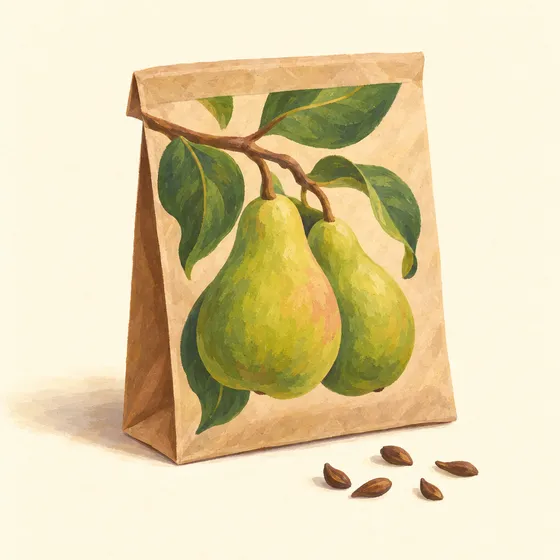 BartlettTrees
Picking notes
European pears are picked mature but still hard and green, then ripened indoors. Left on the tree, they go gritty and brown at the core. Pick when the fruit has reached full size, the skin lightens from dark green toward pale green or yellow, and the fruit snaps off the spur when you lift it up and give it a gentle twist. Summer pears ripen in a few days at room temperature. Fall pears like Bosc and Comice ripen better after a few weeks in the fridge. A pear is ready to eat when the flesh near the stem gives to gentle thumb pressure.
Asian pears are the opposite. Leave them on the tree until they're fully colored, sweet and crisp, then eat them right away or keep them in the fridge for weeks.
Saving seed for next year
Not practical. Pear seeds won't come true to the parent, and seedlings take many years to fruit. To keep a variety, graft a cutting onto a rootstock. Like apple seeds, pear seeds contain a small amount of a compound that releases cyanide when crushed, so don't grind them up or eat them in quantity.
From garden to table
Pears are a good source of fiber, much of it in the skin. USDA figures for a raw pear are about 57 calories, 3 grams of fiber and 116 mg of potassium per 100 grams, with some vitamin C. Eat them fresh, poach them in wine or syrup, bake them in tarts, slice them into salads with cheese, or can them in halves. Hard, gritty varieties like Kieffer make good butter and preserves, and pears can also be pressed into juice or perry, the pear version of cider.
Questions from the potting bench
Do I need two pear trees? Usually, yes. Most pears need a different variety flowering at the same time nearby. Conference and Seckel can set some fruit alone, but they crop better with a partner.
Why are my pears gritty or brown inside? They were left to ripen on the tree. Pick European pears while still firm and let them ripen indoors.
Why did the tips of my pear branches turn black and curl over? That's fire blight. Cut the shoots out well below the damage on a dry day, disinfect your pruners, and go easy on fertilizer.
Can I grow pears in a warm climate? Yes, with the right variety. Low-chill pears like Hood, Flordahome and Kieffer, and many Asian pears, fruit after mild winters where standard European pears won't flower well.
How long until my pear tree fruits? Usually 3 to 6 years on a dwarfing rootstock and 4 to 8 on a standard tree. Asian pears often start sooner.
Grower reports
How did Pear do in your garden? Members rate it and say which zone and month they planted, so everyone can see what works near them.
Recent community discussions
No one has talked about Pear yet. Be the first.
Trees to try
Affiliate links — shopping through these helps keep Evening Vines free.Essentials for Growing Pear
 Grow Bags
Breathable fabric pots: grow almost anything on a patio, balcony or driveway, and roots never circle.
See it →
 Organic Fertilizer
Slow-release organic plant food for vegetable beds and containers.
See it →
 Pruning Shears
Sharp bypass pruners for harvesting, deadheading and tidying.
See it →
 Insect Netting
Fine mesh that keeps cabbage worms, flea beetles and birds off your crops, no sprays needed.
See it →
 Soaker Hose
Waters the roots slowly, not the leaves: less disease, less water, less work.
See it →
 Garden Hand Tools
Trowel, transplanter and cultivator: the three tools you reach for most.
See it →
