
Lilies
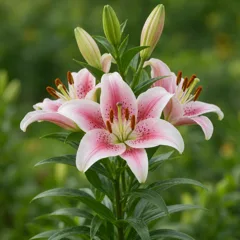
A lily bulb looks like a small artichoke made of loose, fleshy scales. Plant it in fall, forget about it, and next summer a tall stem comes up and opens big, bold flowers, often with a scent that fills the whole yard on a warm evening. Lilies come back year after year and slowly make bigger clumps. They ask for three things: drainage, sun on their heads and cool feet.
Different groups flower at different times. Asiatic lilies open first, in early summer. Trumpet lilies follow in midsummer, and Oriental lilies finish the season in late summer. Plant a few of each and you can have lilies for two months or more.
One warning before anything else: every part of a true lily is poisonous to cats, even the pollen and the water in the vase. More on that below.
Recent community discussions
No one has talked about Lilies yet. Be the first.
At a glance
| Plant type | Flower (bulb) |
| Botanical name | Lilium spp. |
| Annual or perennial | Hardy perennial |
| Sun | Full sun or part sun, with the roots in shade |
| Water | About 1 inch per week while growing; never soggy |
| Spacing | 8 to 12 inches (about 6 inches for small types) |
| Planting depth | Most bulbs 6 to 8 inches deep, about 3 times the bulb's height; Madonna lily only 1 inch deep |
| Days to germinate | Bulbs sprout in spring; seed takes 2 to 6 weeks for quick types, a year or more for martagons |
| Days to maturity | Bulbs flower the first summer after planting; seed-grown plants take 2 to 5 years to flower |
| Best USDA zones | 3 to 8 for most types; Easter and some trumpet lilies to zone 9 or 10 |
| Soil pH | 6.0 to 6.5 for most; Oriental lilies like it more acidic, Asiatic and trumpet lilies take neutral soil |
Is it lilies weather where you are? See everything to plant this month or read your zone notes.




A little history
Lilies grow wild across the cooler parts of Asia, Europe and North America. People have loved them for a very long time. White Madonna lilies appear on wall paintings from the Bronze Age Aegean, more than 3,500 years old, and the same lily later became a symbol of purity in Christian art.
In China and Japan, lily bulbs have been eaten and used in traditional medicine for centuries. The Easter lily comes from the Ryukyu Islands of southern Japan. Today most Easter lily bulbs sold in North America are grown on a short stretch of coast on the California and Oregon border.
Modern garden lilies are mostly hybrids from the 1900s. Isabella Preston bred hardy lilies at Canada's Central Experimental Farm in Ottawa from the 1920s, and the famous upward-facing Oriental 'Stargazer' was bred in California in the 1970s.
When to sow in your zone
Lilies are planted as bulbs, not seeds. Unlike tulips, lily bulbs have no papery outer skin, so their scales dry out fast. Plant them as soon as you bring them home.
Fall (best in zones 3 to 8): Plant bulbs from early to mid fall, up to a few weeks before the ground freezes. The roots grow through the cool autumn months, and the plants come up strong in spring.
Spring (all cold zones): Bulbs sold in spring can go in as soon as the soil can be worked, around your last frost. They'll flower a little later than fall-planted bulbs the first summer, then settle into the normal rhythm the next year.
Mild winters (zones 9 to 10): Plant in late fall or winter, once the soil has cooled; in zone 9, spring-bought bulbs can still go in by late winter. Easter lilies, trumpet lilies and Orienpet (OT) lilies cope best with heat. Asiatic and Oriental lilies need a cold winter rest, so in these zones they're often treated as one-season flowers or grown from pre-chilled bulbs in pots.
This month (November): In zones 3 to 6, plant any bulbs you still have if the ground hasn't frozen, then cover the bed with 4 inches of mulch. If the ground is already hard, pot the bulbs and keep them in an unheated garage until spring. In zones 7 and 8 this is still a fine time to plant. In zones 9 and 10, wait until the soil cools a little more, then plant in December or January.
Growing it, step by step
From seed
Lily seed is slow and the seedlings of hybrids won't look like their parents, so most gardeners buy bulbs. Species such as regal lily and martagon can be grown from fresh seed sown in fall. Regal lilies send up a leaf in a few weeks; martagons first grow a tiny bulb underground and may not show a leaf until the second spring. Expect 2 to 5 years before the first flower.
Picking the Spot
Lilies want their flowers in the sun, at least 6 hours a day, and their roots cool and shaded. Low plants growing around the base do this job well. In hot summers a spot with some afternoon shade helps, especially for Oriental and martagon lilies. Keep them out of strong wind, or plan to stake the tall ones.
Soil
Good drainage matters more than anything. In wet, heavy clay, bulbs rot over winter. Work in plenty of compost or leaf mold, or build a raised bed. Oriental lilies prefer acid soil, while Asiatic, trumpet and Madonna lilies are fine in neutral or slightly limy soil.
Planting
Dig a hole about 3 times as deep as the bulb is tall, usually 6 to 8 inches. Set the bulb with the flat, rooted base down and the pointed tip up. Most lilies also root from the buried stem, which is why they go deep. The exception is the Madonna lily, which goes in barely an inch deep in late summer. Space bulbs 8 to 12 inches apart, or plant them in groups of three or five for a fuller look. Push stakes in at planting time so you don't spear a bulb later.
Growing in a Pot
Lilies grow well in pots. Use a deep container with drainage holes, at least 12 inches across for three bulbs, and a free-draining potting mix. Use an acid (ericaceous) mix for Oriental lilies. Shorter Asiatic types and dwarf "patio" lilies are easiest. Pots dry out quickly in summer, and in cold zones they need moving into an unheated garage or shed for winter, since bulbs in pots freeze far more easily than bulbs in the ground.
Water
Water deeply once the shoots are up, about an inch a week, more in hot, dry spells and in pots. Keep watering after flowering until the leaves turn yellow, since that's when the bulb builds up food for next year. Don't let the bed stay soggy.
Mulch
Spread 2 to 3 inches of compost or shredded leaves in spring to keep the roots cool and moist. In zones 3 to 5, a thicker winter mulch helps Oriental lilies and newly planted bulbs.
Feeding
Feed in spring as the shoots appear with a balanced or high-potassium fertilizer. Too much nitrogen gives soft stems that flop and invite disease. For pots, a liquid tomato feed every two weeks from shoot-up until the leaves yellow works well.
Keeping it happy
Stake tall lilies before they lean, tying the stem loosely in two or three places. Snap off faded flowers so the plant doesn't waste energy on seed, but leave the stem and leaves standing. They feed the bulb. Cut the stems to the ground only once they've turned yellow or brown in fall.
Clumps get crowded after 3 to 4 years and flower less. Dig them in fall, after the stems die back, pull the bulbs apart and replant them right away at the same depth.
Trouble in the bed
- Red lily leaf beetle: Bright red beetles about a third of an inch long, with orange-red eggs and slimy larvae hidden under their own droppings. They strip leaves and buds. Common in the UK, eastern Canada and the northeastern US, and spreading in Ireland and across the Canadian prairies. Check plants every few days from early spring and hand-pick adults, eggs and larvae. Daylilies aren't affected.
- Botrytis (gray mold): Brown spots on the leaves that spread in wet, humid weather. Give plants space and airflow, water the soil rather than the leaves, and pick off spotted leaves.
- Viruses: Mottled or streaked leaves and twisted flowers. Aphids carry lily viruses from plant to plant. There is no cure, so dig and throw out affected plants. Tiger lilies often carry viruses without showing much, so keep them well apart from other lilies.
- Aphids: Cluster on new growth and buds. Spray them off with water.
- Slugs and snails: Chew young shoots in spring. Check at dusk.
- Bulb rot: Comes from poorly drained soil. Prevent it with good drainage; there is no fix once a bulb has turned soft.
Good neighbors
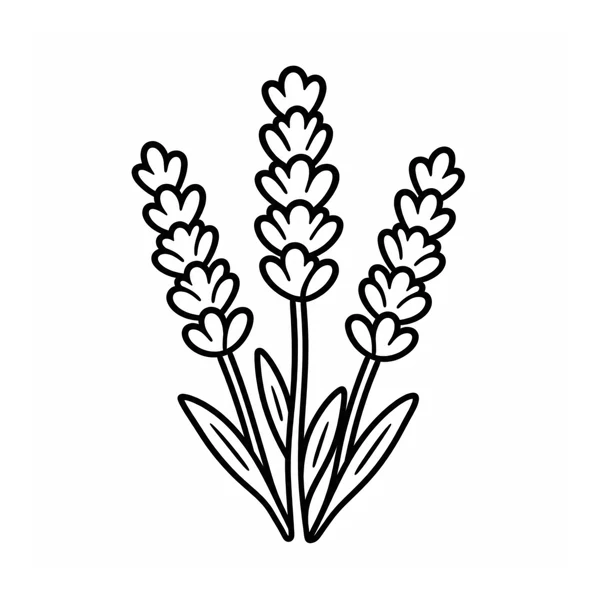
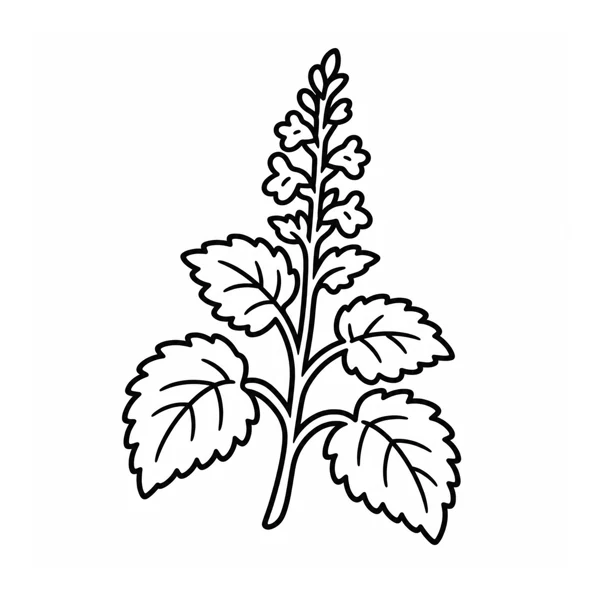

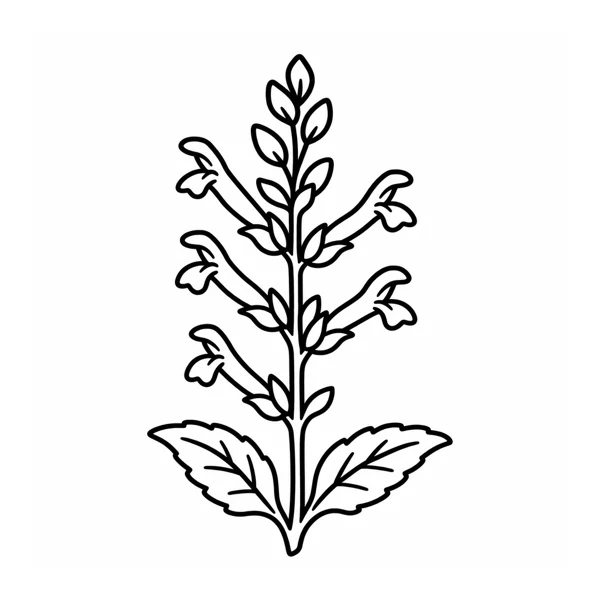



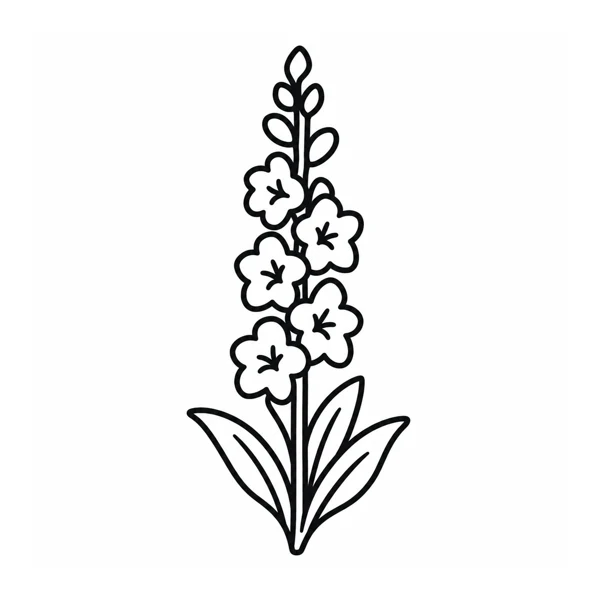
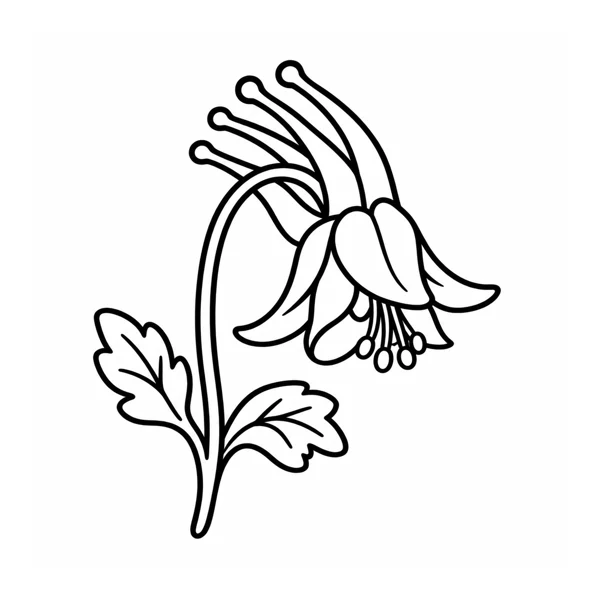
Good: Lavender, catnip, sweet alyssum, salvia and coreopsis shade the soil around the base and keep lily roots cool. Phlox, echinacea and delphiniums make good border partners in the sun. Martagon lilies sit well with columbine in light shade.
Avoid: Big, spreading plants that crowd the stems and block airflow, and planting new lilies next to sickly, mottled ones that may carry a virus.
Seeds that grow well in your area in November
Affiliate links — shopping through these helps keep Evening Vines free. Purple Coneflower
 Stinging Nettle
 Smooth Blue Aster
 Polka Dot Mix
Varieties worth growing
These are sold as bulbs. Named hybrids don't come true from seed.
- Enchantment (Asiatic): Bright orange, upward-facing flowers on 2- to 3-foot stems. An old, tough favorite for cold winters and short summers.
- Tiger lily (Lilium lancifolium): Orange flowers with dark spots and curled-back petals. Very hardy and makes little black bulbils along the stem.
- Martagon lily (Lilium martagon): Dozens of small, nodding Turk's cap flowers. Takes cold winters, light shade and cool, damp summers. Slow to settle in but very long-lived.
- Regal lily (Lilium regale): White trumpets, pink-purple outside, with a strong evening scent. Easy and reliable in the UK and Ireland.
- African Queen (trumpet): Apricot-orange trumpets on tall stems, very fragrant in midsummer.
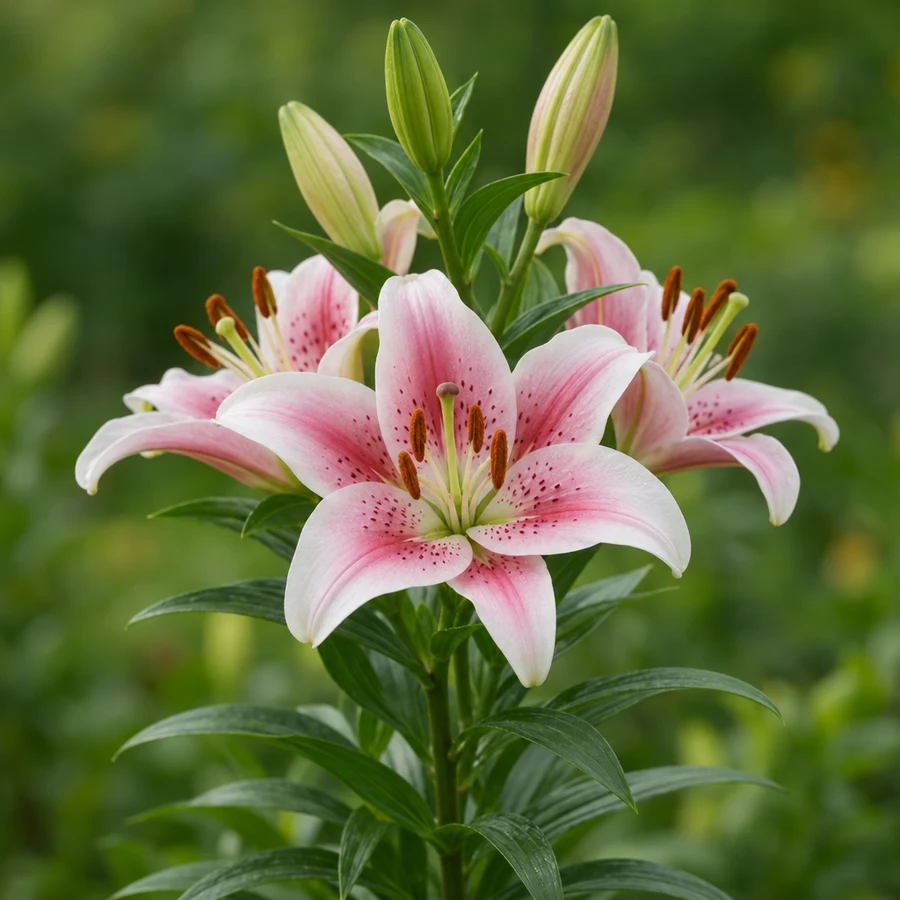
- Stargazer (Oriental): Deep pink, upward-facing, strongly scented flowers in late summer. Wants acid soil. Bulbs
- Casa Blanca (Oriental): Pure white, very large and fragrant. A classic late lily for cutting.
- Conca d'Or (Orienpet): Big pale yellow flowers on strong stems. Orienpets take heat better than Orientals and are less fussy about soil.
- Easter lily (Lilium longiflorum 'Nellie White'): White trumpets. In zones 7 to 10 a potted Easter lily planted out after flowering often comes back and blooms in summer, which makes it a good choice for the southern US and warmer Australia.
Lilies bulbs to buy
Affiliate links — shopping through these helps keep Evening Vines free.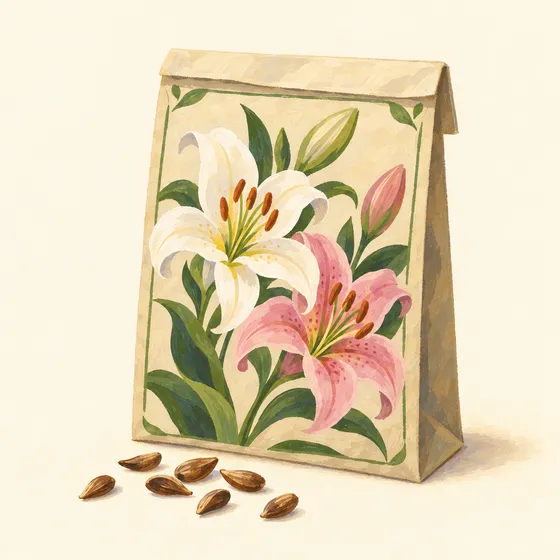 StargazerBulbs
Picking notes
Cut lilies when the lowest bud on the stem is colored and just starting to open. The rest will open in the vase over a week or more. Leave at least a third of the stem, with its leaves, in the ground to feed the bulb. Pull off the orange anthers as flowers open: the pollen stains clothes and tablecloths, and it's dangerous to cats.
Saving seed for next year
Let a few flowers fade and form pods if you want seed. Pick the pods when they turn brown and start to split, then sow the flat, papery seed fresh. Species lilies come close to true; hybrids give a mix. An easier way to get more of the same lily is to plant the small bulbils that tiger lilies and some Asiatics form where the leaves meet the stem, or to snap a few outer scales off a bulb in fall and pot them up. Each scale grows a tiny bulb, which flowers in 2 to 3 years.
From garden to table
Lilies are grown for borders, pots and cut flowers, and for scent. Some lily bulbs are eaten in Chinese and Japanese cooking, but those come from food crops. Never eat bulbs bought for planting, which may be treated with chemicals.
Toxic to cats: True lilies (Lilium) and daylilies can cause fatal kidney failure in cats. A cat can be poisoned by chewing a leaf, licking pollen off its fur or drinking vase water. If your cat has touched a lily, call a vet or animal poison line right away; quick treatment matters. The ASPCA lists lilies as non-toxic to dogs and horses, though a dog may get an upset stomach.
Questions from the potting bench
Why didn't my lily come back? The usual causes are wet soil that rotted the bulb over winter, lily leaf beetles that stripped the leaves the year before, or cutting the stem down while it was still green. A bulb needs its leaves all summer to store food for next year.
Are daylilies the same as lilies? No. Daylilies grow from thick roots, not bulbs, and each flower lasts one day. They're a different plant, but they're just as poisonous to cats.
Can I plant the lily from my Easter or Mother's Day bouquet? Potted Easter lilies, yes, in zones 7 to 10, and sometimes colder with a deep mulch. Cut flowers from a florist won't regrow.
Do lilies need to be dug up in winter? Not in the ground in zones 3 to 8; they're hardy. Lilies in pots in cold zones should go into an unheated garage or shed for winter.
My lilies lean over and flop. What can I do? Usually they're reaching for light, so they need more sun. Stake tall varieties at planting time, and go easy on nitrogen fertilizer.
Grower reports
How did Lilies do in your garden? Members rate it and say which zone and month they planted, so everyone can see what works near them.
Recent community discussions
No one has talked about Lilies yet. Be the first.
Bulbs to try
Affiliate links — shopping through these helps keep Evening Vines free.Essentials for Growing Lilies
 Grow Bags
Breathable fabric pots: grow almost anything on a patio, balcony or driveway, and roots never circle.
See it →
 Pruning Shears
Sharp bypass pruners for harvesting, deadheading and tidying.
See it →
 Seed Starting Tray
Reusable tray with a clear dome to give seeds a warm, humid start indoors.
See it →
 Garden Kneeler
A kneeling pad that flips into a seat: easier on knees and back.
See it →
 Plant Labels
Waterproof markers so you know what's coming up where.
See it →
 Organic Fertilizer
Slow-release organic plant food for vegetable beds and containers.
See it →
