
Varieties by zone
Varieties by Zone
The best varieties of each plant for your USDA zone (191 plants, zones 3a–11b).
525 varieties for Zone 9b
| Plant | Variety | Rec. | Days | About | ||
|---|---|---|---|---|---|---|
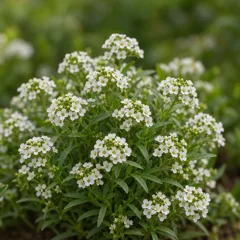 | Alyssum | Snow Princess | Yes | 45-60 | Compact white blooms, heat tolerant, continuous flowering Plant in fall, may need protection from intense summer heat | |
| Alyssum | Clear Crystal Mix | Yes | 50-65 | Heat tolerant mix with white, pink, purple flowers More heat tolerant than standard varieties | |
| Alyssum | Royal Carpet | Yes | 50-60 | Deep purple blooms, compact growth habit Provide morning sun, afternoon shade in summer | |
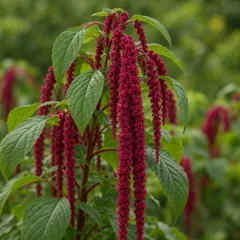 | Amaranth | Love Lies Bleeding | Yes | 50-70 | Ornamental with edible leaves, dramatic drooping red flowers Thrives in heat, excellent for continuous harvest | Seeds |
| Amaranth | Tampala | Yes | 30-45 | Fast-growing leafy variety, mild spinach-like flavor Succession plant every 2-3 weeks for continuous harvest | |
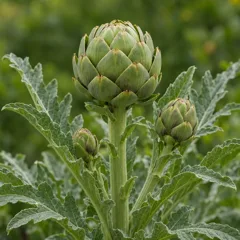 | Artichoke | Green Globe | Yes | 85-100 | Classic globe artichoke, reliable perennial Established plants overwinter well, cut back after harvest | Seeds |
| Artichoke | Violetto | Yes | 90-110 | Purple Italian heirloom, tender and flavorful More cold sensitive, protect during coldest weather | |
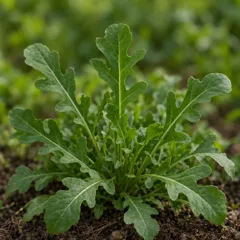 | Arugula | Slow Bolt | Yes | 45-55 | Heat-resistant variety that delays flowering Best variety for extending harvest in warmer weather | Seeds |
| Arugula | Red Dragon | Yes | 30-45 | Purple-red stems with spicy leaves Attractive variety, plant fall through early spring | |
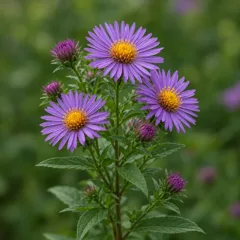 | Aster | Smooth Blue Aster | Yes | 90-120 | Drought-tolerant native with blue-purple fall flowers Excellent heat tolerance for zone 9b | Seeds |
| Aster | Fall-blooming Aster | Yes | 100-130 | Late season bloomer with white to pale purple flowers Plant early spring for fall display | |
 | Bachelor's Buttons | Blue Boy | Yes | 60-75 | Classic deep blue flowers, compact growth habit Best grown as cool season annual, plant October-February | |
| Bachelor's Buttons | Classic Magic | Yes | 70-85 | Heat tolerant variety with blue, pink, and white flowers More heat tolerant than standard varieties | |
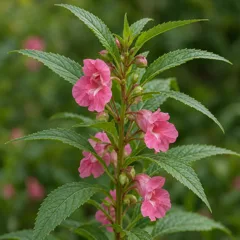 | Balsam | Camellia Flowered Mix | Yes | 70-85 | Double flowers in mixed colors, heat tolerant Provide morning sun, afternoon shade for best performance | Seeds |
| Balsam | Blackberry Ice | Yes | 75-90 | Purple-white bicolor flowers, compact growth Water regularly, deadhead for continuous blooms | |
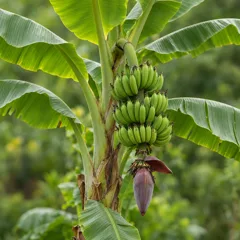 | Banana | Rajapuri | Yes | 365-450 | Cold-hardy dwarf variety, sweet flavor Mulch roots, protect from wind | |
| Banana | Ice Cream | Yes | 365-450 | Blue Java banana, vanilla-like flavor, cold tolerant Plant in protected location, good drainage essential | |
| Banana | Super Dwarf Cavendish | Yes | 365-450 | Compact size, classic banana flavor Container growing recommended for winter protection | |
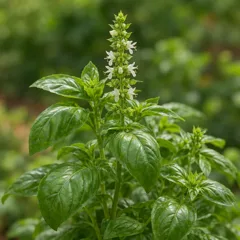 | Basil | Sweet Basil | Yes | 65-75 | Traditional culinary basil with sweet flavor Thrives in warm weather, harvest before flowering | Seeds |
| Basil | Purple Ruffles | Yes | 75-85 | Ornamental purple basil with frilled leaves Heat tolerant, attractive in gardens and containers | |
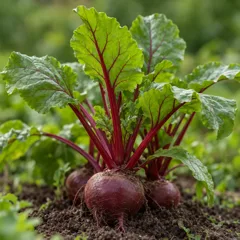 | Beets | Golden Detroit | Yes | 55-65 | Yellow variety that doesn't bleed, sweet flavor Plant Oct-Mar, provide afternoon shade in late spring | Seeds |
| Beets | Bull's Blood | Yes | 35-60 | Deep red leaves great for microgreens and baby beets Excellent for succession planting through cool months | Seeds |
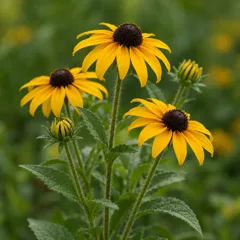 | Black-Eyed Susan | Goldstrum | Yes | 75-90 | Classic golden yellow flowers, long blooming period Perennial variety, divide every 3-4 years | |
| Black-Eyed Susan | Irish Eyes | Yes | 70-85 | Yellow petals with distinctive green centers Heat tolerant, excellent cut flower variety | |
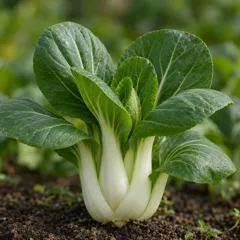 | Bok Choi | Shanghai Green | Yes | 45-50 | Heat-tolerant variety with thick white stems and dark green leaves Plant in fall/winter, provide afternoon shade in summer | Seeds |
| Bok Choi | Joi Choi | Yes | 50-60 | Slow-bolting hybrid with crisp white stems and green leaves More heat tolerant than standard varieties | |
| Bok Choi | Red Choi | Yes | 45-55 | Colorful variety with red-purple stems and green leaves Adds color to salads, plant in cooler months | |
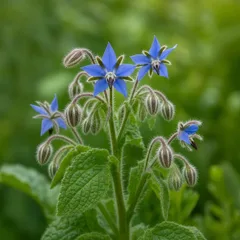 | Borage | Common Borage | Yes | 50-60 | Traditional blue-flowered herb with cucumber-flavored leaves Plant in fall/winter, provide afternoon shade in summer | |
| Borage | White Borage | Yes | 50-60 | White-flowered variety with same culinary uses as blue type Better heat tolerance, plant in cooler months for best results | Seeds |
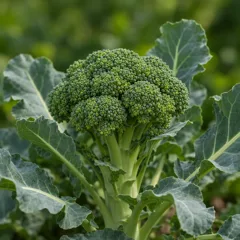 | Broccoli | Calabrese | Yes | 58-65 | Italian heirloom, heat-tolerant with good side shoot production Best planted October-February in zone 9b | |
| Broccoli | Packman | Yes | 50-55 | Heat-tolerant hybrid with large central heads and side shoots Good for fall through spring planting in zone 9b | |
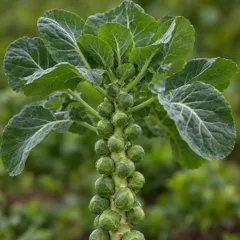 | Brussels Sprouts | Jade Cross | Yes | 85-95 | Heat-tolerant hybrid with compact sprouts, good for warmer climates Plant in fall, may need protection from extreme heat | |
| Brussels Sprouts | Diablo | Yes | 85-100 | Early maturing variety with excellent heat tolerance Best planted October-November for winter harvest | |
| Brussels Sprouts | Red Bull | Yes | 100-110 | Purple-red sprouts with good heat tolerance Unique color, plant in cooler months | |
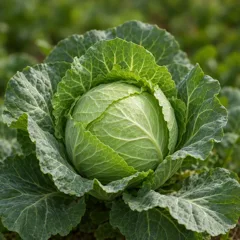 | Cabbage | Early Jersey Wakefield | Yes | 65-75 | Conical heads, early maturing Best planted in cooler months, October through January | Seeds |
| Cabbage | Stonehead | Yes | 70-80 | Round compact heads, heat resistant Good for fall and winter growing in zone 9b | |
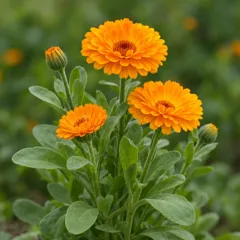 | Calendula | Pacific Beauty | Yes | 50-60 | Heat-tolerant variety with large orange and yellow blooms Plant in fall/winter, may struggle in summer heat | Seeds |
| Calendula | Flashback Mix | Yes | 55-70 | Bicolor petals with contrasting backs, good heat tolerance Provide morning sun, afternoon shade in hottest months | |
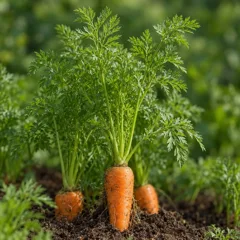 | Carrots | Little Finger | Yes | 50-65 | Baby carrots, 3-4 inches long, sweet and tender Plant Sept-Feb for continuous harvest in zone 9b | Seeds |
| Carrots | Scarlet Nantes | Yes | 65-75 | Classic variety with sweet flavor and crisp texture Best planted in cooler months, avoid summer heat | Seeds |
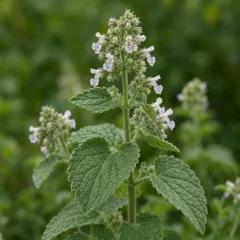 | Catnip | Walker's Low | Yes | 60-75 | Compact variety with lavender-blue flowers, deer resistant Plant in fall, provide morning sun and afternoon shade | |
| Catnip | Blue Wonder | Yes | 65-80 | Dense growth with bright blue flowers, heat tolerant Excellent drainage essential, drought tolerant once established | |
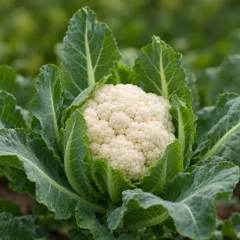 | Cauliflower | Snow Crown | Yes | 50-60 | Heat-tolerant hybrid with compact white heads Fall planting recommended, may bolt in spring heat | |
| Cauliflower | Graffiti | Yes | 80-85 | Purple variety with good heat tolerance Color fades when cooked but retains nutrients | |
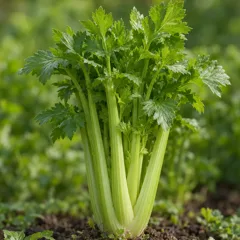 | Celery | Utah 52-70 | Yes | 85-100 | Heat-tolerant variety with thick, crisp stalks Best planted October-February, needs regular watering | |
| Celery | Golden Self-Blanching | Yes | 85-95 | Self-blanching variety with tender yellow-green stalks Plant in cooler months, harvest before summer heat | |
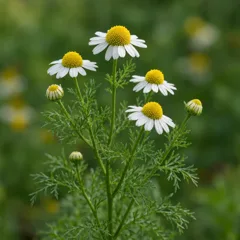 | Chamomile | German Chamomile | Yes | 60-65 | Annual herb with daisy-like flowers, excellent for tea Plant in fall/winter, may struggle in peak summer heat | Seeds |
| Chamomile | Roman Chamomile | Yes | 70-80 | Perennial low-growing variety, apple-scented flowers Better heat tolerance, provide afternoon shade in summer | |
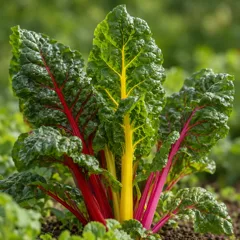 | Chard | Ruby Red | Yes | 55-65 | Deep red stems and veins, ornamental and edible Plant September-February, tolerates light frost | Seeds |
| Chard | Lucullus | Yes | 50-60 | Heirloom variety with crinkled leaves and white stems Cool season crop, best in fall through spring | |
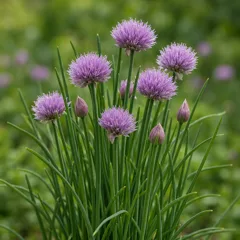 | Chives | Common Chives | Yes | 60-75 | Classic onion-flavored herb with purple flowers Provide morning sun, afternoon shade in hot summers | Seeds |
| Chives | Garlic Chives | Yes | 75-90 | Flat leaves with mild garlic flavor and white flowers Better heat tolerance, cut flowers to prevent self-seeding | Seeds |
| Chives | Fine Leaf Chives | Yes | 65-80 | Thin, delicate leaves with mild onion flavor Harvest frequently to encourage new growth | |
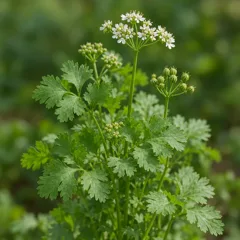 | Cilantro | Slow Bolt | Yes | 50-55 | Heat-tolerant variety that resists bolting in warm weather Best grown in cooler months, Oct-Mar in zone 9b | Seeds |
| Cilantro | Santo | Yes | 50-55 | Uniform, slow-bolting variety with excellent leaf production Provide morning sun, afternoon shade in summer | Seeds |
| Cilantro | Leisure | Yes | 55-65 | Very slow to bolt with tender leaves and strong flavor Plant in fall for spring harvest in zone 9b | Seeds |
| Cleome | Cherry Queen | Yes | 60-75 | Deep rose-pink blooms with long stamens Extended growing season in 9b, blooms until frost | |
| Cleome | Violet Queen | Yes | 65-80 | Rich purple-violet flowers, attracts butterflies Plant early spring for longest bloom period | |
| Coleus | Kong Red | Yes | N/A | Large burgundy leaves with lime green edges, dramatic impact May overwinter outdoors with protection from frost | |
| Coleus | Solar Flare | Yes | N/A | Bright yellow-green leaves with red centers, heat tolerant Better winter survival than zone 9a, still needs protection | |
| Collard Greens | Vates | Yes | 75-85 | Compact variety with dark blue-green leaves, cold hardy Excellent for fall/winter growing, sweetens after frost | Seeds |
| Collard Greens | Morris Heading | Yes | 80-90 | Forms loose heads, very heat and cold tolerant Can grow year-round in zone 9b with proper timing | |
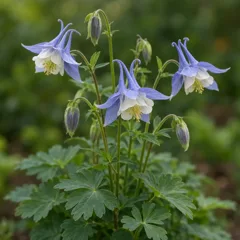 | Columbine | McKana Giants | Yes | 90-120 | Large spurred flowers in mixed colors, heat tolerant Plant in fall, provide morning sun and afternoon shade | |
| Columbine | Winky Series | Yes | 80-100 | Upward-facing flowers, compact habit, heat tolerant Excellent for containers, needs consistent moisture | |
| Coneflower | Magnus | Yes | 90-120 | Large rosy-purple flowers, excellent cut flower Deadhead regularly to extend blooming season | |
| Coneflower | Sunset | Yes | 90-120 | Orange-red blooms fade to yellow, heat tolerant Water deeply but infrequently once established | |
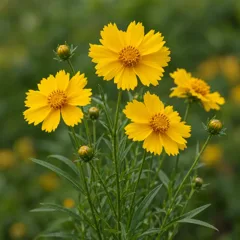 | Coreopsis | Early Sunrise | Yes | 55-65 | Double golden-yellow flowers, compact annual variety Treat as annual, excellent for continuous summer bloom | |
| Coreopsis | Sunfire | Yes | 60-70 | Red-orange flowers with yellow tips, heat loving Thrives in heat, deadhead for continuous flowering | |
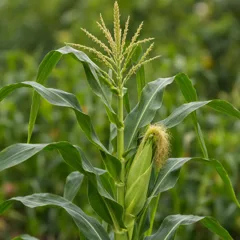 | Corn | Honey Select | Yes | 79-82 | Bicolor kernels, very sweet hybrid Extended harvest period, good heat tolerance | Seeds |
| Corn | Peaches and Cream | Yes | 83-86 | Bicolor variety with excellent taste Plant successive crops every 2 weeks | |
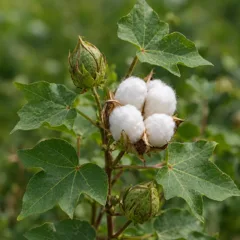 | Cotton | Phytogen 350 W3FE | Yes | 155-175 | High fiber strength with excellent yield potential Performs well in zone 9b heat and humidity | |
| Cotton | Stoneville 4946GLB2 | Yes | 160-180 | Widely adapted variety with consistent performance Reliable choice for zone 9b conditions | |
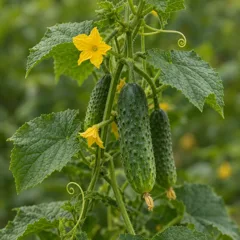 | Cucumber | Japanese Climbing | Yes | 58-65 | Heat-tolerant climbing variety with crisp, mild flavor Provide shade during hottest part of day in zone 9b | |
| Cucumber | Poona Kheera | Yes | 50-60 | Indian heirloom, extremely heat tolerant, russet skin Best cucumber for hot, humid conditions | |
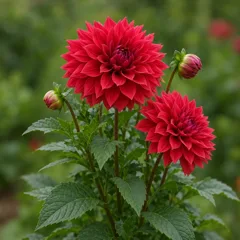 | Dahlias | Labyrinth | Yes | 90-120 | Orange and red bicolor decorative type, medium height Good heat tolerance, deadhead regularly for continuous blooms | |
| Dahlias | Thomas Edison | Yes | 90-120 | Deep purple dinner plate dahlia, dramatic dark blooms Stake tall varieties, protect from strong winds | |
| Daylilies | Pardon Me | Yes | 60-70 | Deep red with yellow throat, compact reblooming variety Heat and humidity tolerant, deadhead for continuous blooms | |
| Daylilies | Chicago Apache | Yes | 70-80 | Bright red-orange blooms with yellow throat, vigorous grower Excellent southern performer, provide afternoon shade | |
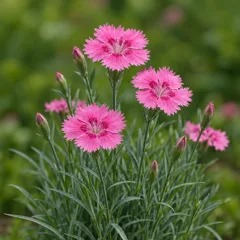 | Dianthus | Firewitch | Yes | 60-70 | Compact perennial with magenta-pink fragrant flowers Morning sun preferred, protect from intense afternoon heat | |
| Dianthus | Eastern Star | Yes | 70-80 | White flowers with red centers, very heat tolerant Drought tolerant once established, avoid overwatering | |
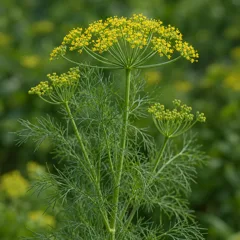 | Dill | Fernleaf | Yes | 40-50 | Compact dwarf variety, slow to bolt, excellent for containers Plant fall through early spring, provide some shade in summer | |
| Dill | Mammoth Long Island | Yes | 65-80 | Large variety, excellent for pickling, tall growth habit Plant in cooler months, stake tall plants, harvest before flowering | Seeds |
| Dill | Hercules | Yes | 50-65 | Slow to bolt, uniform growth, good leaf production Best fall/winter crop, provide morning sun and afternoon shade | |
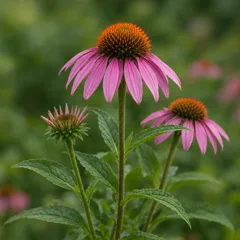 | Echinacea | Magnus | Yes | 90-120 | Large rose-purple flowers, strong stems, long blooming Excellent heat tolerance, deadhead for continuous blooms | |
| Echinacea | Harvest Moon | Yes | 90-120 | Golden yellow blooms, unique color, sturdy plants Morning sun preferred, protect from intense afternoon heat | |
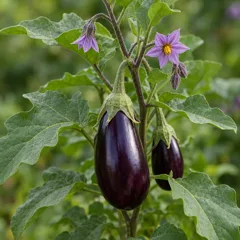 | Eggplant | Ping Tung | Yes | 65-75 | Long purple Asian variety, very productive Heat loving, extend season with row covers | |
| Eggplant | Fairy Tale | Yes | 50-65 | Small striped variety, compact plant Good for containers, harvest young | |
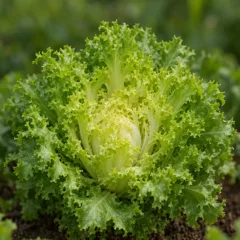 | Endive | Broad Leaved Batavian | Yes | 85-95 | Heat-tolerant variety with broad, thick leaves and mild flavor Plant September-February for best growth | |
| Endive | Pancalieri | Yes | 80-90 | Italian variety with large, broad leaves and good heat tolerance Excellent for fall and winter harvests | |
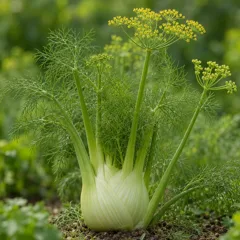 | Fennel | Florence Fennel | Yes | 90-115 | Bulbing variety with sweet anise flavor, heat tolerant Plant in fall through winter for best results | Seeds |
| Fennel | Perfection Fennel | Yes | 100-120 | Improved Florence type with uniform white bulbs Excellent for fall and winter growing in zone 9b | |
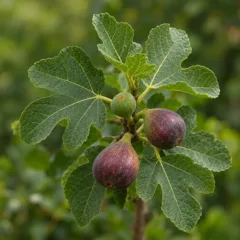 | Fig | Celeste | Yes | 90-110 | Small, sweet purple figs, excellent fresh eating variety Heat tolerant, good for humid climates | |
| Fig | LSU Purple | Yes | 85-105 | Large purple figs, developed for hot, humid Southern climates Disease resistant, handles humidity well | |
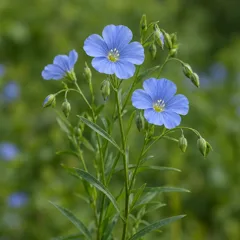 | Flax | Omega | Yes | 100-110 | Cold-hardy variety with high omega-3 content, blue flowers Plant in fall or early winter for spring harvest | |
| Flax | Prairie Grande | Yes | 90-100 | Tall variety bred for fiber production, purple-blue blooms Fall planting recommended, avoid hot summer months | |
| Gaillardia | Fanfare | Yes | 70-80 | Trumpet-shaped petals in red and yellow, unique form Excellent drainage required, very heat tolerant | |
| Gaillardia | Mesa Yellow | Yes | 60-70 | Pure yellow blooms, compact growth habit Thrives in hot climates, minimal water needs | |
 | Garlic | Creole Red | Yes | 180-210 | Heat-tolerant softneck variety with reddish bulb wrappers Plant in fall, harvest early summer before extreme heat | |
| Garlic | Silverskin | Yes | 180-200 | Long-storing softneck variety, white bulbs with mild flavor Excellent storage life, plant in late fall | |
| Gerbera Daisies | Garvinea Sweet Surprise | Yes | 70-85 | Multi-colored blooms, excellent heat and humidity tolerance Perennial in this zone, cut back after first frost | |
| Gerbera Daisies | Festival Light Eye | Yes | 65-80 | White petals with dark centers, compact growth habit Good drainage essential, may survive mild winters | |
| Gladiolus | White Prosperity | Yes | 90-120 | Pure white flowers, tall sturdy stems, long lasting Can overwinter outdoors with mulch protection | |
| Gladiolus | Red Majesty | Yes | 90-120 | Brilliant red blooms, vigorous grower, heat tolerant Excellent for southern gardens, divide every 3-4 years | |
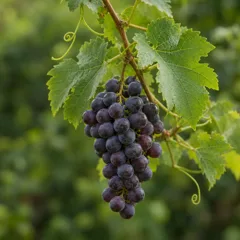 | Grape | Conquistador | Yes | 85-110 | Red muscadine grape with excellent disease resistance Self-pollinating, thrives in hot humid conditions | |
| Grape | Carlos | Yes | 90-120 | Bronze muscadine grape, sweet flavor, disease resistant Requires cross-pollination, plant with other muscadines | |
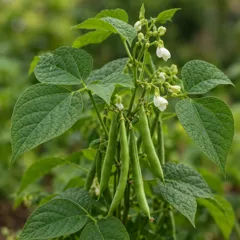 | Green Beans | Contender | Yes | 48-55 | Bush variety, excellent heat tolerance and disease resistance Perfect for zone 9b heat, multiple plantings possible | Seeds |
| Green Beans | Kentucky Wonder | Yes | 65-75 | Popular pole bean, long harvest period, excellent flavor Needs trellis support, thrives in warm weather | Seeds |
| Green Beans | Fortex | Yes | 60-70 | French filet pole bean, extra-long tender pods Heat tolerant, continuous harvest through summer | Seeds |
| Green Onions | Tokyo Long White | Yes | 65-75 | Long white stems, mild flavor, heat tolerant variety Plant fall through early spring, bolt-resistant in warm weather | |
| Green Onions | Ishikura | Yes | 70-120 | Japanese bunching onion, long white shanks, no bulbing Excellent for zone 9b, plant in fall for best results | |
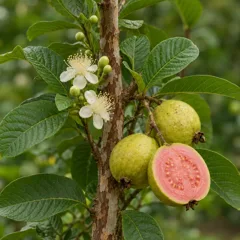 | Guava | Strawberry Guava | Yes | 90-120 | Cold-hardy variety, pink flesh, sweet flavor Most cold-tolerant variety, protect from frost | |
| Guava | Pineapple Guava | Yes | 120-180 | Feijoa sellowiana, very cold hardy Actually a different species, handles brief freezes | |
| Hemp | Finola | Yes | 95-105 | Early maturing Finnish variety, cold tolerant Extended season allows for better seed development | |
| Hemp | CFX-2 | Yes | 105-115 | Dual purpose fiber and seed variety Longer season benefits fiber quality | |
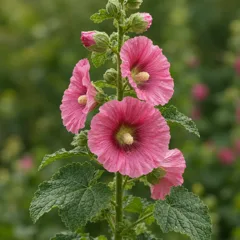 | Hollyhock | Majorette Mixed | Yes | 80-100 | Semi-double flowers, compact 2-3 feet, mixed colors More heat tolerant than tall varieties, morning sun preferred | |
| Hollyhock | Summer Carnival | Yes | 85-110 | Double ruffled blooms, 5-6 feet tall, vibrant colors Plant late fall, mulch well, provide afternoon shade | Seeds |
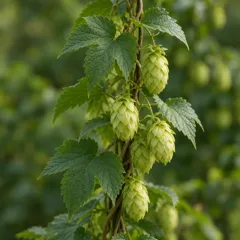 | Hops | Cascade | Yes | 120-150 | Classic American hop with citrusy, floral aroma May need artificial chilling, watch for heat stress | |
| Hops | Columbus | Yes | 120-150 | High alpha acid hop with pungent, earthy character More heat tolerant than most varieties | |
| Hostas | August Moon | Yes | N/A | Heart-shaped golden leaves, white fragrant flowers Morning sun only, needs extra water in heat | |
| Hostas | Francee | Yes | N/A | Dark green leaves with white edges, lavender blooms Reliable heat performer, plant in shadiest spot available | |
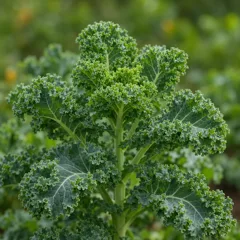 | Kale | Lacinato | Yes | 60-70 | Dark blue-green dinosaur kale with bumpy texture, heat tolerant Also called Tuscan kale, handles heat better than curly types | Seeds |
| Kale | Red Russian | Yes | 50-60 | Cold-hardy heirloom with purple stems and frilly blue-green leaves Plant fall through early spring for continuous harvest | Seeds |
| Lantana | Miss Huff | Yes | N/A | Cold-hardy perennial with orange-red blooms, attracts butterflies Reliable perennial return, excellent butterfly magnet | |
| Lantana | Patriot Rainbow | Yes | N/A | Multi-colored blooms change from yellow to orange to red May need winter protection in coldest areas of zone | |
| Lantana | Bandana Cherry | Yes | N/A | Compact red blooms, heat and humidity tolerant Excellent for containers, overwinters well with protection | |
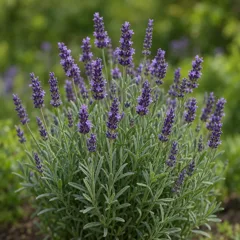 | Lavender | Phenomenal | Yes | 90-120 | Heat and humidity tolerant hybrid with purple flowers Thrives in hot summers with good drainage | |
| Lavender | Provence | Yes | 90-120 | Traditional French lavender with intense fragrance Mulch lightly in winter for protection | |
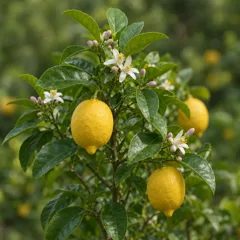 | Lemon | Meyer | Yes | 180-270 | Cold-hardy dwarf variety with sweet, thin-skinned fruit Plant in protected location, good for containers | Trees |
| Lemon | Lisbon | Yes | 240-300 | Thorny tree with classic tart lemons, cold-tolerant More cold hardy than Eureka, protect young trees | |
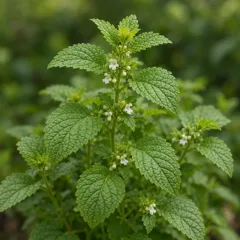 | Lemon Balm | Aurea | Yes | 60-70 | Golden-yellow leaves, mild lemon flavor, ornamental Variegated foliage, needs some afternoon shade in summer | |
| Lemon Balm | Lime | Yes | 55-70 | Citrus-lime scent, vigorous grower, culinary use Very hardy, can spread aggressively if not contained | |
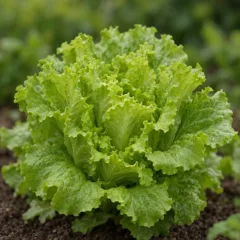 | Lettuce | Red Sails | Yes | 45-55 | Heat-tolerant red-tinged loose-leaf variety Grow during cooler months, Oct-Mar ideal | Seeds |
| Lettuce | Muir | Yes | 55-65 | Summer crisp type with excellent heat tolerance Best planted fall through early spring | |
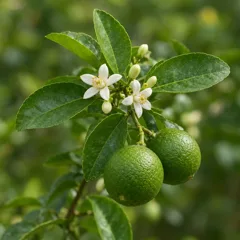 | Lime | Key Lime | Yes | 270-365 | Small, aromatic fruits with intense flavor Protect from frost, may need winter cover | |
| Lime | Persian Lime | Yes | 270-365 | Large, seedless fruits, cold hardy More cold tolerant than Key lime | Trees |
| Lisianthus | Mariachi Pink | Yes | 80-100 | Bright pink ruffled petals, compact growth, long lasting Good drainage essential, cool season performer | |
| Lisianthus | Echo Champagne | Yes | 90-115 | Cream colored doubles, elegant form, heat tolerant Plant October-February, avoid wet soil conditions | |
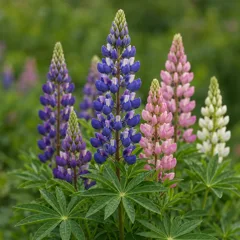 | Lupine | Russell Hybrid | Yes | 90-120 | Tall spikes of mixed colors, cool-season annual in hot zones Plant in fall/winter for spring bloom, dies back in summer heat | |
| Lupine | Pixie Delight | Yes | 75-90 | Compact dwarf variety, better heat tolerance than tall types Best lupine option for zone 9b, still needs cool season planting | |
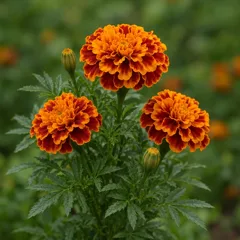 | Marigold | French Marigold 'Safari' | Yes | 55-65 | Heat tolerant with vibrant bicolor blooms Excellent for hot summers, plant in spring and fall | |
| Marigold | African Marigold 'Taishan' | Yes | 75-85 | Giant blooms up to 5 inches, heat resistant Stake tall varieties, provide consistent moisture | |
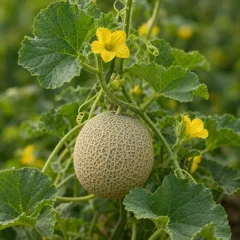 | Melon | Cantaloupe Ambrosia | Yes | 85-95 | Extra sweet cantaloupe with thick orange flesh Heat tolerant variety, excellent for warmer zones | |
| Melon | Watermelon Sugar Baby | Yes | 75-85 | Small round watermelon perfect for small gardens Compact vines, early maturing variety | Seeds |
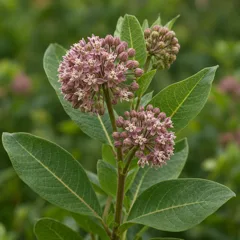 | Milkweed | Asclepias curassavica | Yes | 90-120 | Tropical milkweed with orange and red flowers, blooms year-round Thrives in zone 9b heat, may self-seed readily | |
| Milkweed | Asclepias physocarpa | Yes | 100-130 | Swan plant with white flowers and inflated seed pods Unique ornamental pods, good cut flower variety | |
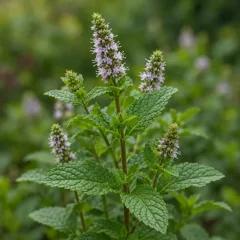 | Mint | Spearmint | Yes | 60-90 | Classic culinary mint with sweet, refreshing flavor Light mulch helpful, grows vigorously in partial shade | |
| Mint | Chocolate Mint | Yes | 60-90 | Dark stems with chocolate-mint aroma, great for desserts Thrives in cooler weather, excellent container plant | |
| Mint | Pineapple Mint | Yes | 60-90 | Variegated leaves with fruity pineapple scent Attractive ornamental mint, less invasive than others | |
| Morning Glory | Scarlett O'Hara | Yes | 65-80 | Bright red trumpet flowers, fast-growing climber Drought tolerant once established | |
| Morning Glory | Flying Saucers | Yes | 70-85 | Blue and white striped flowers, unique pattern Prefers full sun, regular watering | |
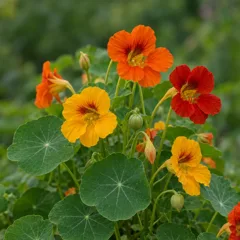 | Nasturtium | Jewel Mix | Yes | 50-65 | Compact plants with bright mixed colors, good for containers Excellent container variety, provide morning sun and afternoon shade | Seeds |
| Nasturtium | Whirlybird Mix | Yes | 55-70 | Semi-double flowers face upward, no spurs, compact growth Upward-facing flowers show better, plant in partial shade | Seeds |
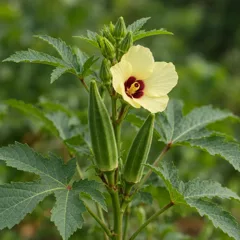 | Okra | Annie Oakley II | Yes | 50-55 | Compact hybrid with high yields Good for shorter growing seasons, disease resistant | |
| Okra | Red Velvet | Yes | 60-65 | Striking red pods that retain color when cooked Harvest young pods for best texture and color | |
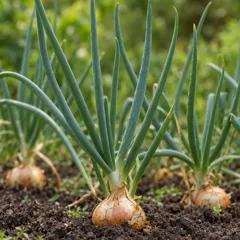 | Onion | Yellow Granex | Yes | 110-125 | Sweet Vidalia-type onion, excellent for fresh eating Short-day variety, plant in fall for best results | Seeds |
| Onion | White Bermuda | Yes | 100-115 | Mild white onion, great for salads and cooking Heat tolerant, harvest before summer heat peaks | |
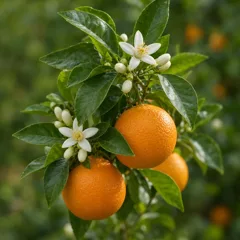 | Orange | Hamlin | Yes | 240-270 | Cold-hardy juice orange, early season harvest Excellent choice for northern citrus growing | |
| Orange | Pineapple | Yes | 270-300 | Mid-season orange with excellent flavor and few seeds Good cold tolerance, plant in sunny protected spot | |
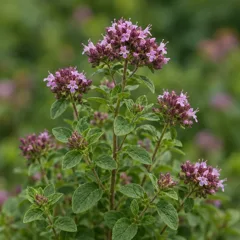 | Oregano | Greek Oregano | Yes | 60-80 | Classic Mediterranean variety with intense flavor and aroma Thrives in warm weather, light winter protection | |
| Oregano | Turkish Oregano | Yes | 65-80 | Strong flavor, excellent dried, drought tolerant Cut back after flowering for continuous harvest | |
| Oregano | Zaatar | Yes | 70-85 | Middle Eastern variety, used in spice blends Grows well in hot, dry conditions | |
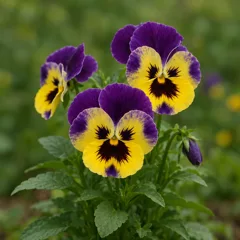 | Pansy | Cool Wave Purple | Yes | 60-75 | Heat-tolerant trailing pansy with vibrant purple blooms Plant in fall, may struggle in late spring heat | |
| Pansy | Ultima Morpho | Yes | 70-85 | Large-flowered variety with blue and yellow butterfly pattern Best performance in cooler months of zone 9b | |
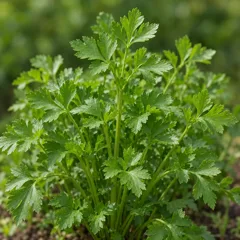 | Parsley | Italian Giant | Yes | 75-85 | Large flat leaves, excellent flavor for cooking Fall planting ideal, may bolt in late spring heat | |
| Parsley | Moss Curled | Yes | 70-80 | Dense curly leaves, decorative and flavorful Grows well fall through spring, summer shade helpful | |
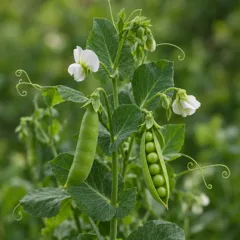 | Pea | Sugar Snap | Yes | 60-70 | Heat-tolerant snap pea with crisp, sweet pods Plant in fall/winter for best results in hot zones | Seeds |
| Pea | Oregon Sugar Pod II | Yes | 65-75 | Snow pea variety that handles heat better than most Provide afternoon shade in hottest months | Seeds |
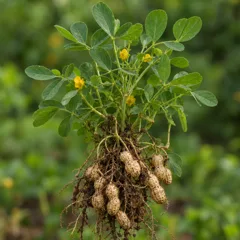 | Peanut | Jumbo Virginia | Yes | 110-120 | Large kernels, classic peanut flavor, needs long warm season Plant after soil reaches 65°F consistently | |
| Peanut | Georgia Green | Yes | 120-130 | Disease-resistant variety developed for southeastern conditions Excellent choice for humid climates with good drainage | |
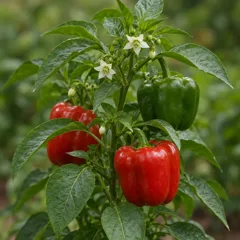 | Pepper | Serrano | Yes | 75-85 | Hot pepper with bright, clean heat, excellent fresh or dried Heat tolerant, provide afternoon shade in hottest areas | |
| Pepper | Poblano | Yes | 65-75 | Mild to medium heat, perfect for chiles rellenos Thrives in warm weather, harvest green or let ripen to red | |
| Pepper | Hungarian Hot Wax | Yes | 70-75 | Medium heat yellow pepper, great for pickling Very productive in warm climates with long growing season | |
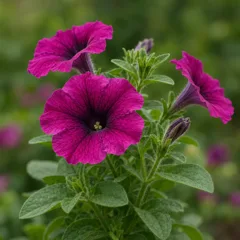 | Petunia | Supertunia Vista Bubblegum | Yes | 70-85 | Heat-tolerant spreading variety with pink blooms Excellent heat tolerance, perfect for zone 9b summers | |
| Petunia | Easy Wave Red | Yes | 65-80 | Self-cleaning red petunia with spreading habit No deadheading needed, thrives in warm weather | |
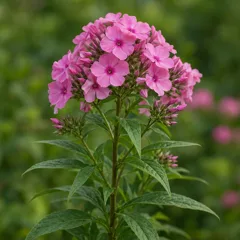 | Phlox | Phlox pilosa 'Prairie Phlox' | Yes | 90-120 | Native wildflower with pink to purple blooms, drought tolerant Plant in fall for spring blooms, needs good drainage | |
| Phlox | Phlox drummondii 'Twinkle Star' | Yes | 60-75 | Compact annual with star-shaped flowers in mixed colors Cool season annual, provide afternoon shade in summer | |
| Portulaca | Sundial Mix | Yes | 60-70 | Heat-tolerant annual with vibrant mixed colors, drought resistant Excellent choice for hot, humid conditions | |
| Portulaca | Happy Hour Mix | Yes | 65-75 | Large double flowers in bright colors, excellent heat tolerance Blooms continuously through summer heat | |
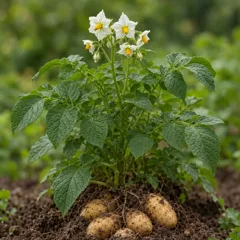 | Potato | Red Pontiac | Yes | 80-100 | Heat-tolerant red-skinned variety, good for southern climates Plant January-February for spring harvest before summer heat | |
| Potato | Superior | Yes | 60-80 | Early white potato with good heat tolerance Choose early varieties to avoid extreme summer temperatures | |
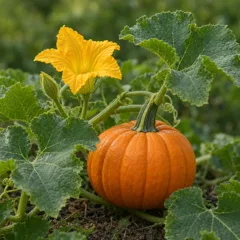 | Pumpkin | Connecticut Field | Yes | 100-120 | Classic orange pumpkin, great for carving and pies Plant early spring, afternoon shade helpful in extreme heat | Seeds |
| Pumpkin | Seminole | Yes | 100-110 | Heat-tolerant heirloom variety with tan-colored skin Developed for hot climates, very disease resistant | |
| Pumpkin | Small Sugar | Yes | 100-115 | Compact pie pumpkin with sweet orange flesh Provide consistent water and morning sun exposure | Seeds |
| Radish | Cherry Belle | Yes | 22-30 | Classic round red radish, crisp and mild flavor Plant Oct-Feb for best quality in zone 9b | Seeds |
| Radish | Daikon | Yes | 50-70 | Large white Asian radish, mild flavor Plant in fall, needs cool weather to develop properly | Seeds |
| Radish | Easter Egg | Yes | 25-30 | Mixed colors: red, white, purple, pink radishes Colorful variety, plant in cooler months | Seeds |
| Rice | Calrose | Yes | 120-150 | Medium-grain variety, cold tolerant for northern rice growing Plant in spring, maintain flooded fields throughout season | |
| Rice | M-206 | Yes | 130-140 | Long-grain variety adapted to temperate climates Excellent for zone 9b conditions with proper water control | |
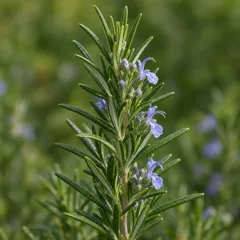 | Rosemary | Arp | Yes | 60-90 | Cold-hardy variety with gray-green leaves and blue flowers Excellent choice for zone 9b, very reliable | |
| Rosemary | Tuscan Blue | Yes | 60-90 | Upright growth with dark green leaves and bright blue flowers Strong flavor, good for cooking and ornamental use | |
| Rudbeckia | Prairie Sun | Yes | 80-100 | Yellow petals with green centers, compact growth Deadhead regularly for continuous blooms through fall | |
| Rudbeckia | Toto Gold | Yes | 70-85 | Dwarf variety perfect for containers and borders Water regularly during hot summers, very heat tolerant | |
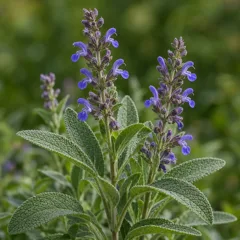 | Sage | Berggarten | Yes | 75-90 | Large silvery leaves, compact growth, excellent cold tolerance More reliable perennial in 9b, less winter protection needed | |
| Sage | Purpurascens | Yes | 75-90 | Purple-tinged leaves, ornamental and culinary use Good drainage essential, attractive purple coloring in cool weather | |
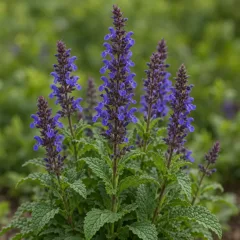 | Salvia | Mystic Spires Blue | Yes | 85-100 | Lavender-blue flowers, long blooming perennial hybrid Excellent heat tolerance, cut back in late winter | |
| Salvia | Red Hot Sally | Yes | 75-90 | Bright red spikes, compact growth, attracts hummingbirds Deadhead regularly, provide afternoon shade in hottest areas | |
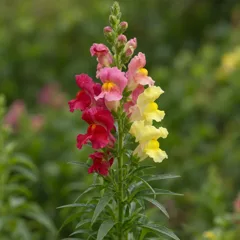 | Snapdragon | Liberty Classic Mix | Yes | 75-90 | Heat resistant tall variety with strong stems Best planted October-February for cool season growth | |
| Snapdragon | Montego Mix | Yes | 60-75 | Compact dwarf variety, good for containers More heat tolerant than tall varieties | |
| Sorghum | White Milo | Yes | 100-110 | Traditional grain sorghum, white seeds, very drought resistant Thrives in hot weather, plant when soil reaches 65°F | |
| Sorghum | Sugar Drip | Yes | 110-130 | Sweet sorghum for syrup, tall growing, high sugar content Needs full sun and well-drained soil | |
| Soybean | Butterbean | Yes | 70-80 | Sweet edamame variety, compact plant Excellent heat tolerance for zone 9b | |
| Soybean | Sayamusume | Yes | 75-85 | Japanese variety, tender pods Plant in spring for best results | |
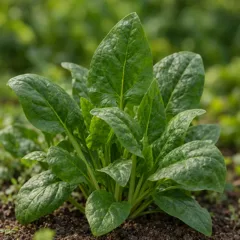 | Spinach | Corvair | Yes | 40-50 | Heat-resistant hybrid with dark green savoyed leaves Best planted October through February in zone 9b | |
| Spinach | Flamingo | Yes | 35-45 | Pink-stemmed variety with excellent heat tolerance Thrives in cool season, avoid summer planting | |
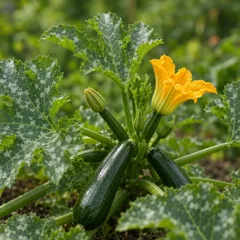 | Squash | Pattypan Scallop | Yes | 50-55 | Round, flattened summer squash with scalloped edges Excellent heat tolerance, harvest young for best flavor | |
| Squash | Crookneck Yellow | Yes | 50-60 | Traditional curved neck summer squash, very productive Plant succession crops every 2-3 weeks | Seeds |
| Strawberry | Chandler | Yes | 60-90 | Large, sweet berries with excellent flavor and firm texture Plant in fall, provide morning sun and afternoon shade | |
| Strawberry | Festival | Yes | 60-75 | Heat-tolerant variety with good disease resistance Excellent for warm zones, ensure good drainage | |
| Strawberry | Sweet Charlie | Yes | 55-70 | Early season variety with sweet, medium-sized berries Good for containers, protect from intense afternoon sun | |
| Sugarcane | CP 72-2086 | Yes | 365-450 | Cold-hardy variety suitable for marginal growing areas Good choice for cooler subtropical regions | |
| Sugarcane | HoCP 96-540 | Yes | 365-450 | High-yielding variety with good cold tolerance Reliable performer in zone 9b conditions | |
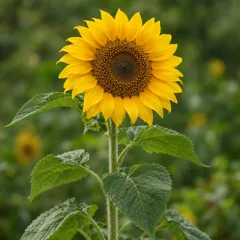 | Sunflower | Russian Giant | Yes | 80-110 | Traditional tall variety with large yellow flowers Excellent for bird feeding, drought tolerant once established | |
| Sunflower | Teddy Bear | Yes | 65-75 | Dwarf double-flowered variety, fluffy golden blooms Perfect for containers, heat resistant | Seeds |
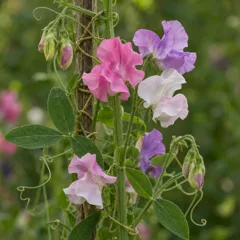 | Sweet Pea | Royal Wedding | Yes | 60-75 | Heat-tolerant white fragrant blooms, excellent for cutting Plant October-November, provide morning sun only | |
| Sweet Pea | Cupani | Yes | 70-85 | Original heirloom variety, purple and blue bicolor, very fragrant More heat tolerant than modern varieties | |
| Sweet Potato | Beauregard | Yes | 90-100 | Orange flesh, disease resistant, good storage Standard variety, reliable performer in zone 9b | |
| Sweet Potato | Evangeline | Yes | 100-110 | Rose skin, orange flesh, high yields Heat tolerant, good for zone 9b conditions | |
| Sweet Potato | Hernandez | Yes | 110-120 | Purple skin, white flesh, compact vines Unique variety, thrives in zone 9b heat | |
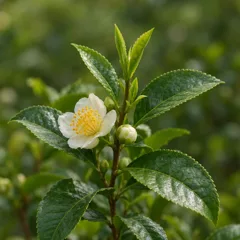 | Tea | Camellia sinensis var. sinensis | Yes | 730-1095 | Chinese tea variety, good cold tolerance Plant in protected location, provide winter mulch | |
| Tea | Camellia sinensis 'Korean' | Yes | 730-1095 | Korean cultivar with enhanced cold hardiness Most cold tolerant variety, excellent for zone 9b | |
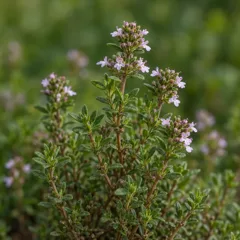 | Thyme | English Thyme | Yes | 75-90 | Classic culinary thyme with small gray-green leaves and strong flavor Plant in fall or early spring, excellent drainage required | |
| Thyme | Creeping Thyme | Yes | 60-75 | Low-growing groundcover variety with purple flowers Great for rock gardens and pathways, drought tolerant | Seeds |
| Thyme | Silver Thyme | Yes | 75-90 | Variegated leaves with silver edges, ornamental and culinary Attractive foliage year-round, good container plant | |
| Tobacco | Turkish | Yes | 70-80 | Small aromatic leaves, sun-cured Needs hot dry conditions for best flavor | |
| Tobacco | Connecticut Shade | Yes | 65-75 | Wrapper leaf variety, grown under shade cloth Requires shade structure for quality leaves | |
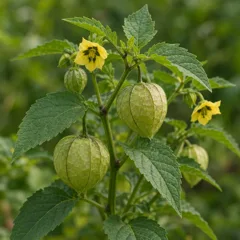 | Tomatillo | Grande Rio Verde | Yes | 65-75 | Large green fruits, heat tolerant variety Plant after soil warms to 60°F for optimal growth | Seeds |
| Tomatillo | Cisineros | Yes | 70-80 | Mexican heirloom, compact plants with excellent flavor Good choice for shorter growing seasons in zone 9b | |
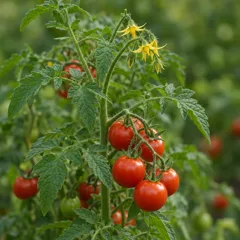 | Tomato | Heatmaster | Yes | 75-80 | Indeterminate variety specifically bred for extreme heat tolerance Thrives in high temperatures, needs consistent watering | |
| Tomato | Stupice | Yes | 60-65 | Early indeterminate variety, good heat adaptation Plant early spring for best results before peak summer heat | |
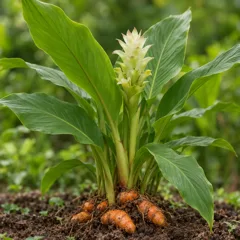 | Turmeric | Hawaiian Red | Yes | 240-300 | Cold-hardy variety with reddish rhizomes, good for marginal zones Mulch in winter, generally survives mild freezes | |
| Turmeric | Madras | Yes | 250-280 | Orange-yellow rhizomes, good flavor and color More cold tolerant than tropical varieties | |
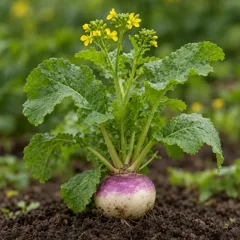 | Turnip | Hakurei | Yes | 38-45 | Japanese salad turnip, sweet and tender Best grown in fall through early spring in zone 9b | Seeds |
| Turnip | Just Right | Yes | 60-70 | All-America Selections winner, uniform white roots Plant September through February for optimal growth | |
| Verbena | Superbena Royale Red | Yes | 55-70 | Vigorous spreader with bright red blooms, disease resistant More cold hardy than most varieties, self-cleaning | |
| Verbena | Lanai Purple | Yes | 60-75 | Compact upright habit with rich purple flower clusters Good winter survival in zone 9b with protection | |
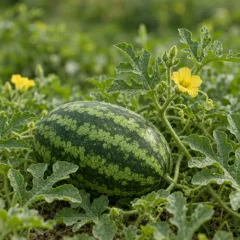 | Watermelon | Charleston Gray | Yes | 85-90 | Large oblong fruits, 20-35 lbs, disease resistant Needs full sun and consistent moisture, heat-loving variety | |
| Watermelon | Crimson Sweet | Yes | 80-85 | Round striped fruits, 15-25 lbs, excellent flavor Popular variety, needs warm soil and long growing season | Seeds |
| Wheat | Hard Red Winter | Yes | 180-210 | Cold-hardy winter wheat variety for southern regions May struggle with insufficient winter chill in warmest areas. | Seeds |
| Wheat | Durum | Yes | 100-120 | Spring wheat variety tolerant of heat Plant early spring, harvest before extreme summer heat. | |
| Yarrow | Cerise Queen | Yes | 60-75 | Bright cherry-red flowers, excellent cut flower Morning sun preferred, divide every 3-4 years | |
| Yarrow | Terra Cotta | Yes | 65-80 | Orange-salmon blooms, heat and humidity tolerant Water deeply but infrequently, good air circulation needed | |
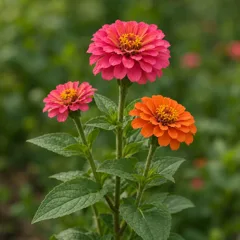 | Zinnia | Zahara Series | Yes | 55-65 | Mildew-resistant, compact plants with vibrant colors Thrives in heat, water at soil level to prevent disease | |
| Zinnia | Magellan Series | Yes | 65-75 | Double dahlia-type flowers, excellent cut flower variety Provide morning sun, some afternoon protection in extreme heat | |
| Zucchini | Eight Ball | Yes | 50-55 | Round yellow-green fruits, compact bush habit Good for containers, regular watering essential in heat | |
| Zucchini | Patio Star | Yes | 45-50 | Compact variety perfect for small spaces Dwarf habit, ideal for hot climate container growing | |
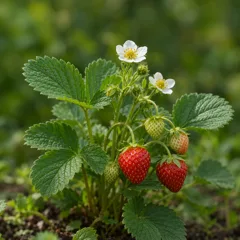 | Strawberries | Seascape | Yes | About 3 months | Fruits from early summer into fall and is one of the hardier day-neutrals; in zones 3 and 4 it needs a good straw mulch to come through winter, and it can get mildew. Give it airflow, as it can get powdery mildew. | Plants |
| Strawberries | Albion | Yes | About 3 months | A California day-neutral with long, firm, very sweet berries; best in mild summers. Best where summers are mild; production slows in high heat. | |
| Strawberries | Florida Brilliance | Yes | About 3 months from fall planting | Bred in Florida for fall planting and winter berries. Plant September to November depending on how far south you are. | |
| Strawberries | Festival | Yes | About 3 months from autumn planting | A Florida-bred short-day berry, long a leading variety in Queensland, planted in autumn. Plant in March to April in subtropical Australia. | |
| Strawberries | Red Gauntlet | Yes | Spring after planting | A long-standing home-garden variety in Australia, best in cooler areas. Plant in autumn so it fruits through late spring and summer. | |
| Strawberries | Mignonette (alpine) | Yes | About 4 months from seed | Runnerless alpine strawberry with small, fragrant red berries that takes part shade. Comes true from seed; start it indoors in late winter. | |
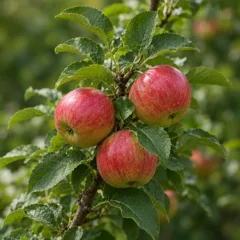 | Apple | Anna | Yes | 2-3 years | Bred in Israel to fruit with very little winter cold. Crops best with Dorsett Golden as a partner. | |
| Apple | Dorsett Golden | Yes | 2-3 years | A Golden Delicious type from the Bahamas with some of the lowest chill needs of any apple. The usual partner for Anna. The usual pollinator for Anna in warm areas. | |
| Apple | TropicSweet | Yes | 2-3 years | A low-chill apple from the University of Florida, sweet and mild, and a good pollinator for the other two. Plant with Anna or Dorsett Golden for pollination. | |
| Apple | Granny Smith | Yes | 3-5 years | Tart and green, raised in Australia. Best in warm temperate areas with long autumns. | |
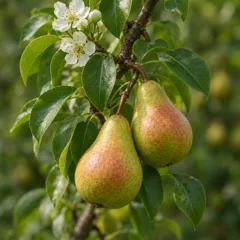 | Pear | Packham's Triumph | Yes | 4-6 years | Australia's leading pear. Green-yellow, bumpy and very juicy, picked in autumn and stored for months. Stores for months in the fridge after picking. | |
| Pear | Kieffer | Yes | 3-5 years | Tough and blight resistant, with gritty fruit best for canning and baking. Grows over a wide range of climates. Grows across a wide range of climates, including the South. | |
| Pear | Flordahome | Yes | 3-5 years | Low-chill pears from the Gulf Coast and Florida that bloom after short, mild winters. Plant them together to pollinate each other. Plant with Hood so they pollinate each other. | |
| Pear | Shinseiki | Yes | 2-4 years | Yellow, crisp and sweet, ripening in late summer. One of the easier Asian pears. Thin to one fruit per cluster for good size. | |
| Pear | Hosui | Yes | 2-4 years | Golden-brown russet skin and very juicy, sweet flesh. Ripen on the tree and pick when fully colored. | |
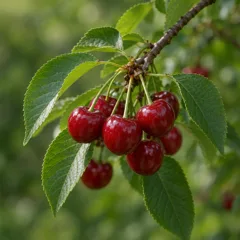 | Cherry | Lapins | Yes | 4-6 years | Large, dark mahogany fruit with some resistance to splitting. Bred in British Columbia and widely grown in home gardens from Canada to Australia. A good one-tree choice from Canada to Australia. | |
| Cherry | Minnie Royal and Royal Lee | Yes | 3-5 years | Low-chill sweet cherries bred for mild-winter California. Plant both together; each pollinates the other. | |
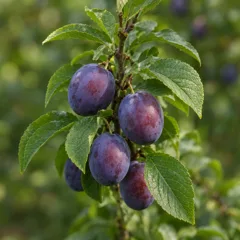 | Plum | Santa Rosa | Yes | 3-4 years | Burbank's red-skinned plum with amber flesh, about 300 to 400 chill hours. Partly self-fertile, crops better with a partner. Partly self-fertile; a Japanese partner improves the crop. | |
| Plum | Methley | Yes | 2-4 years | Early, red-purple and juicy, about 250 chill hours. Self-fertile, a good pick for the warm South. Self-fertile; a good warm-South plum and pollinizer. | |
| Plum | Satsuma | Yes | 3-4 years | Dark red skin and red flesh, great for jam. Needs a Japanese partner such as Santa Rosa or Methley. Needs a Japanese partner such as Santa Rosa or Methley. | |
| Plum | Gulfruby | Yes | 2-4 years | Low-chill plums from the University of Florida, needing only a few hundred chill hours. Plant two Gulf varieties together for pollination. Plant with another Gulf variety such as Gulfbeauty or Gulfblaze. | |
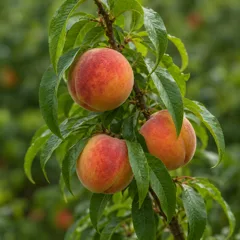 | Peach | Avalon Pride | Yes | 2-4 years | A good choice where leaf curl is a problem, thanks to its strong resistance; fine as a bush in milder areas or fanned on a south wall. Grow as a bush in mild areas or fan it on a south wall; protect early blossom from frost. | |
| Peach | Peregrine | Yes | 2-4 years | An old British favorite with white flesh, usually ripening in August. Best fan-trained on a warm wall in Britain and Ireland. | |
| Peach | Elberta | Yes | 2-4 years | The classic yellow canning peach of the Southeast, for areas with a fairly cold winter. Needs a fairly cold winter; too little chill gives patchy bloom. | Trees |
| Peach | Flordacrest | Yes | 1-3 years | Florida's top melting-flesh peach for the north of that state, needing about 350 chill hours. Choose for areas with only a few hundred chill hours. | |
| Peach | UFGold | Yes | 1-3 years | A low-chill (about 200 hours) clingstone that crops heavily and ripens early. Net when fruit colors to keep off squirrels and birds. | |
| Peach | Flordaprince | Yes | 1-3 years | Needs only about 150 chill hours; grown in subtropical Queensland and northern New South Wales. In Australia net against fruit fly as fruit ripens. | |
| Peach | Tropic Snow | Yes | 1-3 years | A low-chill white peach popular with home gardeners in warm parts of Australia. Spray copper in late winter before bud swell if leaf curl appears. | |
| Peach | Bonanza | Yes | 2-3 years | Genetic dwarf about 5 to 6 feet tall, suited to a large pot. Wheel the pot under cover in late winter to protect blossom from frost and rain. | |
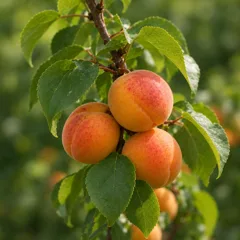 | Apricot | Blenheim (Royal) | Yes | 3-4 years | Classic California apricot, sweet and aromatic, best for drying. Blooms early; not for cold-winter areas. | |
| Apricot | Gold Kist | Yes | 3-4 years | Needs only about 300 chill hours, so it suits southern California and similar mild areas. Suits mild-winter gardens like southern California. | |
| Apricot | Trevatt | Yes | 3-4 years | A long-time favorite in Australian home gardens, cropping heavily in summer. Thin fruit to keep size up. | |
| Apricot | Garden Aprigold | Yes | 2-3 years | Genetic dwarf about 5 to 6 feet tall. Grow in a 15-gallon or larger pot you can move under cover at bloom. | |
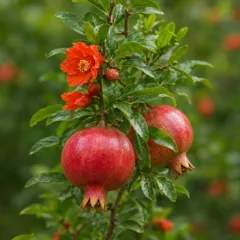 | Pomegranate | Wonderful | Yes | 3 years | The classic. Large, deep red fruit with a rich, tart flavor, great for juice. Ripens in early fall. It does poorly in the humid Southeast. Does poorly in the humid Southeast; best in hot, dry summers. | Trees |
| Pomegranate | Granada | Yes | 3 years | A sport of Wonderful with darker red fruit, less tart, ripening about a month earlier. Good where fall turns cool early. | |
| Pomegranate | Eversweet | Yes | 2-3 years | Soft seeds, light red arils and clear, sweet juice. Nice for eating fresh. | |
| Pomegranate | Angel Red | Yes | 2-3 years | Juicy, soft-seeded fruit that ripens early. Best in zone 8 and warmer. Needs zone 8 or warmer. | |
| Pomegranate | Salavatski (R8) | Yes | 3 years | One of the cold-hardy Russian selections. Large, sweet fruit about the size of Wonderful, with firm seeds, good for juice. A good pick for zone 7 and the humid Southeast. | |
| Pomegranate | Afganski (R26) | Yes | 3 years | Another Russian selection for cold hardiness, with bright red skin, deep red, soft-seeded arils and a sweet-tart taste. Plant against a warm wall in cold zones. | |
| Pomegranate | Utah Sweet | Yes | 3 years | Soft seeds and sweet pink arils. Hardy to zone 7 with protection. Protect in zone 7 winters. | |
| Pomegranate | Nana | Yes | 1-2 years | A true dwarf, 2 to 3 feet tall, with small fruit. The best choice for a pot on a sunny windowsill, patio or conservatory. The pot choice for Canada, the UK and Ireland; winter it indoors. | |
| Pomegranate | State Fair | Yes | 2-3 years | A compact shrub, about 5 feet, cold hardy with small fruit. Good for small gardens and large containers. | |
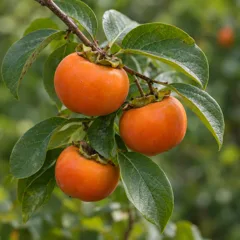 | Persimmon | Fuyu | Yes | 3-5 years | The most popular persimmon in the US and Australia. Flat, round, and crisp, with a late harvest. It sets fruit without a partner. Sets fruit alone; pick when fully orange. | |
| Persimmon | Jiro (Ichikikei Jiro) | Yes | 3-5 years | Fuyu-like non-astringent fruit on a smaller tree, often seedless. Good for small yards; regulates its own crop. | |
| Persimmon | Izu | Yes | 3-4 years | Ripens early, which helps in cooler areas or where fall frosts come soon. Try against a warm wall in the UK and Ireland. | |
| Persimmon | Hachiya | Yes | 3-5 years | Large, acorn-shaped, and the classic for baking and drying. Very puckery until fully soft, then rich and sweet. Pick firm and colored, ripen indoors until jelly-soft. | |
| Persimmon | Tanenashi | Yes | 3-5 years | Seedless, cone-shaped, and a good cropper in the Southeast. Sets fruit without pollination. | |
| Persimmon | Great Wall | Yes | 3-5 years | Small fruit on a vigorous tree. Buy grafted on American rootstock for zone 6. | |
| Persimmon | Nikita's Gift | Yes | 3-5 years | A cross of Asian and American persimmon, with sweet, mid-sized fruit that must soften before eating. Grown in zone 6 and milder. A middle option where Asian types are borderline. | |
| Persimmon | Meader | Yes | 3-5 years | Very hardy and early ripening, and the best-known American type for cold, short-season gardens, including southern Canada. Often sold as self-fertile, but a second tree gives steadier crops. | |
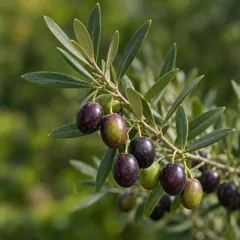 | Olive | Arbequina | Yes | 2-4 years | A small, compact Spanish tree with little brown-black olives, good for oil or curing. Often crops alone but sets more with a second variety nearby. | Trees |
| Olive | Leccino | Yes | 3-5 years | An Italian oil olive with good frost tolerance. It needs another variety to pollinate it; Pendolino is the classic partner. Self-sterile; plant Pendolino or another variety as a pollinizer. | |
| Olive | Mission | Yes | 3-5 years | The old California olive. Fairly cold-hardy, upright, and good for black table olives or oil. Will not pollinate Manzanillo; pair it with a different variety. | |
| Olive | Manzanillo | Yes | 3-5 years | The common California table olive, with large, round fruit. Less cold-hardy than Mission, and crops better with a second variety nearby. Needs a pollinizer other than Mission. | |
| Olive | Kalamata | Yes | 3-5 years | The Greek almond-shaped olive, cured black. Widely grown in Australia. Best in hot, dry summers. | |
| Olive | Frantoio | Yes | 3-5 years | A Tuscan oil olive with fine flavor, but sensitive to cold. Best in mild zones 9 and 10. Keep to mild zones or a protected warm wall. | |
| Olive | Picual | Yes | 3-5 years | Spain's main oil olive, productive and fairly hardy. Partly self-fertile, but sets more with a partner. Self-incompatible; plant a second variety. | |
| Olive | Swan Hill | Yes | N/A (fruitless) | and Wilsonii: Bred for landscapes where dropped fruit is a nuisance or olive pollen allergies are a worry. Choose it for patios and paths where dropped fruit or pollen allergy is a problem. | |
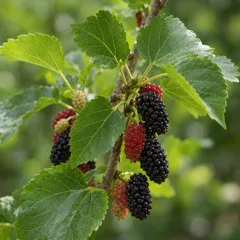 | Mulberry | Illinois Everbearing | Yes | 1-3 years | Also sold in Britain and Ireland, and a good choice where you want fruit within a few years rather than waiting on a black mulberry. Fruit clings to the tree, so pick several times rather than shaking. | |
| Mulberry | Gerardi Dwarf | Yes | 1-3 years | A compact tree raised in Illinois that stays small enough to net, with dark, sweet fruit. Good for small yards and large pots. | |
| Mulberry | Chelsea (King James) | Yes | 5-8 years | Black mulberry with large, richly flavored fruit; RHS Award of Garden Merit. Give it a warm, sheltered spot or a sunny wall in the UK and Ireland. | |
| Mulberry | Charlotte Russe | Yes | 1-2 years | A dwarf mulberry that stays about 5 feet tall in a pot and fruits young, over a long season. Use a soil-based mix in a pot about 20 inches wide. | |
| Mulberry | Pakistan | Yes | 2-3 years | Very long, sweet, red to black berries, up to about 3 inches. Low chill and suited to hot summers. A good pick for Florida, Texas and warm Australian districts. | Trees |
| Mulberry | Dwarf Everbearing | Yes | 1-2 years | A small, low-chill tree for pots and small yards in Florida and warm parts of Australia. Can fruit more than once a year. Keep under 6 feet by pruning; ideal in a pot. | |
| Mulberry | Tehama | Yes | 2-3 years | Large, white, very sweet berries that barely stain. Good in California and other dry-summer areas. Plant near patios where dark berries would be a nuisance. | |
| Mulberry | Hicks Fancy | Yes | 2-3 years | Two of the common black-fruited mulberries sold in Australia. Hicks Fancy is sweet and one of the earliest to ripen. Can lose its crop where frosts come late in spring. | |
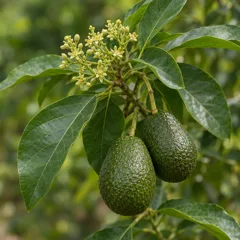 | Avocado | Mexicola | Yes | 3-4 years | One of the hardiest avocados, healthy into the low 20s F. Small thin-skinned black fruit with a nutty flavor; leaves smell of anise. Type A. A good pick for zone 9 and cooler Australian gardens. | |
| Avocado | Bacon | Yes | 3-4 years | Tall, reliable Mexican-type tree that takes about 24 to 26 F. Mild green fruit from late fall into winter. Type B, so it pairs well with Hass. | |
| Avocado | Zutano | Yes | 3-4 years | Upright, cold-tolerant tree with light green, mild fruit. Type B; often planted as a pollinator for Hass. | |
| Avocado | Fuerte | Yes | 3-4 years | The old California classic: green, pear-shaped, buttery fruit in winter and spring, hardier than Hass. Type B. | |
| Avocado | Brogdon | Yes | 3-4 years | Cold-hardy Florida hybrid with small purple fruit in late summer. Type B; one of the best for north and central Florida. | |
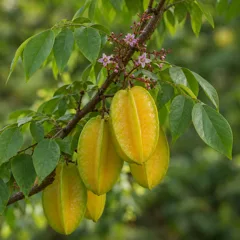 | Starfruit | Golden Star | Yes | 10-14 months (grafted) | The 1965 Florida release. Large and deeply ribbed, mildly tart to sweet, sweetest when picked fully golden. It sets fruit well on its own. Copes better with alkaline limestone soils; self-fruitful. | |
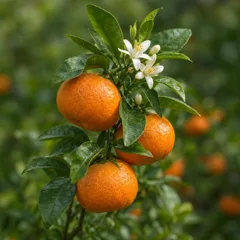 | Mandarin | Owari | Yes | 3-5 years | The classic satsuma. Seedless, sweet and easy to peel, ripening October to November. Very productive on a small, drooping tree. Pick promptly once ripe; satsumas go puffy if left hanging. | |
| Mandarin | Brown Select | Yes | 3-5 years | A productive satsuma that ripens a little ahead of Owari. Good choice where an early freeze can cut the season short. | |
| Mandarin | Kimbrough | Yes | 3-5 years | A Louisiana selection with larger fruit, thought to be a degree or two hardier than Owari. Grow on trifoliate rootstock for the most cold tolerance. | |
| Mandarin | Miho | Yes | 3-5 years | An early Japanese satsuma that has done well in cold trials in the Southeast. On Flying Dragon rootstock it stays small enough for a big pot. | |
| Mandarin | Clementine (Algerian) | Yes | 3-5 years | Sweet, juicy, usually seedless fruit from late fall into winter. Crops more heavily with another citrus nearby, though fruit gets seedier. | |
| Mandarin | Gold Nugget | Yes | 3-5 years | A seedless, bumpy-skinned late mandarin from the University of California with rich flavor. The fruit holds on the tree well into spring. Fruit holds on the tree for months, so pick as you need it. | |
| Mandarin | Tango | Yes | 3-5 years | A seedless, smooth-skinned mandarin from the same program, ripening midwinter to spring. Stays seedless even planted near other citrus. | |
| Mandarin | Imperial | Yes | 3-5 years | Australia's best-known early mandarin, easy to peel, ripening in late autumn to early winter there. Pair with a later type like Afourer or Honey Murcott to spread the harvest. | |
| Mandarin | Kishu | Yes | 3-5 years | Tiny, seedless fruit about the size of a golf ball, on a naturally small tree. A favorite for containers. A top pick for a pot brought indoors in Canada, the UK or Ireland. | |
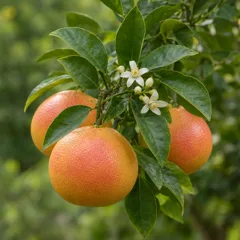 | Grapefruit | Rio Red | Yes | 3-4 years to first crop; ripe from late fall, holds into late spring | Found in Texas in 1976 and released in 1984, from the same Texas breeding work as Star Ruby. Needs plenty of summer heat to color and sweeten, so it is best in hot inland areas. | |
| Grapefruit | Star Ruby | Yes | 3-4 years to first crop; ripe late fall to spring | The darkest red flesh of any grapefruit, thin peel, and often called the sweetest. Prone to root rot and frost, so give it perfect drainage and a warm, sheltered spot. | |
| Grapefruit | Ruby Red (Redblush) | Yes | 3-4 years to first crop; ripe from about November | The original Texas red sport from 1929. Pink flesh that fades toward buff later in the season. Few seeds, and a big, productive tree. Pick earlier in the season if you want the pinkest flesh. | |
| Grapefruit | Flame | Yes | 3-4 years to first crop; ripe late fall to spring | A 1987 release from Texas red stock, with even, intense red flesh and a smooth yellow peel, often blushed pink. The flesh color fades a little late in the season, so start picking from midwinter. | |
| Grapefruit | Marsh | Yes | 3-4 years to first crop; ripe from fall, holds into spring | The classic nearly seedless white grapefruit, from Florida before 1862. Holds a long time on the tree. Leave it hanging late. It gets sweeter, and NSW advice for Sydney is to pick in spring. | |
| Grapefruit | Duncan | Yes | 3-4 years to first crop; ripe late November, best by February | The old Florida grapefruit, seedy but with rich, balanced flavor, and a little more cold-hardy than Marsh. Good for juice. A good juicing fruit, where the seeds don't matter. | |
| Grapefruit | Oroblanco | Yes | 3-4 years to first crop; up to 18 months to ripen in cool summers | A University of California cross of pummelo and grapefruit. Best pick for cool coastal summers and for pots in the UK, Ireland and Canada. | |
| Grapefruit | Melogold | Yes | 3-4 years to first crop; ripe in winter | From the same cross, with bigger, milder, more pummelo-like fruit. Peel away the bitter segment walls to enjoy the sweet flesh. | |
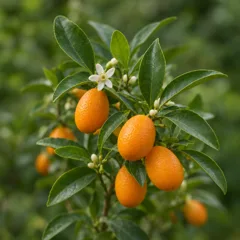 | Kumquat | Nagami | Yes | 1-3 years | and Fukushu both fruit well in a pot and stay compact. On trifoliate rootstock it is one of the best picks for zone 8b against a warm wall. | |
| Kumquat | Meiwa | Yes | 1-3 years | gives the sweetest fruit where summers are long and hot. Nagami also does well. Gives its sweetest fruit where summers are long and hot. | |
| Kumquat | Marumi | Yes | 1-3 years | and Nagami on trifoliate orange rootstock are the usual picks for the coldest spots kumquats can grow outdoors. Cover in hard freezes; fruit is damaged at higher temperatures than the tree. | |
| Kumquat | Fukushu (Changshou) | Yes | 1-3 years | Larger bell-shaped fruit on a compact, nearly thornless tree with broad leaves. A good pot kumquat for bringing indoors in cold-winter areas. | |
| Kumquat | Centennial Variegated | Yes | 1-3 years | Leaves splashed with cream and young fruit striped green and yellow, turning orange as it ripens. A Nagami type, very ornamental on a patio. Very ornamental on a patio; treat like Nagami. | |
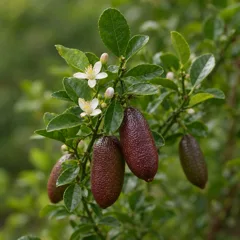 | Finger Lime | UF Sunlime | Yes | 1-3 years (grafted) | A University of Florida release that makes a medium bush, bred for Florida growers dealing with citrus greening. Early trials suggest slightly better cold tolerance than UF Redlime; cover young trees in freezes. | |
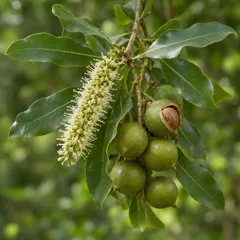 | Macadamia | Cate | Yes | 4-6 years | A rough-shell type from Malibu, California. Hardy and early bearing, with crisp kernels that ripen in late fall. A long-time favorite in California. The best pick for the cool edge of macadamia country. | |
| Macadamia | Beaumont | Yes | 4-7 years | An Australian hybrid with pretty pink flowers and an upright shape. A favorite backyard tree in both Australia and California. Some nuts split on the tree, so gather often. | |
| Macadamia | Dorado | Yes | about 5 years | A smooth-shell type noted for cold resistance and heavy crops. Worth a look where light frosts happen some winters. | |
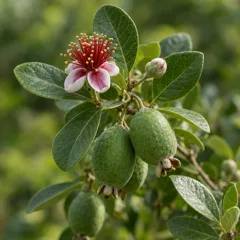 | Feijoa | Unique | Yes | 2-3 years | is the best choice: it ripens very early and sets fruit on its own. Pair it with Apollo or Mammoth, which UK nurseries also sell, for a heavier crop. Best single-plant choice for small yards and cool or short seasons, including UK and Ireland. | |
| Feijoa | Coolidge | Yes | 2-4 years | The old standard California variety. A dependable cropper on its own, with medium fruit and fair flavor. A good self-fertile partner for better-tasting varieties. | |
| Feijoa | Nazemetz | Yes | 2-4 years | A San Diego selection with large, pear-shaped fruit and very good flavor. The cut flesh is slow to turn brown. Crops better with a partner. Crops more heavily with a second variety nearby. | |
| Feijoa | Apollo | Yes | 2-4 years | New Zealand. A vigorous plant with large, sweet fruit, ripening midseason. Partly self-fertile and a good pollinator for others. Partly self-fertile and a strong pollinator for other varieties; common in UK nurseries. | |
| Feijoa | Mammoth | Yes | 2-4 years | New Zealand. Large round fruit with good flavor, ripening mid to late season. Self-pollinated fruit can be hollow, so plant it with Triumph or another partner. | |
| Feijoa | Triumph | Yes | 2-4 years | New Zealand. Plump, oval fruit with excellent flavor that stores well, ripening late. Pairs well with Mammoth. Classic pairing with Mammoth. | |
| Feijoa | Trask | Yes | 2-4 years | A sport of Coolidge with larger fruit, very good flavor and an early crop. Early ripening suits cooler summers. | |
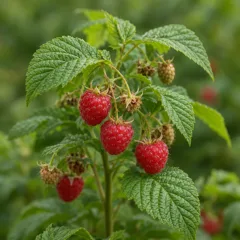 | Raspberry | Dormanred | Yes | summer after planting | Summer-bearing. A hybrid with a heat-adapted Asian bramble parent, grown in the US South. Best used for jam; for the US South where other reds fail. | |
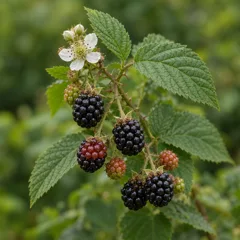 | Blackberry | Loch Ness | Yes | 2 years (second summer) | A Scottish-bred, thornless, semi-upright berry with an RHS Award of Garden Merit. Compact enough for a small garden. A reliable choice for cool UK and Irish summers and small gardens. | |
| Blackberry | Ouachita | Yes | 2 years (second summer) | Erect, thornless and upright, needing about 400 to 500 chill hours; resists rosette and orange rust. Good all-rounder for the southern US. | |
| Blackberry | Natchez | Yes | 2 years (second summer) | Semi-erect, thornless and early, needing about 300 to 400 chill hours; suits mild-winter areas such as north Florida. Suits Florida and other mild-winter areas; watch for orange rust. | |
| Blackberry | Kiowa | Yes | 2 years (second summer) | Thorny but with very large berries and a long picking season; needs only about 200 to 300 chill hours, one of the best for mild winters. One of the best for low-chill gardens in the Deep South and warmer Australia. | Plants |
| Blackberry | Marion (Marionberry) | Yes | 2 years (second summer) | Classic thorny trailing berry of Oregon with rich flavor. Tie canes to wires; lay them down under straw where winters are colder. | |
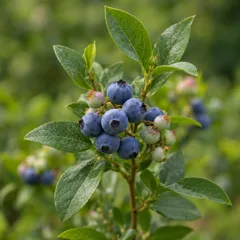 | Blueberry | Sunshine Blue | Yes | 2-3 years to first crop | A compact southern highbush, about 3 feet tall, with pink flowers and a very low chill need. Self-fertile and one of the best for pots in warm climates. | |
| Blueberry | Biloxi | Yes | 2-3 years to first crop | An upright southern highbush that ripens very early. Grown in warm areas in the US and Australia; plant with a second variety. Plant with a second southern highbush variety. | |
| Blueberry | Emerald | Yes | 2-3 years to first crop | University of Florida southern highbush varieties with large berries, suited to central and northern Florida. Plant them together. Pair with Jewel for pollination. | |
| Blueberry | Powderblue | Yes | 2-3 years to first crop | Two classic rabbiteyes for zones 7 to 9 that flower together and pollinate each other. Tifblue berries must be fully ripe or they taste tart. Plant with Tifblue or Brightwell; rabbiteyes need a partner. | |
| Blueberry | Tifblue | Yes | 2-3 years to first crop | Two classic rabbiteyes for zones 7 to 9 that flower together and pollinate each other. Tifblue berries must be fully ripe or they taste tart. Pollinates Powderblue and Brightwell. | Plants |
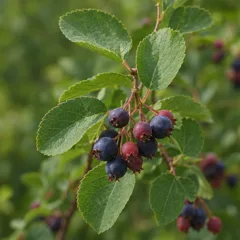 | Saskatoon | Northline | Yes | 3 years | Very productive, with large berries that ripen fairly evenly, often within three years of planting. The most common commercial variety in Canada. Net as the berries color; birds find it fast. | |
| Saskatoon | Honeywood | Yes | 3-4 years | A late bloomer, which helps it miss spring frosts. Large, juicy berries with few seeds, and heavy crops within three or four years. Its late bloom helps it miss spring frosts in exposed gardens. | |
| Saskatoon | Obelisk | Yes | 3-5 years | A narrow, upright saskatoon about 4 to 5 feet wide, sold mainly as an ornamental for small gardens. Choose it for looks and a modest crop, not a big harvest. | |
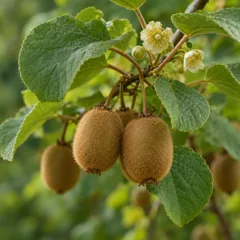 | Kiwi | Hayward | Yes | 4-5 years | The classic grocery kiwi, with large fruit that keeps for months in the fridge. Needs a long season and a male such as Tomuri. Needs a long season and a male such as Tomuri. | |
| Kiwi | Jenny | Yes | 3-4 years | Self-fertile, with smaller fruit. The best fuzzy kiwi if you have room for one vine; a common pick for UK walls. The pick when you have room for only one fuzzy vine. | |
| Kiwi | Vincent | Yes | 3-5 years | A lower-chill female grown in southern California and other warm areas where Hayward doesn't flower well. Pair with a male that blooms at the same time. | |
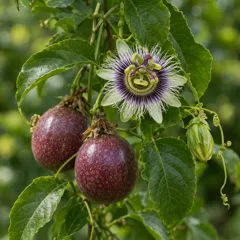 | Passion Fruit | Frederick | Yes | 12-18 months | A purple-red hybrid widely sold in California and Florida. Self-fertile, vigorous and productive. Wrap the lower stems on frosty nights in zone 9b. | Plants |
| Passion Fruit | Nellie Kelly | Yes | 12-18 months | A classic grafted black passion fruit, long the standard in cooler parts of Australia. Self-fertile, with sweet, aromatic pulp. Remove rootstock suckers as soon as they appear. | |
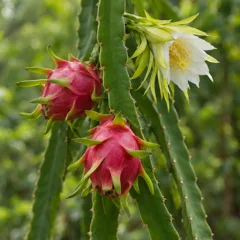 | Dragon Fruit | Physical Graffiti | Yes | 1-2 years from cutting | Pink-red flesh and sweet fruit. Gave the heaviest crop in the UC San Diego County trials and rated among the most cold- and heat-tolerant. A strong pick for marginal zones and big pots. | |
| Dragon Fruit | Valdivia Roja | Yes | 1-2 years from cutting | A red-fleshed type with smaller fruit. Rated among the most cold-tolerant in the UC trials. Choose it for cooler coastal or southern Australian gardens. | |
| Dragon Fruit | Haley's Comet | Yes | 1-2 years from cutting | Red skin and pink flesh, closely related to Physical Graffiti. Also rated well for cold tolerance. Pair with another variety for better fruit set. | |
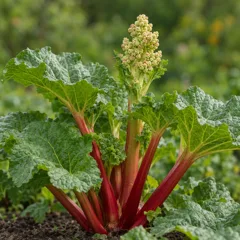 | Rhubarb | Glaskins Perpetual | Yes | 1-2 years from seed | Grows readily from seed and keeps sending up stalks over a long season. A common pick where winters are mild. A common choice for mild-winter gardens such as much of Australia. | |
| Rhubarb | Sydney Crimson | Yes | 2 years | An Australian red that holds its leaves through mild winters rather than dying right back. Give afternoon shade in hot summers. | |
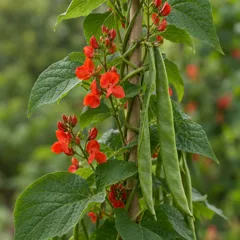 | Runner Beans | Scarlet Emperor | Yes | 75-90 | An old favorite with bright red flowers and long, well-flavored pods. Often sold as plain scarlet runner bean. Often sold simply as scarlet runner bean. | Seeds |
| Runner Beans | Painted Lady | Yes | 80 | A heritage bean with red and white flowers, as pretty as any flower vine. Doubles as a flowering screen. | |
| Runner Beans | White Lady | Yes | 80-90 | White flowers that set pods better in heat than most red types, followed by smooth, stringless pods. An RHS award winner. A good pick for warm Australian and southern US gardens. | |
| Runner Beans | Moonlight | Yes | 75-85 | A white-flowered runner and French bean cross that is self-fertile, so it sets pods even when bees are scarce or the weather turns hot. Reliable choice where flowers keep dropping. | |
| Runner Beans | Stardust | Yes | 75-85 | A self-fertile, white-flowered runner and French bean cross with long, smooth pods and heavy crops. Good for hot spells and exposed gardens. | |
| Runner Beans | Hestia | Yes | 70-80 | A dwarf bean about 18 inches tall with red and white flowers, made for pots and windy plots. Grow in a large pot or a windy plot; needs little support. | |
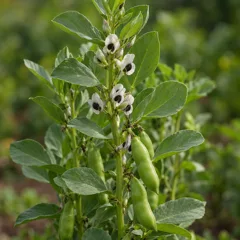 | Broad Beans | Aquadulce Claudia | Yes | about 7 months from fall sowing; 12-14 weeks from spring | The standard choice for fall sowing in the UK, Ireland and mild-winter areas. Hardy, with long pods of pale beans. Also widely sold in Australia. Sow in October or November and cover with fleece in hard cold spells. | |
| Broad Beans | The Sutton | Yes | 12-14 weeks | A dwarf, bushy plant about 18 inches tall. Good for pots, small beds and windy gardens. Best choice for pots and windy gardens; needs little or no staking. | |
| Broad Beans | Witkiem Manita | Yes | about 12 weeks | A fast spring variety that crops early, handy for short seasons and late-winter sowings. Good for short seasons in Canada and the north; sow as early in spring as you can. | |
| Broad Beans | Broad Windsor | Yes | 75-90 | An old English variety and the one most often sold in North America, with big, flat beans. A good spring choice from Canada to the southern US. Sow in early spring in the north, or in fall in mild-winter zones. | Seeds |
| Broad Beans | Sweet Lorane | Yes | about 7 months from fall sowing | Small-seeded and very hardy, an Oregon selection. Good for overwintering in mild maritime areas, and used as a cover crop too. Suits overwintering in cool maritime climates like the Pacific Northwest, UK and Ireland. | |
| Broad Beans | Crimson Flowered | Yes | 12-16 weeks | An old heritage type with red flowers and smaller pods. Pretty enough for a flower border. Pretty enough for a flower border; sow in spring. | |
| Broad Beans | Imperial Green Longpod | Yes | 12-16 weeks | Very long pods holding up to 9 green beans. A heavy cropper from spring sowings. Stake it well; best from early spring sowings. | |
| Broad Beans | Coles Early Dwarf | Yes | about 14-16 weeks from autumn sowing | A compact, early Australian favorite for autumn sowing in small gardens. Sow in autumn in temperate and warm areas for a spring crop. | |
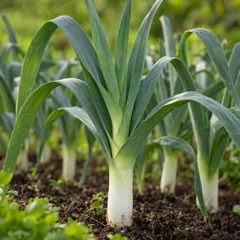 | Leeks | King Richard | Yes | 75 | Long, slender stems in about 75 days. A good choice for a short summer and baby leeks, but it takes only light frost, so use it before winter. Only hardy to about 20°F, so harvest before winter. | |
| Leeks | Tadorna | Yes | 100 | Dark blue-green leaves and good cold tolerance; about 100 days. Good for fall harvests that run into early winter. | |
| Leeks | Bandit | Yes | 120 | A selection of the old blue-leaved Blauwgroene Winter type. Short, thick stems, about 120 days, and very winter hardy with a mulch. Mulch with straw and dig through winter. | |
| Leeks | American Flag | Yes | 130 | Old, dependable late leek, hardy to about 10°F. Also a winter crop in the southern US and Australia. | Seeds |
| Leeks | Musselburgh | Yes | 150 | Scottish heirloom with thick stems; very hardy. A classic for UK and Irish winter beds. | Seeds |
| Leeks | Porvite | Yes | 130-150 | Large, even stems for fall and early winter, and resistant to bolting. RHS Award of Garden Merit choice for UK gardens. | |
| Leeks | Oarsman | Yes | 150 | A British-bred winter hybrid with good resistance to rust; it holds an RHS Award of Garden Merit. Pick it if leek rust has been a problem. | |
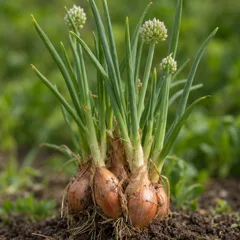 | Shallots | French Red (Red French) | Yes | 90-120 | The most common shallot: coppery skin, pink-tinged flesh, stores well. A safe first choice for spring planting almost anywhere. | |
| Shallots | Dutch Yellow | Yes | 90-110 | Round, golden bulbs with a stronger, more onion-like taste. Easy and productive. Good for short Canadian seasons from early spring sets. | |
| Shallots | Gray Griselle (French Gray) | Yes | 100-120 | Gray-skinned, rich-flavored shallot favored by cooks; a separate species, Allium oschaninii. Use these first, as they keep for a shorter time than red or yellow types. | |
| Shallots | Longor | Yes | 100-120 | A long, banana-shaped shallot with a good keeping record. Suits cool, maritime summers in the UK and Ireland. | |
| Shallots | Meloine | Yes | 100-120 | Round, mild bulbs with resistance to downy mildew, a real help in wet summers. A smart pick for wet summers where mildew is common. | |
| Shallots | Zebrune | Yes | 100-130 | Also sold as seed, and seed-grown plants are less likely to bolt. Seed-grown plants make single bulbs but rarely bolt. | |
| Shallots | Ambition | Yes | 100-120 | A hybrid shallot grown from seed, giving reddish-brown bulbs that store well. Start indoors in late winter, several seeds per cell, and plant out as clumps. | |
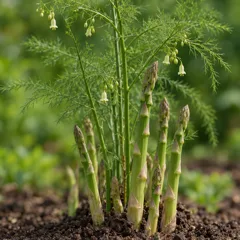 | Asparagus | Pacific 2000 | Yes | 2-3 years | Sweet, tender green spears from New Zealand with a fairly late season. Good eaten raw. Good eaten raw, sliced thin into salads. | |
| Asparagus | Jersey Giant | Yes | 2-3 years | All-male with large spears, and adapts well to the South. Plant crowns in late winter in the South. | |
| Asparagus | UC 157 | Yes | 2-3 years | A University of California hybrid bred for warm climates, widely grown in California and Australia. Hold back water in late summer or fall so the plants get a rest in mild-winter areas. | |
| Asparagus | Atlas | Yes | 2-3 years | A vigorous variety bred in California for hot regions. Suits warm inland gardens with a dry season. | |
| Asparagus | Purple Passion | Yes | 3-4 years | Sweet, purple spears that turn green when cooked. Crowns are a mix of male and female, and plants can take an extra year to settle in. Allow an extra year before harvesting hard. | Plants |
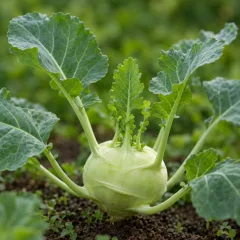 | Kohlrabi | Quickstar | Yes | 40-45 | Ready in about 40 to 45 days, so it suits short northern seasons such as much of Canada. Good for short northern seasons such as Canada. | |
| Kohlrabi | Korist | Yes | 45-50 | Green and good for early spring sowings, with some resistance to downy mildew. About 45 to 50 days. Use for the first spring sowing. | |
| Kohlrabi | Grand Duke | Yes | 45-50 | A uniform, dependable green hybrid, about 45 to 50 days. Pick at 2 to 3 inches. | |
| Kohlrabi | Early White Vienna | Yes | 55-60 | The old pale green heirloom, about 55 to 60 days. Reliable and easy to find. Widely sold and reliable in spring or fall. | |
| Kohlrabi | Kolibri | Yes | 45-55 | Deep purple skin, white flesh, quick and sweet. About 45 to 55 days. Does well in cool, damp UK and Irish summers. | |
| Kohlrabi | Olivia | Yes | 50-55 | Green, slow to bolt and tolerant of disease. About 50 to 55 days. Steady choice for maritime climates. | |
| Kohlrabi | Early Purple Vienna | Yes | 60 | Purple heirloom, about 60 days. Purple types tend to be a little hardier, so they suit late-summer sowing. Sow in late summer for fall. | |
| Kohlrabi | Kossak | Yes | 70-80 | A giant hybrid that stays tender at 8 inches across and stores well. About 70 to 80 days. Grow as a fall crop, thinned to 12 inches. | |
| Kohlrabi | Superschmelz | Yes | 60-80 | A giant green heirloom that can reach 10 inches without going woody. Best in long, mild falls. Best in long, mild falls and cool-season subtropical gardens. | |
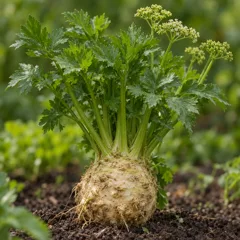 | Celeriac | Brilliant | Yes | 100-110 from transplant | Smooth skin and white flesh that stays pale after cutting. Stores well and is widely sold in North America. A dependable all-round choice for North American gardens. | |
| Celeriac | Giant Prague | Yes | 110-120 from transplant | An old variety with large roots and a fairly smooth skin. Easy to find in the US, UK and Australia, and a good keeper. Widely sold in the US, UK and Australia; good for fall-to-spring crops in mild zones. | |
| Celeriac | Prinz | Yes | 110-120 from transplant | Large roots with crisp white flesh and good resistance to bolting, which helps in cool, changeable summers. Holds an RHS Award of Garden Merit. Bolt resistance helps in cool, changeable UK and Irish summers. | |
| Celeriac | Monarch | Yes | 110-120 from transplant | Smooth skin and tender flesh with a mild, nutty taste. A favorite in the UK and Ireland, with an RHS Award of Garden Merit. A UK and Ireland favorite; RHS Award of Garden Merit. | |
| Celeriac | Ibis | Yes | 100-110 from transplant | Smooth-skinned, white-fleshed roots. Holds an RHS Award of Garden Merit. Useful where celery leaf spot has been a problem. | |
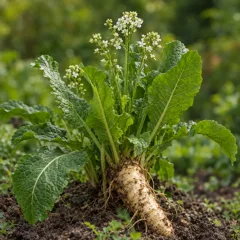 | Horseradish | Maliner Kren | Yes | One season (dig fall after frost) | An old German type with big, vigorous roots and a strong bite. A good all-round choice, including cold winters in Canada and the northern US. Good all-rounder for cold winters in Canada and the northern US. | |
| Horseradish | Bohemian (New Bohemian) | Yes | One season (dig fall after frost) | Narrow, smooth leaves; better resistance to white rust and mosaic virus, roots can be a bit smaller. A sensible pick where summers are humid. | |
| Horseradish | Variegata | Yes | One season; lighter crop | Leaves splashed with cream. Less vigorous and less likely to spread, and it takes part shade. Suits small gardens and pots, including cool UK and Irish summers. | |
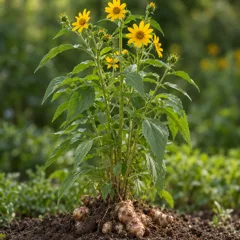 | Jerusalem Artichoke | Fuseau | Yes | 120-150 | Long, smooth, spindle-shaped tubers that are easy to peel. Grows tall. A favorite in the UK and Ireland. The best pick for the UK and Ireland, and for anyone who hates scrubbing knobbly tubers. | |
| Jerusalem Artichoke | Dwarf Sunray | Yes | 120-150 | A shorter plant, about 4 to 5 feet, with smooth, pale tubers. Good for windy or exposed gardens and small spaces. Choose it for windy, exposed or small gardens. | |
| Jerusalem Artichoke | Red Fuseau | Yes | 120-150 | Like Fuseau, with rosy red skin. Leave the skin on for color in roasts and salads. | |
| Jerusalem Artichoke | Mammoth French White | Yes | 120-150 | An old, vigorous type with big white tubers. Plant at the north edge of the garden; it grows very tall. | |
| Peanuts | Early Spanish | Yes | 100-110 | A fast, small-seeded Spanish type, about 100 to 110 days. One of the best choices for the North, Canada, and greenhouse growing in the UK and Ireland. Start it indoors in deep paper pots in Canada, the UK and Ireland. | |
| Peanuts | Tennessee Red Valencia | Yes | 110-120 | Three or four sweet, red-skinned seeds per pod, about 110 to 120 days. Good for short seasons and excellent boiled. Dig early for boiled peanuts. | |
| Peanuts | Georgia Red | Yes | about 120 | A Valencia type with red skins, popular for boiling peanuts in the South. Harvest while the pods are full but still soft for boiling. | |
| Peanuts | Carolina Black | Yes | about 120 | An heirloom with near-black skins, about 120 days. Best in warm zones. Give it a long, warm season. | |
| Peanuts | Jumbo Virginia | Yes | 130-150 | The big ballpark peanut, about 130 to 150 days. Needs a long, hot summer, so it suits the South and warm parts of Australia. Needs calcium; side-dress with gypsum at flowering in sandy soil. | |
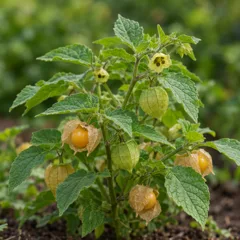 | Ground Cherry | Aunt Molly's | Yes | 65-75 | The classic. Small golden berries with a sweet, pineapple-citrus taste, on a low, spreading plant. Early and dependable, the best first choice for short Canadian and northern seasons. | |
| Ground Cherry | Cossack Pineapple | Yes | 65-75 | An Eastern European heirloom named for its strong pineapple flavor. Early to ripen, and well suited to cool summers like those in the UK and Ireland. Ripens early, so it suits cool maritime summers in the UK and Ireland; give it the warmest spot. | |
| Ground Cherry | Goldie | Yes | 70-75 | A long-time seed catalog favorite with golden berries and a sweet, fruity flavor, much like Aunt Molly's. Grow over mulch or a hard surface so the dropped fruit is easy to find. | |
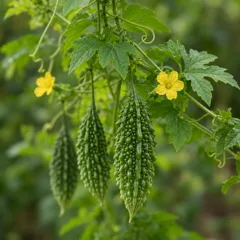 | Bitter Melon | Small Indian (Karela) types | Yes | 55-70 | Short, very warty, dark green fruit 4 to 8 inches long; the most bitter type, good for stuffing and curries. The best pick for short or cool summers; grow under cover in the UK, Ireland and much of Canada. | |
| Bitter Melon | Okinawan / Japanese (goya) types | Yes | 65-80 | Medium-length bright green fruit with rounded bumps and moderate bitterness. Pick at 6 to 10 inches while glossy green. | |
| Bitter Melon | White-skinned types | Yes | 70-85 | Pale ivory fruit, often milder than the green types. Harvest before any yellow shows; a gentle start for new eaters. | |
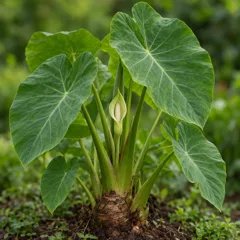 | Taro | Korean taro | Yes | 6-7 months | In North Carolina on-farm research it proved hardier than Hawaiian taro, and growers who tried leaving it in the ground over winter said it came back. The best pick for short, cool seasons. Plant it deep and mulch it if you want to try leaving it in the ground. | |
| Taro | Pink China | Yes | grown mainly for foliage | One of the hardiest elephant ears, with pink stems, said to survive in zone 6b. Grow it for looks unless the seller lists it as edible. | |
| Taro | Bun Long | Yes | 7-9 months | A Chinese taro with large, tender leaves that are low in acridity when cooked, a favorite for luau leaves. A good choice if you want leaves for laulau-style cooking. Pick only a few leaves at a time. | |
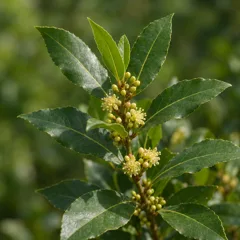 | Bay Laurel | Common bay (Laurus nobilis) | Yes | 1-3 years to steady picking | The classic culinary bay with glossy, dark green pointed leaves and the best flavor. Grow in a pot brought indoors for winter anywhere colder than zone 7. | |
| Bay Laurel | Aurea (golden bay) | Yes | 1-3 years to steady picking | Yellow-green leaves, brightest in winter and spring; still good for cooking. Give it full sun for the best color. | |
| Bay Laurel | Willow-leaf bay (f. angustifolia) | Yes | 1-3 years to steady picking | Long, narrow, wavy-edged leaves; edible and handsome as a clipped hedge. Clip with pruners, not shears, to avoid browned half-leaves. | |
| Bay Laurel | Little Ragu | Yes | 1-3 years to steady picking | A compact, upright selection that stays about 6 to 8 feet, sold for zones 8 to 11. Can struggle in very hot inland summers; give afternoon shade there. | |
| Bay Laurel | Saratoga | Yes | 1-3 years to steady picking | A hybrid of common bay and Canary Island bay, bred in California. Less cold hardy than common bay; best in warm, dry regions. | Plants |
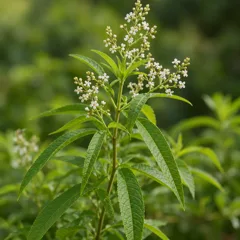 | Lemon Verbena | Lemon verbena (Aloysia citrodora, straight species) | Yes | 3-4 weeks from a nursery plant to first picking | The tea and kitchen plant, almost always sold without a variety name; holds the RHS Award of Garden Merit. Rub a leaf before buying; it should smell strongly of lemon. In Canada, the UK and Ireland grow it in a pot on a warm patio or in a greenhouse. | |
| Lemon Verbena | Sweet almond verbena (Aloysia virgata) | Yes | Flowers from the first summer on a nursery plant | A related shrub grown for long, almond-scented white flower spikes rather than tea. Best for hot or subtropical gardens such as the southern US and warm parts of Australia. | |
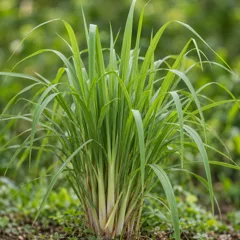 | Lemongrass | West Indian lemongrass (Cymbopogon citratus) | Yes | 3-4 months from plant to first stalks | The cooking lemongrass, with thick, fleshy pale bases; sold as plants because it rarely sets seed. In UK, Ireland and Canada grow it in a pot in the warmest spot and bring it in before nights reach 45°F. | Seeds |
| Lemongrass | East Indian lemongrass (Cymbopogon flexuosus) | Yes | 4-5 months from seed | Taller and slimmer with thinner stalks and a strong scent; usually the type sold as seed. Pick this if you want to start from a seed packet; best for tea rather than fleshy cooking stalks. | |
 | Vietnamese Coriander | Plain species (rau ram, laksa leaf) | Yes | 4-6 weeks from rooted cutting to first picking | The only form sold to home gardeners. You'll find it under several names: Vietnamese coriander, Vietnamese cilantro, Vietnamese mint, rau ram, laksa leaf or Cambodian mint. Stems from an Asian grocer's bunch root in water within 1 to 2 weeks. | |
 | Moringa | PKM-1 | Yes | about 6 months to pods | An early, dwarf type bred in Tamil Nadu, India, for pods. Best pick for short summers or growing as an annual in a pot. | Seeds |
 | Fenugreek | Common methi | Yes | 30-40 (leaves); 100-120 (seed) | The standard leaf-and-seed type found in garden centers and Indian grocery stores. Seed from a grocery store packet usually grows fine. Test grocery seed on damp paper before sowing a whole row. | |
| Fenugreek | Pusa Early Bunching | Yes | 25-35 (leaves) | An Indian leaf variety, quick to give a bunch of leaves and good for repeat cuttings in mild-winter and hot areas. Best sown in the cool season in hot or subtropical areas. | |
| Fenugreek | Kasuri methi | Yes | 30-40 (leaves) | Smaller, very fragrant leaves that are usually dried. It's slow to flower, so it gives several cuttings. Cut repeatedly and dry the leaves in shade. | |
 | Roses | Gertrude Jekyll | Yes | Flowers first summer, repeats into fall | A David Austin English shrub rose with rich pink, strongly scented flowers. Give it full sun and airflow in damp climates to limit black spot. | |
| Roses | Olivia Rose Austin | Yes | Flowers first summer, repeats into fall | Soft pink, cupped flowers, and one of the more disease-resistant English roses. A sensible pick for wet UK and Irish summers. | |
| Roses | Madame Alfred Carriere | Yes | Flowers within 1-2 years of planting; repeats | A vigorous old climber with pale pink-white flowers. Known for coping with a shady, north-facing wall. One of the few roses that copes with a north-facing wall. | |
| Roses | Old Blush | Yes | Flowers first season; almost year-round in warm climates | An old China rose that flowers almost all year in warm climates. Prune lightly; it flowers on and off all year in mild zones. | |
| Roses | Mrs. B.R. Cant | Yes | Flowers first season, repeats | A heat-loving tea rose with silvery to deep pink flowers. Suits humid southern US gardens; prune only to shape. | |
| Roses | Iceberg | Yes | Flowers first summer, long repeat flushes | A white floribunda that flowers in long flushes. Very widely grown in Australia. Deadhead to keep the flushes coming. | Plants |
| Roses | Knock Out | Yes | Flowers first summer, repeats all season | A modern shrub rose bred for disease resistance and easy care. Repeats all season. Cut back by about a third in late winter to keep it dense. | |
| Roses | Peace | Yes | Flowers first summer, repeats | A yellow hybrid tea edged with pink, named as the Second World War ended. Prune hard in late winter for long cutting stems. | |
| Roses | Mister Lincoln | Yes | Flowers first summer, repeats | A deep red, very fragrant hybrid tea on long stems. Mound soil over the graft for winter in zone 5 and 6. | |
 | Cosmos | Sensation Mix | Yes | 80-90 | The classic tall garden cosmos, 4 to 5 feet, in pink, white and crimson. Good for warm, long summers. Best in long, warm summers; stake in windy spots. | Seeds |
| Cosmos | Purity | Yes | 80-90 | Clean white flowers on tall plants. A favorite for cutting. Cut often to keep it flowering. | Seeds |
| Cosmos | Sonata Series | Yes | 60-75 | Dwarf, about 1 to 2 feet, and early to bloom. Holds up to wind and suits pots, short Canadian summers and the cool, breezy UK and Irish season. Pick this for pots, short northern seasons and cool maritime summers. | |
| Cosmos | Double Click | Yes | 75-90 | Ruffled double flowers in rose, white and bicolors, about 3 to 4 feet. Pinch young plants for more stems. | |
| Cosmos | Cupcakes | Yes | 75-90 | Petals fused into a cup shape, white or blush pink. Good novelty for a cutting bed. | |
| Cosmos | Rubenza | Yes | 70-85 | Deep ruby red that fades to dusky rose, about 3 to 4 feet. Lovely mixed with white cosmos in the vase. | |
| Cosmos | Seashells | Yes | 80-90 | Rolled, tube-shaped petals in pink, white and crimson, on tall plants of 3 to 4 feet. Tall; give it a sheltered spot. | Seeds |
| Cosmos | Cosmic Orange | Yes | 60-70 | A compact yellow cosmos (C. sulphureus), about a foot tall, with bright orange semi-double flowers; an All-America Selections winner for 2000. Ideal for the southern US and warm Australia; deadhead where it may self-sow into wild areas. | |
| Cosmos | Bright Lights | Yes | 65-75 | A taller C. sulphureus mix in yellow, orange and red for hot summers. Thrives in hot, dry beds with no feeding. | Seeds |
 | Geraniums | Maverick / Ringo series | Yes | 13-16 weeks from seed | Seed-grown zonal geraniums in a full range of colors. Sow 10 to 12 weeks before your last frost on a heat mat. | |
| Geraniums | Americana series | Yes | blooms on purchase | Zonals sold as cuttings, bred to keep flowering in summer heat. A good pick for the southern US and warm parts of Australia. Choose for the southern US and warm parts of Australia. | |
| Geraniums | Calliope Dark Red | Yes | blooms on purchase | Interspecific hybrid with velvety semi-double dark red flowers; vigorous and heat tolerant. Great in large pots and hanging baskets. | |
| Geraniums | Mrs. Henry Cox | Yes | grown for leaves | An old variety grown for its leaves, splashed with red, yellow and green. Keep from cuttings; the leaf color is best in good light. | |
 | Daffodils | Tete-a-tete | Yes | Blooms late winter to early spring | A miniature, about 6 inches tall, with one to three small yellow flowers per stem. Great in pots and at the front of beds. Ideal in pots and window boxes; suits cool UK and Irish gardens. | |
| Daffodils | Thalia | Yes | Blooms mid to late spring | Two or three nodding white flowers per stem, fragrant. Lovely with forget-me-nots and violas. | |
| Daffodils | Quail | Yes | Blooms mid spring | Very fragrant golden jonquils: Quail carries two or three small flowers per stem, Sweetness usually one or two. Jonquils handle heat and mild winters better than big trumpets, good for the southern US. | |
| Daffodils | Erlicheer | Yes | Blooms late winter to early spring | A double tazetta with clusters of small, scented cream flowers, popular in Australian gardens. Popular in Australian gardens and needs little winter chill. | |
 | Lilies | Tiger lily (Lilium lancifolium) | Yes | Blooms mid to late summer | Spotted orange Turk's cap flowers; makes bulbils along the stem. Often carries viruses without symptoms; keep it apart from other lilies. | |
| Lilies | Conca d'Or (Orienpet) | Yes | Blooms mid to late summer | Huge pale yellow flowers on strong tall stems. Orienpets take heat better than Orientals; good for warmer southern US and Australian gardens. | |
 | Hydrangea | Annabelle | Yes | 1-2 years | Smooth hydrangea with huge white snowball heads. Blooms on new wood, so a hard winter doesn't stop it. Stems flop after heavy rain, so give it a hoop. Cut back hard in late winter; give it a hoop so stems don't flop. | |
| Hydrangea | Incrediball | Yes | 1-2 years | A sturdier Annabelle type with even bigger white heads on stronger stems. Good choice for Canadian and northern gardens. | |
| Hydrangea | Blaumeise (Teller series) | Yes | 1-2 years | Lacecap bigleaf, rich blue in acid soil; RHS Award of Garden Merit. Great for cool maritime summers in the UK and Ireland. | |
| Hydrangea | Miranda | Yes | 1-2 years | A compact mountain hydrangea (H. serrata) with dainty lacecaps, hardier in bud than most bigleaf types. Prune lightly right after flowering. | |
| Hydrangea | Nikko Blue | Yes | 1-2 years | A classic mophead with big blue heads in acid soil. Leave old heads on over winter to shelter buds. | |
| Hydrangea | Endless Summer The Original | Yes | 1 year | A bigleaf mophead that blooms on old and new wood, so it can still flower after a cold winter kills the buds. Still blooms after a winter that kills the old-wood buds. | |
| Hydrangea | Penny Mac | Yes | 1-2 years | A reblooming bigleaf mophead long grown in the South. Give it afternoon shade in hot areas. | |
| Hydrangea | Snow Queen | Yes | 1-2 years | Oakleaf hydrangea with upright white flower clusters and red fall color. Handles southern heat well. Handles southern and subtropical heat well; prune only after flowering. | |
| Hydrangea | Ruby Slippers | Yes | 1-2 years | A compact oakleaf, about 3 to 4 feet, with flowers that age from white to deep pink. Good for small shady gardens in warm zones. | |
 | Iris | Immortality | Yes | Blooms the spring after late-summer planting; reblooms in fall | Pure white, lightly scented, and a reliable reblooming iris in many gardens, often flowering again in late summer or fall. Feed lightly after the spring bloom and water in dry spells to encourage the fall flush. | Plants |
| Iris | Beverly Sills | Yes | Blooms the spring after late-summer planting | Soft coral-pink ruffled blooms and a strong, healthy plant. Plant with the top of the rhizome showing in full sun. | |
| Iris | Superstition | Yes | Blooms the spring after late-summer planting | Very dark purple-black with a sheen; a classic for a dramatic border. Plant it against pale flowers or silver leaves so the dark color shows up. | |
| Iris | Black Gamecock | Yes | Blooms the spring after fall planting | A Louisiana iris with velvety dark purple flowers that spreads well in damp soil; good in the southern US and subtropical Australia. Best choice for the Gulf Coast and subtropical Australia; keep it wet in the growing season. | |
| Iris | Jane Phillips | Yes | Blooms the spring after late-summer planting | An old tall bearded iris with pale blue, sweetly scented flowers that does well in cool, damp climates. Does well in cool, damp maritime climates like the UK and Ireland given sharp drainage. | |
| Iris | Harmony | Yes | Blooms in late winter after fall planting | An early dwarf Iris reticulata with royal blue flowers in late winter, planted as bulbs in fall. Plant bulbs in fall in gritty soil or a pot; good for UK and Ireland rock gardens. | |
| Iris | Blue Magic | Yes | Blooms in spring after fall planting | Deep blue-violet with a yellow blotch, a florist favorite. Plant bulbs 4 to 6 inches deep in fall; in zones 5 and colder grow in a sheltered spot or lift. | |
 | Begonia | Cocktail series (wax) | Yes | Blooms at planting from bedding packs; 12-16 weeks from seed | Bronze leaves with red, pink or white flowers; more sun tolerant than green-leaved types. The best wax begonia for sunnier beds and hot summers. | |
| Begonia | Ambassador / Prelude series (wax) | Yes | 12-16 weeks from seed | Compact green-leaved wax begonias that flower all summer. Give them afternoon shade. | |
| Begonia | Dragon Wing | Yes | Blooms from planting to frost | Big hybrid with glossy wing-shaped leaves and red or pink flowers. Handles heat and humidity well. Strong choice for hot, humid areas like the southern US and subtropical Australia. | |
| Begonia | Nonstop (tuberous) | Yes | About 3-4 months from tuber start to bloom | Compact tuberous begonia with double flowers, more heat tolerant than most tuberous types. Thrives in cool maritime summers (UK, Ireland, Pacific Northwest, coastal Canada). | |
| Begonia | Illumination (tuberous, trailing) | Yes | 14-16 weeks from seed | Trailing tuberous begonia that fills hanging baskets with double flowers. Hang it in bright shade out of wind. | |
| Begonia | Santa Cruz (Begonia boliviensis) | Yes | Blooms from planting to frost | Trailing plant with dangling orange-red flowers. Takes more sun than most begonias. | |
| Begonia | Hardy begonia (Begonia grandis) | Yes | Blooms late summer, returns yearly | True perennial with pink flowers; dies back in winter and spreads by bulbils. Mulch in zone 6; good for shady woodland beds. | |
 | Impatiens | Beacon | Yes | about 12 weeks from seed to flower | Busy Lizzie bred for strong downy mildew resistance. Grown from seed or sold as plants. First choice wherever downy mildew has hit, including the UK and Ireland. | |
| Impatiens | Imara XDR | Yes | about 12 weeks from seed to flower | Another resistant busy Lizzie series, about 8 to 10 inches tall, in many colors. Resistant, not immune: still water at the base and give a little room. | |
| Impatiens | Super Elfin XP | Yes | about 12 weeks from seed to flower | A long-time favorite compact busy Lizzie, from seed. Not resistant, so best where downy mildew hasn't been a problem. Not resistant; grow only where downy mildew hasn't been a problem. | |
| Impatiens | Divine (New Guinea) | Yes | about 12-14 weeks from seed to flower | Seed-grown New Guinea impatiens with large flowers and bronze or green leaves. Give morning sun and afternoon shade; resistant to downy mildew. | |
| Impatiens | SunPatiens Compact | Yes | blooms from planting (sold as plants) | Hybrid sold as plants. Handles full sun and heat, so it suits southern US and Australian gardens. Resistant to downy mildew. Best pick for hot, sunny southern US and Australian gardens; resists downy mildew. | |
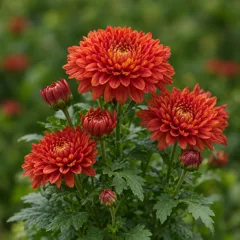 | Chrysanthemum | Mammoth series | Yes | Blooms late summer to fall, first year | Bred at the University of Minnesota for cold winters. Big plants, 3 to 4 feet wide, in many colors. A good choice for zone 4 and much of Canada. Best pick for zone 4 and much of Canada; give them room. | |
| Chrysanthemum | Clara Curtis | Yes | Blooms late summer, first year | Pink single daisies with yellow centers, from late summer. A tough old variety that comes back reliably in cold areas. Comes back reliably in cold areas; divide every few years. | |
| Chrysanthemum | Sheffield Pink | Yes | Blooms late fall, first year | Soft apricot-pink daisies very late in the season. Good in cool climates; leave stems standing over winter. | |
| Chrysanthemum | Mary Stoker | Yes | Blooms early fall, first year | Soft butter-yellow single flowers fading to apricot. A hardy border mum well suited to the cool, damp UK and Irish autumn. Suits cool, damp UK and Irish autumns in well-drained soil. | |
| Chrysanthemum | Ruby Mound | Yes | Blooms fall, first year | Deep red double flowers on a compact mound in fall. An older hardy garden mum. Handles southern US heat; give afternoon shade in the hottest spots. | |
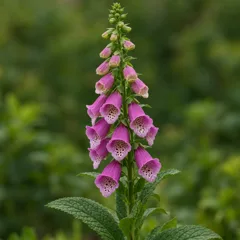 | Foxglove | Camelot series | Yes | about 5 months from an early indoor sowing (first year) | F1 hybrids in rose, lavender, cream and white. Best pick for short Canadian seasons and for fall planting in the southern US. | |
| Foxglove | Dalmatian series | Yes | about 5 months from sowing (first year) | Compact first-year F1 hybrids, about 18 to 24 inches tall, in purple, rose, peach, cream and white. Good in pots. Good in pots and windy gardens. | |
| Foxglove | Foxy | Yes | about 5 months from sowing (first year) | An older first-year strain, 2 to 3 feet, in mixed pinks, creams and whites. Start indoors in late winter for summer flowers. | |
| Foxglove | Excelsior Hybrids | Yes | flowers the second year | Tall biennial mix, up to 5 feet, with flowers set all the way around the stem instead of on one side. Stake in exposed spots. | |
| Foxglove | Alba (white foxglove) | Yes | flowers the second year | Pure white spires that light up shade. Grow apart from purple plants to keep seed true. | |
| Foxglove | Pam's Choice | Yes | flowers the second year | White bells with heavy maroon spotting in the throat. Biennial. Sow in early summer for flowers next year. | |
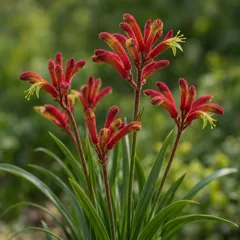 | Kangaroo Paw | Bush Ranger (Bush Gems series) | Yes | Flowers first season from nursery plants | Compact red-orange hybrid, one of the tougher kangaroo paws for dry spells and light frost. Best pick for the cooler edge of its range; still cover it on frosty nights. | |
| Kangaroo Paw | Anigozanthos flavidus (tall kangaroo paw) | Yes | 1-2 years from seed | The tall yellow-green species; tough, long-lived and tolerant of humidity and heavier soil. The best choice for humid southern US and coastal Australian gardens. |
Evening VinesNovember 2026
