
Chrysanthemum
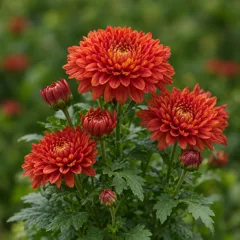
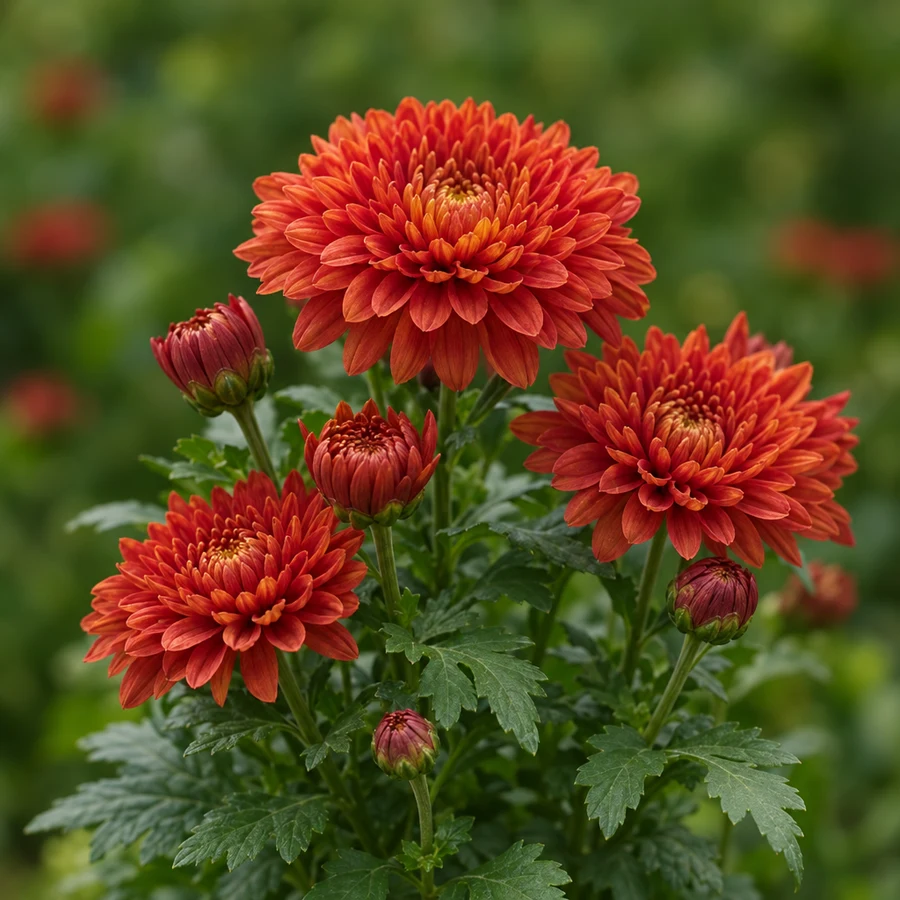
When most of the garden is winding down, mums are just getting going. They're the round pots of gold, bronze, red and pink sold by the door of every hardware store in September. Most people buy one, enjoy it for a month and throw it out. But a garden mum planted in spring and pinched through early summer comes back year after year as a tidy mound, covered in flowers from late summer until hard frost.
Mums bloom when the nights get long, so they flower on their own clock in fall no matter how warm the days are. Give them sun, rich soil that drains well, and steady water, and they're one of the easiest ways to keep color in the garden into October and November.
Recent community discussions
No one has talked about Chrysanthemum yet. Be the first.
At a glance
| Plant type | Flower (herbaceous perennial) |
| Botanical name | Chrysanthemum × morifolium (garden or florist's mum; once called Dendranthema × grandiflorum) |
| Annual or perennial | Perennial in zones 5 to 9; often grown as a fall annual elsewhere |
| Sun | Full sun, 6 hours or more (some afternoon shade in hot climates) |
| Water | Steady moisture; about 1 inch a week, more in pots and while in flower |
| Spacing | 12 to 18 inches for most garden mums; up to 2 to 3 feet for big types |
| Planting depth | Same depth as in the nursery pot; cuttings about 1 inch deep |
| Days to germinate | Usually grown from rooted cuttings, not seed; cuttings root in about 3 weeks |
| Days to maturity | Spring-planted mums flower from late summer into fall, the same year, as the nights lengthen |
| Best USDA zones | 5 to 9 as a perennial (hardy types to zone 4 with mulch); any zone as a fall annual |
| Soil pH | 6.0 to 7.0 |
Is it chrysanthemum weather where you are? See everything to plant this month or read your zone notes.
Pests to watch for



Diseases


A little history
Chrysanthemums come from China, where they have been grown for well over 2,000 years. The garden mum is a hybrid of several Chinese species, bred over centuries. Mums reached Japan more than a thousand years ago and became the emblem of the emperor; the imperial seal is a chrysanthemum flower. They reached Europe in the late 1600s and 1700s, and North America after that. The name comes from Greek words meaning "golden flower." In Australia, mums are the traditional Mother's Day flower, because they bloom there in May.
When to sow in your zone
Mums go in as young plants or rooted cuttings, not seed.
Spring (all zones): Spring is the best time to plant a mum you want to keep. Set out plants or rooted cuttings after your last frost. In the UK and Ireland that usually means mid-May to early June, after hardening off young plants for a couple of weeks. A whole summer in the ground lets the roots grow deep, so the plant is far more likely to come back next year. Spring-planted mums still flower the same fall.
Late summer to early fall (zones 5 to 9): Potted fall mums can go in the ground as soon as you buy them. Try to plant at least 6 weeks before the ground freezes. Mums planted late in fall often don't have the roots to survive winter in zones 5 and 6, so treat them as a bonus if they come back.
Mild and frost-free areas: In zones 9 and 10, plant in late winter or early spring. In Australia's temperate south and subtropical areas, plant in spring (September to November). Cut established plants back after their autumn flowers and take new cuttings in spring.
This month (November): In zones 5 to 7, mums are done or nearly done. Leave the old stems standing over winter, since they help shelter the crown, and add a few inches of loose mulch once the ground starts to freeze. In zones 8 and 9, many are still flowering; cut them back to a few inches once they fade. In the UK and Ireland, now is the time to lift and store tender exhibition types (see Care and Maintenance).
Growing it, step by step
Starting from Cuttings
In spring, snip 2 to 3 inch shoots from the outside of an old clump, cutting at the base. Pull off the lower leaves and push them about 1 inch deep into a gritty potting mix. Keep them moist, warm (50°F or more) and in bright light out of direct sun. They root in about 3 weeks and are ready to plant out a month or two later. A few mum varieties are sold as seed, but most named varieties are grown from cuttings.
Moving it outside
Plant in full sun, in rich soil that drains well, at the same depth the plant sat in its pot. Mums hate soggy winter soil more than cold, so avoid low, wet spots. Work in compost before planting. Space them 12 to 18 inches apart so air can move between plants.
Water
Mums have shallow roots and wilt fast. Water deeply about once a week, and more in hot spells. Potted mums in full flower may need water every day. Water at the base, not over the leaves.
Mulch
Mulch lightly around the plants in summer to hold moisture. In zones 5 and 6, add 3 to 4 inches of loose mulch, such as straw or shredded leaves, over the crown once the ground begins to freeze. Pull it back in spring.
Feeding
Mums are hungry plants. Feed with a balanced fertilizer every few weeks from spring until the buds form, then stop. Late feeding gives soft growth that winter damages.
Keeping it happy
Pinching: This is the secret to a round, flower-covered mum. When new shoots reach about 6 inches, pinch off the top half inch to an inch. Repeat every few weeks as the shoots grow again. Stop pinching by about early July in cold zones and by early August in the hottest parts of the South, or you'll cut off the flower buds.
Dividing: Garden mums spread outward and die out in the middle. Dig and divide them every 2 or 3 years in spring. Replant the young outer pieces and throw out the woody center.
Winter (UK and Ireland): Hardy border mums can stay in the ground in most places, especially in well-drained soil. Tender exhibition and florist types are lifted after flowering. Cut the stems to about 8 inches, lift the clump, shake off the soil and store it in a tray of barely damp compost somewhere cold but frost-free, like an unheated greenhouse or garage. In late winter, bring it into warmth and light to grow shoots for cuttings.
Staking: Tall and large-flowered types need a stake or a ring support, put in at planting.
Trouble in the bed
- Aphids: Cluster on shoot tips and buds. Spray off with water or use insecticidal soap.
- Spider mites: Speckle and yellow the leaves in hot, dry weather. Spray the undersides of the leaves with water.
- Leaf miners: Leave pale winding tunnels in the leaves. Pick off and destroy affected leaves.
- Thrips: Streak and distort flowers.
- Powdery mildew: White coating on leaves, worst late in the season. Space plants for airflow.
- Chrysanthemum white rust: Pale spots on top of the leaves with buff or white pustules underneath. It's very damaging and spreads fast in cool, wet weather. Remove and bin affected plants, and buy plants from a clean source.
- Gray mold (botrytis): Rots flowers in cool, wet fall weather. Remove spent blooms.
Good neighbors



Good: Aster, Black-Eyed Susan, Echinacea and ornamental grasses. All like sun and carry the fall border with mums. Spring bulbs planted between mums fill the bed before they get going.
Avoid: Shade and crowding, which bring weak, floppy stems and mildew.
Seeds that grow well in your area in November
Affiliate links — shopping through these helps keep Evening Vines free. Purple Coneflower
 Stinging Nettle
 Smooth Blue Aster
 Polka Dot Mix
Varieties worth growing
Named mums are grown from cuttings and don't come true from seed.
- Mammoth series: Bred at the University of Minnesota for cold winters. Big plants, 3 to 4 feet wide, in many colors. A good choice for zone 4 and much of Canada.
- Clara Curtis: Pink single daisies with yellow centers, from late summer. A tough old variety that comes back reliably in cold areas.
- Sheffield Pink (Hillside Sheffield): Soft apricot-pink daisies very late in the season. Hardy and long-lived, a favorite in cool climates.
- Mary Stoker: Soft butter-yellow single flowers fading to apricot. A hardy border mum well suited to the cool, damp UK and Irish autumn.
- Ruby Mound: Deep red double flowers on a compact mound in fall. An older hardy garden mum.
Picking notes
Cut stems for the vase when the flowers are almost fully open, in the cool of the morning. Strip the lower leaves and put them straight into water. Mums are among the longest-lasting cut flowers, often holding two weeks or more.
Saving seed for next year
Most garden mums are grown from cuttings, and many set little seed. Seedlings that do come up won't look like their parents. To keep a variety, divide the clump or take cuttings in spring.
From garden to table
Grown for fall borders, pots and cut flowers. In East Asia, the flowers of certain mums are dried for chrysanthemum tea, and the young leaves of a separate plant, chrysanthemum greens (Glebionis coronaria, sold as shungiku), are cooked as a vegetable. Don't eat florist or garden mums, which may have been sprayed. The ASPCA lists chrysanthemums as toxic to dogs, cats and horses, causing vomiting, diarrhea, drooling and loss of coordination. The sap can also cause a skin rash in sensitive people, so wear gloves if you react.
Questions from the potting bench
Will the potted mum I bought in fall come back? It might. Garden or hardy mums can, if you plant them in the ground early in fall in well-drained soil and mulch them in winter. Florist mums sold indoors as gifts are rarely hardy. For a mum that returns, plant in spring.
Should I cut my mums back in fall? In cold zones, leave the dead stems until spring; they help protect the crown. In mild zones, cut them back to a few inches once flowering ends.
Why is my mum tall and floppy with few flowers? Usually it wasn't pinched, or it gets too little sun. Pinch every few weeks until early July and give it at least 6 hours of sun.
Can I keep a mum in a pot all year? Yes, in a pot at least 12 inches across with drainage holes. Water often in summer. In zones 6 and colder, move the pot to an unheated garage for winter, or sink it in the ground and mulch it.
Grower reports
How did Chrysanthemum do in your garden? Members rate it and say which zone and month they planted, so everyone can see what works near them.
Recent community discussions
No one has talked about Chrysanthemum yet. Be the first.
Essentials for Growing Chrysanthemum
 Grow Bags
Breathable fabric pots: grow almost anything on a patio, balcony or driveway, and roots never circle.
See it →
 Pruning Shears
Sharp bypass pruners for harvesting, deadheading and tidying.
See it →
 Seed Starting Tray
Reusable tray with a clear dome to give seeds a warm, humid start indoors.
See it →
 Garden Kneeler
A kneeling pad that flips into a seat: easier on knees and back.
See it →
 Plant Labels
Waterproof markers so you know what's coming up where.
See it →
 Organic Fertilizer
Slow-release organic plant food for vegetable beds and containers.
See it →
