
Tea
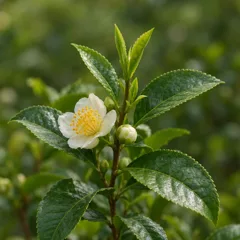
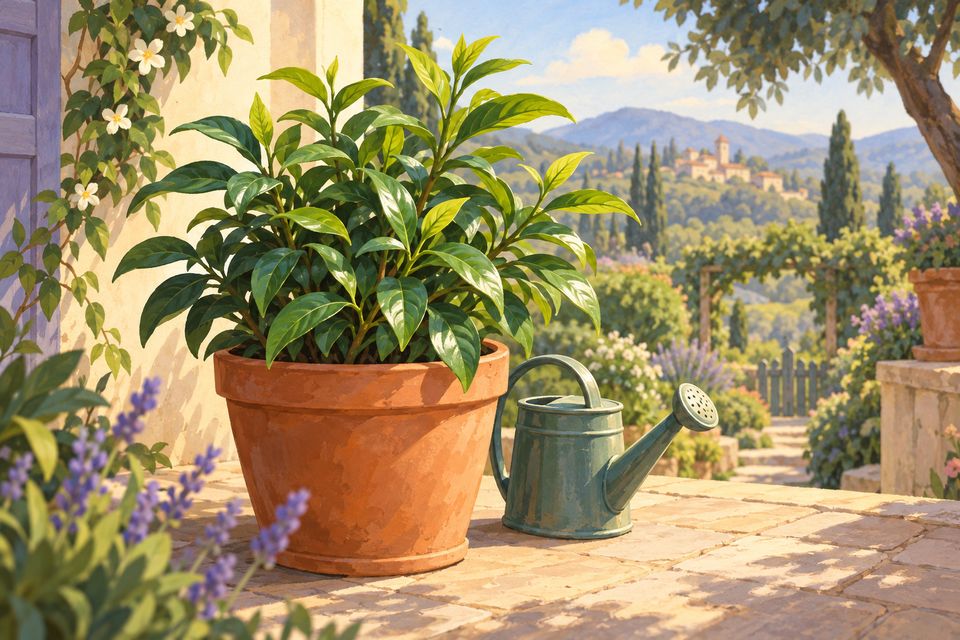
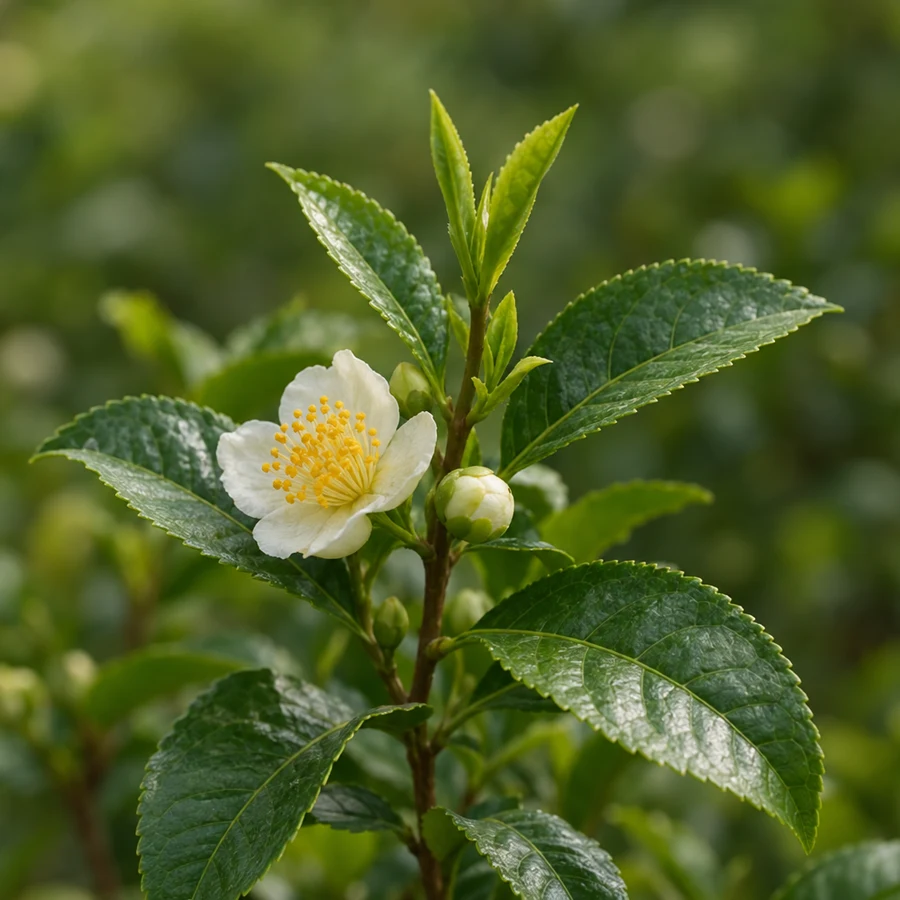
Every cup of green, black, oolong, white or pu-erh tea starts on the same bush: Camellia sinensis, a close cousin of the camellias already blooming in many Southern yards. It has glossy dark leaves and, from fall into early winter, small white flowers with a bright boss of yellow stamens. In zones 7 to 9 it makes a handsome evergreen hedge, and in colder places it lives happily in a big pot. Give it acid soil and about three years, and you can pick and make your own tea.
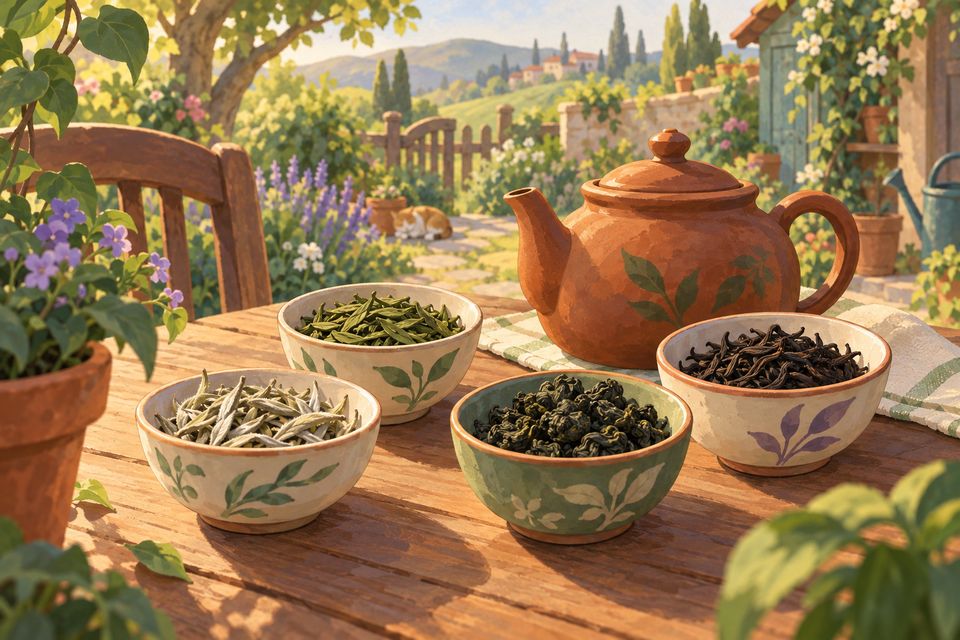
Plenty of garden herbs make a soothing cup, like chamomile, mint and lemon balm, but those are herbal infusions. Only this bush makes true tea.
Recent community discussions
At a glance
| Plant type | Evergreen shrub (grown for its leaves) |
| Botanical name | Camellia sinensis |
| Annual or perennial | Evergreen perennial; a healthy bush can crop for decades |
| Sun | Full sun to part shade; afternoon shade where summers are hot |
| Water | When the top inch of soil is dry |
| Size | 6 to 15 feet if left alone; kept to about waist height by pruning and picking |
| Spacing | 3 to 4 feet apart for a hedge |
| Planting depth | Same depth as it grew in the pot |
| Days to germinate | Slow and uneven from seed; start from a nursery plant or rooted cutting |
| Days to maturity | About 3 years to the first picking |
| Best USDA zones | 7 to 9 outdoors; Chinese tea (var. sinensis) into zone 6b with shelter; Assam tea (var. assamica) zone 8 and warmer, or in a pot indoors |
| Soil pH | 4.5 to 6.0 (acid) |
Is it tea weather where you are? See everything to plant this month or read your zone notes.

Sow in spring when soil reaches 65–70°F (18–21°C). In tropical/subtropical zones, can sow year-round.

3–5 years to harvest leaves; productive for decades.

Zones 8–10, harvests by flush: spring (first flush), summer (second flush), autumn (final harvest); multiple per year possible in ideal climates.

Requires acidic sandy clay loam, pH 4.5–6.0. High organic matter improves growth.
Pests to watch for



Diseases
Mateo is researching the diseases that affect this plant.
A little history
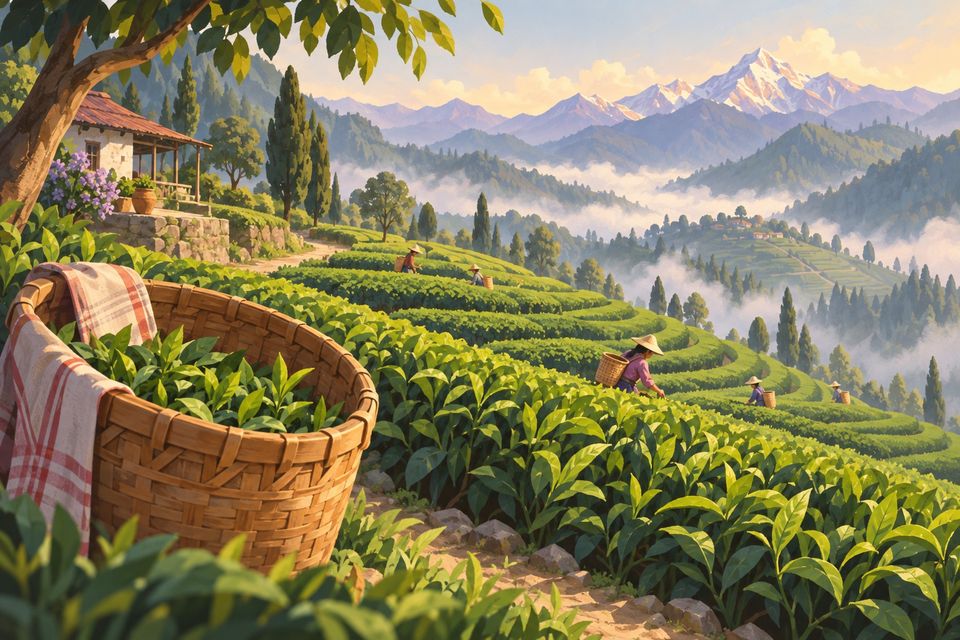
Tea is native to the hills where southwest China, Myanmar and northeast India meet, and some wild tea trees there are centuries old.

Chinese legend credits the emperor Shennong with the first cup, when leaves drifted into his boiling water. The hard evidence is younger but still old: tea leaves buried in a Han dynasty tomb more than 2,000 years ago.

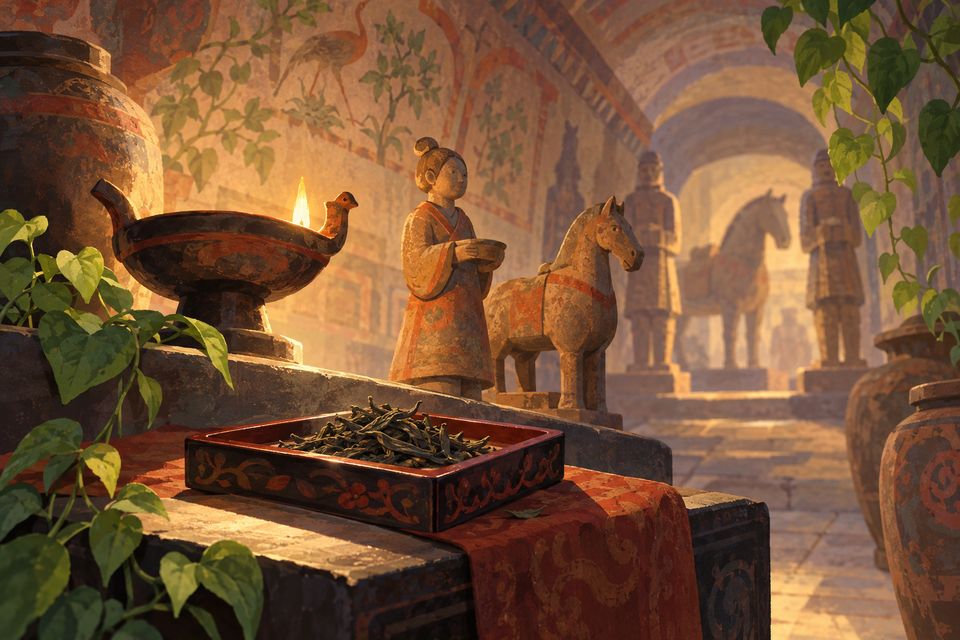
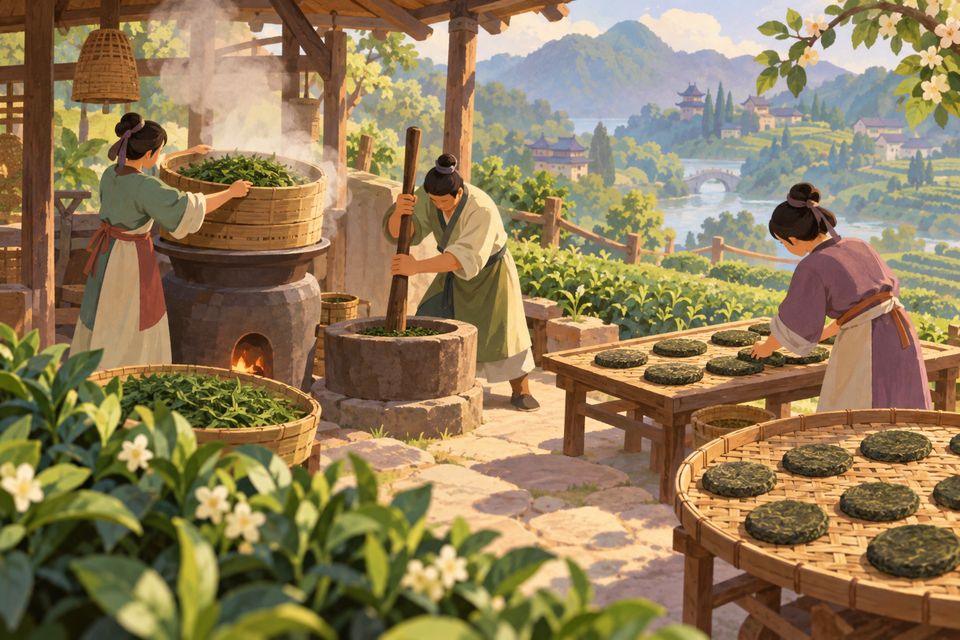
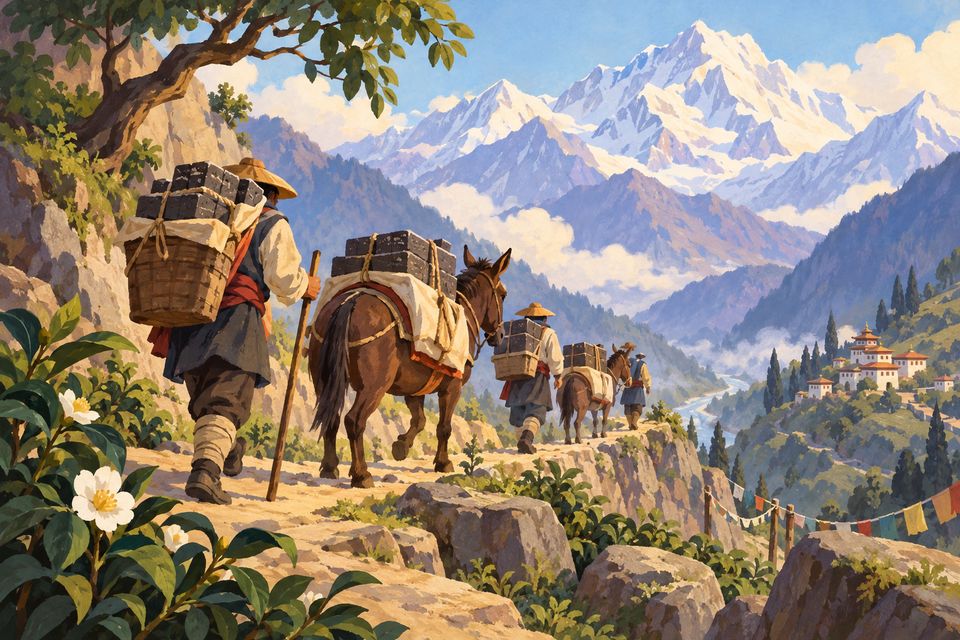
Around 760 AD Lu Yu wrote The Classic of Tea. In his day tea was steamed, pressed into cakes and bricks, and carried over mountain roads by porters and horses.
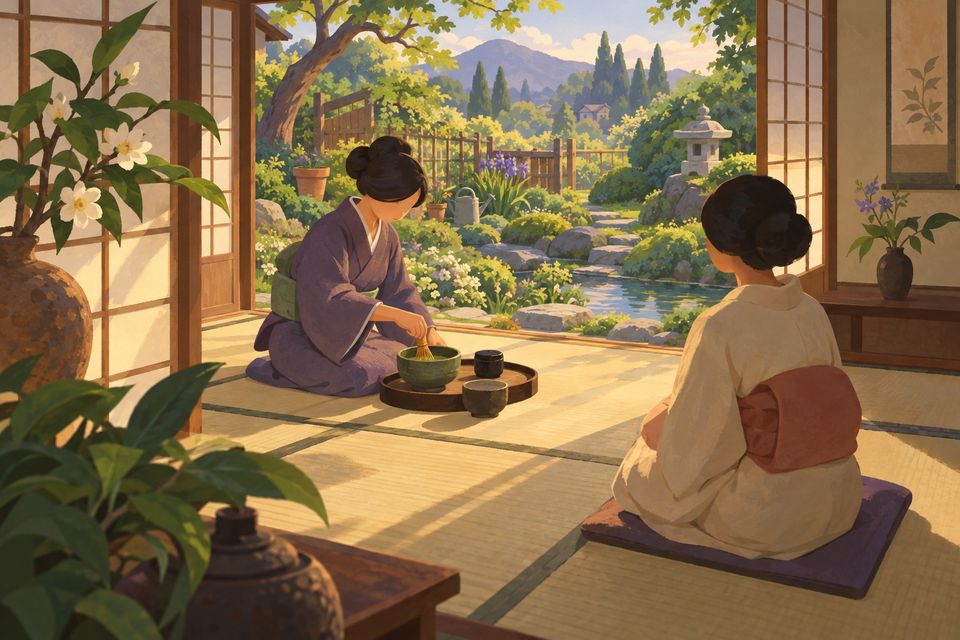
It reached Japan, where the tea ceremony grew up around it, and in 1610 Dutch ships landed the first tea in Amsterdam.

After that came smugglers dodging English taxes, a cargo dumped into Boston harbor in 1773, and nearly a century (1757 to 1842) when Western traders could buy Chinese tea only through Canton.



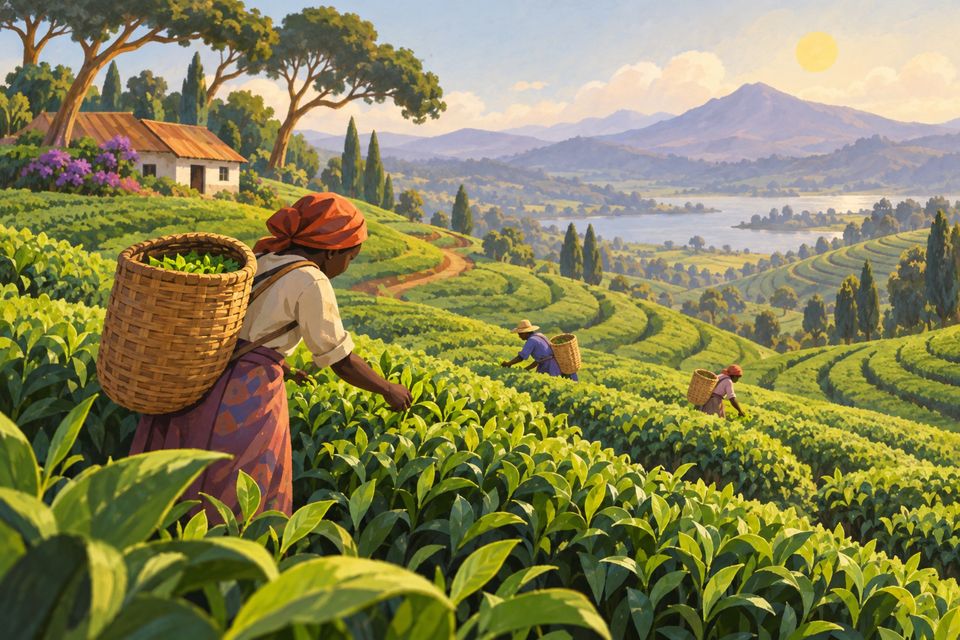
Then the big estates of India and Kenya. The whole tale is in The Story of Tea.
When to sow in your zone
Tea goes in as a young shrub, not as seed in a row.
Spring: Plant once the soil has warmed and hard frosts are over. This is the safest time in zone 7 and colder, because the roots get a whole season to settle before winter.
Early fall: In zones 8 and 9, early fall planting works well too: cooler air, warm soil, and roots that grow on through the mild winter. See planting trees and shrubs in fall.
Colder zones: Keep tea in a large pot that comes indoors before the first hard frost.
Growing it, step by step
Is tea hardy where you live?
Established bushes of Chinese tea (var. sinensis) shrug off hard frosts; a zone 7 rating means winter lows down to about 0 to 10°F, and the hardiest strains reach into zone 6b in a sheltered spot. Two kinds need help: young plants in their first winters, and Assam tea, which wants zone 8 or warmer. Cover them on cold nights (our frost post shows how) or grow them in pots.
Siting the bush
Pick a spot with full sun to part shade. Where summers are hot, afternoon shade keeps the leaves from scorching; in cooler, cloudier places it can take more sun. Shelter from drying winter winds helps in zone 7.
The soil it wants
Tea needs acid soil, pH 4.5 to 6.0, that holds moisture but never sits wet. It sulks in heavy clay, soggy ground and chalky or alkaline soil. Test your soil first; if it's alkaline, grow tea in a big pot of acid potting mix instead of fighting the ground.
Starting from a plant, cutting or seed
A nursery plant is the quickest start. Semi-ripe cuttings taken in summer root in moist, acid mix and give you a copy of a bush you like. Seed works but is slow, and seedlings vary in leaf, flavor and hardiness.
Planting
Plant at the same depth it grew in the pot, 3 to 4 feet apart for a hedge. Water it in well and keep it evenly moist through the first summer.
Mulch
Spread pine needles or shredded bark around the base. It keeps the roots cool and moist and helps hold the soil acid.
Keeping it happy
- Watering: Water when the top inch of soil is dry. Potted bushes dry out faster, so check them often in summer. Don't bother misting the leaves; it doesn't raise humidity for long.
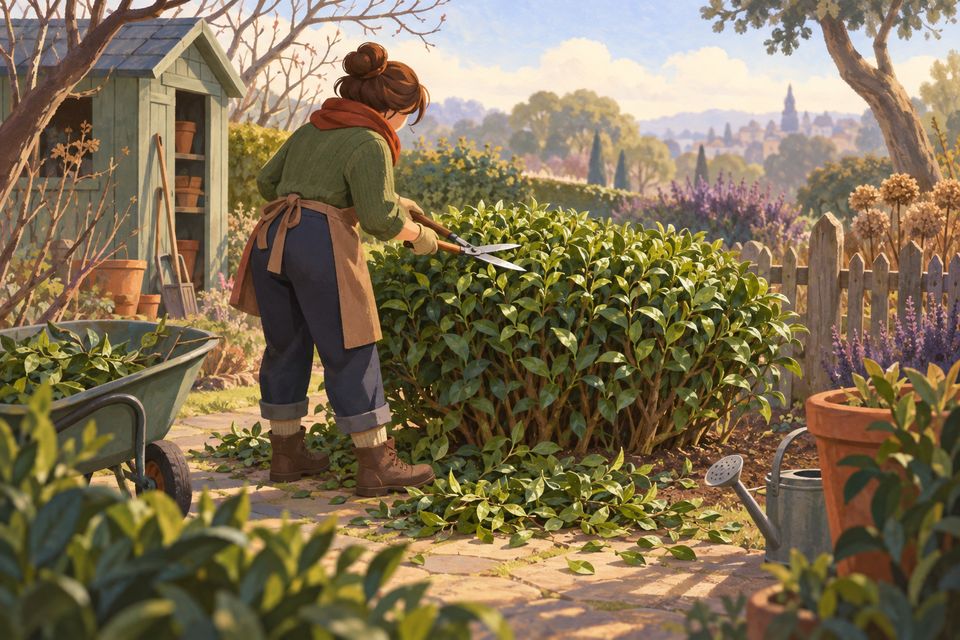
- Pruning: Prune in late winter to keep the bush dense and at a height you can pick from easily. Tea estates hold theirs at about waist height.
- Winter: In zone 7, mulch well and shelter young plants from cold winds. Potted plants come indoors to a cool, bright room.
Trouble in the bed
Pests
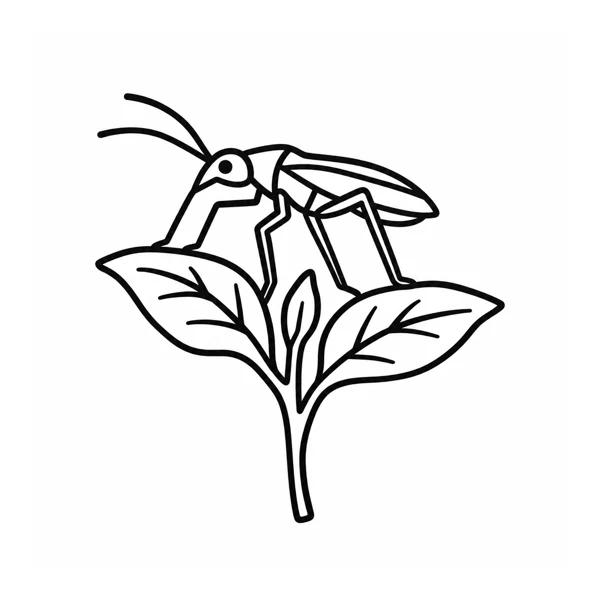
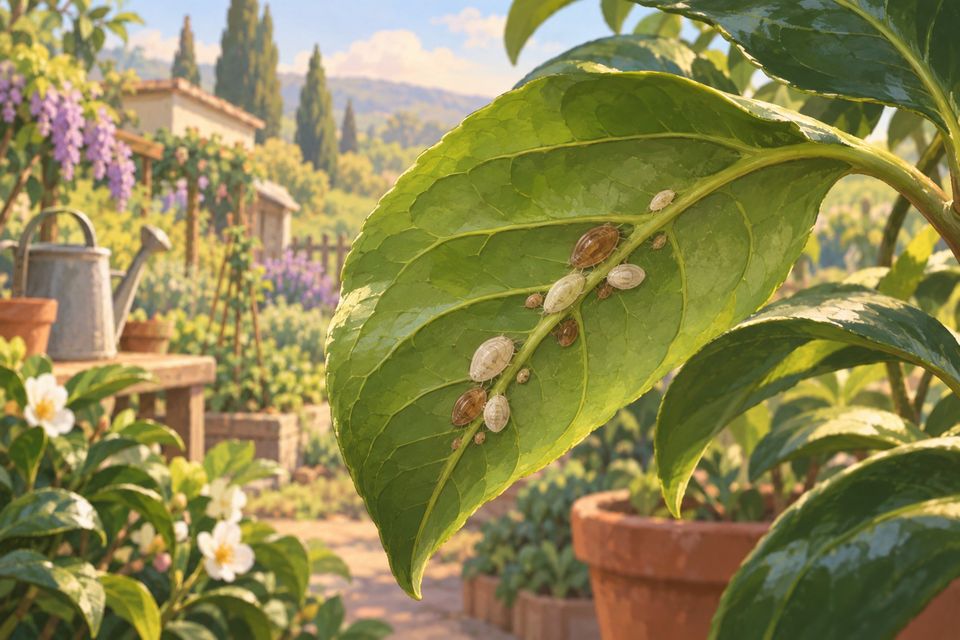
- Tea scale and cottony camellia scale: The usual trouble on tea in US gardens. Look for white, cottony or crusty specks on the undersides of the leaves, yellow blotches on top, and sticky leaves or black sooty mold. Rub off light infestations, prune out the worst twigs, and use horticultural oil on the undersides of the leaves when the weather is mild.
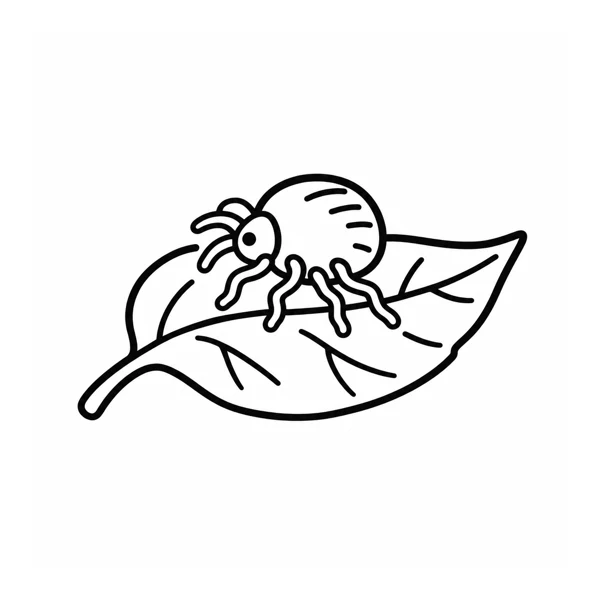
- Spider mites: Fine speckling and a dull, bronzed look, worst in hot, dry spells and on plants indoors. A hard spray of water under the leaves knocks them back.
- Aphids: Clusters on soft new shoots in spring. Wash them off with water; ladybugs usually finish the job.
Diseases
- Camellia leaf gall: New leaves in spring swell into pale, thick, fleshy lumps that later turn white and powdery. Pick the galls off before they turn white, and throw them in the trash.
- Root rot (Phytophthora): The big one in soil that stays wet. Leaves yellow and wilt even though the soil is damp. Good drainage is the prevention; there's no cure once the roots have rotted.
- Dieback and canker: Single branches wilt and die, often with a sunken patch on the stem. Cut back into healthy wood with clean pruners.
- Petal blight: Brown blotches spreading through the flowers. It's worse on garden camellias than on tea, and it doesn't hurt the leaves. Clear fallen flowers from under the bush.
- Blister blight: A leaf disease of tea estates in humid parts of Asia. It isn't a usual problem in US gardens.
Good neighbors
Tea grows happily alongside other acid-soil shrubs that like the same dappled light: camellias, azaleas, rhododendrons, mountain laurel and blueberries. A low groundcover of moss or ferns under the bush keeps the roots cool.
Seeds that grow well in your area in November
Affiliate links — shopping through these helps keep Evening Vines free. Foxglove Mix
 Rocket Larkspur
 Wild Lupine
 Common Milkweed
Varieties worth growing
- Chinese tea (var. sinensis): Small leaves, the hardiest type and the best one for US gardens. Used for green, white and oolong tea, and also for most Darjeeling.
- Assam tea (var. assamica): Large leaves, tender to cold, grown for strong black tea in warm regions. Wild Assam tea was shown to British traders by the Singpho people in the 1820s.

Named garden selections you'll find at US nurseries:
- 'Tea Breeze': A white-flowered garden selection, hardy to about 0°F (zone 7). Makes a mild cup.
- 'Sochi': Grown from bushes near Sochi, Russia, and often sold as one of the most cold-hardy teas.
- 'Korea' (Korean tea): From Boseong, South Korea; usually sold as seedlings, so each plant varies a little. Growers report it as one of the hardier strains.
- 'Rosea': New leaves flush pinkish-red and the flowers are blush pink. Compact and slow, good in a pot.
Picking notes
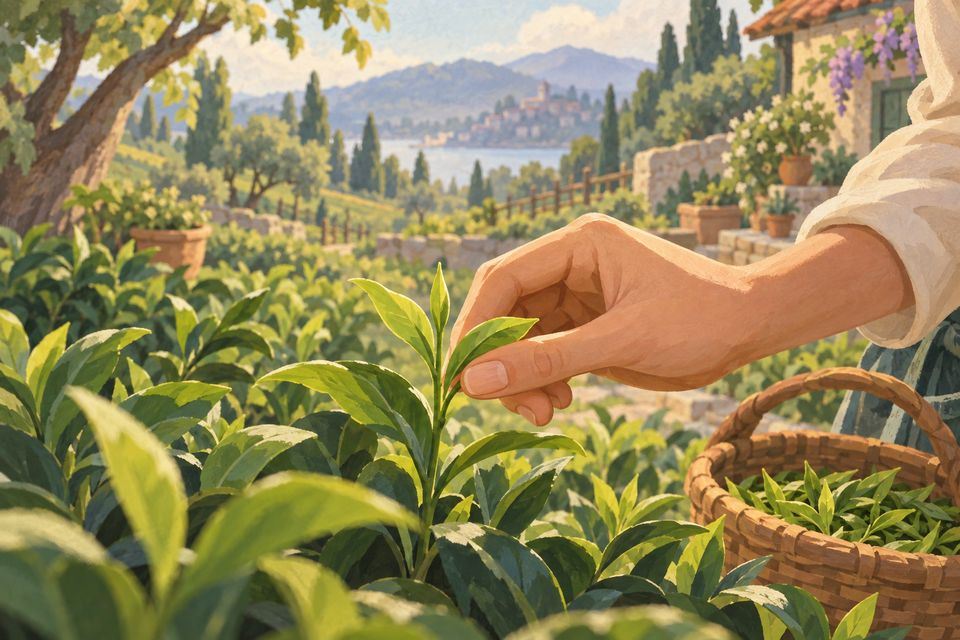
Start picking in about year 3, once the bush is bushy and well rooted. Take the young shoot tips, "two leaves and a bud", every week or two while the plant is in active growth. The spring flush gives the finest leaves. New shoots grow back in a few weeks, and a healthy bush can keep cropping for decades.
Saving seed for next year
Tea is slow from seed in more ways than one. Flowers open in fall, and the round, woody capsules take about a year to ripen, so you'll be collecting seed the following autumn, just as the next flowers appear. Pick the capsules when they start to split and sow the seed right away in moist, acid mix. Tea seed doesn't keep: it loses viability as it dries out, so don't store it in a packet for next season. Seedlings won't match the parent bush, so if you have a plant you love, take semi-ripe cuttings in summer instead.
From garden to table
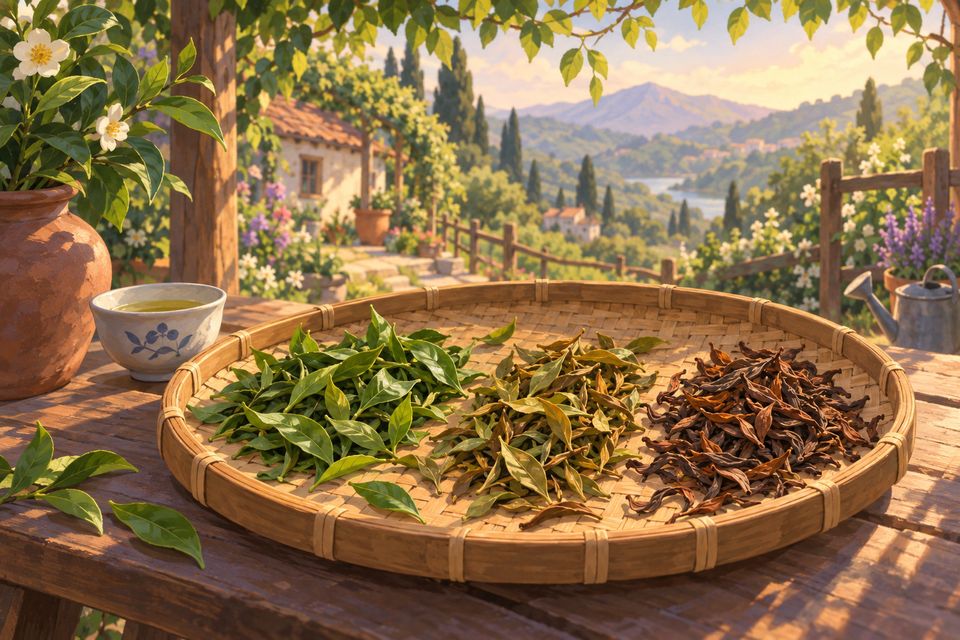
Green, black, oolong and white tea all come from the same leaves; what changes is how long the leaves oxidize before they're dried.
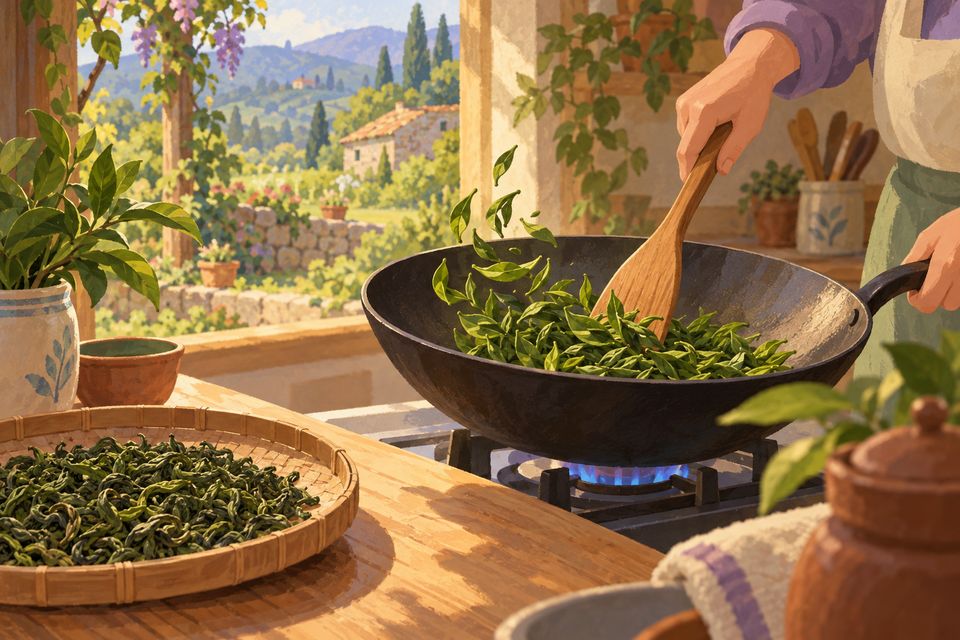
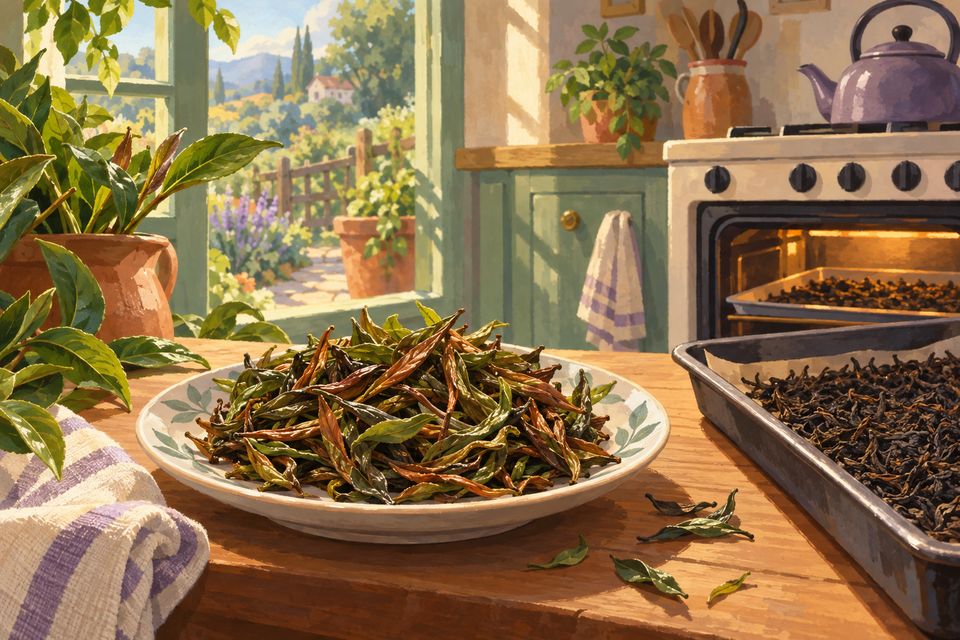
- Green tea at home: Let freshly picked leaves wilt for a few hours, toss them in a hot, dry pan for a few minutes to stop them changing, roll them between your hands, then dry them in a low oven.
- Black tea at home: Roll and bruise the leaves until they darken, leave them 2 to 3 hours to oxidize, then dry them.
Tea contains caffeine and theanine, so a homemade cup has a kick just like a store-bought one.
Questions from the potting bench
Can I grow tea if I live somewhere cold? In zone 6b, try a hardy strain like 'Sochi' in a sheltered spot. Colder than that, grow it in a large pot: outside in summer, indoors before the first hard frost.
Is it the same plant as a garden camellia? They're close cousins in the same genus. Garden camellias are grown for their flowers; Camellia sinensis is grown for its leaves.
Why are the leaves turning yellow? Most often the soil isn't acid enough or stays too wet. Check the pH and the drainage before you reach for fertilizer.
How long until I can make tea? About 3 years from a young plant. After that you can pick every week or two through the growing season.
Grower reports
How did Tea do in your garden? Members rate it and say which zone and month they planted, so everyone can see what works near them.
Recent community discussions
Essentials for Growing Tea
 Grow Bags
Breathable fabric pots: grow almost anything on a patio, balcony or driveway, and roots never circle.
See it →
 Seed Starting Tray
Reusable tray with a clear dome to give seeds a warm, humid start indoors.
See it →
 LED Grow Light
Full-spectrum light for sturdy seedlings through short winter days.
See it →
 Pruning Shears
Sharp bypass pruners for harvesting, deadheading and tidying.
See it →
 Watering Can
Long-spout can for gentle watering of seedlings and pots.
See it →
 Organic Fertilizer
Slow-release organic plant food for vegetable beds and containers.
See it →
