
Blackberry
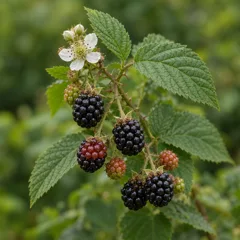
A blackberry picked dead ripe off the cane is soft, sweet and winey in a way store berries rarely are, because fully ripe berries don't travel well. Blackberries are tough, long-lived plants that crop well for many years with one pruning job a year. They are self-fertile, so a single plant will fruit on its own. Thornless varieties have made them far kinder to grow in a small garden, and erect types need little more than a simple wire to lean on.
Recent community discussions
No one has talked about Blackberry yet. Be the first.
At a glance
| Plant type | Fruit (bramble, a woody cane fruit) |
| Botanical name | Rubus species and hybrids (subgenus Rubus); the European wild bramble is the Rubus fruticosus group |
| Annual or perennial | Perennial roots and crown; each cane lives two years |
| Sun | Full sun, at least 6 hours and ideally 8 or more |
| Water | About 1 inch per week, more while berries swell and ripen |
| Spacing | Erect types 2 to 3 feet apart; semi-erect about 5 to 6 feet; trailing 4 to 6 feet; rows 8 to 10 feet apart |
| Planting depth | Potted plants at the depth they grew in the pot; bare-root plants with the top roots 1 to 2 inches below the soil; root cuttings 2 to 3 inches deep |
| Days to germinate | Not grown from seed for fruit; start with nursery plants or root cuttings |
| Days to maturity | A small crop the second summer and a full crop by the third year; primocane (everbearing) types give a small crop the first fall |
| Best USDA zones | 5 to 9 (4 with the hardiest erect thorny types; trailing types are best in 7 to 9) |
| Soil pH | 5.5 to 7.0, ideally 6.0 to 6.5 |
Is it blackberry weather where you are? See everything to plant this month or read your zone notes.
Pests to watch for
Diseases


A little history
People have gathered wild blackberries for thousands of years. An Iron Age woman found preserved in a Danish bog, from about 2,500 years ago, had eaten blackberries shortly before she died. Wild brambles grow across Europe and North America, so for a long time no one thought to plant them. In the United States, the first garden varieties were picked out of the wild in the 1800s; one of the best known, the Lawton, was found near New Rochelle, New York. The trailing Marion, released by the USDA and Oregon State in 1956, became the main berry of the Pacific Northwest. The University of Arkansas breeding program later gave gardeners many of today's upright thornless varieties, and in 2004 it released Prime-Jim and Prime-Jan, the first blackberries that fruit on first-year canes.
When to sow in your zone
Blackberries go in as plants, not seed. Plant while they are dormant or just waking up, so the roots settle before summer heat.
Early spring (all zones): Plant bare-root canes as soon as the soil can be worked, a few weeks before your last frost. Potted plants can follow until a couple of weeks after the last frost. In cold zones and most of Canada (everywhere but the mild BC coast), spring is the only planting time, since a fall-planted cane can heave or dry out over winter.
Late fall to late winter (zones 8 to 9): Where winters are mild, plant dormant canes any time from late fall to late winter. This includes the BC coast, and matches the advice for the UK and Ireland, where mid-autumn to early spring is the usual window, and for southern Australia, where bare-root canes are sold and planted in winter.
Low-chill areas (warm zone 8 and zone 9): Blackberries need some winter cold to flower well, and varieties range from roughly 200 to 900 chill hours (hours between about 32°F and 45°F). In Florida, the Gulf Coast and the warmer parts of Australia, pick a low-chill variety such as Kiowa or Natchez and plant in winter.
November in the garden: In zones 8 to 9, bare-root season is starting. In colder zones the plants are going dormant; wait until late winter to prune, and lay trailing canes on the ground under straw if your winters are hard (see Care and Maintenance).
Growing it, step by step
Choosing a Type
Blackberries come in three habits. Erect types have stiff canes that stand up on their own and spread by root suckers into a hedgerow. They are the most cold-hardy group. Semi-erect types are thornless, vigorous and arching, and need a trellis. Trailing types have long, floppy canes that must be tied to wires; they are the least cold-hardy but often the best flavored. On top of that, most blackberries fruit on second-year canes (floricanes), while primocane types also fruit on new canes in late summer and fall.
Picking the Spot
Give blackberries full sun and soil that drains freely. They hate wet feet, and roots sitting in water invite root rot. Avoid soil where tomatoes, potatoes, peppers or eggplant grew in the last few years, because they can leave verticillium wilt behind. Keep new plants well away from wild blackberries and raspberries, which carry viruses and orange rust.
Preparing the Soil
Clear perennial weeds and grass before planting, ideally the season before. Dig in compost or well-rotted manure. On heavy or wet soil, plant in a raised row 6 to 10 inches high.
Planting
Buy certified disease-free plants from a nursery rather than digging suckers from a neighbor's patch. Soak bare-root plants for a few hours if they look dry. Spread the roots out, set the top roots 1 to 2 inches below the surface, and firm the soil. Cut the old cane back to about 8 to 10 inches; it is there only as a handle.
Building a Trellis
Erect types do fine with a single wire about 3 feet high to keep them tidy. Semi-erect and trailing types need two or more wires on sturdy posts, the lowest about 18 inches up and the others about 18 inches apart above it.
Growing in a Pot
Compact thornless varieties grow well in a large pot of 15 to 30 gallons with good drainage. Keep only three or four new canes per pot. Potted canes are less hardy than ones in the ground, so move the pot into an unheated garage or shed in cold-zone winters.
Water
Water deeply about once a week, an inch or so, and more in hot, dry weather while berries are swelling. Drip or a soaker hose is best, since wet fruit invites gray mold.
Mulch
A few inches of straw, wood chips or shredded leaves holds moisture and keeps weeds down. Blackberry roots are shallow, so mulch is safer than hoeing.
Feeding
Feed in late winter or early spring as growth starts, using a balanced fertilizer or compost. Young plants get a light feeding a few weeks after planting. Too much nitrogen gives tall, soft canes and fewer berries.
Keeping it happy
Summer tipping (erect and semi-erect): When new canes reach about 3 to 4 feet (4 to 5 feet for semi-erect), pinch or cut off the tip. The cane then branches, and the side branches carry next year's fruit.
Removing old canes: Each cane fruits once and then dies. Right after harvest, cut the canes that fruited down to the ground. This lets light and air reach the new canes.
Winter pruning: In late winter, take out dead, weak or damaged canes. On erect types, leave the strongest canes about 6 inches apart and shorten the side branches to 12 to 18 inches. On trailing types, keep 8 to 12 strong canes per plant and tie them along the wires. Cut out suckers that come up outside the row.
Primocane types: For one big fall crop, cut every cane to the ground in late winter. For an early-summer crop plus a fall crop, prune them like ordinary blackberries instead. Fall crops are lighter where late summer is very hot, as heat makes the flowers fail.
Winter protection: Erect types rarely need any. In cold areas, untie trailing canes after harvest, lay them along the ground and cover with straw for winter, then lift them back onto the wires in early spring. Cold damage usually shows as dead cane tips in spring; prune back to live wood.
A note on weeds: Wild blackberries are invasive in some places. Himalayan blackberry is a declared noxious weed in Oregon and spreads through much of the Pacific Coast. In Australia, wild blackberry is a Weed of National Significance. In New South Wales, only certain thornless or named garden varieties may be sold, including Chester Thornless, Black Satin, Loch Ness, Thornfree, Smooth Stem, Dirksen Thornless, Chehalem, Murrindindi and Silvan. In Western Australia, blackberries are a declared pest and the listing covers some garden variety names, so check with the state agriculture department before planting. Wherever you live, pick the berries clean so birds don't spread the seed, and dig out any stray seedlings.
Trouble in the bed
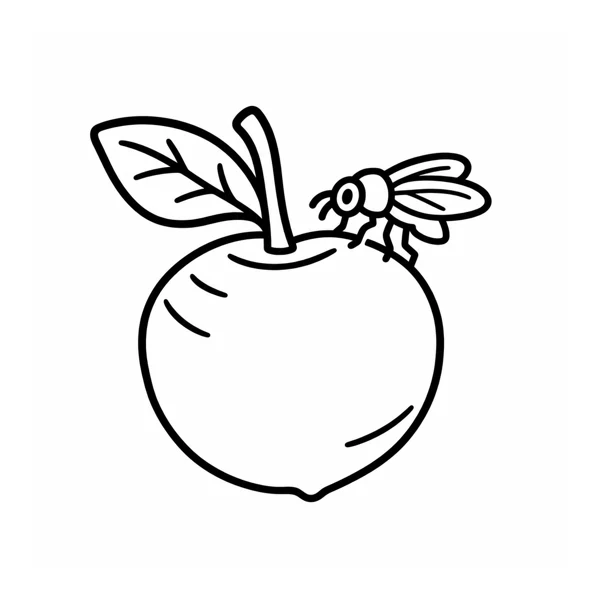
- Spotted wing drosophila: A small fruit fly that lays eggs inside ripening berries, so they turn soft and leaky. It hits late-ripening and primocane crops hardest. Pick every day or two, remove overripe and fallen fruit, and cover plants with fine insect netting as berries color.
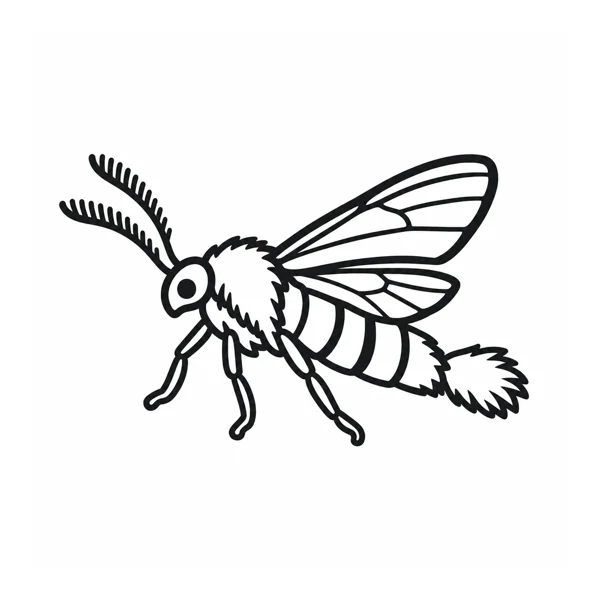
- Cane and crown borers: Raspberry crown borer and cane borers tunnel into canes, which then wilt or snap. Cut out and destroy wilted canes below the damage.
- Japanese beetles and stink bugs: Beetles skeletonize leaves and chew ripe fruit in summer; stink bugs leave sour, damaged berries. Hand-pick beetles into soapy water in the morning.
- Gray mold (botrytis): Fuzzy gray rot on berries in wet weather. Thin the canes for air, water at the base, and pick often.
- Orange rust: Bright orange, powdery pustules under the leaves in spring. The fungus lives inside the whole plant and can't be cured, so dig out and remove infected plants, roots and all. Choose resistant varieties.
- Anthracnose and cane diseases: Purple-edged spots on canes that turn gray and crack. Remove fruited canes promptly and keep the row open.
- Rosette (double blossom): In the Southeast US, this fungus makes witches' brooms of small leaves and odd, swollen flowers. Ouachita and several other Arkansas varieties resist it.
- Birds: They take ripe berries quickly. Net the plants as fruit starts to darken.
Good neighbors
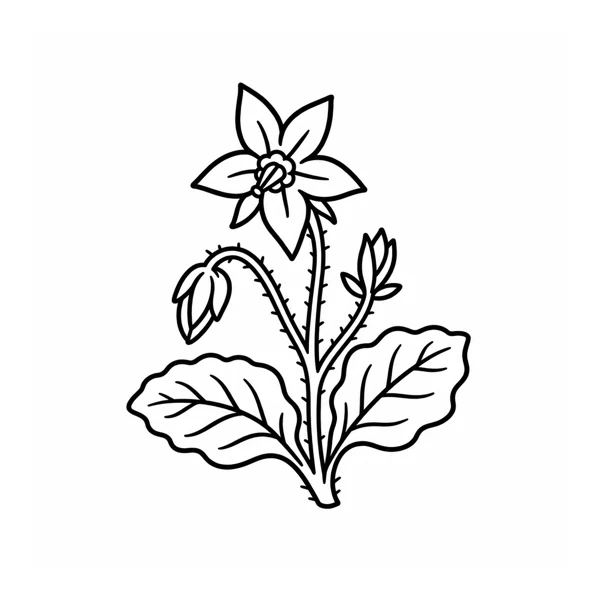




Good: Low flowers and herbs at the ends of the row bring in pollinators and helpful insects, such as borage, alyssum, marigolds, chives, garlic and lavender. Keep them out of the row itself so they don't compete with the shallow roots.
Avoid: Planting where tomatoes, potatoes, peppers or eggplant grew recently, as they share verticillium wilt. Keep blackberries well apart from wild brambles and from raspberries, which share viruses and diseases. Keep strawberries at a distance too for the same reason.
Seeds that grow well in your area in November
Affiliate links — shopping through these helps keep Evening Vines free. Stinging Nettle
 Smooth Blue Aster
 Polka Dot Mix
 Black-Eyed SusanSeeds
Varieties worth growing
Cold-hardy (zones 4 to 6, Canada and the northern US):
- Illini Hardy: Thorny and erect, bred in Illinois for cold winters. Among the hardiest blackberries you can buy; expect some tip dieback after hard winters.
- Chester Thornless: Semi-erect and thornless, with large, sweet berries late in summer. One of the hardiest thornless types, worth trying in the milder parts of southern Canada. Plants
- Prime-Ark Freedom: Erect, thornless and primocane-fruiting, with very early, large berries. Cut it to the ground each winter in cold areas and it fruits on new canes in late summer and fall, so winter damage matters less.
General purpose (zones 5 to 8):
- Triple Crown: Semi-erect and thornless, with heavy crops of big, sweet berries over a long season.
- Black Satin: Semi-erect and thornless, productive and reliable; on the NSW list of permitted varieties in Australia.
Cool maritime summers (UK and Ireland):
- Loch Ness: A Scottish-bred, thornless, semi-upright berry with an RHS Award of Garden Merit. Compact enough for a small garden.
- Loch Tay: Thornless and compact with early berries, also an RHS Award of Garden Merit winner.
- Waldo: A thornless trailing berry from Oregon, early and compact, good for training on a fence.
- Little Black Prince: A dwarf, compact plant suited to large pots.
Hot summers and low-chill areas (southern US and Australia):
- Ouachita: Erect, thornless and upright, needing about 400 to 500 chill hours; resists rosette and orange rust.
- Natchez: Semi-erect, thornless and early, needing about 300 to 400 chill hours; suits mild-winter areas such as north Florida.
- Kiowa: Thorny but with very large berries and a long picking season; needs only about 200 to 300 chill hours, one of the best for mild winters. Plants
- Silvan: A thorny trailing berry bred in Australia, with large, dark fruit; on the NSW permitted list.
Pacific Northwest and mild coasts:
- Marion (Marionberry): The classic trailing berry of Oregon, thorny, with rich flavor. Best in zones 7 to 9.
Blackberry plants to buy
Affiliate links — shopping through these helps keep Evening Vines free.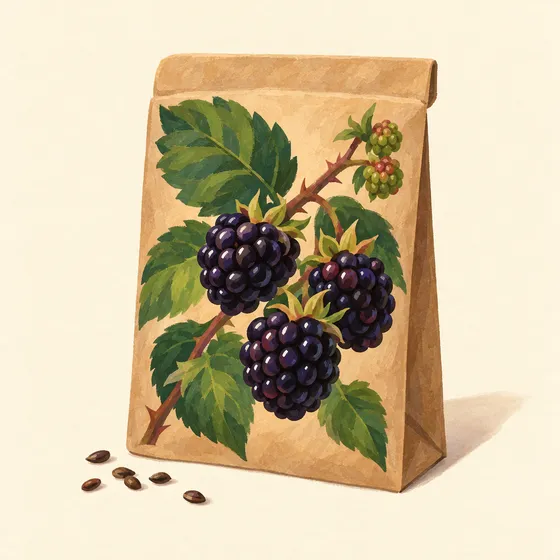 Chester Thornless
Picking notes
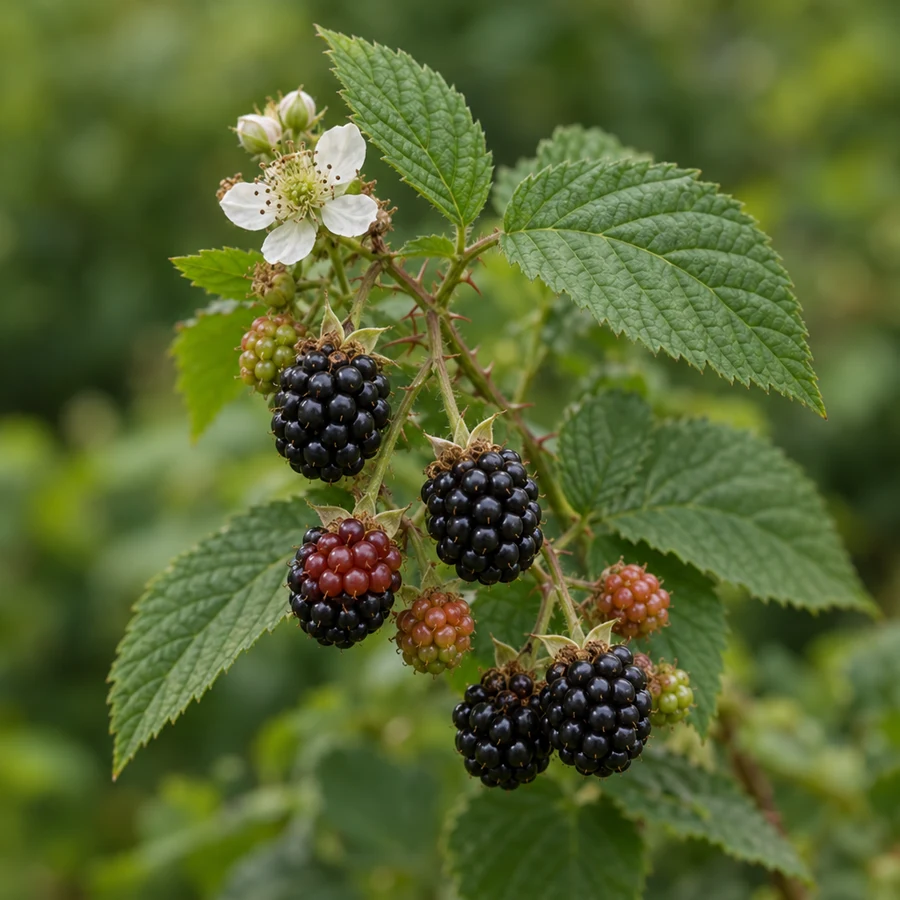
Erect and semi-erect blackberries ripen in early to late summer, depending on variety, and pick over about three to five weeks. Primocane crops come from late summer until frost. A blackberry turns black before it's truly ripe. Wait until the shine fades to a dull black and the berry comes away with a gentle tug. Pick every two or three days, in the cool of the morning, into shallow containers so the bottom berries don't crush. They don't ripen after picking, and they keep only a few days in the fridge, so eat, freeze or cook them soon. Wear gloves and long sleeves for thorny varieties.
Saving seed for next year
Not practical. Seedlings won't match the parent, and the seed is slow and needs a winter chill to sprout. To make more plants, let a trailing cane tip touch the soil in late summer; it roots and can be cut free the next spring. Erect types can be grown from root cuttings or suckers dug in early spring. Many newer varieties are patented, so check before propagating them.
From garden to table
Blackberries are a good source of fiber, vitamin C, vitamin K and manganese. USDA figures for raw blackberries are about 43 calories, 5 grams of fiber and 21 mg of vitamin C per 100 grams, about two-thirds of a cup. Eat them fresh, scatter them over yogurt or cereal, bake them into pies and cobblers, or cook them into jam and jelly. They freeze well: spread them on a tray to freeze, then bag them so they don't clump.
Questions from the potting bench
Do I need two blackberry plants? No. Blackberries are self-fertile, so one plant will fruit on its own. A row of several just gives you more berries.
Why didn't my blackberries fruit the first year? Most blackberries fruit only on canes that have grown for a full season, so the first real crop comes the second summer. Primocane types are the exception and give a small crop the first fall.
Why are my berries red and hard in places? Partly red, hard berries can be caused by red berry mite, mostly on semi-erect types, or by very hot sun on ripening fruit. Berries that turn mushy and leaky are more likely spotted wing drosophila.
Will thornless blackberries take over my garden? Thornless types sucker less than thorny ones, but erect varieties do send up suckers along the row. Mow or dig them out each year to keep the row about a foot wide. Pick the berries clean so birds don't carry the seed elsewhere.
Grower reports
How did Blackberry do in your garden? Members rate it and say which zone and month they planted, so everyone can see what works near them.
Recent community discussions
No one has talked about Blackberry yet. Be the first.
Plants to try
Affiliate links — shopping through these helps keep Evening Vines free.Essentials for Growing Blackberry
 Grow Bags
Breathable fabric pots: grow almost anything on a patio, balcony or driveway, and roots never circle.
See it →
 Organic Fertilizer
Slow-release organic plant food for vegetable beds and containers.
See it →
 Pruning Shears
Sharp bypass pruners for harvesting, deadheading and tidying.
See it →
 Insect Netting
Fine mesh that keeps cabbage worms, flea beetles and birds off your crops, no sprays needed.
See it →
 Soaker Hose
Waters the roots slowly, not the leaves: less disease, less water, less work.
See it →
 Garden Hand Tools
Trowel, transplanter and cultivator: the three tools you reach for most.
See it →
