
Apple
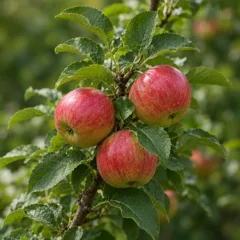
A home apple tree gives you varieties you'll never see in a store, picked at the moment they taste best. Apples are tough, long-lived trees that handle hard winters, and the rootstock a tree is grafted onto decides how big it gets, so there's an apple for a big yard, a small patio, or a fence you can train it along. The one thing to plan for is pollination: almost every apple needs a second, different apple or crabapple flowering nearby to set a good crop.
Recent community discussions
No one has talked about Apple yet. Be the first.
At a glance
| Plant type | Fruit tree |
| Botanical name | Malus domestica |
| Annual or perennial | Deciduous perennial |
| Sun | Full sun, 8 hours or more |
| Water | About 1 inch per week the first two years; deep soakings in dry spells after that |
| Spacing | Depends on rootstock: dwarf 6 to 10 feet, semi-dwarf 12 to 15 feet, standard 20 to 25 feet |
| Planting depth | Same depth as in the nursery, with the graft union 2 to 4 inches above the soil |
| Days to germinate | Not grown from seed for fruit; start with a grafted nursery tree |
| Days to maturity | 2 to 3 years to first fruit on dwarf rootstock, 3 to 5 on semi-dwarf, up to 8 on standard |
| Best USDA zones | 3 to 8; low-chill varieties in zone 9 |
| Soil pH | 6.0 to 7.0 |
From planting to harvest
Is it apple weather where you are? See everything to plant this month or read your zone notes.
Pests to watch for

Diseases

A little history
Apples began in the wild fruit forests of the Tian Shan mountains in Kazakhstan, where their wild ancestor, Malus sieversii, still grows. Genetic studies show that as apples traveled west along the old Silk Road trade routes, they crossed again and again with the sour European crabapple, so much so that today's apple shares more of its genes with that crabapple than with its Kazakh parent. The Romans spread grafted apples across Europe. European settlers brought seeds and trees to North America in the 1600s, and in the early 1800s John Chapman, remembered as Johnny Appleseed, planted seedling nurseries across Pennsylvania, Ohio and Indiana. Many famous apples have local roots: Granny Smith came from a chance seedling near Sydney, Australia, in the 1860s, Bramley's Seedling from a garden in Nottinghamshire, England, and Honeycrisp from the University of Minnesota in 1991.
When to sow in your zone
Apples go in as young grafted trees, not seeds. The best time is while the tree is dormant.
Early spring (all zones): Plant bare-root trees as soon as the soil can be worked, before the buds break. In cold zones (3 to 5) this is usually April or early May. Potted trees can go in a little later, once hard frosts are over.
Late fall through winter (zones 7 to 9): Where the ground doesn't freeze hard, dormant bare-root trees can be planted from late fall through winter. The roots grow a little in mild spells and the tree is ready to leaf out in spring. In the UK and Ireland, and on the mild coast of British Columbia, bare-root season runs from about November to March for the same reason. In Australia, bare-root trees are planted in winter, roughly June to August, and potted trees into spring.
November in the garden: In zones 7 to 9 this is the start of bare-root planting season, so it's a good time to order trees. In colder zones, put spiral guards or hardware cloth around young trunks before snow comes, since mice, voles and rabbits chew the bark in winter. Rake up and remove fallen leaves and dropped fruit, which carry scab and pests over the winter.
Growing it, step by step
Choosing a Tree
Seeds from an apple won't give you the same apple, so buy a grafted tree of a named variety. Check the rootstock on the label: dwarfing stocks (like M.9 or M.26) give small trees that fruit early but need staking for life, semi-dwarf stocks (like MM.106 or M.7) give a mid-size tree, and seedling or standard stocks give a big, long-lived tree. Pick varieties suited to your winter: most apples need a long cold spell (often 800 hours or more below about 45°F) to flower properly, while low-chill varieties get by on far less.
Pollination
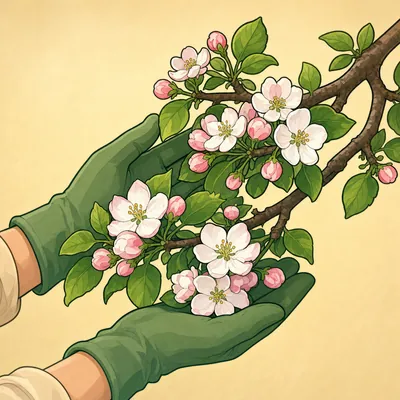
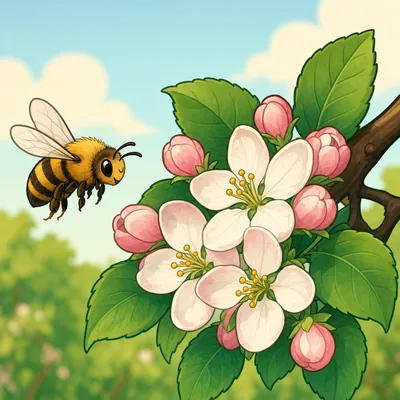
Most apples can't pollinate themselves well. Plant two different varieties that flower at the same time, within about 100 feet of each other. A neighbor's apple or a flowering crabapple can do the job, but double-flowered ornamental crabapples make little or no pollen and are a poor bet. Some varieties, such as Bramley's Seedling and Jonagold, are triploids: they need a partner but are poor pollinators themselves, so plant two other varieties with them.
Picking the Spot
Full sun all day, good air movement, and soil that drains. Avoid low spots where cold air settles on spring nights and frost kills the blossoms, and anywhere water sits for hours after rain.
Planting
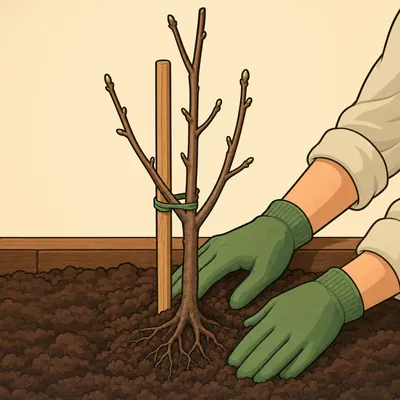
Dig a hole about twice as wide as the roots and no deeper. Spread bare roots out, and set the tree so the graft union (the bump near the base of the trunk) sits 2 to 4 inches above the soil. If the union ends up buried, the top variety can root on its own and you lose the dwarfing effect. Backfill with the soil you dug out, water well, and don't add fertilizer in the hole. Stake dwarf trees.
Growing in a Pot
Dwarf trees on very dwarfing rootstock, and narrow columnar varieties, grow well in a pot of about 15 to 20 gallons. Use a free-draining mix, water often in summer, and feed lightly through spring. In zones 3 to 5, move the pot into an unheated garage or bury it in the ground for winter, as roots in a pot freeze much more easily than roots in the soil.
Water
Water deeply, about an inch a week, for the first two seasons. Older trees on standard rootstock usually manage on rain, but dwarf trees have small roots and need watering in dry spells, especially while fruit is sizing up.
Mulch
Spread a few inches of wood chips or shredded bark over the root zone to hold moisture and keep grass away. Keep the mulch several inches from the trunk so voles can't hide there and chew the bark.
Feeding
Test your soil before you feed. A light spring feeding is usually plenty. If the tree grows more than about a foot of new shoot a year, skip it. Too much nitrogen means soft, leafy growth, fewer apples, and more fire blight.
Keeping it happy
Prune free-standing trees in late winter while they're dormant. Aim for an open shape with a central leader or a few well-spaced main branches, and take out dead, crossing, and inward-growing wood. Trained forms like espaliers and cordons are pruned in late summer instead.
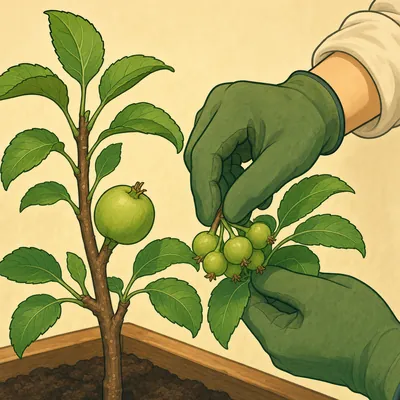
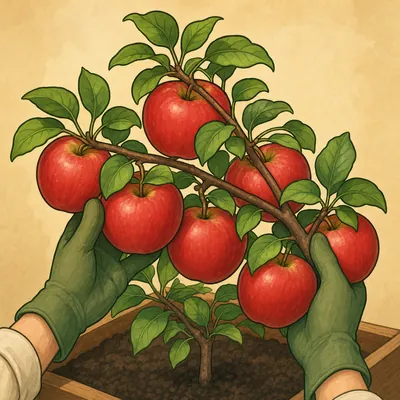
On a newly planted tree, pick off any fruit in the first year so it puts its energy into roots. Trees often drop some small fruit in early summer on their own. After that natural drop, thin what's left to one apple per cluster, about 6 inches apart. You'll get bigger, better apples, and the tree is less likely to fall into cropping only every other year.
In cold zones, protect young trunks from sunscald with a white tree guard or a coat of white latex paint diluted with water, and from rodents with spiral guards in fall.
Trouble in the bed
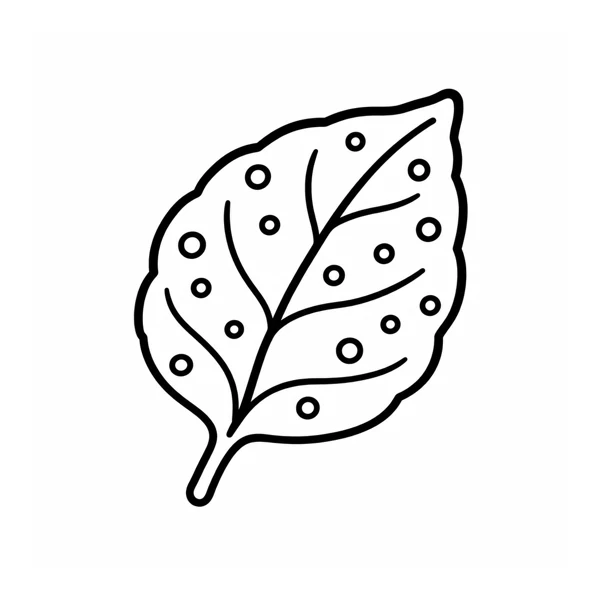
- Apple scab: Olive-brown spots on leaves and corky, scabby patches on fruit, worst in wet springs. It's the most common apple disease. Plant scab-resistant varieties like Liberty, Enterprise or Freedom, and rake up fallen leaves in fall.
- Fire blight: A bacterial disease that makes shoots wilt, blacken and bend over like a shepherd's crook, as if scorched. Prune infected shoots out well below the damage in dry weather, and clean your pruners between cuts. Don't overfeed.
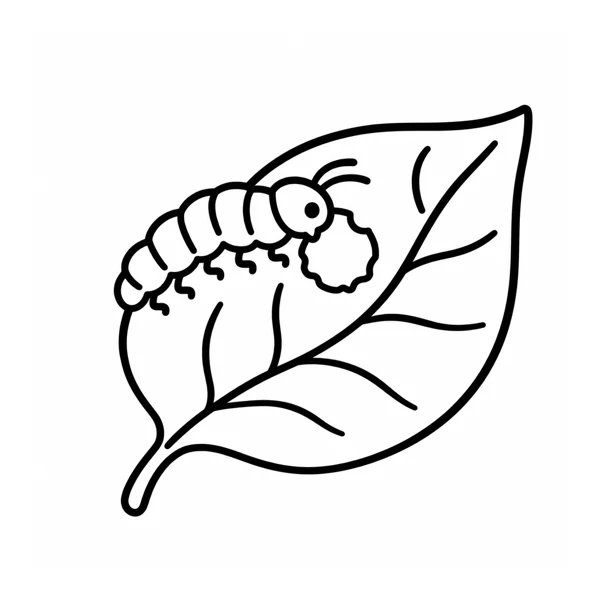
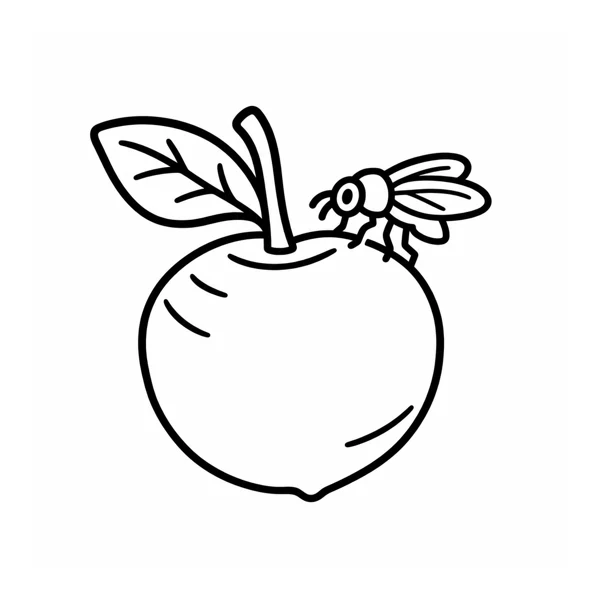
- Codling moth: The classic "worm in the apple." The caterpillar tunnels into the fruit and leaves brown frass at the hole. Bag young fruit, hang traps, and pick up dropped apples quickly.
- Apple maggot and fruit flies: In eastern North America the apple maggot fly lays eggs in the fruit, leaving dimpled skin and brown trails inside. In eastern Australia, Queensland fruit fly does the same kind of damage. Red sticky ball traps or fruit bags help.
- Aphids: Rosy apple aphids curl leaves in spring, and woolly aphids leave white fluffy patches on bark. Ladybugs and lacewings usually keep them in check.
- Cedar apple rust: Bright orange spots on leaves in areas with nearby junipers or red cedars, which carry the other half of its life cycle. Choose resistant varieties where it's common.
- Powdery mildew: A white, felty coating on new shoots and leaves. Cut out badly affected shoot tips.
Good neighbors




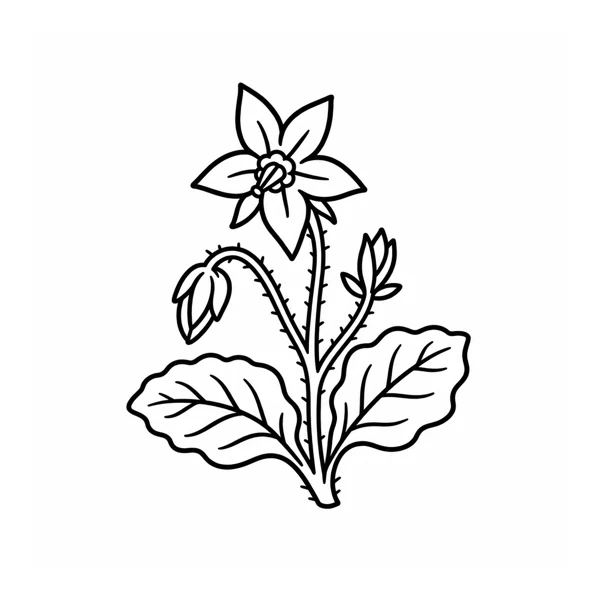

Good: Low, shallow plants around the edge of the root zone that bring in pollinators and pest-eating insects, like chives, garlic, nasturtiums, marigolds, borage and dill. Spring flowers nearby help draw bees in at blossom time.
Avoid: Lawn grass growing right up to the trunk, which competes hard for water, and thirsty vegetable beds under the canopy. In cedar apple rust areas, keep junipers and red cedars well away.
Seeds that grow well in your area in November
Affiliate links — shopping through these helps keep Evening Vines free. Smooth Blue Aster
 Polka Dot Mix
 Black-Eyed SusanSeeds
 ColumbineSeeds
Varieties worth growing
Cold winters and short seasons (zones 3 to 4, prairies and northern areas):
- Honeycrisp: Very crisp, juicy and sweet-tart, from the University of Minnesota. Hardy to zone 3, and stores well.
- Haralson: An old Minnesota apple, tart and firm, good for pies and keeping. Very hardy.
- Zestar!: An early apple, ripening in late summer, crisp with a light brown-sugar flavor. Handy where fall comes early.
- Frostbite: Small, very sweet and dense, one of the hardiest eating apples.
- Norkent: A sweet, juicy, crisp apple recommended for Canadian prairie gardens. Leave it on the tree until it's fully ripe, as it needs time to develop its flavor.
- Chestnut Crab: A large, nutty-sweet crabapple that's good to eat fresh and a strong pollinator for other apples.
Disease-resistant (good for most of the US):
- Liberty: Resists scab, cedar apple rust and fire blight better than most. Crisp, red and good fresh or cooked.
- Enterprise: A late, glossy red apple that keeps for months and shrugs off scab.
Cool, mild summers (UK, Ireland, Pacific Northwest):
- Discovery: An early, bright red apple with a sharp, fresh flavor.
- Egremont Russet: Rough golden-brown skin and a nutty taste. Hardy and dependable in cool, damp climates.
- Bramley's Seedling: The classic cooking apple that cooks down to a fluffy, tangy puree. Grows into a big tree and needs two other varieties nearby.
- Irish Peach: An old Irish early apple, ripening in August. Eat it within days of picking.
Warm winters (zone 9, north and central Florida, Gulf Coast, southern California, subtropical Australia):
- Anna: Bred in Israel to fruit with very little winter cold. Sweet with a red blush; often sold as partly self-fertile, but crops better with Dorsett Golden nearby.
- Dorsett Golden: A Golden Delicious type from the Bahamas with some of the lowest chill needs of any apple. The usual partner for Anna.
- TropicSweet: A low-chill apple from the University of Florida, sweet and mild, and a good pollinator for the other two.
Long, warm seasons (zones 6 to 9, warm temperate areas):
- Granny Smith: Tart and green, raised in Australia. It isn't a true low-chill apple, but it needs a long season to ripen and does well where autumns are long and warm.
For pots and small spaces: Columnar varieties grow as a single upright stem 8 to 10 feet tall and only a couple of feet wide, and many nurseries also sell multi-variety trees with two or three apples grafted on one trunk, which solves pollination in a small yard.
Picking notes
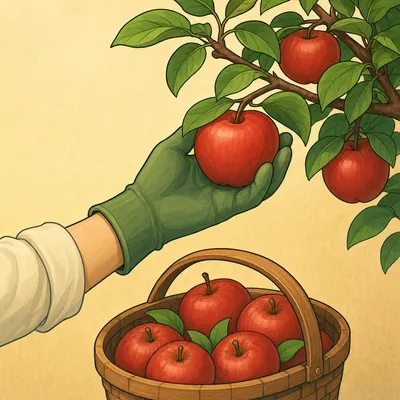
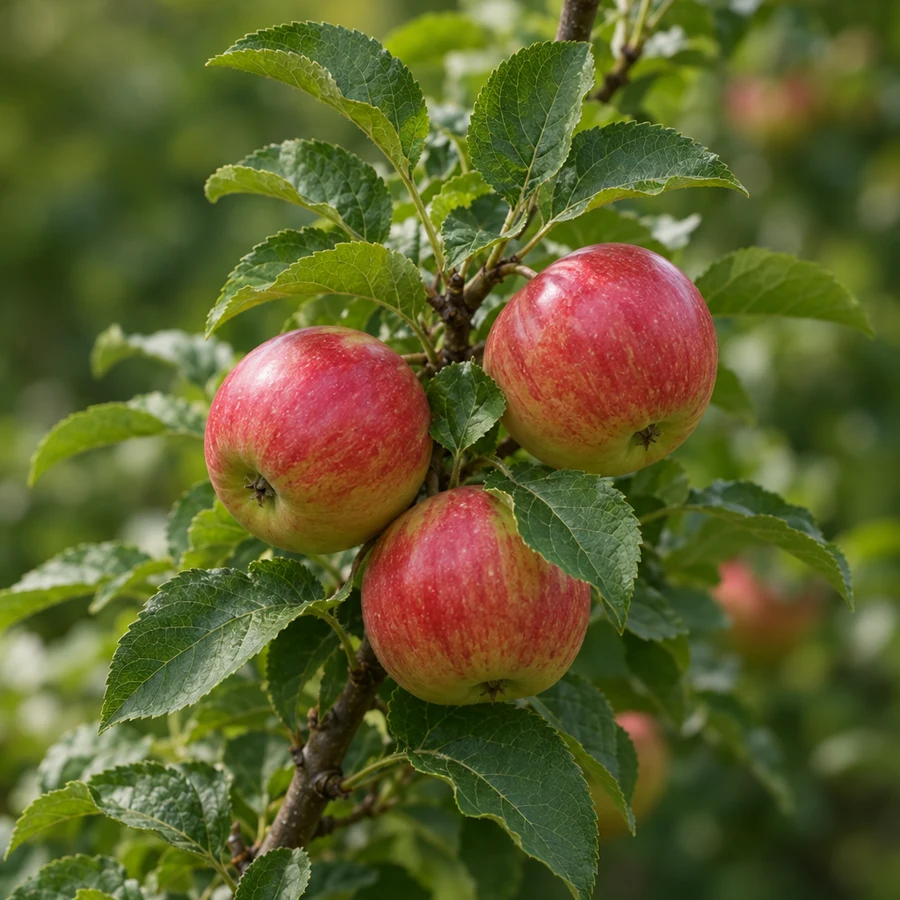
Early apples ripen in late summer, and late keepers carry on into late fall. Color alone can fool you. Watch the background skin color under the red: it turns from green to yellowish-green or creamy yellow when the apple is ripe. Taste one, too. An unripe apple tastes starchy and flat, while a ripe one is sweet and fragrant, with brown seeds. To pick, lift the apple upward and give it a gentle twist rather than pulling, so you don't tear off the fruiting spur that will flower next year. Store sound apples in the fridge or a cold, dark place at about 33 to 38°F. Early varieties keep only days to a few weeks; late varieties can last for months.
Saving seed for next year
Not useful for keeping a variety. Every apple seed is a cross, so a seedling grows into a new, unknown apple, often sour, on a full-size tree that may take many years to fruit. To keep a variety you love, take budwood cuttings in winter and graft them onto a rootstock. If you want to try a seedling for fun, the seeds need two to three months of cold, moist storage before they'll sprout. Apple seeds contain a compound that releases cyanide when crushed and chewed. A few swallowed by accident are no cause for alarm, but don't grind or eat them in quantity.
From garden to table
A raw apple with its skin is a good source of fiber. USDA figures put it at about 52 calories, 2.4 grams of fiber, 107 mg of potassium and a little vitamin C per 100 grams, so a medium apple carries over 4 grams of fiber. Much of the fiber and color sits in and just under the skin. Eat apples fresh, bake them in pies and crisps, cook them down into applesauce or apple butter, dry them in rings, or press them for juice and cider. Tart cooking varieties hold their shape or fall to a puree depending on the type, so check before you bake.
Questions from the potting bench
Do I need two apple trees? Almost always. Plant two different varieties that bloom at the same time within about 100 feet, or count on a neighbor's apple or flowering crabapple. A tree with several varieties grafted on also works.
Can I grow apples where winters are warm? Yes, with low-chill varieties. Anna, Dorsett Golden and TropicSweet fruit with only a few hundred hours of winter cold, or less, and are grown in north and central Florida, along the Gulf Coast and in subtropical Australia. Regular varieties won't flower well there.
How long until my apple tree gives fruit? Two to three years on dwarf rootstock, three to five on semi-dwarf, and up to eight on a standard tree.
Why does my tree crop heavily one year and hardly at all the next? That's biennial bearing. A heavy crop uses up the tree's energy for next year's flower buds. Thin the fruit early in a heavy year to even it out.
Why are my apples dropping in early summer? Some drop is natural. Trees shed extra fruitlets they can't carry. Heavy drop later in summer can mean drought or codling moth, so check fallen fruit for holes.
Grower reports
How did Apple do in your garden? Members rate it and say which zone and month they planted, so everyone can see what works near them.
Recent community discussions
No one has talked about Apple yet. Be the first.
Essentials for Growing Apple
 Grow Bags
Breathable fabric pots: grow almost anything on a patio, balcony or driveway, and roots never circle.
See it →
 Organic Fertilizer
Slow-release organic plant food for vegetable beds and containers.
See it →
 Pruning Shears
Sharp bypass pruners for harvesting, deadheading and tidying.
See it →
 Insect Netting
Fine mesh that keeps cabbage worms, flea beetles and birds off your crops, no sprays needed.
See it →
 Soaker Hose
Waters the roots slowly, not the leaves: less disease, less water, less work.
See it →
 Garden Hand Tools
Trowel, transplanter and cultivator: the three tools you reach for most.
See it →
