
Peppercorn
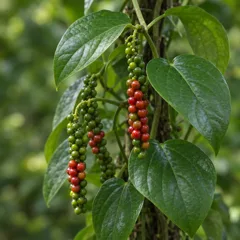
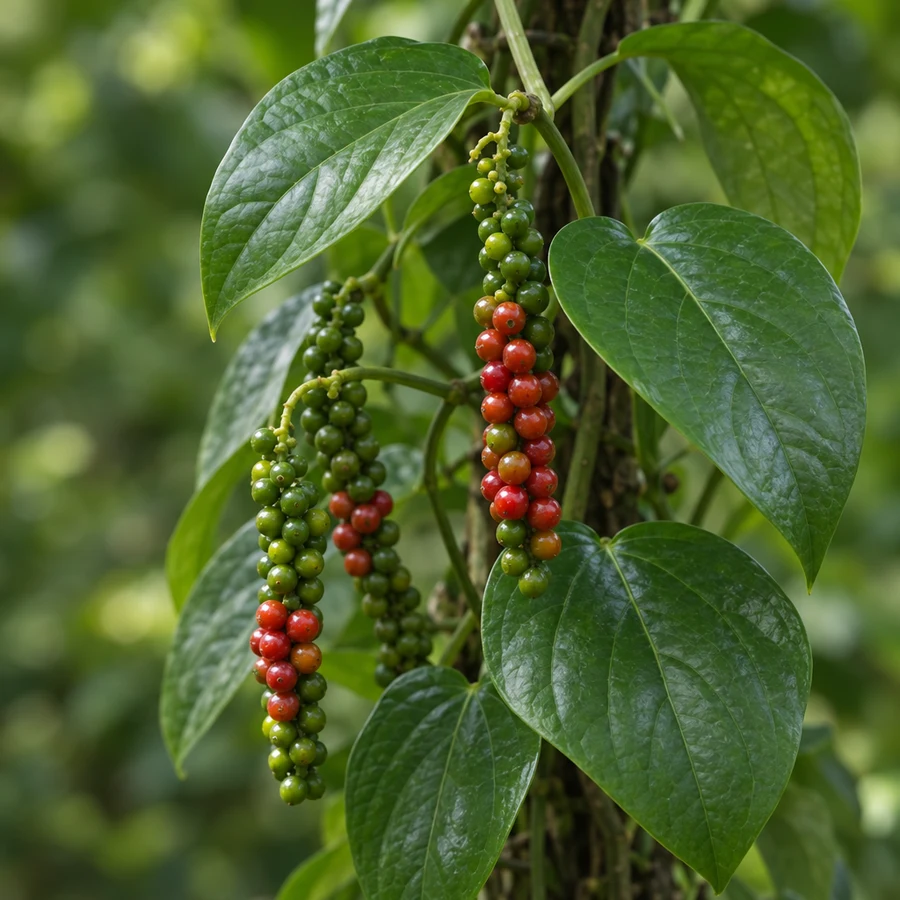
Black pepper is a tropical vine that gives us black, white, and green peppercorns. It climbs a support and likes warmth and humidity. It is not related to chile peppers.
Recent community discussions
No one has talked about Peppercorn yet. Be the first.
At a glance
| Plant type | Spice (tropical climbing vine) |
| Botanical name | Piper nigrum |
| Annual or perennial | Perennial |
| Sun | Bright indirect light to part shade |
| Water | Regular, with high humidity |
| Soil | Rich, well-drained soil |
| Spacing | 6 to 8 feet outdoors |
| Planting depth | Just cover the seed |
| Days to germinate | 25 to 45 days (fresh seed, kept at 75 to 85°F) |
| Days to maturity | 3 to 4 years to first harvest |
| Best USDA zones | 10 to 12 outdoors (cover it on cold nights in zone 10); container or greenhouse elsewhere |
| Soil pH | 5.5 to 6.5 |
Is it peppercorn weather where you are? See everything to plant this month or read your zone notes.

Best started indoors year-round in tropical/subtropical zones. In temperate regions, sow indoors anytime and grow in containers with bottom heat.

Germinates in 30–40 days; 3–4 years to fruit; produces for 20 years.

Zones 10–12, tropical regions year-round; in greenhouses late summer?early fall.

Fertile, moist loamy or clay loam, pH 6.0–6.5. Prefers humid, organic-rich soils.
Pests to watch for


Diseases


A little history
Pepper comes from the Malabar Coast of southwest India, where people have been eating it for at least 4,000 years. It was being traded west by the third century BC. In Roman times it was a luxury that mostly the wealthy could afford, and it only became an everyday spice in Europe once the price fell in the 1600s.
When to sow in your zone
Spring: Plant rooted cuttings or fresh seed once nights stay above 60°F. Indoors, start any time with warm, bright conditions.
Fall: This isn't the time to start new vines. In zones 10 to 12, plant during the warm, rainy part of the year, from late spring into summer, so young vines settle in while it's hot and humid. Elsewhere, bring pots indoors before nights drop below 55°F.
Growing it, step by step
From seed
Use fresh seed from ripe red berries; dried store-bought peppercorns will not sprout. Press the seed into moist mix and just cover it, then keep it at 75 to 85°F. Be patient: it can take 4 to 6 weeks to come up. Rooted cuttings are faster and more reliable.
Bringing it in from abroad: seeds, cuttings and plants from another country are regulated by the USDA (APHIS). Most live plants need a permit and inspection, small seed lots usually need paperwork too, and fruit or seeds carried home in a suitcase are often seized at the border. Buy plants or seed from a US nursery instead. Hawaii and Puerto Rico add rules of their own.
Moving it outside
Pot young vines into a large container with drainage and a stake or moss pole. Plant outdoors only where frost never occurs.
Water
Keep soil evenly moist but never soggy. Mist often or use a humidifier indoors.
Mulch
Add 2 inches of mulch outdoors. Keep it off the stem.
Feeding
Feed monthly in the growing season with a balanced fertilizer.
Keeping it happy
Pepper cannot take frost, and growth stalls below 55°F. Outside zones 10 to 12, treat it as a houseplant or greenhouse plant. Train the vine up a support and prune to 6 to 8 feet in pots. It can take years to flower indoors.
Trouble in the bed
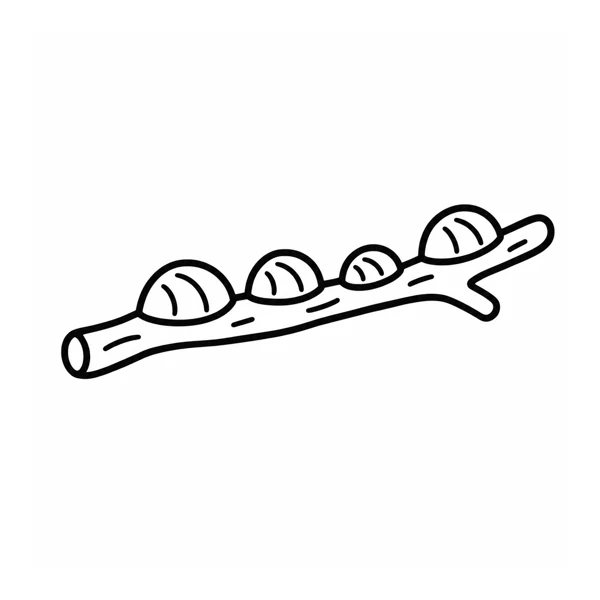
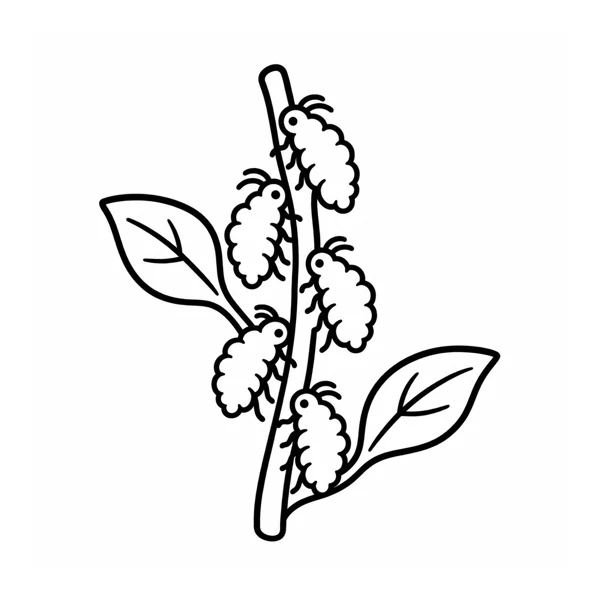
- Mealybugs and scale: Dab with rubbing alcohol or use horticultural oil.
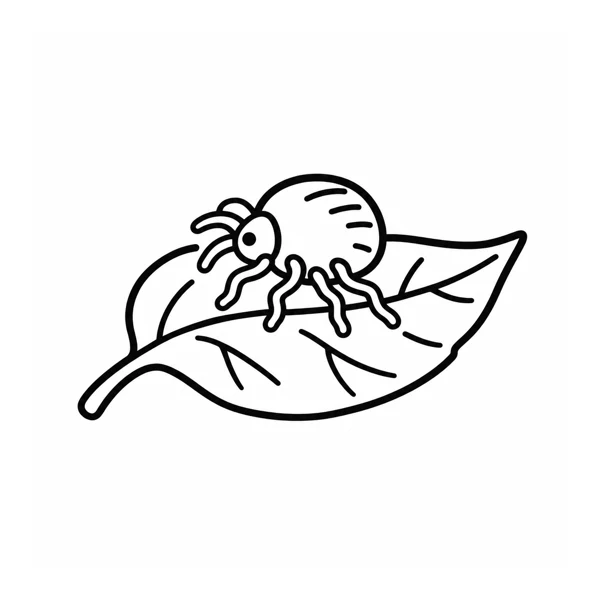
- Spider mites: Raise humidity and rinse leaves.
- Root rot: Use well-drained mix and avoid overwatering.
Good neighbors


Good: Sturdy stakes or shade trees as supports. In India, pepper vines are often trained up the shade trees in coffee plantations, and ginger grows well in the shade between young vines. Indoors, it's happy grouped with other humidity-loving tropicals such as coffee.
Avoid: Cold drafts, dry air, and soggy pots.
Seeds that grow well in your area in November
Affiliate links — shopping through these helps keep Evening Vines free. Organic Cat Grass
 Arugula Microgreens
 Organic Alfalfa
 Organic Wheatgrass
Varieties worth growing
- Panniyur 1: Productive hybrid from India.
- Karimunda: Widely grown traditional variety in Kerala.
- Balankotta: Vigorous traditional Indian variety.
- Kuching: Grown in Sarawak, Malaysia.
Home growers usually buy unnamed plants from specialty nurseries. Names you see on spice jars, like Malabar and Tellicherry, tell you where the pepper came from and how it was graded, not a variety you can plant.
Picking notes
Pepper has no set harvest month. The berries ripen several months after the vine flowers, whenever that happens, and a healthy vine keeps bearing for many years. Pick berry spikes when a few berries turn red. For black pepper, dry whole berries until dark and wrinkled. For white pepper, soak ripe berries and remove the skins. Green peppercorns are picked unripe.
Saving seed for next year
Collect fully ripe red berries, remove the pulp, and sow right away, since seed dries out fast. Cuttings from a healthy vine are more reliable than seed.
From garden to table
Peppercorns give black and white pepper for seasoning. Their heat comes from piperine. Use whole or freshly ground.
Questions from the potting bench
Can I grow pepper indoors? Yes, in a bright, warm, humid spot.
How long until I get pepper? About 3 to 4 years.
Is it the same as chile pepper? No, it is a different plant. Chiles and bell peppers are their own crop, with their own page: see Peppers.
Are pink peppercorns from this plant? No. Pink peppercorns come from a different plant (Schinus), so they aren't grown the same way.
Grower reports
How did Peppercorn do in your garden? Members rate it and say which zone and month they planted, so everyone can see what works near them.
Recent community discussions
No one has talked about Peppercorn yet. Be the first.
Essentials for Growing Peppercorn
 Grow Bags
Breathable fabric pots: grow almost anything on a patio, balcony or driveway, and roots never circle.
See it →
 Seed Starting Tray
Reusable tray with a clear dome to give seeds a warm, humid start indoors.
See it →
 LED Grow Light
Full-spectrum light for sturdy seedlings through short winter days.
See it →
 Pruning Shears
Sharp bypass pruners for harvesting, deadheading and tidying.
See it →
 Watering Can
Long-spout can for gentle watering of seedlings and pots.
See it →
 Organic Fertilizer
Slow-release organic plant food for vegetable beds and containers.
See it →
