
Coffee
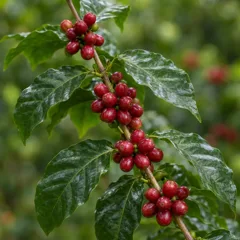
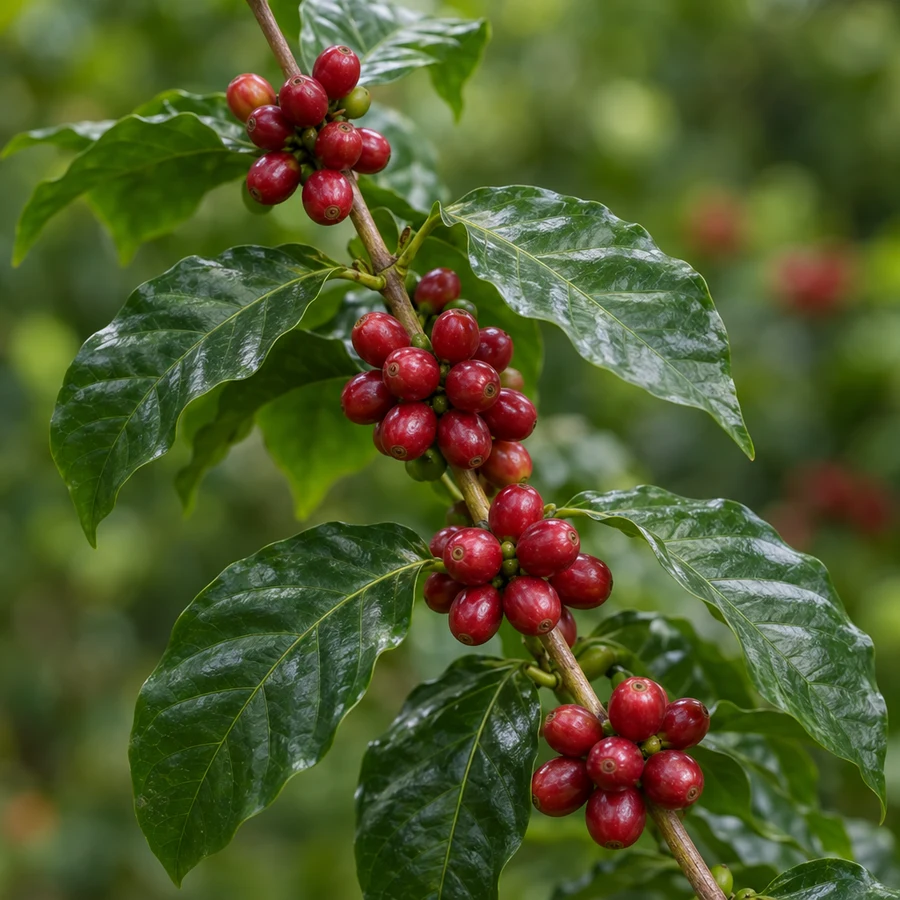
The coffee plant is a glossy, dark-leaved evergreen shrub, and for most of us it's a houseplant first and a coffee maker a distant second. Give it a bright spot out of harsh sun, steady warmth and a little humidity, and after a few years it may reward you with sweet-scented white flowers and red "cherries", each holding two coffee beans. You can grow coffee indoors anywhere. Only zones 10b to 11 are warm enough to keep it outside all year; everywhere else it lives in a pot and spends summers on a shady porch.
Recent community discussions
No one has talked about Coffee yet. Be the first.
At a glance
| Plant type | Tropical shrub, grown as a houseplant in most places |
| Botanical name | Coffea arabica |
| Annual or perennial | Evergreen perennial |
| Sun | Bright, filtered light or part shade |
| Water | Keep evenly moist, never soggy |
| Spacing | At least 8 feet from trees and buildings outdoors |
| Planting depth | 1/2 inch (seed) |
| Days to germinate | 30 to 60 or more |
| Days to maturity | 3 to 5 years from a young plant to first cherries; longer from seed |
| Best USDA zones | 10b to 11 outdoors; anywhere as a houseplant |
| Soil pH | 6.0 to 6.5 |
Is it coffee weather where you are? See everything to plant this month or read your zone notes.

Grown in tropical/subtropical zones only. Sow fresh seeds indoors year-round, ideally in a warm, humid environment (70–85°F / 21–29°C).

2–4 years to fruit; longer from seed.

Zones 10–11, 9–11 months after flowering; generally October?March during the dry season.

Rich, deep volcanic loam or fertile silty loam, pH 6.0–6.5. Needs high organic matter and constant moisture.
Pests to watch for



Diseases


A little history
Arabica coffee comes from the highland forests of Ethiopia. By the mid-1400s people were brewing it in Yemen, where Sufi monasteries drank it to stay awake through night prayers. From there it spread through the Middle East, into Europe and out to the tropics, where it is now grown on every continent that straddles the equator.
When to sow in your zone
Spring: Spring is the best time to start a coffee plant from seed, because seedlings get a full season of light. Use fresh, green (unroasted) seed, ideally still in its papery parchment. Coffee seed loses its life quickly, so sow it within about two months of picking. A young nursery plant puts you a couple of years ahead.
Summer: Once nights stay above about 55°F, the pot can go outside in a sheltered, shady spot.
Fall: Bring the pot back indoors before nights fall below 50 to 55°F. See bring tender plants indoors for easing the move.
Growing it, step by step
From seed
Soak fresh seed for 24 hours, then sow it 1/2 inch deep in moist seed mix and keep it warm, about 75 to 85°F. Be patient: a month is quick, and two months or more is normal.
Bringing it in from abroad: seeds, cuttings and plants from another country are regulated by the USDA (APHIS). Most live plants need a permit and inspection, small seed lots usually need paperwork too, and fruit or seeds carried home in a suitcase are often seized at the border. Buy plants or seed from a US nursery instead. Hawaii and Puerto Rico add rules of their own.
Moving it outside
Move up one pot size at a time, each spring, into a pot with drainage holes. Use a loose, slightly acidic potting mix that drains well; a good houseplant mix with a handful of bark and perlite works. Nursery plants usually come in 1- to 3-gallon pots, and an overcrowded root ball is a sign it's time to pot up.
Water
Water when the top inch of mix feels dry, then let the extra drain away. Indoors, stand the pot on a tray of damp pebbles or near a humidifier, since dry winter air is hard on the leaves.
Mulch
Outdoors in zones 10b to 11, mulch to hold moisture, but keep it 8 to 12 inches back from the trunk.
Feeding
Feed about once a month in spring and summer with a fertilizer made for acid-loving plants. Stop in fall and winter, when growth slows.
Keeping it happy
Keep your coffee plant above about 60°F indoors; it's happiest between roughly 60 and 75°F. Colder rooms, cold drafts from doors and windows, or a chilly night outside can make the leaves drop. Keep it out of hot afternoon sun, which scorches the leaves. Trim in spring to keep it a tidy size; at home most people keep it between 4 and 6 feet. In summer the pot can go outdoors in dappled shade, but bring it in before nights cool in fall. Arabica is self-fertile, so one plant can set cherries on its own. More houseplant tips are in winter care for houseplants.
Trouble in the bed
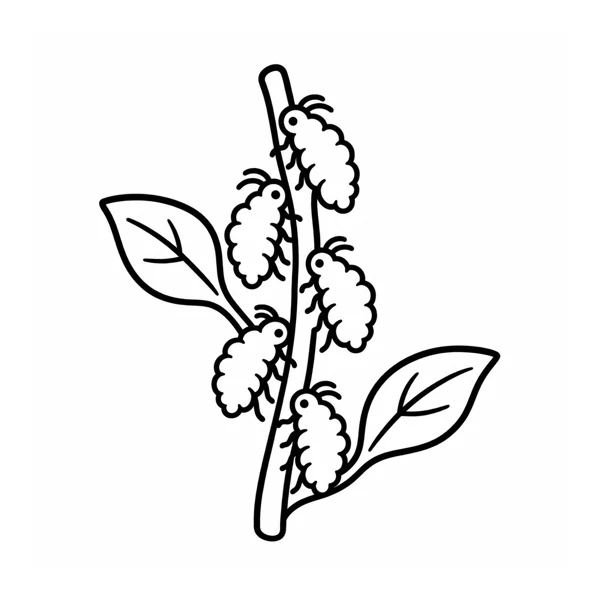
- Scale and mealybugs: The usual houseplant pests. Wipe them off with a cotton swab dipped in rubbing alcohol, or spray horticultural oil.
- Spider mites: They love dry indoor air. Raise the humidity and rinse the leaves, tops and undersides, in the shower.
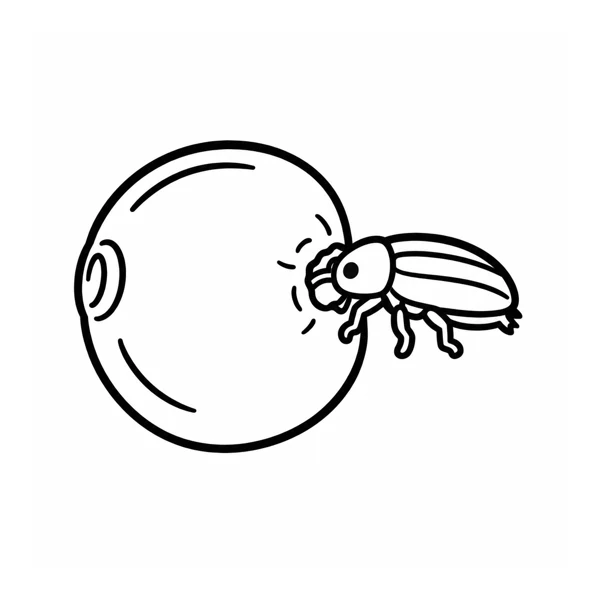
- Coffee berry borer: A tiny beetle that tunnels into the cherries. It's a pest of outdoor trees and plantations in coffee-growing regions; a houseplant won't meet it.
- Coffee leaf rust: Orange, powdery spots on the undersides of leaves. It's mostly an outdoor and plantation disease. Pick off spotted leaves and keep water off the foliage.
- Anthracnose: Dark, sunken spots on leaves and cherries, worst in wet weather outdoors. Clear away fallen leaves and fruit.
- Root rot: Soggy mix rots the roots and the plant wilts even though it's wet. Water only when the top inch is dry, and use a pot with drainage.
- Brown leaf edges: Not a disease. It's usually dry air, cold drafts or too much direct sun.
Before bringing a summer pot back inside, check it over using check overwintered plants for pests.
Good neighbors








Good: Outdoors in zones 10b to 11, plant it in the light shade of taller trees, such as bananas.
Avoid: Full, hot sun.
Seeds that grow well in your area in November
Affiliate links — shopping through these helps keep Evening Vines free. PhloxSeeds
 Royal Mix
 Johnny Jump Up
 Organic Cat Grass
Varieties worth growing
- Coffea arabica 'Nana': A dwarf arabica that stays compact. The easiest choice for a pot or a windowsill.
- Caturra: A naturally short arabica, a mutation of Bourbon, that also suits a large pot.
- Typica and Bourbon: The classic tall arabicas. Lovely, but they need room and regular pruning to stay houseplant-sized.
- Coffea canephora (robusta): More vigorous and higher in caffeine, with a harsher flavor. Robusta can't pollinate itself, so you need two plants to get cherries.
Picking notes
Pick the cherries when they turn deep red, about 7 to 11 months after the flowers open (it varies with variety and warmth). Outdoors, the picking season depends on where the plant grows. Squeeze out the beans, wash off the pulp, dry them, peel off the parchment and roast.
Saving seed for next year
Save seed from fully ripe cherries and sow it fresh; coffee seed loses viability within a few months. Remember that a roasted bean will never sprout.
From garden to table
At home, coffee is grown mostly as a handsome houseplant. A mature plant may give enough beans for a few cups a year, which makes that first home-roasted cup all the sweeter.
Questions from the potting bench
Can I grow coffee indoors? Yes. Give it bright, indirect light, steady warmth above about 60°F and some extra humidity.
Can I grow a coffee plant from a store-bought bean? No. Roasted beans won't sprout. Use fresh, green seed, sown within about two months of picking.
Can my coffee plant live outside? All year only in zones 10b to 11. Elsewhere, move the pot outside for summer and bring it in before nights fall below 50 to 55°F.
How long until I get beans? Usually 3 to 5 years from a young plant, and longer from seed.
Grower reports
How did Coffee do in your garden? Members rate it and say which zone and month they planted, so everyone can see what works near them.
Recent community discussions
No one has talked about Coffee yet. Be the first.
Essentials for Growing Coffee
 Grow Bags
Breathable fabric pots: grow almost anything on a patio, balcony or driveway, and roots never circle.
See it →
 Seed Starting Tray
Reusable tray with a clear dome to give seeds a warm, humid start indoors.
See it →
 Garden Hand Tools
Trowel, transplanter and cultivator: the three tools you reach for most.
See it →
 Organic Fertilizer
Slow-release organic plant food for vegetable beds and containers.
See it →
 Watering Can
Long-spout can for gentle watering of seedlings and pots.
See it →
 Pruning Shears
Sharp bypass pruners for harvesting, deadheading and tidying.
See it →
