
Green Beans
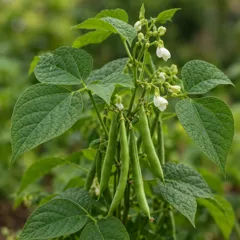
If you only have room for one easy summer crop, make it a row of beans. You push a seed into warm soil with your thumb, and about eight weeks later you are out there every other evening with a bowl, picking more than you planned to eat. Green beans are also called snap beans, because a good fresh pod breaks with a clean snap. We grow them for the young pods, picked long before the seeds inside fill out.
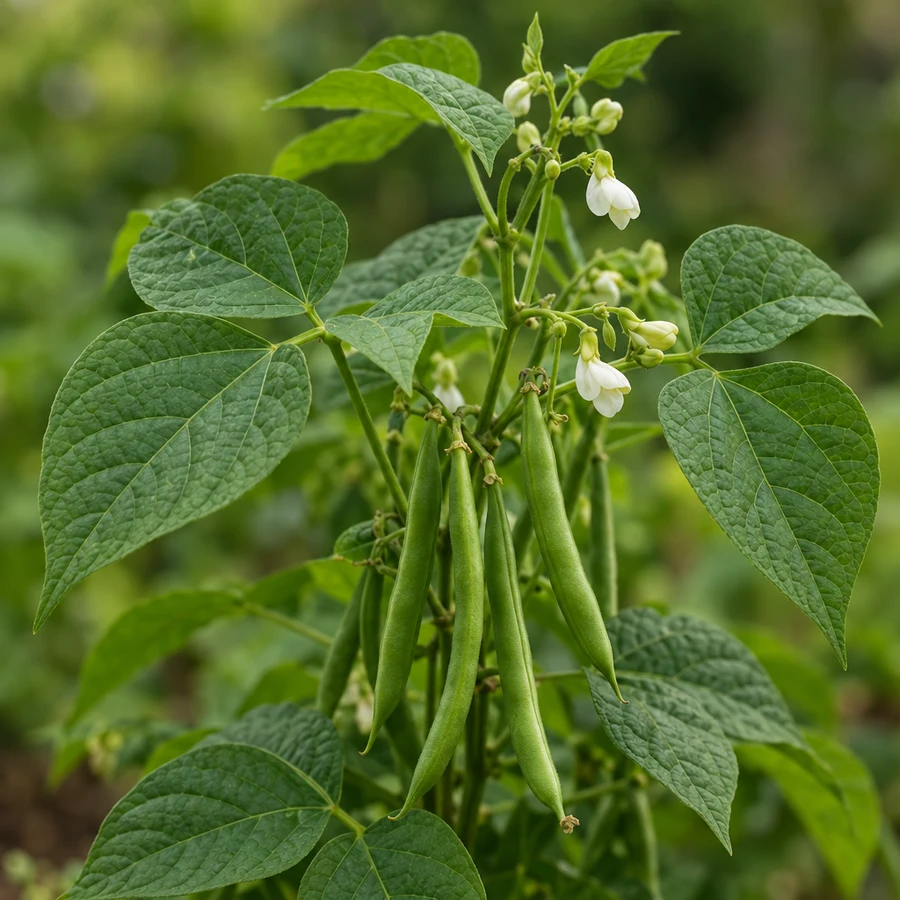
Beans come in two shapes of plant. Bush beans stay knee-high, need no support and give most of their crop over two or three weeks. Pole beans climb 6 feet or more up a trellis, take a little longer to start, and then keep going until cold weather. Many gardeners grow a little of both.
Recent community discussions
No one has talked about Green Beans yet. Be the first.
At a glance
| Category | Vegetables |
| Botanical Name | Phaseolus vulgaris |
| Sowing Time | Outdoors after your last frost, once the soil is about 60°F (about 16°C) |
| Growing Time | 50 to 70 days from seed to first picking |
| Harvest Month | June to September in most US gardens (first pickings in early to mid summer); a second fall crop in the warm South |
| Soil Type | Loose, well-drained loam, pH 6.0 to 7.0 |
| Sun | Full sun |
From planting to harvest
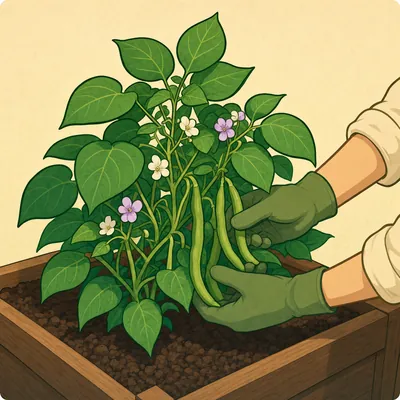
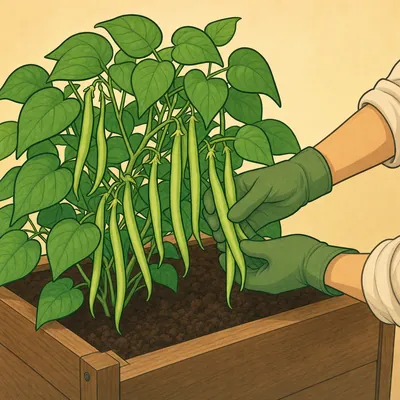
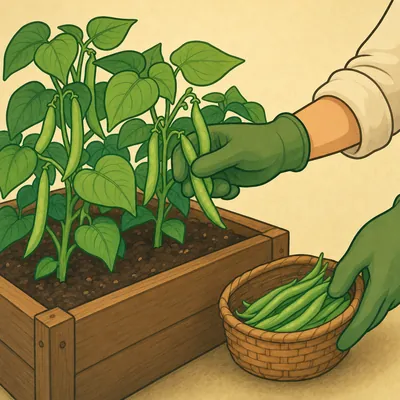
Is it green beans weather where you are? See everything to plant this month or read your zone notes.

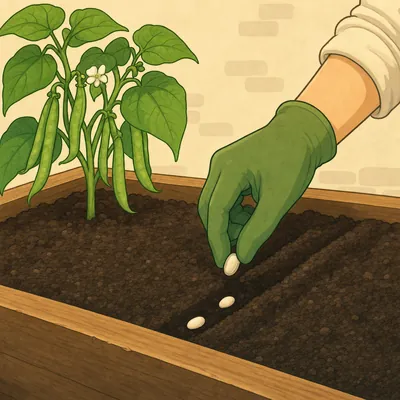
Direct sow outdoors after last frost when soil is 60°F+ (16°C). Successive sowings every 2–3 weeks extend harvest. In warm Zones (8–10), sow again midsummer.

50–70 days.

Zones 3–10, summer harvest about 50–70 days after planting.

Thrive in light sandy loam or silt loam, pH 6.0–7.5. Avoid waterlogging.
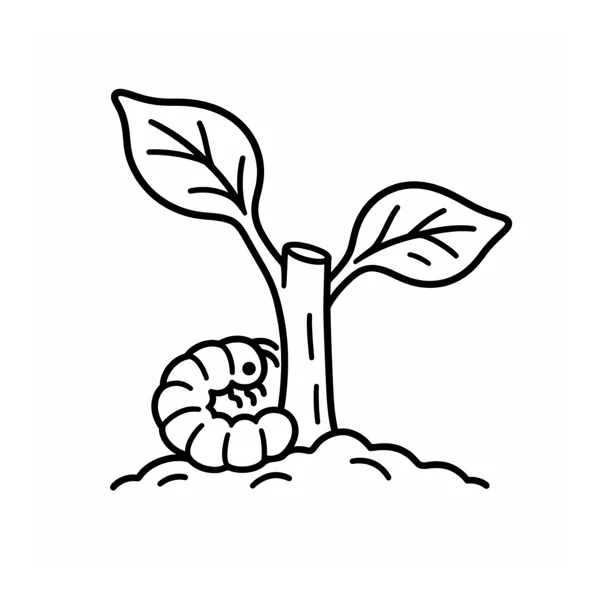
Pests to watch for



Diseases
Mateo is researching the diseases that affect this plant.
A little history
Beans were first grown in Central and South America, where farmers had domesticated them thousands of years before Europeans arrived. Spanish and Portuguese ships carried them to Europe in the 1500s, and by 1542 the German botanist Leonhart Fuchs was already drawing them in his herbal. From there they spread to gardens in cooler climates all over the world. The tender, stringless pods we pick today come from much later breeding, mostly in the 1800s and 1900s.
When to sow in your zone
When to plant green beans comes down to frost, not hardiness zone. Beans are tender annuals: one frost kills them, and cold, wet soil rots the seed before it sprouts. So the rule is the same whether you garden in zone 4 or zone 9:
- Sow outdoors after your average last frost date, once the soil at seed depth reads about 60°F (about 16°C). Seed sown into colder soil is slow and patchy.
- In most of the country that means mid spring in the South and late spring in the North. Our post on sowing beans after the last frost walks through it, and counting back from your last frost shows how to set your own dates.
- For a steady supply of bush beans, sow a short row every two to three weeks until about 10 weeks before your first fall frost.
- In hot southern gardens, skip the height of summer and sow a second crop in late summer for fall picking.
Your zone page lists frost dates and the sowing weeks for beans where you live: start at the zones page, or put your ZIP into the planting tool to see your own bean-sowing weeks.
Beans don't like being moved, so sow them straight into the bed rather than starting them indoors.
Growing it, step by step
- Sun and soil: Full sun and loose, well-drained soil with a pH of 6.0 to 7.0. Work in some compost before sowing.
- Seed depth: About 1 inch deep. Go a little shallower in heavy clay and a little deeper in sandy soil.
- Spacing for bush beans: 2 to 4 inches apart in rows 18 to 24 inches apart.
- Spacing for pole beans: 4 to 6 inches apart along a trellis, fence or teepee that is at least 6 feet tall. Put the support in before you sow so you don't damage roots later. Our staking and supporting plants post has trellis ideas.
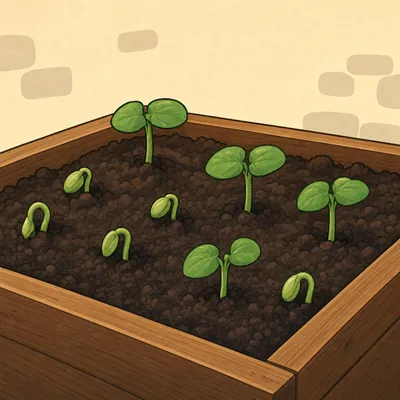
- Germination: Seedlings usually come up in 7 to 10 days in warm soil, and can take two weeks or more when the soil is only just warm enough.
- Temperature: Beans grow best between 65 and 85°F (18 and 29°C). Above about 85°F the plants often drop their flowers, so pod set stalls during heat waves and picks up again when it cools.
Keeping it happy
- Water: Keep the soil evenly moist, about an inch of water a week, and more when they are flowering and setting pods. Beans dislike soggy ground, so don't drown them. Water the soil, not the leaves. See watering deeply.
- Mulch: Once the seedlings are a few inches tall, a layer of straw or shredded leaves keeps the roots cool and the soil moist. More in mulching in spring.
- Feeding: Beans work with soil bacteria in their roots to take nitrogen from the air, so they need little or no nitrogen fertilizer. Too much nitrogen gives you a jungle of leaves and few pods. Compost at sowing time is usually enough.
- Heat: If a heat wave hits while they are flowering, water well and mulch. Expect a short pause in picking. Our heatwave post has more.
- Stay out when wet: Don't work among the plants or pick when the leaves are wet. That is how several bean diseases travel from plant to plant.
- Rotation: Grow beans in a different bed each year and wait at least three years before they come back to the same spot. Rotation keeps root rots and other soil diseases from building up. See our crop rotation plan.
Trouble in the bed
Pests
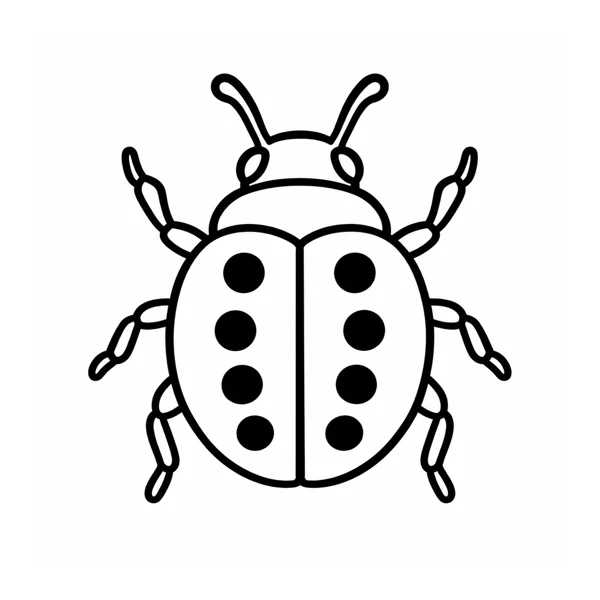
- Mexican bean beetle: Coppery, ladybug-like beetles with 16 black spots. The yellow, spiny larvae feed on the undersides of leaves and leave them looking like lace. Pick off adults, larvae and the yellow egg clusters.
- Bean leaf beetle: Small yellow to red beetles that chew round holes in leaves and can scar pods. They are worst on young seedlings.
- Aphids, spider mites and thrips: Check the undersides of leaves, especially in hot, dry spells. A hard spray of water knocks aphids and mites back.
- Cutworms: Cut seedlings off at the soil line overnight. A collar of cardboard around each young plant helps.
Our June garden pests post covers early summer pest checks.
Diseases
- Anthracnose: Dark, sunken spots on pods and dark veins under the leaves. It is carried on seed and spread by splashing water.
- Rust: Small rusty-red pustules on the leaves, worse in humid weather.
- Bacterial blight: Water-soaked spots on leaves that turn brown, often with a yellow edge. Also seed-borne.
- White mold: Fluffy white growth and soft, rotting stems and pods in cool, wet weather when the plants are crowded.
- Bean common mosaic virus (see mosaic virus): Mottled, puckered leaves and stunted plants. It spreads through seed and aphids. Resistant varieties are the best defense.
- Root rots: Yellowing, stunted plants with brown, rotted roots, worst in cold, wet or compacted soil.
- Powdery mildew: White powder on the leaves, mostly late in the season.
To keep diseases away, buy fresh seed from a good source, give plants room for air to move, water at the base, rotate beds and clear out diseased plants at the end of the season. Our post on choosing disease-resistant varieties can help when you order seed.
Good neighbors







These are the neighbors we like to give beans, and why:
- Corn: Pole beans can climb the stalks. Sow the corn two or three weeks before the beans so it stays ahead of them.
- Winter Squash: Its big leaves shade the ground under corn and beans and keep weeds down. Together these three are the old Three Sisters planting.
- Lettuce: Sow a row on the shady side of a pole-bean trellis in midsummer. The beans give it the afternoon shade it needs to hold off bolting.
- Alyssum: A low edging of it brings in hoverflies and tiny wasps that feed on aphids.
- Borage: Bees love its blue flowers, and it keeps them visiting that corner of the garden.
Keep beans away from onions, garlic, chives and other alliums. Many gardeners find beans grow poorly next to them.
Seeds that grow well in your area in November
Affiliate links — shopping through these helps keep Evening Vines free. Wild Lupine
 Common Milkweed
 PansySeeds
 PhloxSeeds
Varieties worth growing
- Provider (bush): Dependable and early, with round green pods. It germinates in cooler soil than most beans, which makes it a good first sowing. It is still killed by frost. Seeds
- Contender (bush): An early, heavy cropper with slightly curved pods. A long-time favorite for southern gardens. Seeds
- Blue Lake 274 (bush): The bush form of the classic Blue Lake, with round, meaty pods that freeze well. It can drop blossoms in very hot weather. Seeds
- Blue Lake (pole): The original climbing Blue Lake, with the same round pods over a longer season. Seeds
- Kentucky Wonder (pole): An heirloom climber with flat, full-flavored pods. Seeds
- Royal Burgundy (bush): Deep purple pods that are easy to spot when picking. They turn green when cooked. Seeds
Green Beans seeds to buy
Affiliate links — shopping through these helps keep Evening Vines free.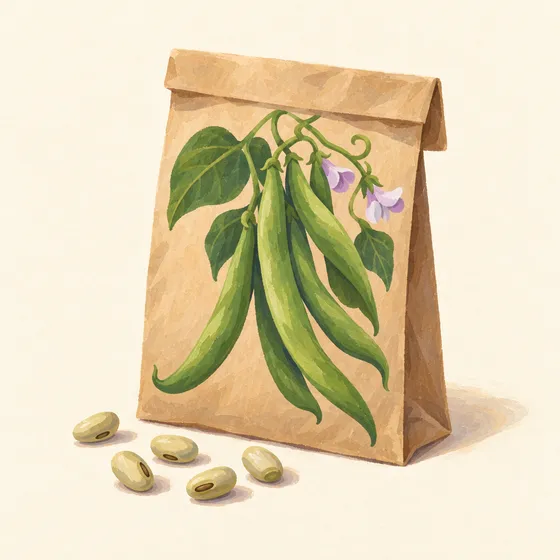 Provider
Picking notes
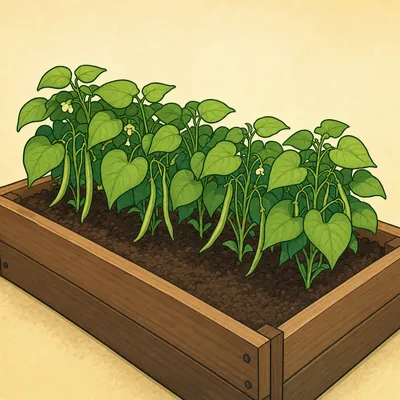
- Start picking about 50 to 70 days after sowing. For most gardens that means the first beans in early to mid summer, about June to July, and picking on into September from later sowings and pole beans.
- Pick when the pods are firm and about as thick as a pencil, before the seeds make bumps in the pod. A good pod snaps cleanly.
- Pick every two or three days. Once pods are left to mature, the plant slows down or stops flowering.
- Hold the stem with one hand and pull the pod off with the other, so you don't tear the plant.
- Pick when the leaves are dry.
- Keep fresh beans in a bag in the fridge and eat them within a few days, or see our post on how to freeze your summer harvest.
Saving seed for next year
Beans are one of the easiest seeds to save, because each flower pollinates itself. Pick a few healthy plants of an heirloom (not hybrid) variety and stop picking from them. Let the pods dry on the plant until they are brown and rattle, then shell them and dry the seeds a little more indoors before storing them somewhere cool and dry. Keep different varieties a few feet apart, and never save seed from plants that showed anthracnose, bacterial blight or mosaic, since all three can be carried in the seed. Our saving seeds post has the full method.
From garden to table
Green beans are low in calories and give you fiber, vitamin C, vitamin K and folate. Eat them steamed, sautéed, roasted, pickled or raw from the vine. Blanch them before freezing so they keep their color and snap.
Questions from the potting bench
When should I plant green beans? After your last frost, once the soil has warmed to about 60°F (about 16°C). Check your zone page for your frost dates.
Why are my bean flowers falling off? Usually heat. When days run above about 85°F, beans often drop their flowers. Dry soil makes it worse. Keep the plants watered and mulched, and they will set pods again when it cools.
Do beans need fertilizer? Very little. They make much of their own nitrogen, and too much fertilizer gives you leaves instead of beans.
Bush or pole? Bush beans for a quick crop in a small space. Pole beans if you have a trellis and want to pick for longer.
Grower reports
How did Green Beans do in your garden? Members rate it and say which zone and month they planted, so everyone can see what works near them.
Recent community discussions
No one has talked about Green Beans yet. Be the first.
Seeds to try
Affiliate links — shopping through these helps keep Evening Vines free.Essentials for Growing Green Beans
 Grow Bags
Breathable fabric pots: grow almost anything on a patio, balcony or driveway, and roots never circle.
See it →
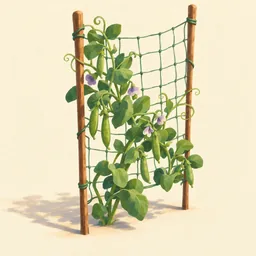 Trellis Netting
Strong netting for peas, beans, cucumbers and melons to climb: more crop in less space.
See it →
 Soaker Hose
Waters the roots slowly, not the leaves: less disease, less water, less work.
See it →
 Garden Hand Tools
Trowel, transplanter and cultivator: the three tools you reach for most.
See it →
 Plant Labels
Waterproof markers so you know what's coming up where.
See it →
 Organic Fertilizer
Slow-release organic plant food for vegetable beds and containers.
See it →
