
Carrots
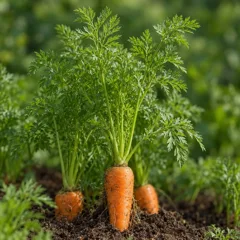
Carrots are sweet, crunchy roots in orange, purple, red, yellow, and white. Home-grown carrots are sweeter than most store-bought ones, especially after a few cool nights.
They need loose, deep, stone-free soil for straight roots. The seeds are tiny and slow to sprout, so the secret to success is patience and steady moisture early on.
Recent community discussions
No one has talked about Carrots yet. Be the first.
At a glance
| Plant type | Cool-season root vegetable |
| Botanical name | Daucus carota subsp. sativus |
| Annual or perennial | Biennial, grown as an annual |
| Sun | Full sun to part shade |
| Water | About 1 inch per week, evenly |
| Spacing | 2 to 3 inches |
| Planting depth | 1/4 inch |
| Days to germinate | 10 to 21 |
| Days to maturity | About 50 to 80 |
| Best USDA zones | 3 to 10 as a seasonal crop |
| Soil pH | 6.0 to 6.8 |
From planting to harvest
Is it carrots weather where you are? See everything to plant this month or read your zone notes.

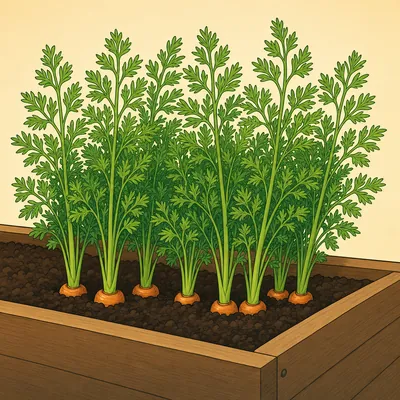
Direct sow 2–3 weeks before last frost. Successive sowings every 3 weeks until midsummer. Fall crop: sow midsummer 10–12 weeks before frost.

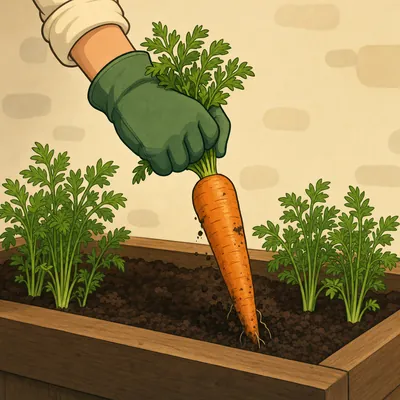
60–80 days.

Zones 3–10, late spring?early summer depending on planting time.

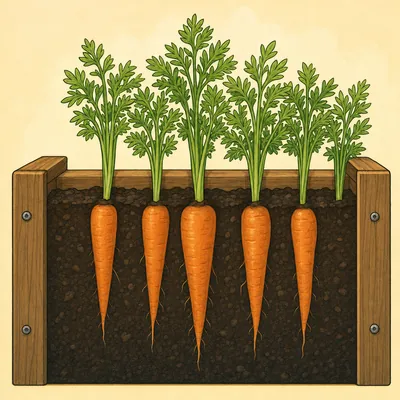
Loose, deep sandy loam, pH 6.0–7.0. Must be stone-free for straight root growth.
Pests to watch for





A little history
Carrots were first grown in Central Asia, around Afghanistan and Persia, where the early types were purple or yellow. Orange carrots were developed in Europe and popularized by Dutch growers in the 1600s. Queen Anne's lace is the wild form of the same species, Daucus carota, so the white lace flowers on the roadside are the garden carrot's own wild ancestor.
When to sow in your zone
Spring: Sow outdoors 2 to 4 weeks before your last frost, once the soil has warmed to about 40°F. Sow a short row again every 3 weeks or so until hot weather arrives. Carrots sprout slowly in cold soil, so the earliest rows simply take longer to show. Our post on how to count back from your last frost helps you set the date, and sowing carrots in early spring walks through the first row.
Fall: Sow 10 to 12 weeks before the first fall frost. In zones 8 to 10, sow through fall and winter. Elsewhere, a thick straw mulch lets you leave fall carrots in the ground and dig them into winter.
Your zone's dates: Find your frost dates and month-by-month sowing on your zone page: zone 3, zone 4, zone 5, zone 6, zone 7, zone 8, zone 9, zone 10, zone 11. Not sure of your zone? Start at all zones.
Growing it, step by step
From seed
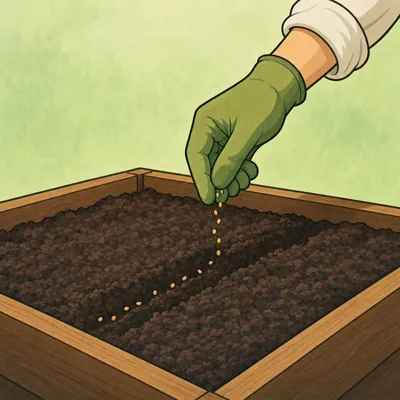
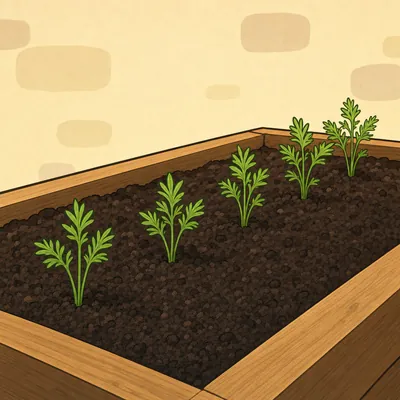
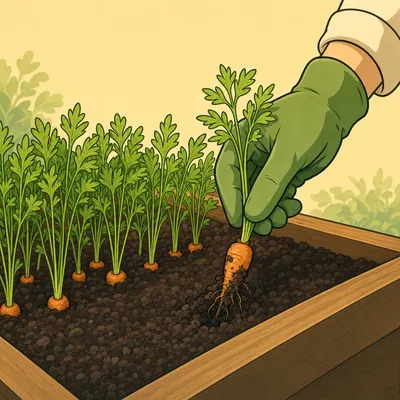
Loosen the soil 10 to 12 inches deep and remove any stones. Sow 1/4 inch deep and about 1/2 inch apart, mixing the seed with fine sand for even spacing. Keep the surface constantly moist for up to 3 weeks. A board or burlap laid over the row helps, but lift it as soon as seedlings appear. When the tops are 2 inches tall, thin to 2 to 3 inches.
Moving it outside
Don't transplant carrots, because moving them causes forked roots.
Water
Water lightly and often until the seedlings are up, then give about an inch a week.
Mulch
Mulch lightly once the seedlings are established.
Feeding
Work in compost before sowing. Avoid fresh manure and excess nitrogen, which cause forked, hairy roots.
Keeping it happy
Weed carefully while the seedlings are small, and thin early. If any shoulders poke above the soil, cover them so they don't turn green. Rotate beds.
Trouble in the bed
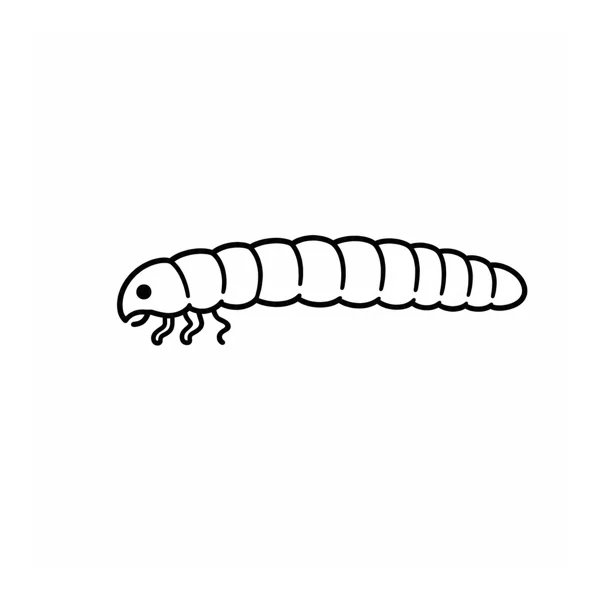
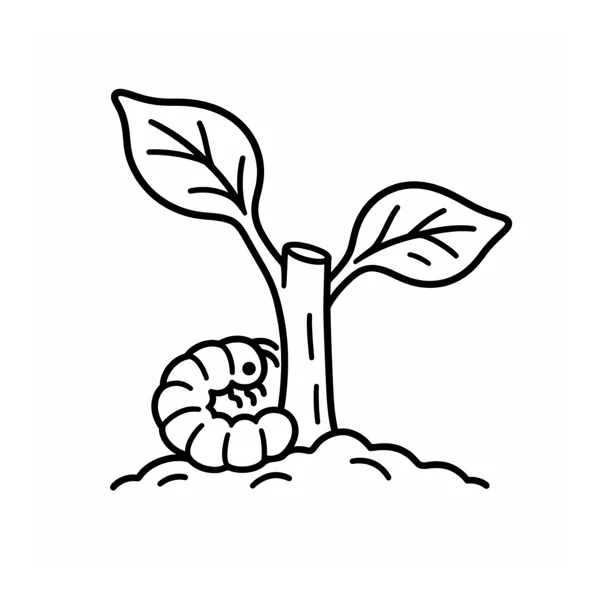
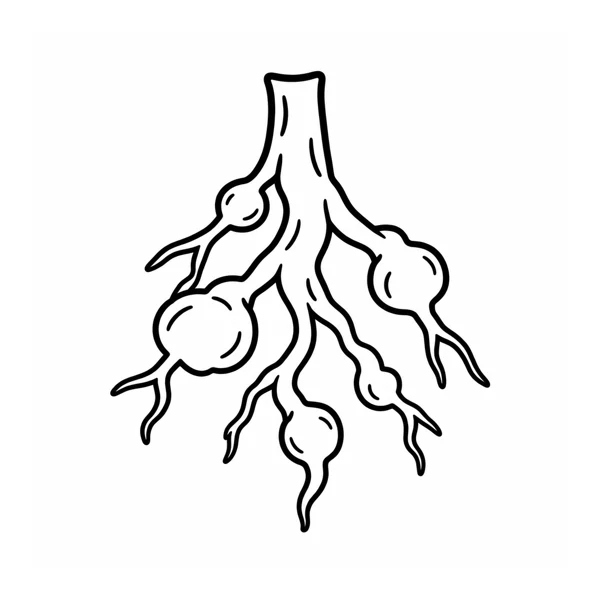
- Carrot rust fly: Use row cover from the day you sow, and rotate crops.
- Aphids: Spray them off with water or use insecticidal soap.
- Wireworms: Avoid planting right after lawn or sod.
- Leaf blight: Rotate crops and water at the base.
- Forked roots: Use loose, stone-free soil and no fresh manure.
Good neighbors




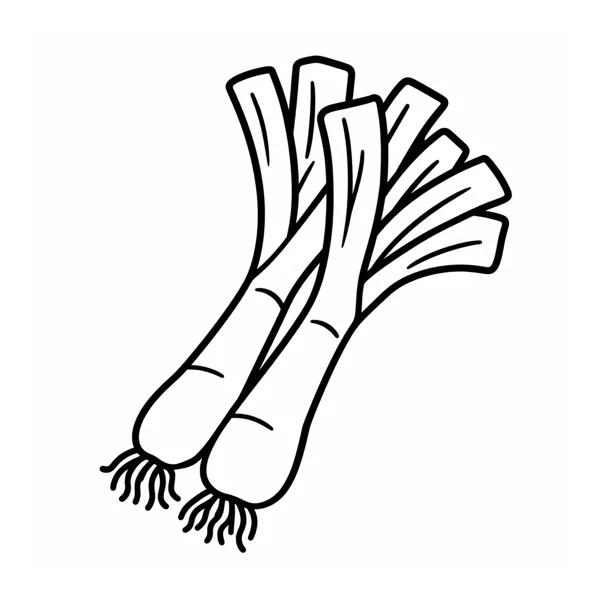




Good: Onions, leeks, chives, rosemary, sage, lettuce, and peas.
Avoid: Parsnips, which share the carrot's pests. Many gardeners also keep dill out of the carrot row; it's old garden advice rather than proven fact, but giving the two a little room costs nothing.
Seeds that grow well in your area in November
Affiliate links — shopping through these helps keep Evening Vines free. Purple Coneflower
 Stinging Nettle
 Smooth Blue Aster
 Polka Dot Mix
Varieties worth growing
- Danvers 126: Tough and reliable in heavier soil. Seeds
- Scarlet Nantes: Sweet, crisp, and cylindrical. Seeds
- Imperator: Long and slender, for deep, loose soil. Seeds
- Chantenay Red Cored: Short and stout, for heavy or shallow soil.
- Cosmic Purple: Purple skin with an orange core. Seeds
- Paris Market: Small and round, ideal for pots. Seeds
Carrots seeds to buy
Affiliate links — shopping through these helps keep Evening Vines free.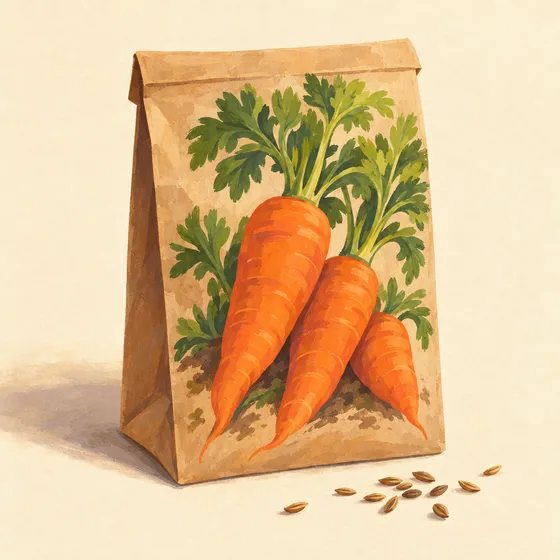 Scarlet Nantes
Picking notes
Most carrots are ready 50 to 80 days after sowing, when the shoulders are 3/4 to 1 inch across. Loosen the soil with a fork and pull. Twist off the tops right away. Carrots keep in the fridge, or in damp sand somewhere cool.
Saving seed for next year
Carrots flower in their second year. Queen Anne's lace is the same species and crosses freely with garden carrots, so seed saving needs isolation from any wild plants nearby.
From garden to table
Carrots are rich in beta-carotene, which the body turns into vitamin A, and they also provide fiber and vitamin K. Eat them raw, roasted, steamed, or juiced. The tops can go into pesto.
Questions from the potting bench
Why are my carrots forked? Stones, heavy soil, or fresh manure.
Why didn't my carrots sprout? The surface dried out. Keep it constantly moist, and be patient, because they can take up to 3 weeks.
Can I grow carrots in containers? Yes, in a pot at least 12 inches deep, with short varieties.
Grower reports
How did Carrots do in your garden? Members rate it and say which zone and month they planted, so everyone can see what works near them.
Recent community discussions
No one has talked about Carrots yet. Be the first.
Seeds to try
Affiliate links — shopping through these helps keep Evening Vines free.Essentials for Growing Carrots
 Grow Bags
Breathable fabric pots: grow almost anything on a patio, balcony or driveway, and roots never circle.
See it →
 Garden Hand Tools
Trowel, transplanter and cultivator: the three tools you reach for most.
See it →
 Plant Labels
Waterproof markers so you know what's coming up where.
See it →
 Soaker Hose
Waters the roots slowly, not the leaves: less disease, less water, less work.
See it →
 Organic Fertilizer
Slow-release organic plant food for vegetable beds and containers.
See it →
 Watering Can
Long-spout can for gentle watering of seedlings and pots.
See it →
