
Gourds
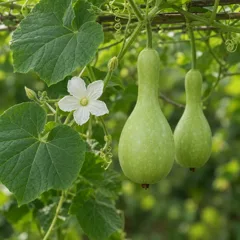
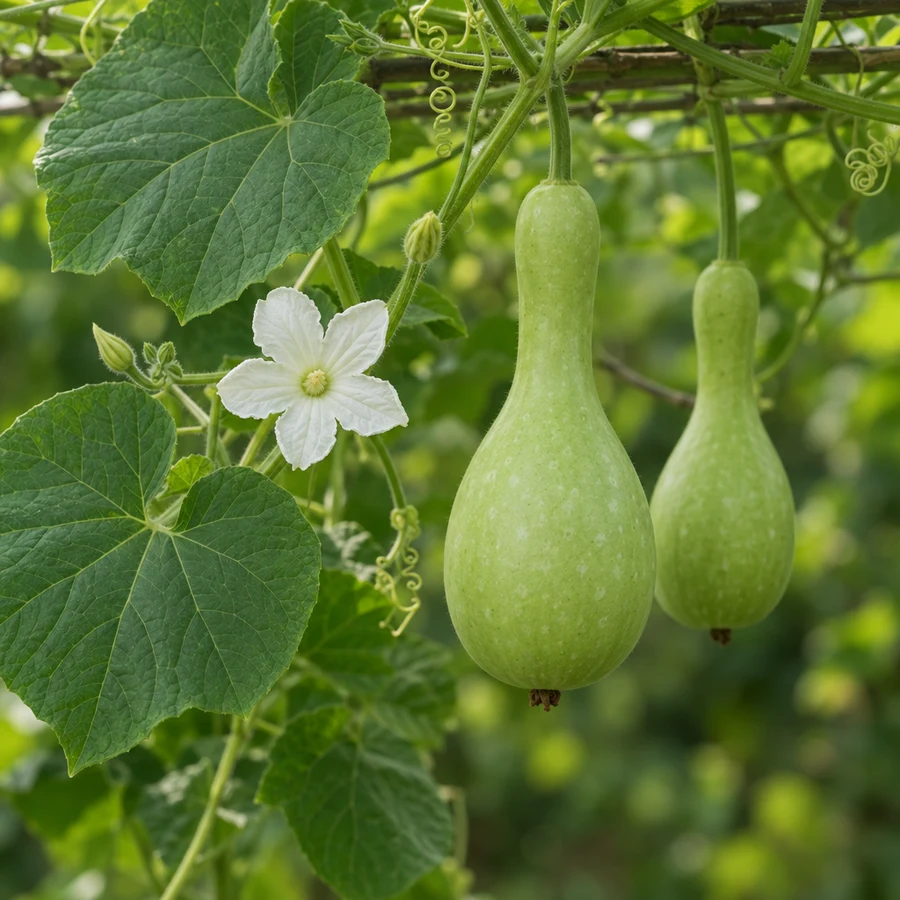
Gourds are vining plants grown for their hard, decorative fruit in many shapes, sizes, and colors. There are two main groups. Hard-shell gourds (Lagenaria), like birdhouse and dipper gourds, can be dried and made into crafts, bowls, and containers. Ornamental gourds (Cucurbita pepo) are small, colorful, and used for fall displays.
Gourds are easy and fun to grow. The vines climb trellises and arbors, and each plant can produce many fruits. They need a long, warm season, so plan ahead.
Recent community discussions
No one has talked about Gourds yet. Be the first.
At a glance
| Plant type | Vining annual (ornamental and craft) |
| Botanical name | Lagenaria siceraria (hard-shell); Cucurbita pepo (ornamental) |
| Annual or perennial | Annual |
| Sun | Full sun |
| Water | 1 to 2 inches per week |
| Spacing | 4 feet between vines; hills 6 to 8 feet apart; 12 to 24 inches along a trellis |
| Planting depth | 1 inch |
| Soil temperature to sow | At least 70°F |
| Days to germinate | 7 to 14 |
| Days to maturity | 90 to 120 (ornamental); 100 to 180 (hard-shell) |
| Harvest | Late summer to fall, before your first frost (ripe hard-shell gourds can stay out longer) |
| Best USDA zones | 3 to 11 (needs a long, warm season) |
| Soil pH | 6.0 to 6.5 |
Is it gourds weather where you are? See everything to plant this month or read your zone notes.

Sow directly outdoors in late spring to early summer, 2 weeks after last frost, when soil is 70–75°F (21–24°C). In short-season zones, start indoors 4 weeks before transplanting.

Germinates in 7–14 days; 100–180 days to mature.

Zones 3–11, September?November before first frost; in frost-free regions October?December.

Fertile, moisture-retentive loamy soil, pH 6.0–6.8. Needs organic matter and steady moisture.
Pests to watch for




A little history
Bottle gourds are among the oldest plants used by people, for containers, tools, and instruments. Archaeologists have found them in ancient sites across Africa, Asia, and the Americas. Ornamental gourds in the squash family were bred for color and shape and are a classic part of fall decorating.
When to sow in your zone
Spring: Gourds want warm ground. Sow outdoors 1 to 2 weeks after your last frost, once the soil is at least 70°F. In short-season zones 3 to 6, start seeds in biodegradable pots 3 to 4 weeks before the last frost, especially hard-shell gourds, which need the most time. Our guide to counting back from your last frost helps you pick the day.
By zone: In zones 3 to 6, start indoors and plant out once nights stay warm. In zones 7 to 9, sow straight into the garden after the last frost. In frost-free spots like South Florida (zones 10 and 11), you can sow from September through March. Find your frost dates on the zone pages.
Fall and winter: Fall isn't a sowing time in most zones; it's for harvest and curing. In November, only frost-free gardens should be sowing gourds. Everyone else can save seed and plan next spring's trellis.
Growing it, step by step
Getting the seed going
Hard-shell seeds have a tough coat. Soak them in warm water overnight, or nick the coat gently with a nail file. Ornamental gourd seeds sprout easily without soaking. Sow 1 inch deep, 2 or 3 seeds to a hill or a pair of seeds every foot or two at the foot of a trellis.
Gourds sulk if their roots are disturbed. If you start them indoors, use biodegradable pots that go straight into the ground, and plant out after frost, one or two plants per hill.
Giving the vines room
On open ground, leave about 4 feet between vines, and set hills 6 to 8 feet apart so the runners have space. Up a trellis, they need far less: plants 12 to 24 inches apart along the base will do. A trellis also keeps fruit clean, straight, and off damp soil.
Water, mulch, and food
Water deeply at the base, about 1 to 2 inches per week, and keep the soil evenly moist while the vines grow. Spread 2 to 3 inches of straw to hold moisture, keep weeds down, and keep fruit off wet ground. Mix compost into the planting site, then side-dress with a balanced fertilizer when the vines begin to run. Too much nitrogen gives lots of leaves and fewer fruits.
Flowers and fruit set
Gourds need pollinators to set fruit. The two kinds keep different hours: Cucurbita flowers are yellow and open in the morning, while Lagenaria flowers are white and open at dusk, when many daytime bees have gone home. If fruit set is slow on hard-shell gourds, hand-pollinate in the evening, just after the flowers open. Our post on hand-pollinating squash shows how to tell male from female flowers.
Keeping it happy
Hard-shell gourds can weigh several pounds, so build a sturdy trellis or fence and let heavy fruit hang free. Tie new growth in as it climbs; see staking and supporting plants. Once a good set of fruit has formed, pinch the vine tips so the plant puts its energy into ripening them. Walk the rows once a week to look under leaves for pests. As the fruit nears maturity, cut back on watering.
Trouble in the bed
Pests
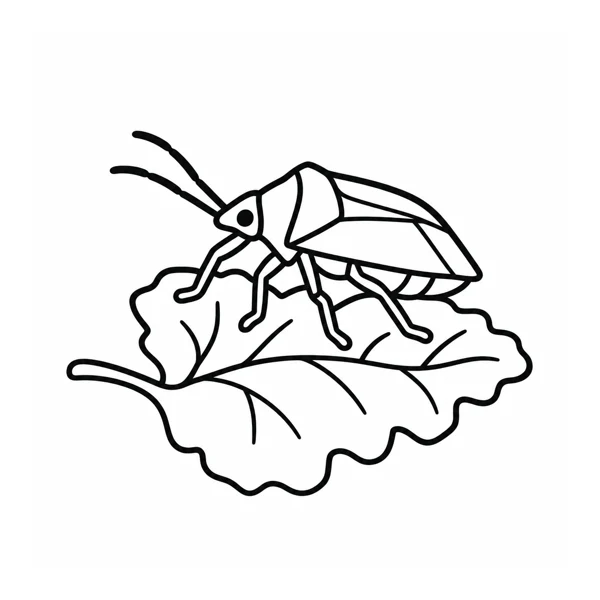
- Squash bugs: Hand-pick adults and egg clusters, and use row cover early on.
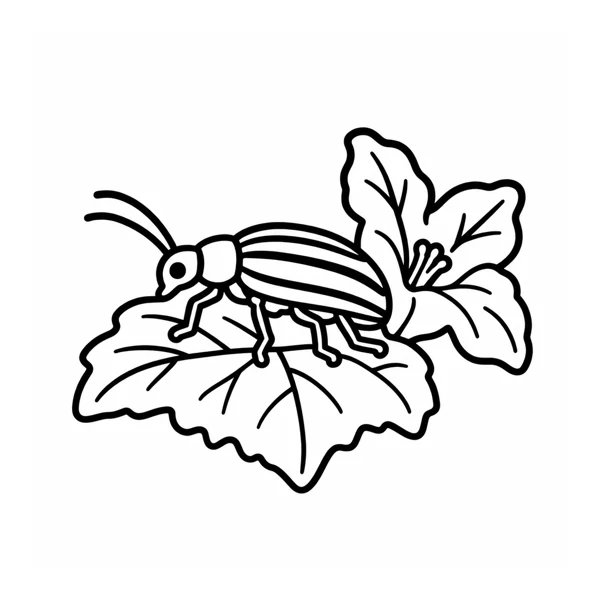
- Cucumber beetles: They spread bacterial wilt. Cover young plants until they flower, and remove infected vines.
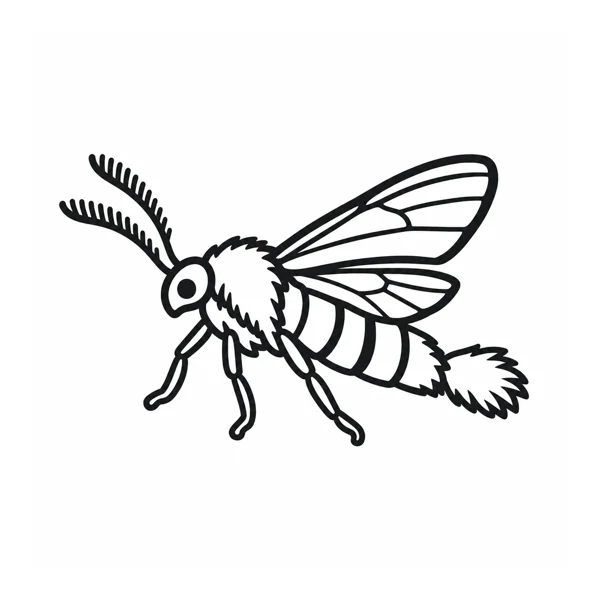
- Squash vine borer: Affects Cucurbita types most. Look for sawdust-like frass at the base of the stem; slit the stem lengthwise to remove the grub, then mound soil over the cut.
- Aphids: Knock them off with a strong spray of water. They can carry mosaic virus.
- Spider mites: Worse in hot, dry weather. Rinse the undersides of leaves and keep plants watered.
Diseases
- Powdery mildew: White dust on leaves in late summer. Give plants room, water at the base, and choose resistant varieties. More in our powdery mildew post.
- Downy mildew: Yellow patches on top of leaves, gray fuzz beneath, in damp weather. Remove badly hit leaves and keep foliage dry.
- Mosaic virus: Mottled, puckered leaves and odd fruit. Pull infected plants and control aphids.
- Bacterial wilt: Vines wilt suddenly and don't recover. Control cucumber beetles and remove wilted vines.
Good neighbors






Good: Corn and pole beans (green beans), a traditional pairing, plus nasturtiums and flowers that draw pollinators, like the ones in our pollinator border.
Avoid: Beds where squash or pumpkins grew last year, since pests and diseases carry over. Also avoid soggy, low spots.
Seeds that grow well in your area in November
Affiliate links — shopping through these helps keep Evening Vines free. Foxglove Mix
 Rocket Larkspur
 Wild Lupine
 Common Milkweed
Varieties worth growing
- Birdhouse gourd (Lagenaria): Classic hard-shell gourd for birdhouses and crafts.
- Dipper gourd (Lagenaria): Long-handled shape for ladles and bowls. Seeds
- Speckled Swan: A curved-neck Lagenaria with mottled skin. Seeds
- Crown of Thorns: An ornamental Cucurbita pepo with knobby, colorful fruit.
- Turk's Turban: Often sold with gourds, though it's a decorative squash (Cucurbita maxima). Seeds
Gourds seeds to buy
Affiliate links — shopping through these helps keep Evening Vines free.Picking notes
Gourds come in from late summer to fall. Ornamental gourds should be picked before your first frost. They're ready when the stem is dry and brown and the rind feels firm when you press it gently with your thumb. Skip the fingernail test: a dent or scratch spoils the look and lets rot in. Cut them with 2 to 3 inches of stem attached.
Hard-shell gourds are tougher. Leave them on the vine until the stem turns brown and dry and the vine starts to die back. Frost doesn't hurt a mature hard-shell gourd, so you can wait. Only green, unripe ones need picking before frost. Cut, don't pull, and keep a piece of stem on. For more on timing, see harvesting winter squash and pumpkins.
Drying them down
Wipe hard-shell gourds with a mild cleaner and let them dry in a warm, airy place for 3 to 6 months, until the seeds rattle. Surface mold is common and wipes off. Ornamental gourds cure in about 1 to 2 weeks in a warm place, then dry for a few more weeks.
Saving seed for next year
Cut a fully cured gourd open and scoop out the seeds. Dry them for 1 to 2 weeks on a screen, then store them cool and dry. Cucurbita pepo gourds cross with other C. pepo, including pumpkins and many summer squash, so seed may not come true. Lagenaria doesn't cross with Cucurbita. Our seed saving post covers drying and storing.
From garden to table
Ornamental gourds aren't for eating. They can contain bitter compounds called cucurbitacins that upset the stomach. Hard-shell gourds are used for crafts, birdhouses, bowls, and instruments. Young bottle gourds are eaten in some cuisines, but if any gourd tastes bitter, spit it out.
Questions from the potting bench
When should I plant gourds? After your last frost, once the soil is at least 70°F. In zone 6 that usually means starting seeds indoors around mid to late April and planting out in late May. Check your zone page for your frost dates.
How do I know when a gourd is ready? The stem turns brown and dry, and the rind feels firm under a gentle thumb press.
Why aren't my bottle gourds setting fruit? Their white flowers open at dusk, so daytime bees can miss them. Hand-pollinate in the evening.
Why is my gourd moldy while drying? Surface mold is normal. Wipe it off and keep drying.
Can I eat ornamental gourds? No. They may be bitter and can cause stomach upset.
Grower reports
How did Gourds do in your garden? Members rate it and say which zone and month they planted, so everyone can see what works near them.
Recent community discussions
No one has talked about Gourds yet. Be the first.
Seeds to try
Affiliate links — shopping through these helps keep Evening Vines free.Essentials for Growing Gourds
 Grow Bags
Breathable fabric pots: grow almost anything on a patio, balcony or driveway, and roots never circle.
See it →
 Trellis Netting
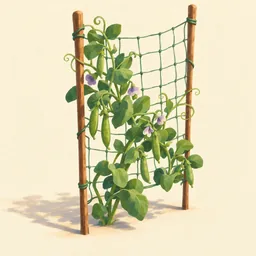
Strong netting for peas, beans, cucumbers and melons to climb: more crop in less space.
See it →
 Soaker Hose
Waters the roots slowly, not the leaves: less disease, less water, less work.
See it →
 Organic Fertilizer
Slow-release organic plant food for vegetable beds and containers.
See it →
 Seed Starting Tray
Reusable tray with a clear dome to give seeds a warm, humid start indoors.
See it →
 Garden Hand Tools
Trowel, transplanter and cultivator: the three tools you reach for most.
See it →
