
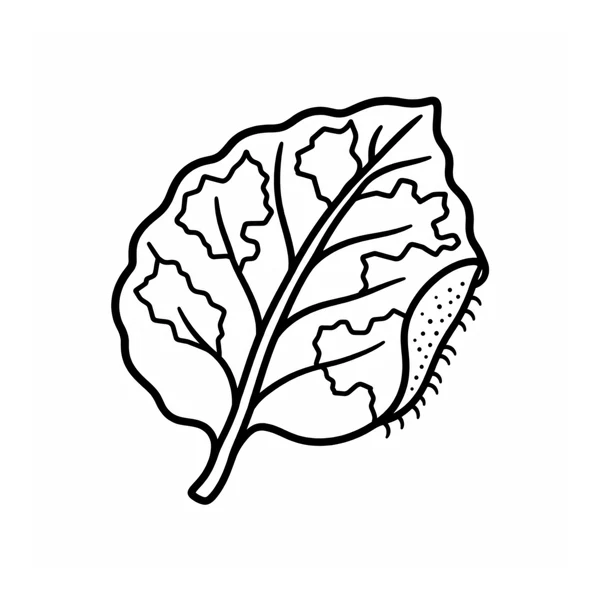
 Downy Mildew
At a glance
| Field note | What we know |
| What it is | An oomycete (a water mold), not a true fungus |
| The culprit | Several related water molds, each tied to its own group of plants: Hyaloperonospora on brassicas (and alyssum, radish, arugula); Peronospora on basil, spinach and onions; Pseudoperonospora on cucumbers and squash; Plasmopara on grapes and sunflowers |
| Weather it loves | Mild, muggy spells when dew, fog or rain keep leaves damp from evening into mid-morning |
| Plants it hits | Brassicas, cucurbits, basil, lettuce, spinach, onions, grapes and many bedding flowers (full list at the bottom of the page) |
Recent community discussions
No one has talked about Downy Mildew yet. Be the first.
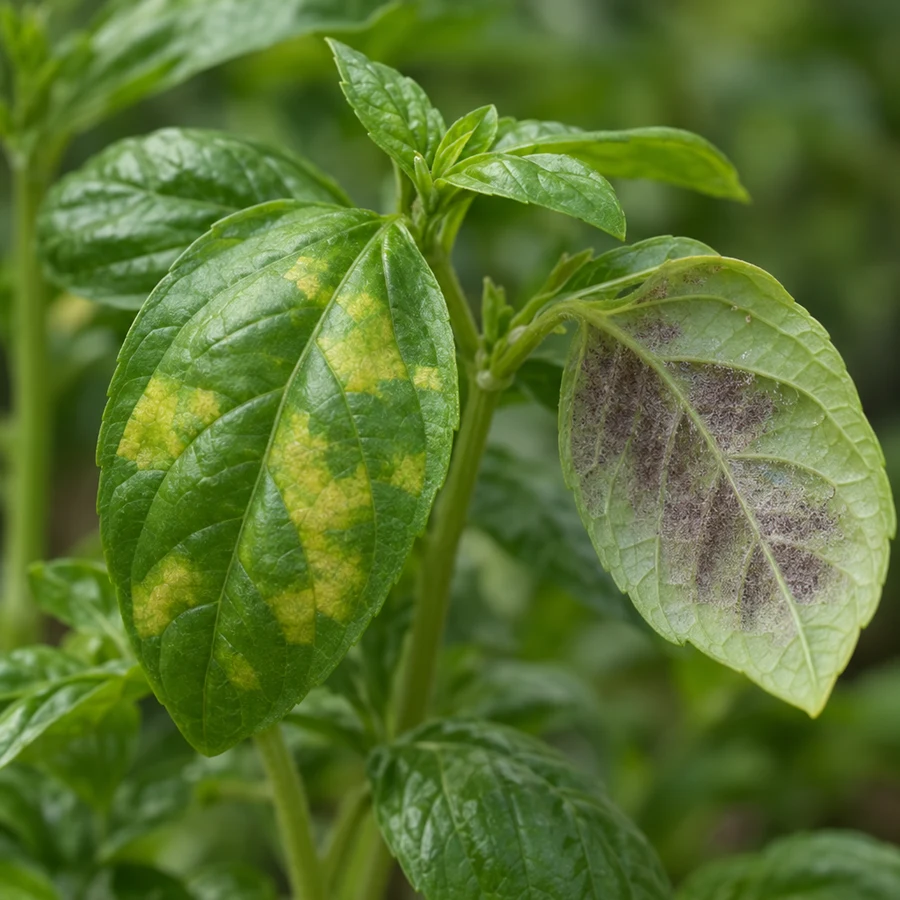
Turn a leaf over on a damp morning walk. If yellow blotches on top have a grey or purple fuzz underneath, you're looking at downy mildew. It goes after basil, cucumbers and squash, the cabbage family, lettuce, onions, grapes and a long list of bedding flowers, and it moves fastest when the weather turns mild and muggy.
Signs
- Yellow or pale patches on the top of the leaf, often angular because the leaf veins box them in. This is easiest to spot on cucumbers and squash.
- Grey, purple or white fuzz on the underside of those same patches. Look early in the day while the air is still humid.
- The patches go brown and papery, then the leaves curl and fall.
Stamped note: downy or powdery? People mix up downy mildew and powdery mildew all the time. Powdery mildew sits on top of the leaf like a dusting of flour and rubs off on your thumb. Downy mildew hides underneath as fuzz, with yellow blotches showing above. More on the other one: Powdery Mildew.
When to Pull the Plant
Pull annuals (basil, lettuce, cucumbers, squash, bedding flowers) once most of their leaves are infected, and bag them so the spores don't travel. Leafy crops can be picked early before they're lost. Perennials and vines (grapes, hops) stay in the ground: prune out the infected growth and rake up fallen leaves.
Cause and Spread
Downy mildews are water molds, not true fungi. Their spores ride the wind and splashing water, and they need a wet leaf to get in. Each type sticks to its own group of plants, so basil downy mildew won't jump to your cucumbers. Cucurbit downy mildew doesn't overwinter in cold areas. It drifts up from warmer regions each summer. Most of the others hang on in old plant debris or come in on seed.
Prevention
- Water the soil, not the leaves, and do it in the morning so the foliage dries fast.
- Space and thin plants so air can move between them.
- Clear away crop debris after harvest and rotate crops. Rotation does less against cucurbit downy mildew, since that one blows in on the wind.
- Sow cucumbers, squash and melons as early as your frost date allows, so most of the picking is done before downy mildew arrives later in summer. Check What to Plant for your ZIP.
- Start with healthy transplants and pick resistant varieties where you can find them (there are downy-mildew-resistant basil, cucumber, broccoli, cabbage and sunflower varieties).
- In a greenhouse or cold frame, open the vents to bring the humidity down.
Organic Treatment
- Pick off infected leaves and bag them as soon as you see them.
- Copper sprays allowed in organic growing can protect healthy leaves if you apply them before trouble starts or at the very first signs. Follow the label. They won't cure a leaf that's already infected.
- Once it has taken hold, downy mildew is very hard to control (Ohio State), so prevention does most of the work.
Plants It Affects
Alyssum, Arugula, Balsam, Basil, Beets, Bok Choi, Broccoli, Brussels Sprouts, Cabbage, Cauliflower, Chives, Collards, Cucumber, Edamame, Endive, Forget-Me-Nots, Gourds, Grapes, Hops, Kale, Lettuce, Mustard Greens, Onions, Poppies, Pumpkins, Radishes, Rutabaga, Salvia, Scabiosa, Snapdragons, Spinach, Strawflower, Summer Squash, Sunflowers, Swiss Chard, Turnip, Watermelon, Winter Squash
Sources
- Ohio State University, Downy mildew of ornamentals fact sheet: https://u.osu.edu/ornamentaldiseasefacts/sample-page/downy-mildew/downy-mildew-basic/
- Clemson HGIC, Cucumber, squash, melon and other cucurbit diseases: https://hgic.clemson.edu/factsheet/cucumber-squash-melon-other-cucurbit-diseases/
- Michigan State University E3276, Diseases and insects in Michigan cucurbits: https://www.canr.msu.edu/uploads/resources/pdfs/diseases_and_insects_in_michigan_cucurbits_and_their_management_(e3276).pdf
- UVM Plant Diagnostic Clinic, Brassica diseases: https://www.uvm.edu/d10-files/documents/2024-11/PDC_BrassicaDiseases.pdf
- NDSU Sunflower disease diagnostic series PP1727: https://www.ag.ndsu.edu/publications/crops/sunflower-disease-diagnostic-series/pp1727.pdf
- UMass Extension, Brassicas: downy mildew: https://www.umass.edu/agriculture-food-environment/vegetable/fact-sheets/brassicas-downy-mildew
- NC State Extension, Downy mildew on brassica crops: https://content.ces.ncsu.edu/publication/downy-mildew-on-brassica-crops
- UMass Extension, Downy mildew of basil: https://www.umass.edu/agriculture-food-environment/greenhouse-floriculture/fact-sheets/downy-mildew-of-basil
- Cornell Vegetables, Cucurbit downy mildew: https://www.vegetables.cornell.edu/crops/cucurbits/downy-mildew
Plants it affects 38
 Alyssum
 Arugula
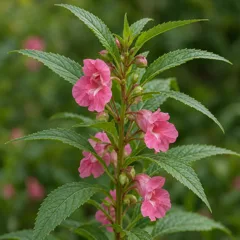 Balsam
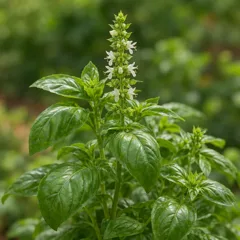 Basil
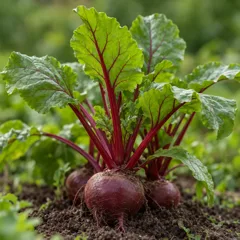 Beets
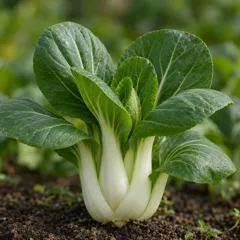 Bok Choi
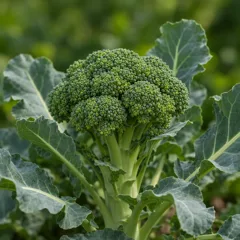 Broccoli
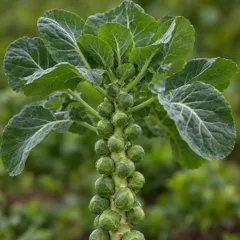 Brussels Sprouts
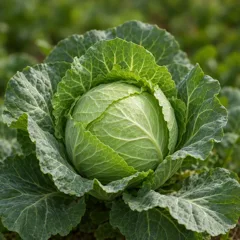 Cabbage
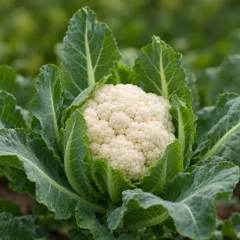 Cauliflower
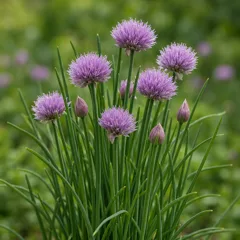 Chives
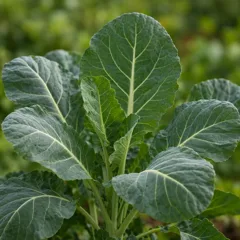 Collards
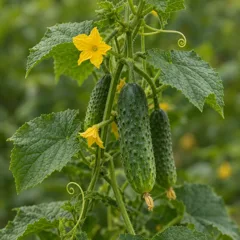 Cucumber
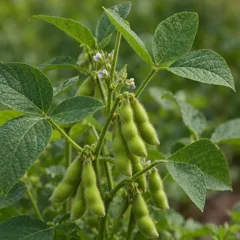 Edamame
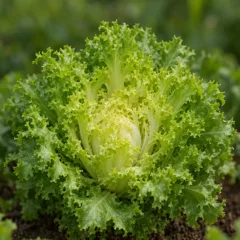 Endive
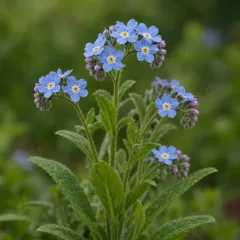 Forget-Me-Nots
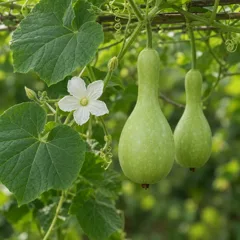 Gourds
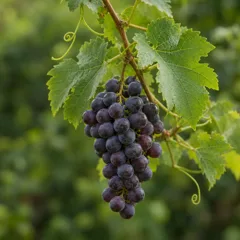 Grapes
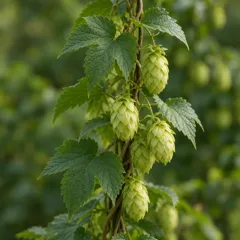 Hops
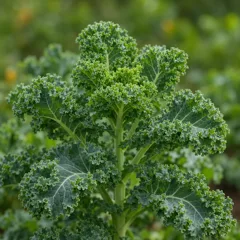 Kale
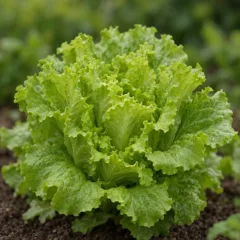 Lettuce
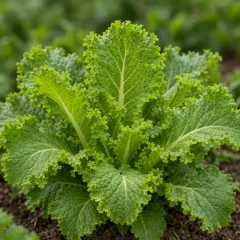 Mustard Greens
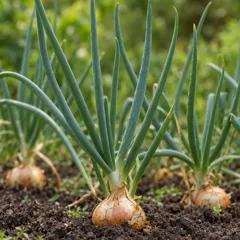 Onions
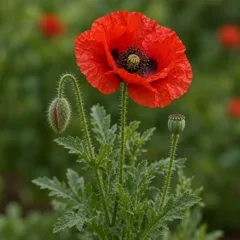 Poppies
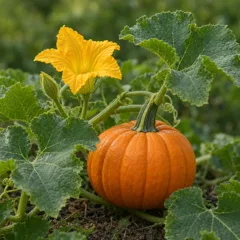 Pumpkins
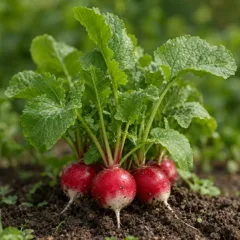 Radishes
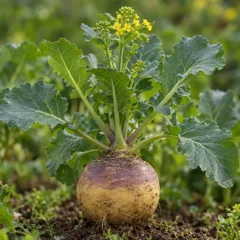 Rutabaga
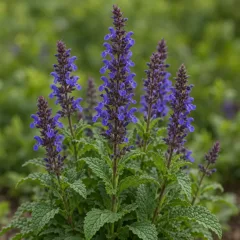 Salvia
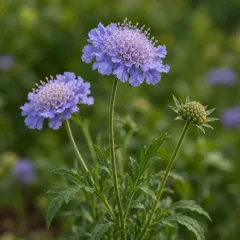 Scabiosa
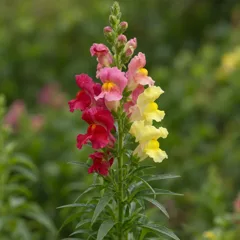 Snapdragons
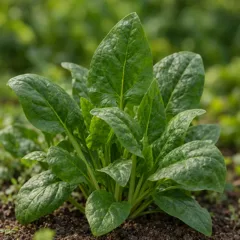 Spinach
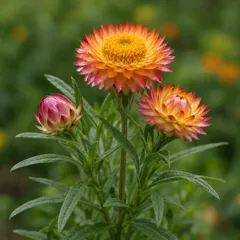 Strawflower
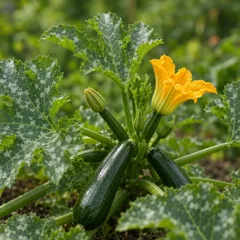 Summer Squash
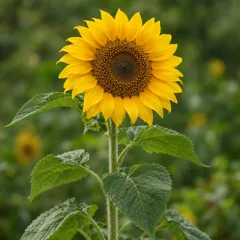 Sunflowers
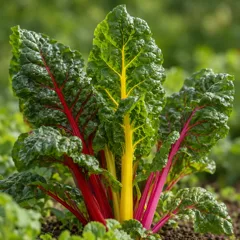 Swiss Chard
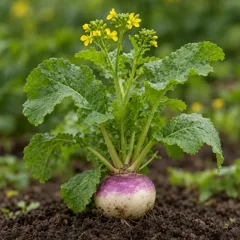 Turnip
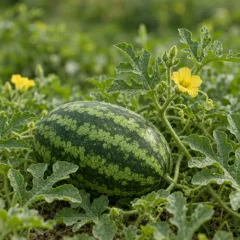 Watermelon
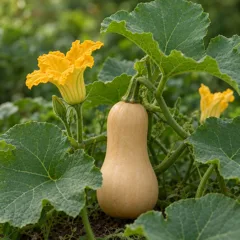 Winter Squash
Recent community discussions
No one has talked about Downy Mildew yet. Be the first.
Products that take care of Downy Mildew
 Copper FungicideOrganic spray that protects leaves from blights, leaf spots and bacterial diseases.See it →
 Biofungicide (Bacillus subtilis)Friendly bacteria that crowd out mildews, gray mold and leaf spots.See it →
 Soaker HoseWaters the roots slowly, not the leaves: less disease, less water, less work.See it →
