
Sunflowers
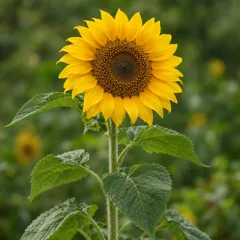
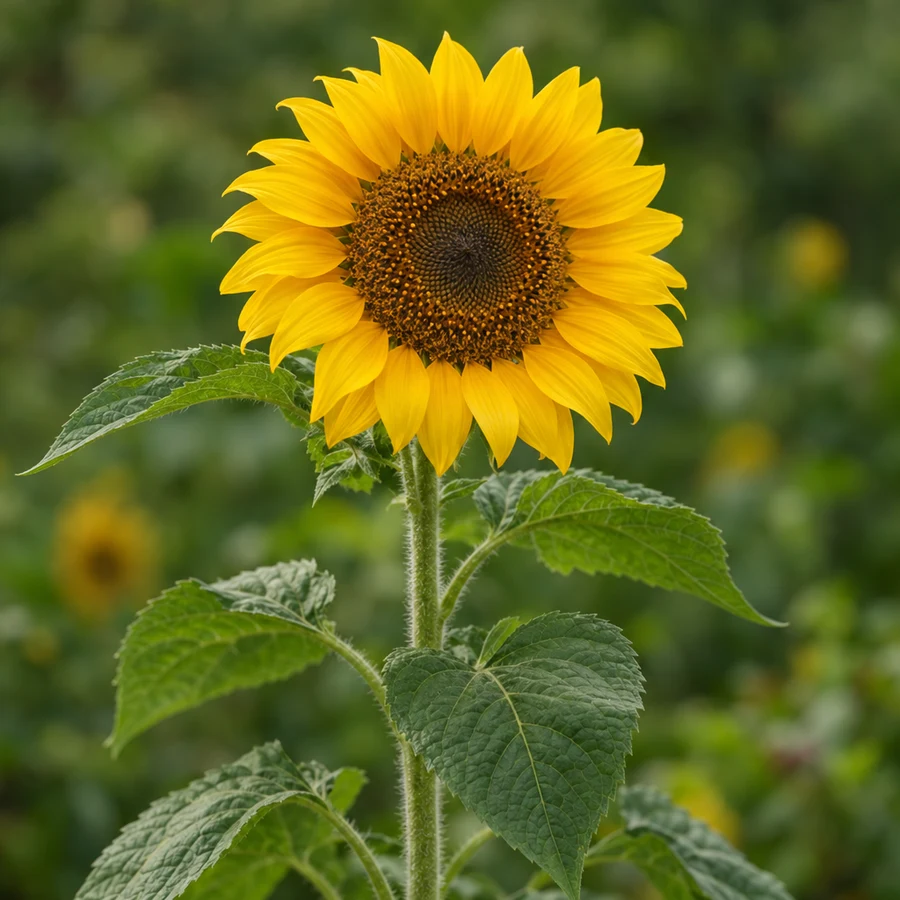
A row of sunflowers is the tallest, loudest thing in a summer garden, and it all starts from a seed you can push into the soil with one finger. Heights run from 2-foot dwarfs that fit a patio pot to giants that tower past 10 feet. The blooms come in yellow, gold, orange, red, and cream, from a few inches across to a foot wide.
Because sunflowers are grown from seed each year, your zone number matters less than the length of your warm season. If you get about 60 to 100 frost-free days (up to 120 for the giants), you can grow them nearly anywhere. They are a joy in kids' gardens, in the cutting bed, and in a pollinator border, and the birds will thank you in fall.
Recent community discussions
No one has talked about Sunflowers yet. Be the first.
At a glance
| Plant type | Flower (edible seeds) |
| Botanical name | Helianthus annuus |
| Annual or perennial | Annual |
| Sun | 6 to 8 or more hours of full sun |
| Water | About 1 inch per week; deep watering |
| Spacing | 6 to 24 inches, depending on the type |
| Planting depth | 1 inch |
| Days to germinate | 7 to 10 days |
| Days to maturity | About 60 to 100 days; giants up to 120 |
| Best USDA zones | 2 to 11 (a summer annual that grows almost anywhere with a warm growing season) |
| Soil pH | 6.0 to 7.5 |
Is it sunflowers weather where you are? See everything to plant this month or read your zone notes.

Direct sow after last frost when soil is 55–60°F (13–16°C). In Zones 8–10, sow in succession every 2–3 weeks until midsummer.

Germinates in 7–10 days; 80–120 days.

Zones 2–11, July?Sept; late plantings Aug?Oct.

Adaptable, but grow best in deep silty loam or clay loam, pH 6.0–7.5. Require good moisture early on.
Pests to watch for



A little history
Sunflowers are native to North America and were cultivated by Indigenous peoples for seed, oil, and dye more than 3,000 years ago. Explorers brought them to Europe, where they became popular, and they later became a major oilseed crop.
When to sow in your zone
Spring: Sow seed directly 1 to 2 weeks after your last frost, once the soil is warm. To find out when to plant sunflowers where you live, look up your last frost date on your zone page and count back from it. For a steady supply of cut flowers, sow a few more every 2 to 3 weeks until midsummer (later in long-season zones).
Fall: Sunflowers are frost-tender and need time to mature, so fall sowing only works in frost-free zones, where a late-summer planting can bloom in fall. Elsewhere, wait for spring.
Growing it, step by step
Sowing day
Put the seed straight into the bed where it will flower, 1 inch deep. Sunflowers send down a long taproot fast, and that root never settles well after a move. Seedlings come up in 7 to 10 days. Thin to the right spacing: 6 inches for dwarf types and up to 18 to 24 inches for giants.
Starting indoors (if you must)
If birds or a short season push you to start inside, use biodegradable pots, start only 2 to 3 weeks early, and plant the whole pot out gently before roots circle.
Water
Water young plants regularly. Established plants have deep roots and ride out dry spells, but give a deep soak about once a week in dry weather, especially when the heads form.
Mulch
A 2 to 3 inch layer of straw or shredded leaves keeps soil cool and moist and holds back weeds.
Feeding
Sunflowers do fine in average soil. Mix in compost at planting. Too much nitrogen gives tall, floppy stalks, so go easy.
Keeping it happy
Stake tall types in windy spots. Protect seedlings from birds, squirrels, and slugs with netting or collars. Cut spent flowers of branching types to encourage more blooms. At the end of the season, pull the stalks or chop them up for compost. Sunflowers release compounds that can slow nearby seedlings, so give them their own spot.
Trouble in the bed
Pests
- Birds and squirrels: Dig up seed, nip young plants, and raid ripening heads. Cover seedlings and slip mesh bags over the heads.
- Slugs: Chew newly sprouted seedlings, mostly in damp spells. Check at dusk and pick them off.
- Cutworms: Cut young stems right at the soil line overnight. A collar of cardboard around each seedling stops them.
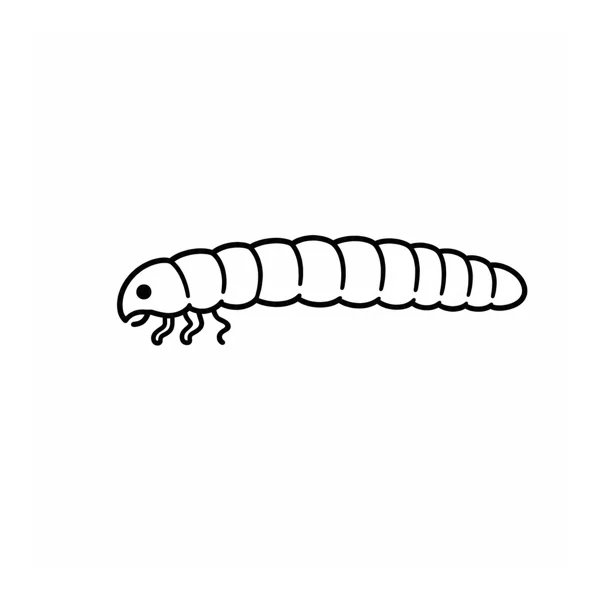
- Wireworms: Hard, shiny, straw-colored larvae of click beetles that bore into seeds and roots. They are worst in beds that were lawn the year before.
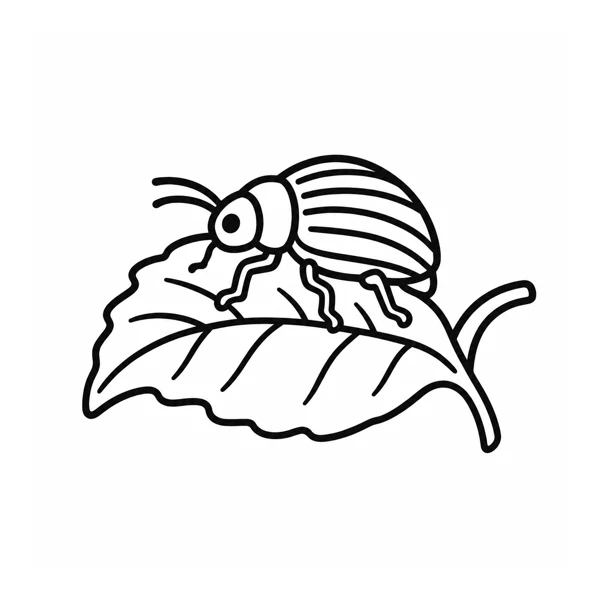
- Sunflower beetles: Striped beetles and their humpbacked larvae chew holes in the leaves in early summer, mostly on the Great Plains. Hand-pick them.
- Aphids: Cluster on stems and buds. Rinse off or use insecticidal soap.
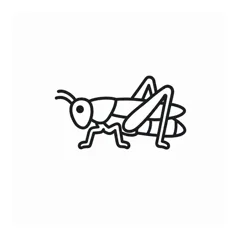
- Grasshoppers: Chew leaves and the backs of heads in late summer, especially in dry years.
- Sunflower moth: Its caterpillars tunnel into the flower heads and seeds. Pick them out as you find them.
Diseases
- Powdery mildew: The one gardeners see most. White, dusty patches spread over the leaves, worst in shade and still air. Give plants room and sun. More in our powdery mildew post.
- Downy mildew: Not a true fungus but a fungus-like water mold that thrives in cool, soggy soil. Seedlings come up stunted and yellow. Sow in well-drained ground and pull affected plants.
- Rust: A fungus that leaves small rusty-orange spots on leaves in damp weather. Space plants, avoid overhead watering, and clear debris in fall.
Good neighbors





Good: Corn, cucumbers, squash, and melons. Sunflowers draw in pollinators and make a sturdy natural trellis for climbing plants. Keep apart: Sunflower roots and fallen leaves give off compounds that can hold back plants nearby, so keep them clear of potatoes and of beds of small seedlings.
Seeds that grow well in your area in November
Affiliate links — shopping through these helps keep Evening Vines free. Johnny Jump Up
 Organic Cat Grass
 Arugula Microgreens
 Organic Alfalfa
Varieties worth growing
- Mammoth (Russian Mammoth): Giant plants with huge heads and big seeds. Seeds
- Autumn Beauty: Branching blooms in gold, bronze, and rust shades. Seeds
- Teddy Bear: Dwarf with fluffy, golden double flowers. Seeds
- Lemon Queen: Pale yellow petals, a favorite for cutting.
- Italian White: Creamy, pale flowers on branching plants.
Sunflowers seeds to buy
Affiliate links — shopping through these helps keep Evening Vines free.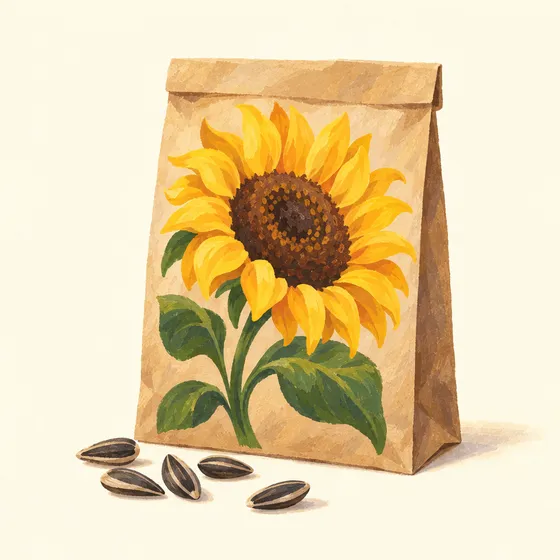 Autumn Beauty
Picking notes
Cut flowers for bouquets in the morning, just as they open. For seeds, wait until the back of the head turns yellow-brown and the petals drop, then cut the head with a foot of stem. Cover heads with mesh before this stage to keep birds off.
Saving seed for next year
Hang cut heads upside down in a dry, airy spot until the seeds loosen, 2 to 3 weeks. Rub them out by hand and dry them for another week. Seed kept for sowing stays good for a few years if it's cool, dry, and sealed in a jar; before sowing older seed, run a quick paper towel test. Hybrid varieties won't come true, and sunflowers cross-pollinate with each other. More tips in saving seeds from your garden and storing leftover seeds.
From garden to table
Sunflower seeds are rich in vitamin E, magnesium, and healthy fats. Eat them raw or roasted, press them for oil, or leave heads out for wild birds. Petals are edible in salads. The ASPCA lists sunflower as non-toxic to dogs and cats (its entry is for the swamp sunflower, Helianthus angustifolius). Salted seeds and the hard shells can still upset a pet's stomach, so keep snack bags out of reach.
Questions from the potting bench
Do sunflowers really follow the sun? Young plants do. Mature flowers mostly face east and stop moving.
Why did my sunflower flop over? Heavy heads, wind, or too much nitrogen. Stake tall types.
Can I grow them in pots? Yes, choose a dwarf variety and use a pot at least 12 inches wide.
Grower reports
How did Sunflowers do in your garden? Members rate it and say which zone and month they planted, so everyone can see what works near them.
Recent community discussions
No one has talked about Sunflowers yet. Be the first.
Seeds to try
Affiliate links — shopping through these helps keep Evening Vines free.Essentials for Growing Sunflowers
 Grow Bags
Breathable fabric pots: grow almost anything on a patio, balcony or driveway, and roots never circle.
See it →
 Plant Stakes
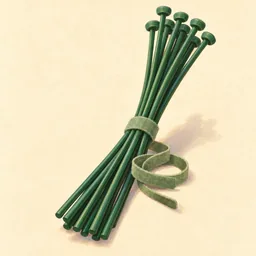
Steel stakes to keep peppers, eggplant and tall flowers from flopping.
See it →
 Seed Starting Tray
Reusable tray with a clear dome to give seeds a warm, humid start indoors.
See it →
 Watering Can
Long-spout can for gentle watering of seedlings and pots.
See it →
 Pruning Shears
Sharp bypass pruners for harvesting, deadheading and tidying.
See it →
 Organic Fertilizer
Slow-release organic plant food for vegetable beds and containers.
See it →
