
Cucumber
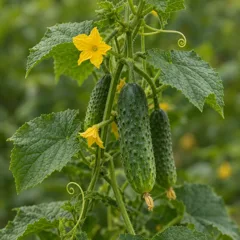
Cucumbers are fast, productive vines for slicing, pickling, and snacking. Grow them up a trellis to save space, keep fruit clean, and make picking easy. Steady water is the secret to crisp, sweet cucumbers.
Recent community discussions
No one has talked about Cucumber yet. Be the first.
At a glance
| Plant type | Warm-season vegetable (vine) |
| Botanical name | Cucumis sativus |
| Annual or perennial | Annual |
| Sun | Full sun |
| Water | About 1 inch per week, more in heat or sandy soil |
| Spacing | 12 inches on a trellis; 36 inches sprawling |
| Planting depth | 1/2 to 1 inch |
| Days to germinate | 3 to 10 |
| Days to maturity | About 50 to 70 |
| Best USDA zones | 4 to 12 as a seasonal crop |
| Soil pH | 6.0 to 7.0 |
From planting to harvest
Is it cucumber weather where you are? See everything to plant this month or read your zone notes.

Sow outdoors 1–2 weeks after last frost when soil is above 65°F (18°C). For cooler zones, start indoors 3–4 weeks before transplanting.

50–70 days.

Zones 4–12, summer harvest, typically 50–70 days after sowing.

Moist, fertile sandy loam, pH 6.0–7.0. Benefits from organic matter and steady watering.
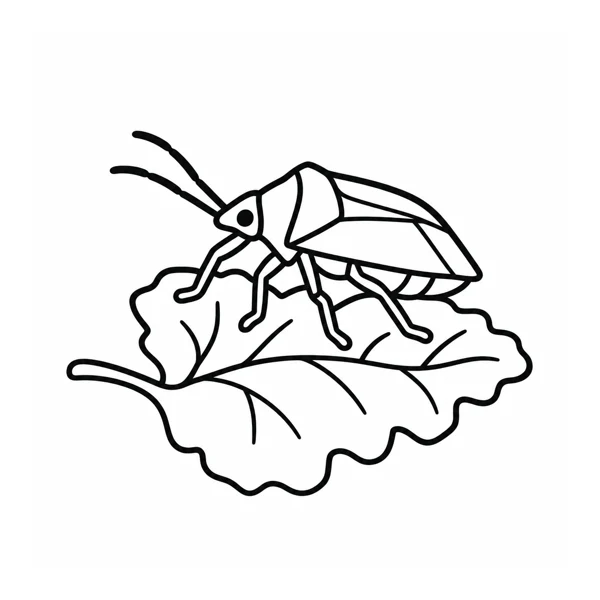
Pests to watch for







A little history
Cucumbers were domesticated in India about 3,000 years ago and spread to the Middle East, Greece, and Rome. Columbus brought them to the Americas.
When to sow in your zone
Spring: Sow outdoors 1 to 2 weeks after the last frost, once the soil is at least 65°F (70°F is better, and seed sulks below 50°F). Or start indoors about 3 weeks before planting out, never more than 4, in pots you can plant whole so the roots aren't disturbed. Our count back from last frost notes help you pick the day.
Summer: Sow a second crop in early summer for a steady supply.
Fall: In zones 7 and 8, sow again from early August into September, so the vines have about 60 frost-free days ahead of them. In zones 9 to 12, late summer into early fall works well.
Your zone: Dates shift a lot from one zone to the next. Look up your frost dates and cucumber window on the zones page, or enter your ZIP on the What to Plant page.
Growing it, step by step
Seeds in the ground
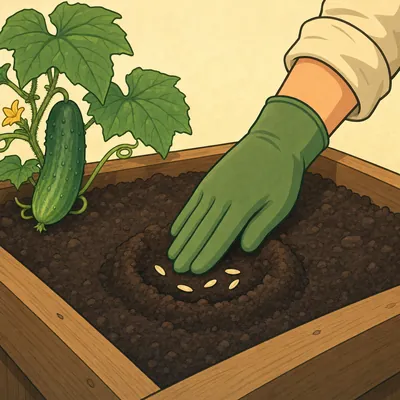
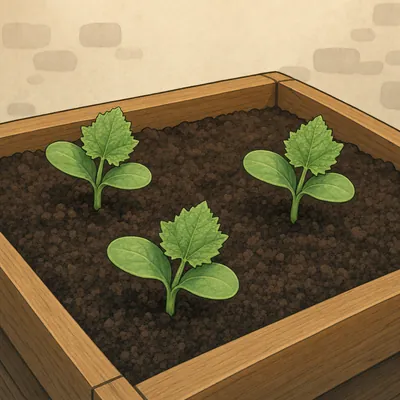
Sow 1/2 to 1 inch deep in warm soil, in groups of 2 to 3, and thin to the strongest.
Moving seedlings out
Harden off for a week, then plant gently without disturbing the roots. More in planting out squash and cucumbers.
Keeping the roots damp
Give about 1 inch of water a week, more in hot spells or sandy soil. Soak the soil at the base of the plant in the morning. Dry spells cause bitter, misshapen fruit.
A blanket of mulch
Mulch well to hold moisture and keep fruit off the soil.
Feeding the vines
Work compost in before planting. Side-dress with a little nitrogen before the vines begin to run, and again when flowering starts. Sandy soil may need an extra feeding after heavy rain.
Keeping it happy
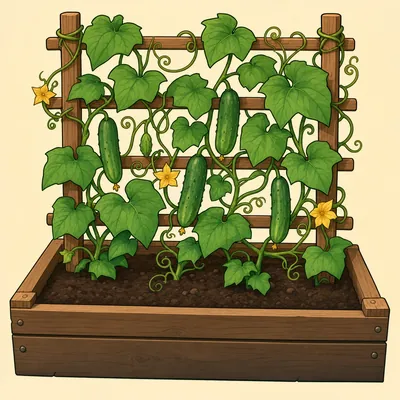
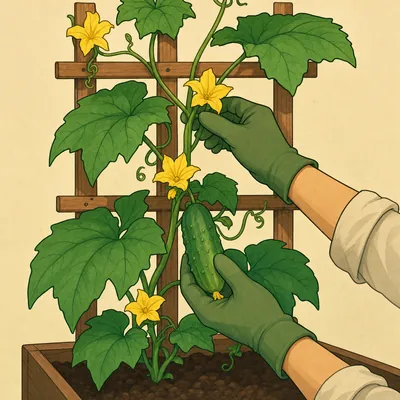
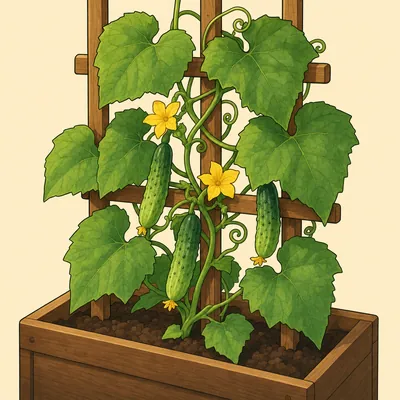
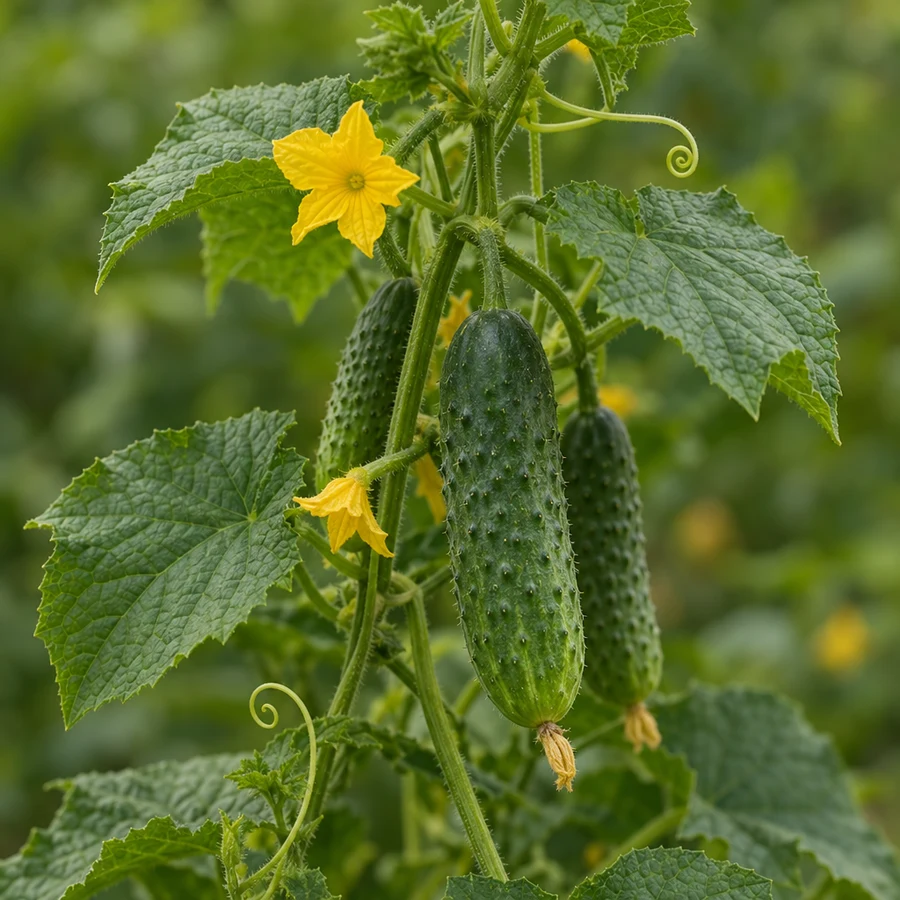
Train vines up a trellis or fence. Pick often; leaving fruit to mature on the vine slows production.
Trouble in the bed
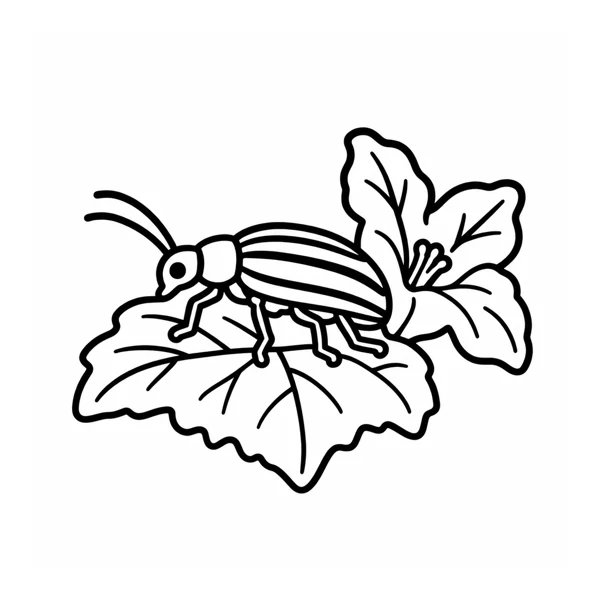
- Cucumber beetles: Use row cover until flowering, and plant resistant varieties.
- Bacterial wilt: Spread by cucumber beetles. Control beetles early.
- Powdery mildew: Choose resistant varieties and give airflow.
- Aphids: Spray off with water.
Good neighbors







Good: Beans, peas, corn, radishes, dill, and nasturtiums.
Rotate: Don't plant cucumbers where squash, melons, pumpkins, or cucumbers grew last year. The whole family shares cucumber beetles, bacterial wilt, and mildews, so moving the bed each year helps. See our crop rotation plan.
Seeds that grow well in your area in November
Affiliate links — shopping through these helps keep Evening Vines free.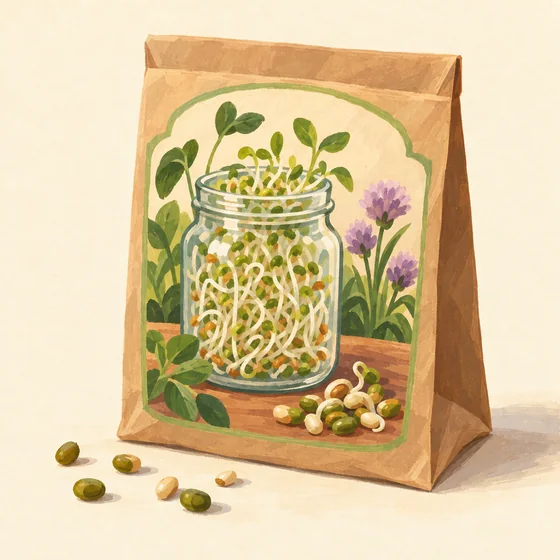 Organic Alfalfa
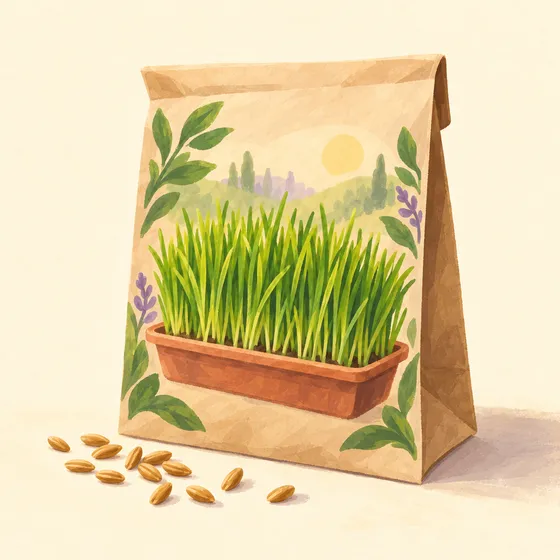 Organic Wheatgrass
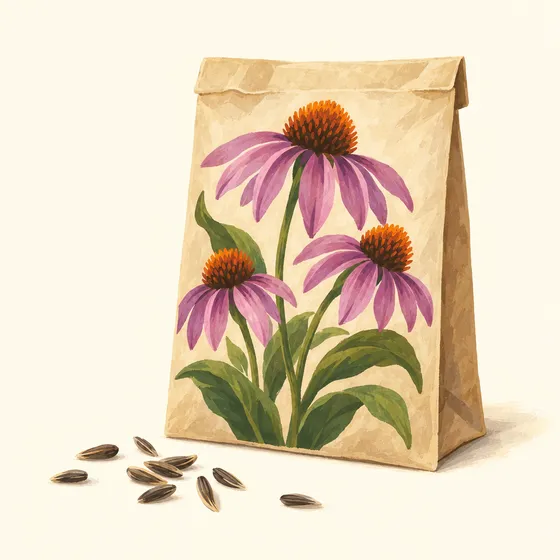 Purple Coneflower
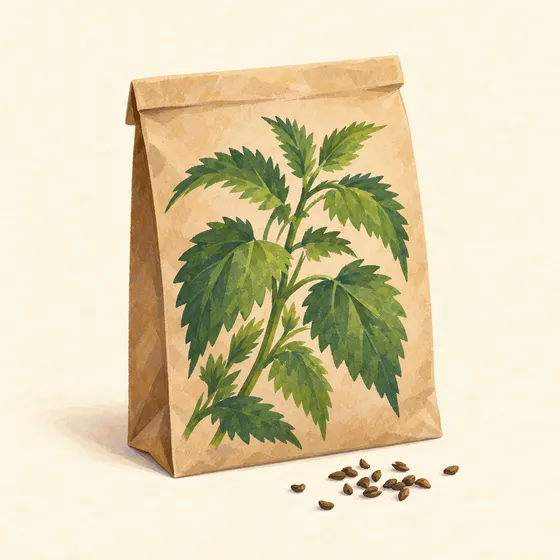 Stinging Nettle
Varieties worth growing
- Marketmore 76: Disease-resistant slicer, open-pollinated. Seeds
- Straight Eight: Classic heirloom slicer. Seeds
- Boston Pickling: Heirloom pickler. Seeds
- Burpless 26: Long, mild, thin-skinned F1 hybrid. Seeds
- Lemon: Round, yellow, mild heirloom. Seeds
- Diva: Seedless, thin-skinned F1 hybrid that sets fruit without pollinators.
- Spacemaster: Compact for containers. Seeds
- Armenian: Long, ribbed, and cucumber-like to eat, but it is really a melon (Cucumis melo), not a true cucumber. It won't cross with your cucumbers, but it can cross with melons. Seeds
Cucumber seeds to buy
Affiliate links — shopping through these helps keep Evening Vines free.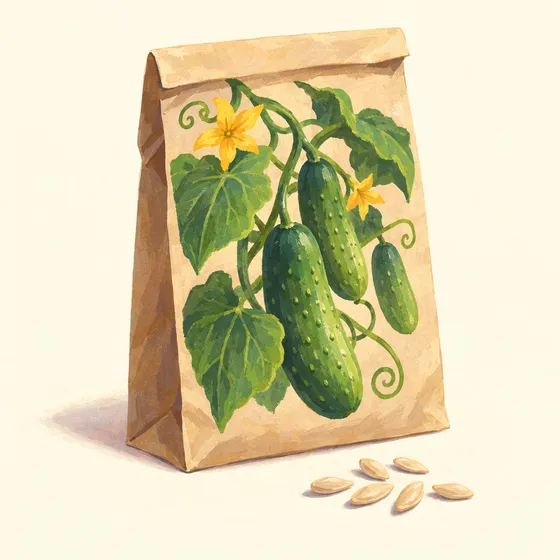 Straight Eight
Picking notes
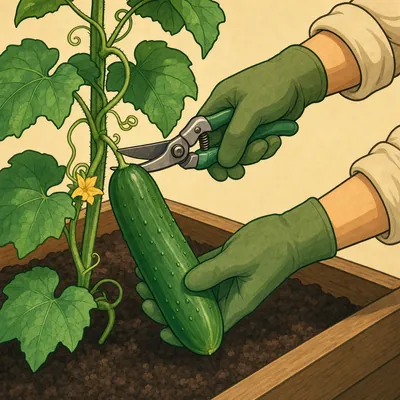
Pick slicers at 6 to 8 inches and picklers at 2 to 4 inches. Cut, don't pull, and pick every day or two at peak season. More tips in pick cucumbers young and often.
Saving seed for next year
Save from open-pollinated varieties only. F1 hybrids such as Diva and Burpless 26 won't come true from seed. Different cucumber varieties cross readily through bees, so grow just one variety that year, or cover a plant with insect netting and hand-pollinate its flowers. Cucumbers don't cross with melons or squash.
Let a fruit ripen on the vine until it turns yellow or orange, then leave it a few weeks more. Scoop the seeds and pulp into a jar with water and let it ferment for 2 to 4 days, stirring now and then. Pour off the floating pulp and empty seeds, rinse, and dry the good seed on a screen until it snaps cleanly. More in saving seeds from your garden.
From garden to table
Cucumbers are hydrating and provide vitamin K. Eat fresh, in salads and tzatziki, or pickle them.
Questions from the potting bench
My cucumbers taste sharp and bitter. What went wrong? Usually stress: hot weather or uneven watering. Keep the soil evenly damp and mulched.
The vine is covered in flowers that drop off. Is something wrong? No. The first flowers are male and simply fall. Females, with a tiny cucumber behind the bloom, come a little later.
No garden bed. Will a pot do? Yes. Grow a bush type such as Spacemaster in a 5-gallon pot and keep it well watered.
Grower reports
How did Cucumber do in your garden? Members rate it and say which zone and month they planted, so everyone can see what works near them.
Recent community discussions
No one has talked about Cucumber yet. Be the first.
Seeds to try
Affiliate links — shopping through these helps keep Evening Vines free.Essentials for Growing Cucumber
 Grow Bags
Breathable fabric pots: grow almost anything on a patio, balcony or driveway, and roots never circle.
See it →
 Trellis Netting
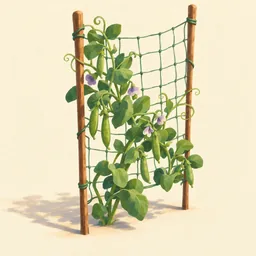
Strong netting for peas, beans, cucumbers and melons to climb: more crop in less space.
See it →
 Soaker Hose
Waters the roots slowly, not the leaves: less disease, less water, less work.
See it →
 Seed Starting Tray
Reusable tray with a clear dome to give seeds a warm, humid start indoors.
See it →
 Organic Fertilizer
Slow-release organic plant food for vegetable beds and containers.
See it →
 Garden Hand Tools
Trowel, transplanter and cultivator: the three tools you reach for most.
See it →
