
Jerusalem Artichoke
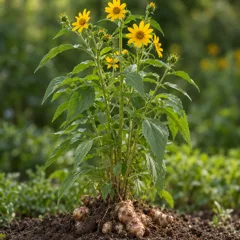
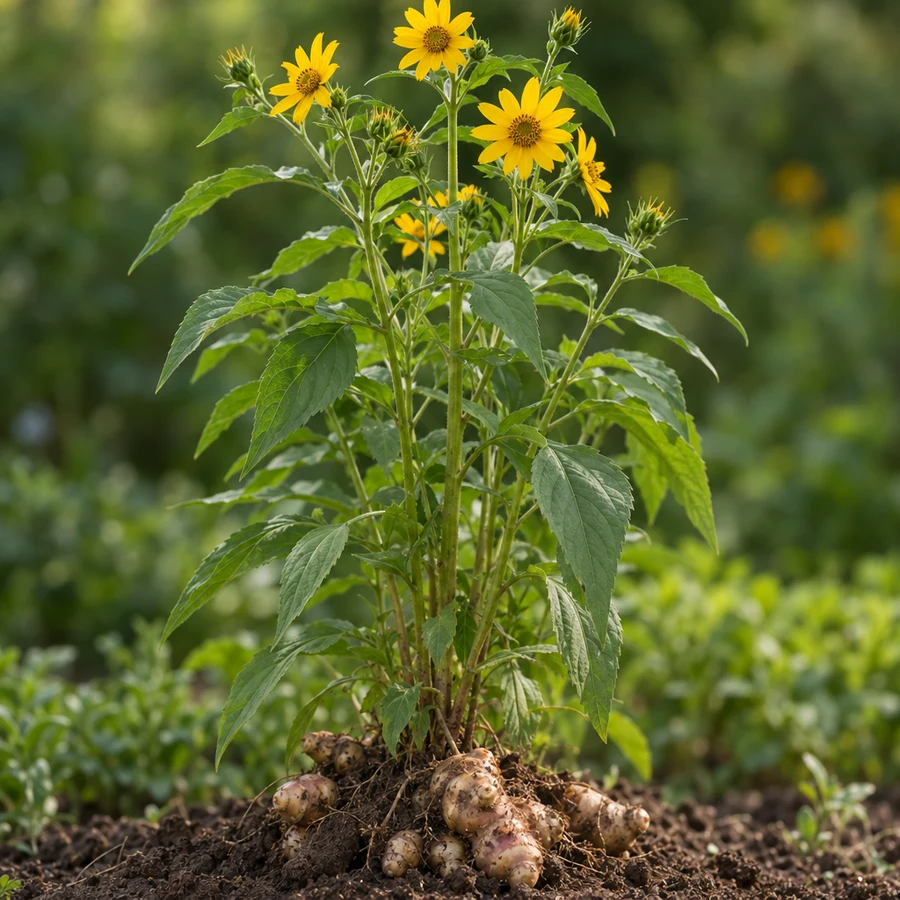
Jerusalem artichoke, also called sunchoke, is a tall perennial sunflower grown for the knobbly tubers under it. It is not an artichoke and has nothing to do with Jerusalem. Plants grow 6 to 10 feet tall and carry small yellow sunflowers in late summer. Below ground, each plant makes a cluster of crisp, nutty tubers, often 10 or more, that you dig from fall through winter.
It is one of the easiest crops there is. It shrugs off cold, poor soil and neglect. The catch is that it spreads. Any small piece of tuber left in the ground grows into a new plant, so give it a bed of its own where it can't take over.
Jerusalem artichoke is hardy across most of the US and southern Canada, and it grows well in the UK, Ireland and the cooler parts of Australia. It crops best where summers are warm rather than scorching, and less well in hot, humid, frost-free places.
Recent community discussions
No one has talked about Jerusalem Artichoke yet. Be the first.
At a glance
| Plant type | Vegetable (tuber) |
| Botanical name | Helianthus tuberosus |
| Annual or perennial | Hardy perennial; tops die back each fall and regrow from tubers in spring |
| Sun | Full sun; tolerates part shade, but yields less |
| Water | About 1 inch per week in summer; dry spells give small, knobbly tubers |
| Spacing | 12 to 24 inches apart, rows about 3 feet apart |
| Planting depth | 4 to 6 inches |
| Days to germinate | Shoots appear in about 10 to 17 days once the soil reaches about 45°F |
| Days to maturity | About 4 to 5 months; dig after the tops die back in fall |
| Best USDA zones | 3 to 9 |
| Soil pH | 6.0 to 8.0; does best near neutral to slightly alkaline |
Is it jerusalem artichoke weather where you are? See everything to plant this month or read your zone notes.

A little history
Jerusalem artichoke is native to central North America. Several Native American peoples ate the tubers long before Europeans arrived. The French explorer Samuel de Champlain took tubers to France in 1605, and by the middle of the century they were a common food and animal feed there. The French call it topinambour.
Nobody is sure where the name "Jerusalem" came from. One common idea is that it is a garbled version of girasole, the Italian word for sunflower. "Artichoke" is usually put down to the flavor, which early eaters compared to artichoke hearts.
When to sow in your zone
Jerusalem artichokes are grown from tubers, not seed.
Early spring (zones 3 to 6): Plant tubers as soon as the soil can be worked, from about 4 weeks before your last frost up to the last frost. Light frost won't hurt them underground.
Milder winters (zones 7 to 9): Plant in late winter or early spring, from about 6 weeks before your last frost up to the last frost. In the UK and Ireland, tubers are sold from late winter to mid-spring and go in then. In southern Australia, late winter to early spring is the time. They are not a good crop for frost-free tropical areas.
If the ground isn't ready: Start tubers in pots outside and plant them out in late spring.
Growing it, step by step
Choosing tubers
Pick firm, smooth tubers about the size of a hen's egg. Big ones can be cut into pieces, as long as each piece has at least one or two buds. Smoother varieties are much easier to clean and peel in the kitchen.
Picking the spot
Choose a sunny spot at the edge of the garden, and think about shade: these plants get very tall. Put them on the north side of the garden so they don't block the sun from shorter crops. Many gardeners use a row as a summer windbreak or screen.
Soil
Jerusalem artichokes grow in almost any soil that drains. Loose, moderately fertile soil gives the biggest and smoothest tubers, and it makes digging easier. Avoid heavy clay that stays wet, where tubers can rot. Work in some compost before planting.
Planting
Set tubers 4 to 6 inches deep and 12 to 24 inches apart, in rows about 3 feet apart. Water them in.
Growing in a pot
A pot at least 18 inches wide and deep holds one or two tubers. This is a good way to keep them from spreading. Water often, since pots dry out fast in summer.
Hilling and staking
When the stems are about 1 foot tall, pull soil up around the base, about 6 inches high. It steadies the plants. In windy spots, tie the row to stakes or a line of twine. Some gardeners cut the stems back to about 5 feet in mid to late summer so they don't blow over. Don't cut them shorter than that.
Keeping it happy
- Watering: Water in summer dry spells. Steady moisture gives bigger, smoother tubers.
- Feeding: Little needed. Compost or mulch in spring is enough. Too much nitrogen gives tall stems and fewer tubers.
- Mulch: Spread a few inches of compost or straw after planting to hold moisture and keep weeds down.
- Fall cleanup: When the leaves turn yellow and brown in fall, cut the stems to about 3 inches. Leave the stumps so you can find the tubers later.
- Keeping it in check: Dig every tuber you can find each year. Mow or pull any shoots that come up outside the bed. A buried barrier or a raised bed with a solid base helps.
Trouble in the bed
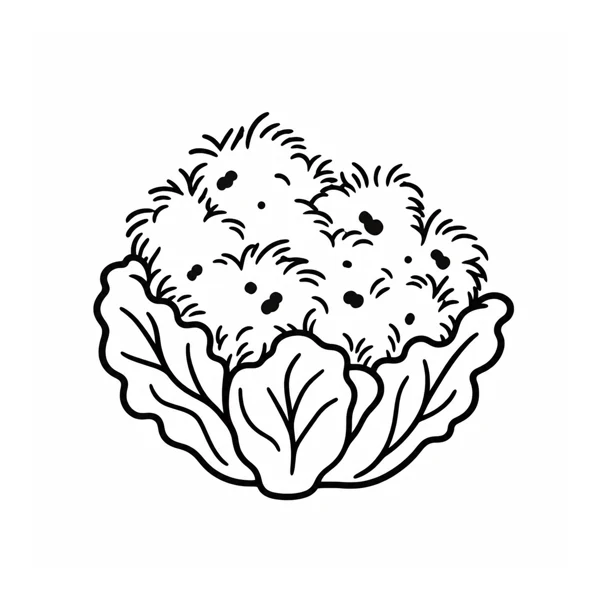
- White mold (sclerotinia): The main disease. It causes wilting, stem rot and rotting tubers. Rotate the bed if it shows up, and don't plant tubers from infected ground. Sunflowers, beans and many other crops also get it.
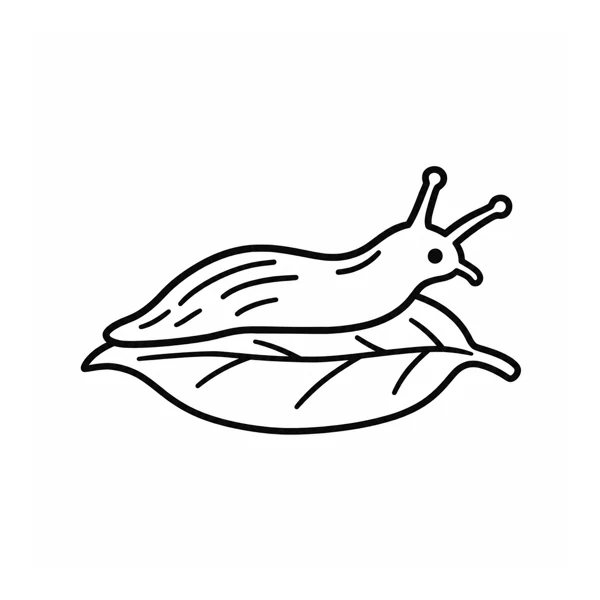
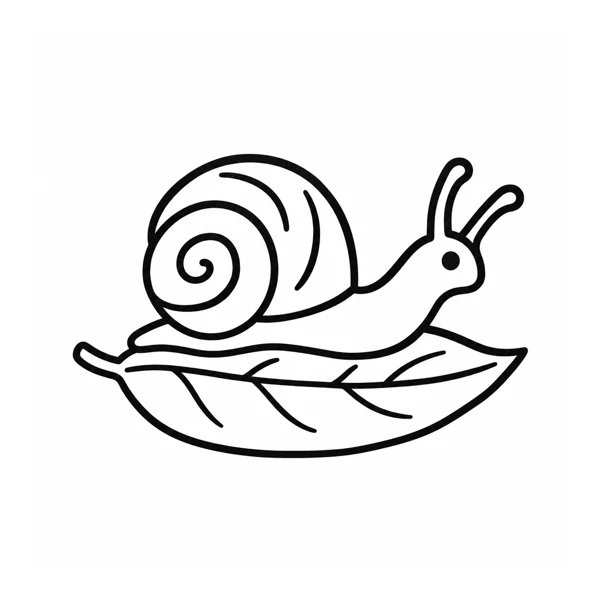
- Slugs and snails: They chew young shoots in spring and can eat tubers left in the ground over winter.
- Rust and powdery mildew: Show up on the leaves late in summer. They look bad but rarely hurt the crop much.
Good neighbors
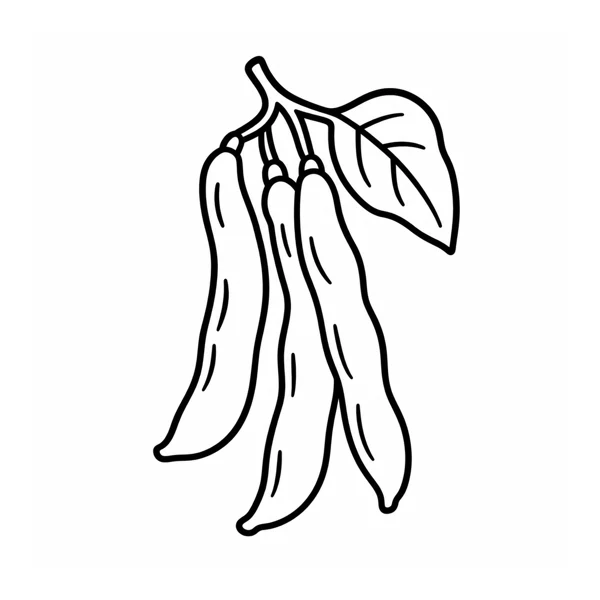
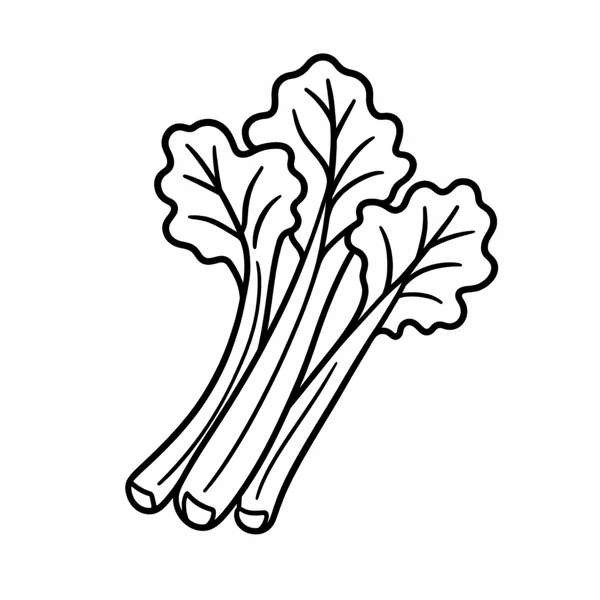
Jerusalem artichokes are tall and greedy, so most crops do poorly in their shade. Grow them in their own bed or on the north edge of the garden. Climbing beans, such as runner beans, can be trained up the sturdy stems. They pair well with other permanent crops that stay in one spot, like rhubarb, as long as each has room. Keep them well away from low crops such as carrots and beets.
Seeds that grow well in your area in November
Affiliate links — shopping through these helps keep Evening Vines free. PhloxSeeds
 Royal Mix
 Johnny Jump Up
 Organic Cat Grass
Varieties worth growing
Varieties are sold as tubers and grow true from them.
- Fuseau: Long, smooth, spindle-shaped tubers that are easy to peel. Grows tall. A favorite in the UK and Ireland.
- Dwarf Sunray: A shorter plant, about 4 to 5 feet, with smooth, pale tubers. Good for windy or exposed gardens and small spaces.
- Stampede: An early variety that makes tubers sooner than most. A good choice for short seasons in the north and Canada.
- Red Fuseau: Like Fuseau, with rosy red skin.
- Mammoth French White: An old, vigorous type with big white tubers.
Jerusalem Artichoke plants to buy
Affiliate links — shopping through these helps keep Evening Vines free.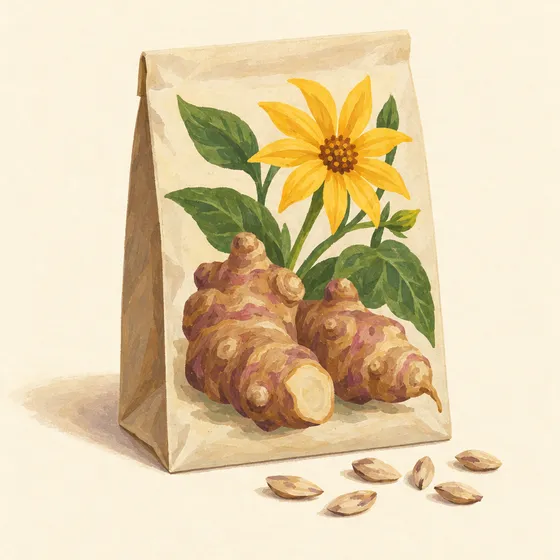 Jerusalem ArtichokePlants
Picking notes
Start digging after the first frost or once the tops have died back. Cold sweetens the tubers. Lift them with a fork, working out from the stem, as they bruise easily. Dig only what you need: the tubers have thin skins and dry out fast once lifted. They keep a week or two in a bag in the fridge.
The ground is the best place to store them. Leave the rest in the soil and dig through winter. In cold zones, cover the bed with a thick layer of straw or leaves before the ground freezes so you can still dig. Finish digging in early spring, before new shoots start.
Saving seed for next year
Save your best tubers to replant. Pick smooth, firm, medium-sized ones and replant them in spring. Plants do make seed, but seedlings vary and are rarely grown on purpose.
From garden to table
The tubers have a crisp, nutty, slightly sweet flavor. Eat them raw and thinly sliced in salads, or roast, fry, mash or make them into soup. You don't need to peel them, just scrub them well.
Instead of starch, Jerusalem artichokes store a carbohydrate called inulin, which our bodies don't digest. That makes them a good fiber source, but it also gives many people gas. Start with a small serving. Long, slow cooking helps.
Questions from the potting bench
Is it an artichoke? No. It is a sunflower that makes edible tubers. The name is a historical accident.
Will it take over my garden? It can. Every piece of tuber left in the soil sprouts. Give it its own bed or a big pot, and dig thoroughly each year.
Why are my tubers small and knobbly? Usually dry soil in summer, crowded plants, or a knobbly variety. Water in dry spells, thin crowded patches and try a smooth type like Fuseau.
Can I grow them in a hot climate? They grow in zones up to 9 but do best where winters get cold. They like summers around 65 to 80°F, so in very hot, frost-free areas they crop less well.
Grower reports
How did Jerusalem Artichoke do in your garden? Members rate it and say which zone and month they planted, so everyone can see what works near them.
Recent community discussions
No one has talked about Jerusalem Artichoke yet. Be the first.
Plants to try
Affiliate links — shopping through these helps keep Evening Vines free.Essentials for Growing Jerusalem Artichoke
 Grow Bags
Breathable fabric pots: grow almost anything on a patio, balcony or driveway, and roots never circle.
See it →
 Seed Starting Tray
Reusable tray with a clear dome to give seeds a warm, humid start indoors.
See it →
 Garden Hand Tools
Trowel, transplanter and cultivator: the three tools you reach for most.
See it →
 Organic Fertilizer
Slow-release organic plant food for vegetable beds and containers.
See it →
 Watering Can
Long-spout can for gentle watering of seedlings and pots.
See it →
 Pruning Shears
Sharp bypass pruners for harvesting, deadheading and tidying.
See it →
