
Celeriac
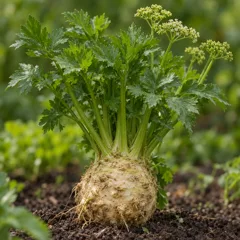
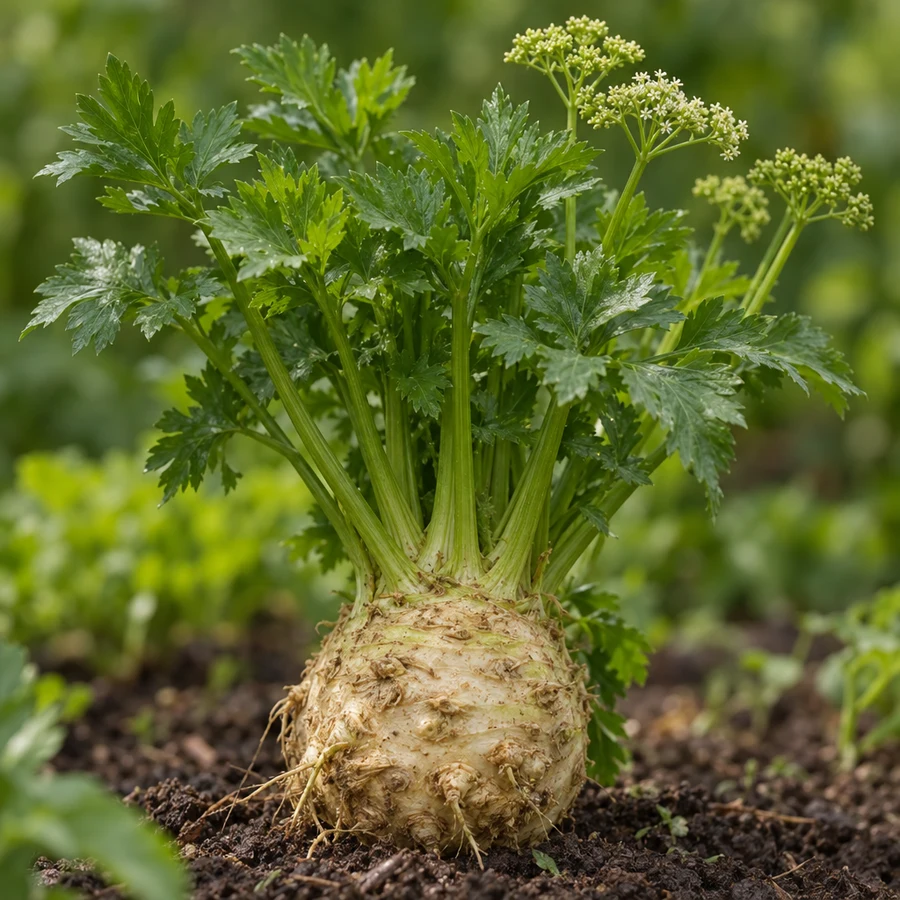
Celeriac is the knobbly cousin of celery. Instead of thick stalks, it grows a round, swollen base about the size of a softball, with a clean celery-and-nut flavor inside. The outside is rough and rooty, and it is not much to look at, but peeled and cooked it is one of the best winter vegetables there is.
It is a slow crop. Seed goes in at the end of winter and the roots are dug in fall, so it needs patience, rich soil and steady water. In return it is easier than celery: no blanching, no stringy stalks, and the roots keep for months.
Celeriac is in the carrot family, with carrots, parsnips and parsley.
Recent community discussions
No one has talked about Celeriac yet. Be the first.
At a glance
| Plant type | Cool-season root vegetable |
| Botanical name | Apium graveolens var. rapaceum |
| Annual or perennial | Biennial, grown as an annual |
| Sun | Full sun; light shade is fine |
| Water | 1 to 1.5 inches per week; never let it dry out |
| Spacing | 12 inches apart, rows 18 inches apart |
| Planting depth | Surface sow, barely covered; set transplants with the crown at soil level |
| Days to germinate | 14 to 21, sometimes longer |
| Days to maturity | About 100 to 120 from transplant (6 months or more from seed) |
| Best USDA zones | 3 to 10 as a seasonal crop; a fall-to-spring crop in zones 9 and 10 |
| Soil pH | 6.0 to 7.0 |
Is it celeriac weather where you are? See everything to plant this month or read your zone notes.
Pests to watch for


Diseases

A little history
Celeriac and celery both come from wild celery, a plant of damp, salty ground around the Mediterranean and along the coasts of Europe. The ancient Greeks knew wild celery as selinon, a name that turns up in Homer, and early peoples used it more as a medicine and a flavoring than as a vegetable. Over many generations, European gardeners kept the plants with the fattest bases, and that slow selection gave us the round-rooted form we grow today. It is still a common vegetable in France, Germany and Central Europe, and it has slowly become easier to find in North America.
When to sow in your zone
Spring (zones 3 to 8): Start seed indoors 8 to 10 weeks before your last frost, so plants are 10 to 12 weeks old at planting time. Set the young plants out once frost is past and nights stay above about 50°F, usually 1 to 3 weeks after the last frost. Celeriac needs every week of the season, so don't start late. Your zone page on the zones page has your frost dates, and counting back from your last frost gives you the sowing day.
Cool and short summers: In places with mild, damp summers, celeriac grows well and is often planted out in late spring and dug from mid-fall through winter. Where the season is short and cold, choose a quicker variety and give young plants a cover of row fabric on chilly nights.
Fall (zones 9 and 10): Hot summers stop celeriac growing well. Here, start seed in late summer, plant out in fall, and dig the roots from late winter into spring.
Growing it, step by step
Starting from seed
The seed is tiny and needs light to sprout. Sow it on the surface of moist seed-starting mix and press it in, or cover it with the thinnest dusting. Keep it around 60 to 70°F and don't let it dry out. Germination is slow and uneven, so be patient. Keep seedlings above 50°F: a week or more of cold can make them flower in their first summer instead of making a root.
Potting on
When seedlings are big enough to handle, move them into their own small pots or cells. Grow them on somewhere bright, and harden them off for a week before planting out.
Planting out
Plant 12 inches apart in rows about 18 inches apart. Keep the crown at the soil surface. Burying it leads to a hairy, rooty base and rot. Water them in well.
Soil and sun
Celeriac wants rich, moisture-holding soil with plenty of compost dug in. It is a heavy feeder and a thirsty plant, so a dry, sandy spot is the hardest place to grow it. Full sun is best, and light shade is fine, especially in warm areas.
Water
Steady water is the key to a big root. Give a good soak about 1 to 1.5 inches a week, more in hot weather. If the soil dries out, the roots stay small and can turn woody or hollow.
Keeping it happy
- Feeding: Work in compost before planting, then give a balanced liquid feed every 3 to 4 weeks through summer.
- Mulch: A layer of compost or straw keeps the soil cool and damp.
- Side shoots and leaves: Pull off side shoots as they appear. From late summer, remove the lowest leaves once they flop flat, so the top of the root is open to the light.
- Weeds: Keep the bed weeded. Celeriac roots are shallow, so hoe gently.
- Cold weather: Plants take light frosts. In fall, tuck straw around them so the soil stays unfrozen and you can keep digging longer.
Trouble in the bed
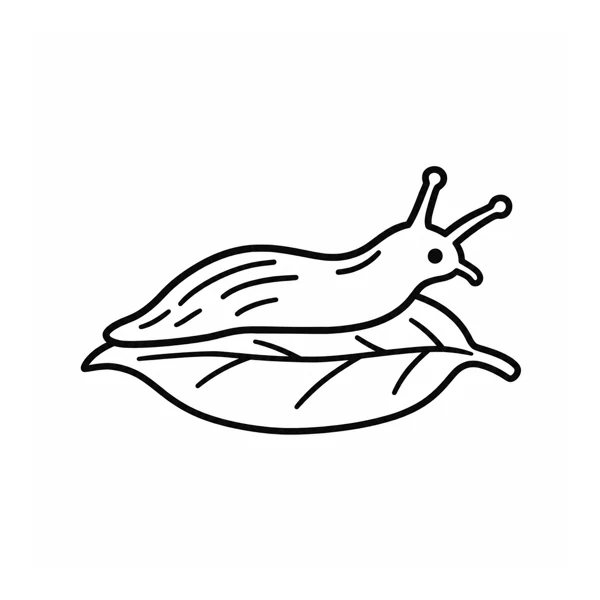
- Slugs and snails: Eat young plants and can tunnel into roots. Hand-pick at dusk or use iron phosphate bait.
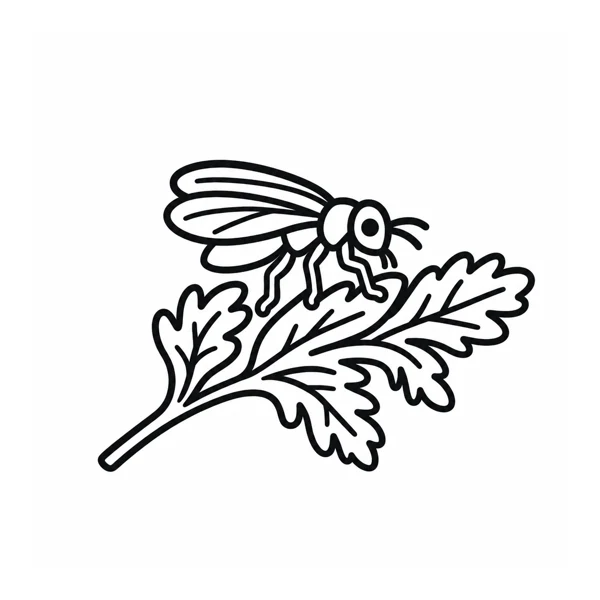
- Celery leaf miner: Small larvae tunnel inside the leaves, leaving pale blotches. Pick off affected leaves and use row cover early in the season.
- Carrot rust fly: Maggots tunnel into the roots of carrot-family plants. Row cover and moving the crop each year help.
- Aphids: Spray off with water or use insecticidal soap.
- Celery leaf spot (Septoria): Small brown spots on the leaves. It can travel on seed, so buy fresh seed from a good source, water at the base, and remove spotted leaves.
Good neighbors

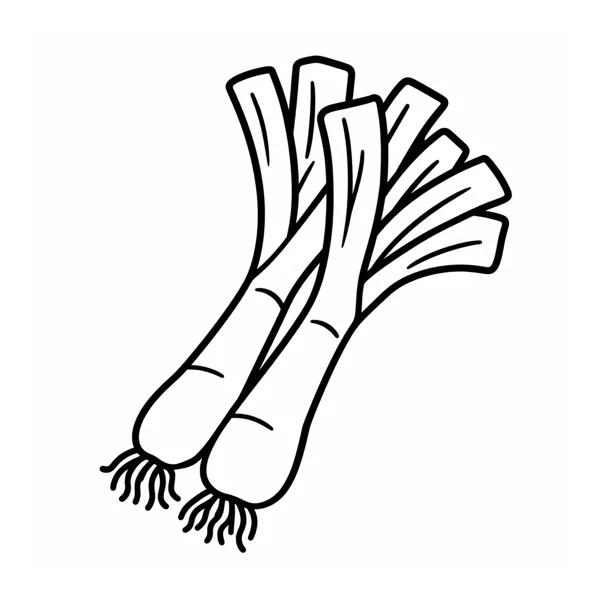

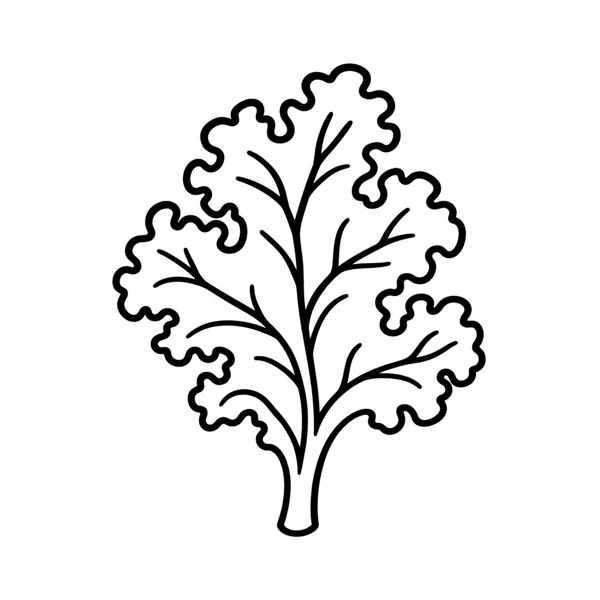



Good: Onions, leeks, cabbage, kale, lettuce, spinach and peas. Quick lettuce and spinach can fill the gaps between young plants and be picked before the celeriac needs the space.
Avoid: Carrots, parsnips, parsley, dill and fennel right next to it. They are all in the same family and share pests like carrot rust fly and leaf miners. Rotate celeriac with celery as one crop.
Seeds that grow well in your area in November
Affiliate links — shopping through these helps keep Evening Vines free. PhloxSeeds
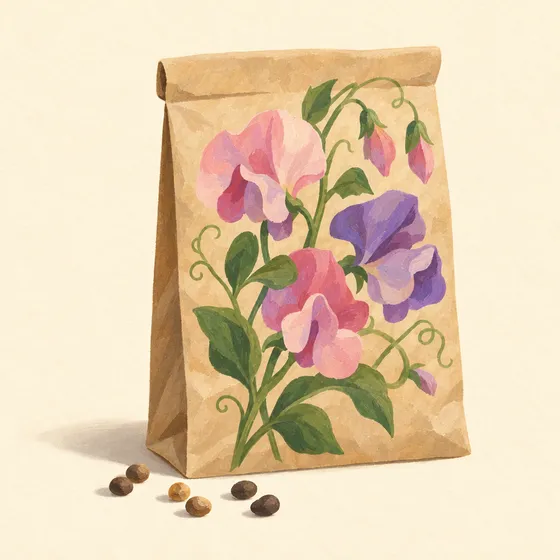 Royal Mix
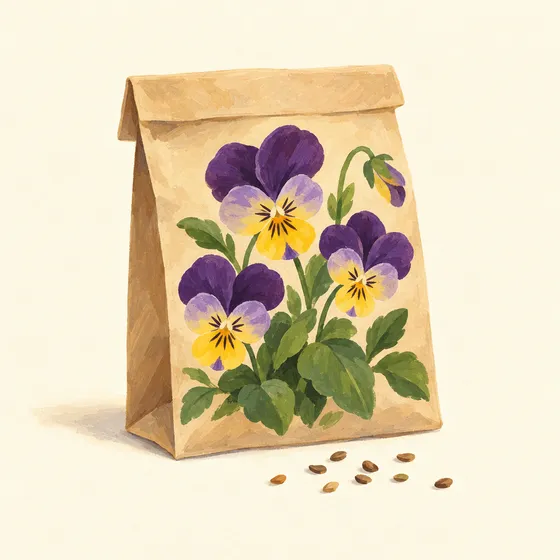 Johnny Jump Up
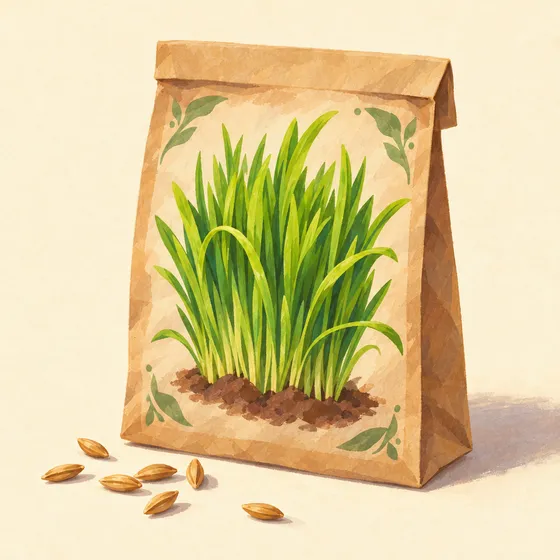 Organic Cat Grass
Varieties worth growing
- Brilliant: Smooth skin and white flesh that stays pale after cutting. Stores well and is widely sold in North America.
- Giant Prague: An old variety with large roots and a fairly smooth skin. Easy to find in the US, UK and Australia, and a good keeper.
- Diamant: Smooth, round roots with clean white flesh.
- Asterix: Smooth, round roots with white flesh. Holds an RHS Award of Garden Merit.
- Prinz: Large roots with crisp white flesh and good resistance to bolting, which helps in cool, changeable summers. Holds an RHS Award of Garden Merit.
- Monarch: Smooth skin and tender flesh with a mild, nutty taste. A favorite in the UK and Ireland, with an RHS Award of Garden Merit.
- Ibis: Smooth-skinned, white-fleshed roots. Holds an RHS Award of Garden Merit.
Picking notes
Start digging when roots are about 3 to 5 inches across, usually from early to mid fall (October onward in the UK and Ireland). A few light frosts improve the flavor. In mild areas the roots can stay in the ground and be dug as needed through winter, with straw on top in cold spells. Where the ground freezes hard, lift them all before that happens. Loosen with a fork, lift, and twist off the leaves. Trim the side roots, and peel off the rough skin before cooking.
To store, keep unwashed roots in damp sand, coir or potting mix somewhere cold but frost-free, or in the fridge in a bag. They keep for several months.
Saving seed for next year
Celeriac flowers in its second year. In mild areas, leave a few good roots in the ground over winter; in cold areas, store them and replant in spring. The flower heads are open-pollinated by insects and will cross with celery, so grow only one type in flower at a time, or keep them well apart. Cut the heads when the seeds turn brown and dry them indoors. Seed stays good for about 3 to 5 years.
From garden to table
Celeriac is low in calories and gives you vitamin K, potassium, phosphorus, vitamin C and some fiber. Grate it raw into salads, as in the French dish céleri rémoulade, or roast, mash, or simmer it in soups and stews. It mashes beautifully with potatoes. The leaves can flavor stocks, though the stalks are tough.
A note on allergies: Celery is a common food allergen, and celeriac counts as celery. Some people also get a skin rash in sunlight after handling a lot of the leaves, so gloves are sensible if your skin is sensitive.
Questions from the potting bench
Why are my roots small? Usually not enough water, not enough food, or too short a season. Start seed on time, keep the soil steadily damp, and feed through summer.
Why did my celeriac flower in the first year? The seedlings got too cold, usually a week or more below about 50°F. Keep young plants warm indoors and wait for settled weather before planting out.
Why is my celeriac hollow in the middle? The roots were left too long, grew too fast after a dry spell, or were stored too long. Steady watering and digging at a good size help.
Can I grow celeriac in a pot? Yes, in a deep pot at least 12 inches wide for one plant, but it dries out fast, so you will need to water often. It does best in the ground.
Grower reports
How did Celeriac do in your garden? Members rate it and say which zone and month they planted, so everyone can see what works near them.
Recent community discussions
No one has talked about Celeriac yet. Be the first.
Essentials for Growing Celeriac
 Grow Bags
Breathable fabric pots: grow almost anything on a patio, balcony or driveway, and roots never circle.
See it →
 Seed Starting Tray
Reusable tray with a clear dome to give seeds a warm, humid start indoors.
See it →
 Garden Hand Tools
Trowel, transplanter and cultivator: the three tools you reach for most.
See it →
 Organic Fertilizer
Slow-release organic plant food for vegetable beds and containers.
See it →
 Watering Can
Long-spout can for gentle watering of seedlings and pots.
See it →
 Pruning Shears
Sharp bypass pruners for harvesting, deadheading and tidying.
See it →
