
Poppies
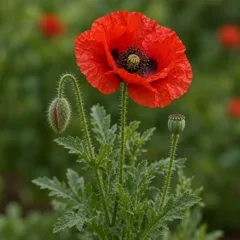
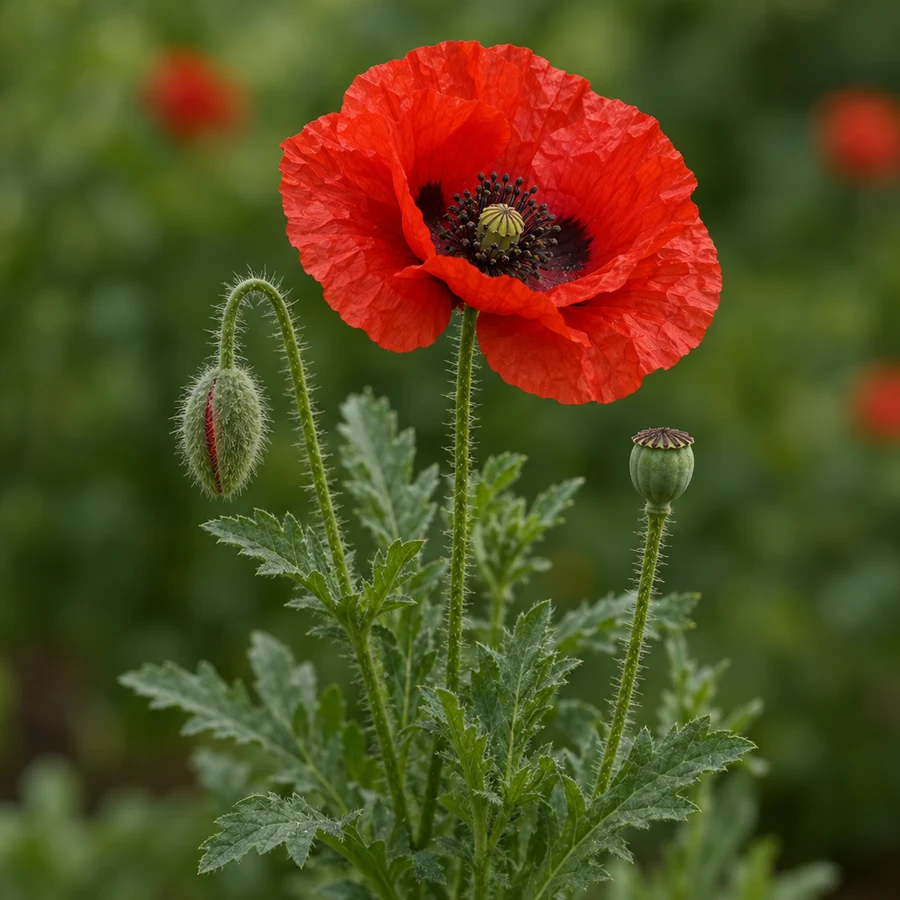
Poppies have delicate, papery flowers in red, pink, white, and orange. Shirley poppies are quick, easy annuals, and Oriental poppies are bold perennials that come back for years. Both like cool weather and good drainage, but they want different soil: Shirley poppies flower best in lean ground, while Oriental poppies prefer soil with a bit more richness to it.
Sow them right where they'll grow, since they hate being moved. Scatter seed over bare soil and thin the seedlings. Shirley poppies often self-sow, so you may get flowers year after year.
Recent community discussions
No one has talked about Poppies yet. Be the first.
At a glance
| Plant type | Flower |
| Botanical name | Papaver rhoeas (Shirley or field poppy); Papaver orientale (Oriental poppy) |
| Annual or perennial | Shirley: hardy annual; Oriental: long-lived perennial |
| Sun | Full sun |
| Water | Low to moderate |
| Spacing | Shirley: 6 to 12 inches; Oriental: 18 to 24 inches |
| Planting depth | Surface (seeds need light) |
| Days to germinate | 7 to 21 |
| Days to maturity | Shirley: 60 to 90 days to bloom; Oriental: blooms in its second season from seed |
| Best USDA zones | Shirley: grown as an annual in about zones 3 to 10; Oriental: zones 3 to 7 |
| Soil | Shirley: lean and well drained; Oriental: moderately fertile, humus-rich and well drained |
| Soil pH | 6.0 to 7.5 |
Is it poppies weather where you are? See everything to plant this month or read your zone notes.

Direct sow outdoors 4–6 weeks before last frost. In warm zones, sow in fall for early spring flowers. Do not transplant well.

Germinates in 10–21 days; blooms in 60–90 days.

Zones 3–9, May?Aug; in warm zones April?July.

Well-drained sandy soils or sandy loam, pH 6.0–7.5. Thrives in poor, lighter soils.
Pests to watch for






A little history
Poppies grow wild across Europe and Asia. The wild red field poppy, also called the corn poppy, has a black blotch at the base of each petal, and it became a symbol of remembrance after the First World War. In the late 1800s, an English vicar, the Rev. William Wilks, picked out field poppies with no black blotch and kept selecting them. Those plants became the Shirley poppies we grow today, named after his parish.
When to sow in your zone
Right now (mid-November): In roughly zones 7 to 10, this is poppy-sowing weather. Scatter Shirley poppy seed on bare soil now and let winter do the work; you'll get flowers in spring. In colder zones, hold the seed until late winter or early spring. Not sure which group you're in? Find your zone and its frost dates on the zone pages.
Spring: Sow outdoors as soon as the soil can be worked, 4 to 6 weeks before the last frost. Poppies also do well in milk-jug winter sowing, since they like a spell of cold before they sprout.
Fall: Sow outdoors in late fall, since poppy seed sprouts best after cold weather. In zones 8 to 10, fall sowing gives winter and spring bloom.
Oriental poppies: Seed works, but you'll wait until the second season for flowers. Many gardeners start with a nursery plant set out in early fall or early spring instead.
Growing it, step by step
Sow it where it stays
Scatter seed on the surface and press it in lightly. Don't cover it, because the seeds need light. Mixing the tiny seed with a little sand makes it easier to spread thinly. Poppies have a long taproot and sulk when moved, so avoid transplanting. If you must, move seedlings very young with the root ball intact.
Water while they sprout, then ease off
Keep the surface damp until seedlings are up, then water only in long dry spells. Established plants need little water, and wet, heavy soil is the quickest way to lose them.
Leave Shirleys lean, give Orientals a little more
Shirley poppies don't need fertilizer; rich soil gives lots of leaves and floppy stems. Oriental poppies are different: work some compost into the bed before planting, and a light top-dressing of compost in spring keeps them happy. Skip mulch on seeded areas, since the seed needs light and bare soil to come up.
Keeping it happy
Thin Shirley seedlings to 6 to 12 inches apart, and give Oriental poppies 18 to 24 inches. Deadhead to extend bloom, or leave some pods for self-sowing. Oriental poppies go dormant in summer heat and their leaves die back, so plant them near perennials that fill the gap. They don't do well south of zone 7. Breadseed or opium poppy (Papaver somniferum) is a different species, and its cultivation is restricted in some places, so check your local rules before growing it.
Trouble in the bed
- Aphids: Rinse off with a strong spray of water or use insecticidal soap.
- Downy mildew: Space plants well and water at the base.
- Powdery mildew: Give plants sun and airflow, and pull badly affected annuals.
- Botrytis (gray mold): Improve airflow and remove spent blooms in damp weather.
- Verticillium wilt: Mainly a problem for Oriental poppies. Remove wilting plants and don't replant poppies in the same spot.
Good neighbors






Good: Cornflowers, larkspur, and other cool-season annuals; peonies and iris for Oriental poppies.
Avoid: Wet, heavy soil and spots shaded by taller plants.
Seeds that grow well in your area in November
Affiliate links — shopping through these helps keep Evening Vines free. Smooth Blue Aster
 Polka Dot Mix
 Black-Eyed SusanSeeds
 ColumbineSeeds
Varieties worth growing
- Wild field poppy (Papaver rhoeas): The red corn poppy of Flanders, with a black blotch at the base of each petal.
- Mother of Pearl: Shirley poppy mix in soft, muted tones.
- Angels' Choir: Shirley poppy mix with double flowers.
- Champagne Bubbles: Iceland poppy (Papaver nudicaule) in warm pastel colors.
- Brilliant: Oriental poppy with bright orange-red blooms.
Picking notes
Cut poppies for the vase when the bud is just starting to open, and sear the cut end in boiling water for about 10 seconds to make them last. Dry seed pods are lovely in dried arrangements.
Saving seed for next year
Let the pods dry on the plant until they rattle. Shake out the seed over a bowl and store it cool and dry. Poppies of the same species cross.
From garden to table
Handle with care. Grow garden poppies for ornament only. All parts of the plant, including the milky sap, are poisonous if eaten. Skin reactions are rare, but gloves are a sensible habit when you cut stems. Only eat poppy seed sold as food. Keep children and pets from nibbling garden poppies.
Questions from the potting bench
When should I sow poppy seeds? In late fall in roughly zones 7 to 10, or as soon as the soil can be worked in early spring in colder zones. Sow on the surface right where you want flowers.
Is it too late to sow poppies in November? Not in mild zones. In zones 7 to 10, November is a good time. In colder zones, wait for late winter or early spring.
Why won't my poppies come up? Seeds need light and cool soil. Sow on the surface in early spring or late fall, and don't bury them.
Why didn't my Oriental poppies flower the first year? Oriental poppies grown from seed usually bloom in their second season.
Are poppy seeds safe to eat? Only seeds sold for food. The sap and other plant parts aren't.
Can I move poppies? Not easily. They don't like root disturbance.
Grower reports
How did Poppies do in your garden? Members rate it and say which zone and month they planted, so everyone can see what works near them.
Recent community discussions
No one has talked about Poppies yet. Be the first.
Essentials for Growing Poppies
 Grow Bags
Breathable fabric pots: grow almost anything on a patio, balcony or driveway, and roots never circle.
See it →
 Pruning Shears
Sharp bypass pruners for harvesting, deadheading and tidying.
See it →
 Seed Starting Tray
Reusable tray with a clear dome to give seeds a warm, humid start indoors.
See it →
 Garden Kneeler
A kneeling pad that flips into a seat: easier on knees and back.
See it →
 Plant Labels
Waterproof markers so you know what's coming up where.
See it →
 Organic Fertilizer
Slow-release organic plant food for vegetable beds and containers.
See it →
