
Peony
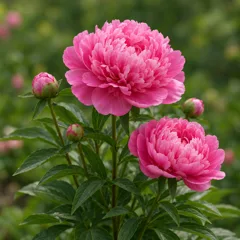
A peony is a plant you set once and enjoy for a lifetime. Clumps 50 years old and more are common in old farm gardens, still flowering every spring. For a week or two in late spring they cover themselves in huge, often fragrant blooms in white, pink, coral and deep red, and the rest of the season the leafy bush makes a tidy green shrub in the border.
Peonies need a real winter. The roots must sit in cold soil for a good spell each year to set flower buds, which is why they thrive across the northern US, Canada, the UK and Ireland, and in the cool, frosty parts of Australia such as Tasmania, the ACT and the southern tablelands. In the warm South and in subtropical climates they often grow leaves but few or no flowers.
There are three kinds. Garden (herbaceous) peonies die to the ground each fall and come back from the roots. Tree peonies are woody shrubs that keep their stems through winter. Itoh peonies are crosses between the two, with tree-peony leaves and flowers on stems that die back like a garden peony.
Recent community discussions
No one has talked about Peony yet. Be the first.
At a glance
| Plant type | Flower (herbaceous perennial; tree peonies are woody shrubs) |
| Botanical name | Paeonia lactiflora and its hybrids (garden peony); Paeonia officinalis (old European peony); Paeonia suffruticosa (tree peony); Paeonia x Itoh hybrids (intersectional) |
| Annual or perennial | Long-lived hardy perennial; herbaceous types die back to the ground each winter |
| Sun | Full sun, at least 6 hours; afternoon shade helps in hot summers |
| Water | About 1 inch per week the first year; established plants handle dry spells but bloom better with water in spring |
| Spacing | 3 to 4 feet apart (tree peonies about 4 to 5 feet) |
| Planting depth | Eyes (buds) 1 to 2 inches below the soil in cold zones; no deeper than 1 inch in zones 7 to 8 |
| Days to germinate | Not usually grown from seed; seed can take a year or more to send up a shoot |
| Days to maturity | 2 to 3 years to good flowering from a 3- to 5-eye root division; 4 years or more from seed |
| Best USDA zones | 3 to 8 (needs a cold winter; zone 8 does best with early, single types) |
| Soil pH | 6.5 to 7.5 (neutral to slightly alkaline) |
Is it peony weather where you are? See everything to plant this month or read your zone notes.
Pests to watch for


Diseases

A little history
Wild peonies grow across Europe, Asia and western North America. In China, peonies were first grown for their roots, which went into traditional medicine, and ornamental garden forms appeared by around the 6th and 7th centuries. Under the Tang dynasty the tree peony became a favorite of the imperial court, and the city of Luoyang has been famous for them ever since. In China the tree peony is still called the king of flowers. In Europe, the old red Paeonia officinalis was grown in monastery and cottage gardens as a medicinal plant from the Middle Ages. The Chinese garden peony reached Europe in the 1700s, and French and English breeders of the 1800s gave us many varieties still sold today. In 1948 the Japanese breeder Toichi Itoh crossed a tree peony with a garden peony, which led to the Itoh hybrids. The peony is Indiana's state flower.
When to sow in your zone
Peonies are planted as roots or potted plants, not seed.
Fall (all zones, best): Plant bare-root divisions in early to mid fall, roughly 4 to 6 weeks before the ground freezes, so the roots grow before winter. In zones 3 to 5 that usually means late August to early October, in zone 6 mid-September through October, and in zones 7 and 8 October into November. In the UK and Ireland, plant bare roots in October and November; in the cool, frosty parts of Australia, in autumn (March to May). Not sure of your date? Count back from your last frost.
Spring: Potted peonies from a garden center can go in once the soil can be worked in spring. They grow fine, but expect them to bloom about a year later than fall-planted roots.
Bloom time: Late spring to early summer, about May to June in most of the US. Early varieties open first, and late ones like Sarah Bernhardt finish the season. In Alaska and other far-north gardens they flower in midsummer.
This month (November): In zones 7 and 8 there's still time to plant bare-root peonies, as long as the soil isn't frozen. In zones 3 to 6 the ground is usually too cold now, so pot up any late-arriving roots and keep them in an unheated garage until spring. Everywhere, cut the old stems to the ground once the leaves have died back and throw them in the trash, not the compost, to get rid of disease spores.
Growing it, step by step
From seed
Possible, but slow. Peony seed has a double dormancy: it usually needs a warm spell to make a root, then a cold winter before a shoot appears. Sow fresh seed outdoors in late summer or fall and expect to wait 4 years or more for flowers. Seedlings won't match the parent, so named varieties are always grown from divisions.
Picking the Spot
Choose a sunny place with deep, rich, well-drained soil and room to grow for many years, since peonies dislike being moved. Keep them away from the roots of trees and big shrubs, which steal water and food. A spot sheltered from strong wind helps keep the heavy flowers upright.
Planting
Dig a wide hole about 12 to 18 inches deep and mix in compost. Set the root so the pink or red eyes face up and sit 1 to 2 inches below the soil in cold zones, and no more than 1 inch deep in zones 7 to 8. Planting too deep is the most common reason peonies don't flower. Firm the soil and water well. Choose divisions with 3 to 5 eyes; smaller ones take longer to bloom. Tree peonies are usually sold grafted; follow the grower's label for depth, and plant them in a spot with light afternoon shade.
Water
Water deeply the first year whenever the soil is dry an inch down. Established clumps are fairly drought tolerant, but a good soak during spring growth gives bigger flowers. Avoid soggy soil, which rots the roots, and water at the base rather than over the leaves.
Mulch
Mulch lightly around the plant in summer to keep the roots cool, but keep mulch off the crown. In the coldest zones, a loose layer of pine needles or shredded bark over new plants their first winter helps; pull it back in spring.
Feeding
Peonies need little. Work compost in at planting, then top-dress with compost or a light handful of low-nitrogen fertilizer in spring if your soil is poor. Too much nitrogen gives big leafy plants with few flowers.
Keeping it happy
Put peony rings or grow-through supports in place in early spring, before the shoots get tall. Double varieties often flop after rain without them (staking tips). Snip off faded flowers, but leave the leaves standing all summer, since they feed the roots for next year's blooms (deadheading).
In fall, cut garden and Itoh peonies to the ground once the foliage dies back and throw the debris away. Tree peonies are not cut back; just remove any dead wood in spring.
Peonies can stay put for decades. If an old clump gets crowded and flowers less, dig and divide it in early fall, cutting it into pieces with 3 to 5 eyes and a good chunk of root each. Replant at the right depth.
Ants on the buds are normal. They feed on a sugary nectar the buds give off and do no harm, and peonies open fine without them.
Trouble in the bed
- Botrytis blight: The most common problem. Young shoots wilt and blacken, and buds turn brown and never open, often after a cool, wet spring. Cut off affected parts, give plants room for air, and clear all stems away in fall.
- Leaf blotch (measles): Purple-brown spots on the leaves in summer. Mostly cosmetic. Clean up the foliage in fall.
- Powdery mildew: White dust on the leaves in late summer. Unsightly but rarely serious; better airflow helps.
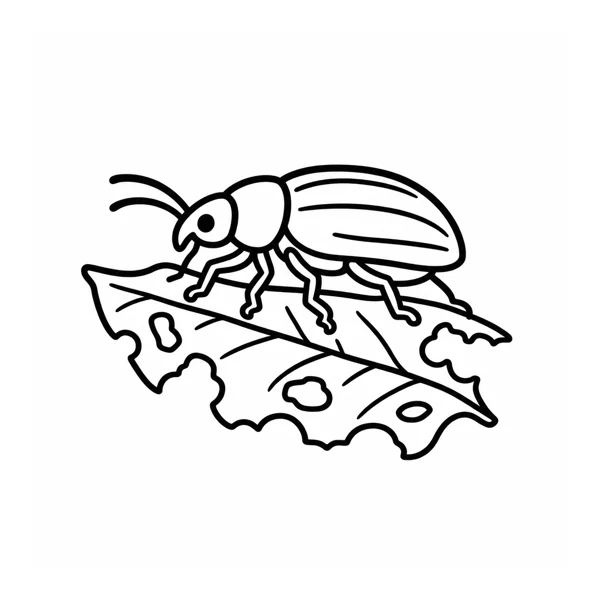
- Japanese beetles and scale: Occasional insect pests. Hand-pick beetles into soapy water; prune out scale-crusted stems on tree peonies.
- Thrips: Tiny insects that streak and spoil the petals, mostly on light-colored flowers.
- Nematodes: Root-knot nematodes, mostly in sandy soils, cause stunted, weak plants. Dig out badly affected plants and don't replant peonies in the same spot.
- Phytophthora and root rot: Plants collapse in heavy, wet soil. Good drainage is the cure.
Good neighbors
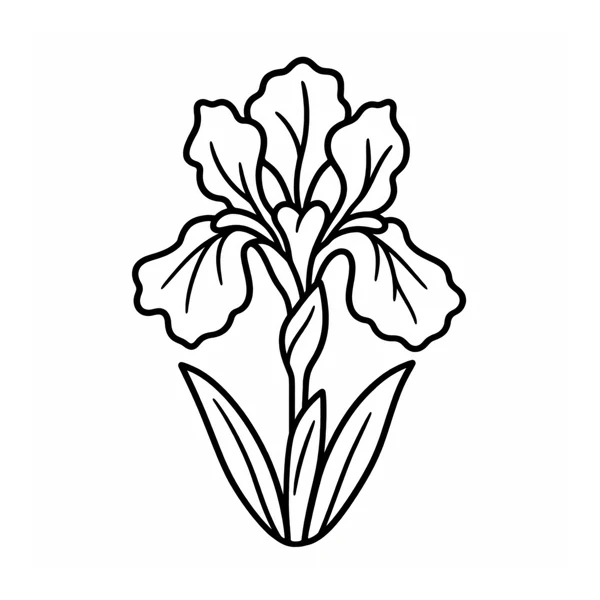

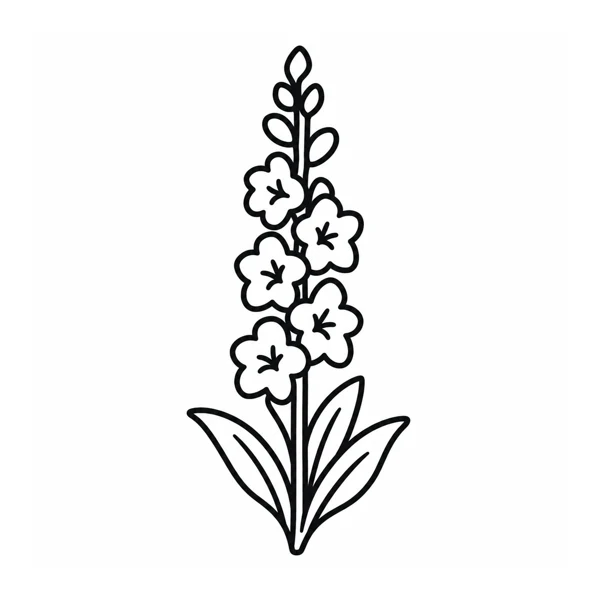
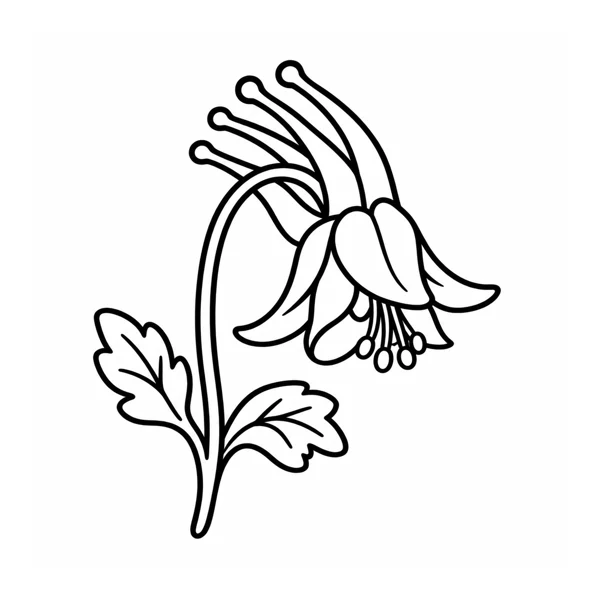
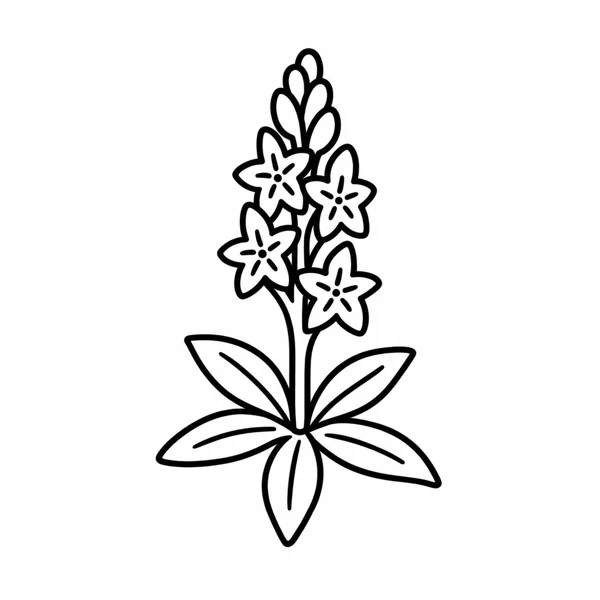
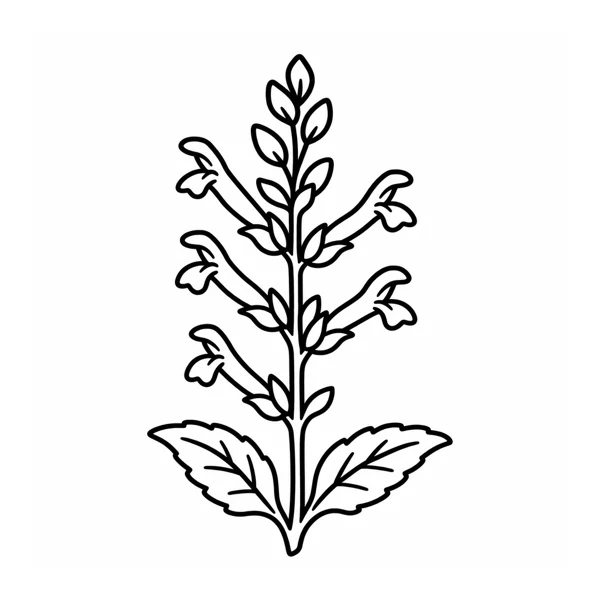

Good: Iris, roses, delphiniums, columbine, lupine, salvia and lavender. They like the same sun and drainage and flower around the same time. Late-flowering perennials like phlox take over the color once the peonies finish.
Avoid: Big trees and shrubs whose roots compete, and crowding plants right against the crown. Peonies need air around them to stay free of botrytis.
Seeds that grow well in your area in November
Affiliate links — shopping through these helps keep Evening Vines free. Purple Coneflower
 Stinging Nettle
 Smooth Blue Aster
 Polka Dot Mix
Varieties worth growing
These are all grown from divisions or grafted plants, not seed.
Very hardy, for cold zones and short seasons (zones 3 to 8):
- Festiva Maxima: A white double with crimson flecks and a strong scent, from 1851 and still one of the best. Midseason.
- Sarah Bernhardt: The classic soft-pink, fragrant double. A late bloomer, so it extends the season. Plants
- Karl Rosenfield: Deep red double, reliable and widely sold.
- Duchesse de Nemours: A fragrant white double with a creamy center, an old French variety.
For cool maritime summers (UK and Ireland):
- Bowl of Beauty: A Japanese-type flower with pink outer petals around a creamy center. Holds up well in rain.
- Paeonia officinalis Rubra Plena: The old cottage-garden red double, blooming early, before most garden peonies.
For warmer zones (7 to 8, southern US and milder parts of Australia): Early, single, Japanese and semi-double types do best, because they open before the heat.
- Coral Charm: Early, semi-double, coral-peach fading to apricot. A favorite cut flower.
- Kansas: A rich red double and an American Peony Society Gold Medal winner.
- Miss America: Early, semi-double white with gold stamens.
Itoh and tree peonies:
- Bartzella: An Itoh peony with large lemon-yellow double flowers on a sturdy bush that rarely needs staking.
Peony plants to buy
Affiliate links — shopping through these helps keep Evening Vines free. Sarah Bernhardt
Picking notes
For cut flowers, pick in the morning at the "marshmallow" stage: the bud shows color and feels soft, like a marshmallow, when you squeeze it gently. Shake off any ants outside. Leave plenty of leafy stems on the plant, and don't cut more than about a third of the stems from young plants. Buds cut at this stage can be wrapped and kept dry in the fridge for a week or more, then opened in water.
Saving seed for next year
Single and semi-double peonies may set seed pods in late summer. Gather the seed fresh as the pods split and sow it straight away outdoors. Seedlings will be new, unpredictable plants. To keep a named variety, divide the clump instead.
From garden to table
Grown for garden display and cut flowers; peonies are a top florist flower. The roots are used in traditional Chinese medicine, but peonies are not a food plant, so don't eat any part. The ASPCA lists peonies as toxic to dogs, cats and horses because of a compound called paeonol, which can cause vomiting, diarrhea and depression (low energy). Keep pets from chewing the plants.
Questions from the potting bench
Why won't my peony bloom? The usual causes are eyes planted more than 2 inches deep, a plant too young or recently moved, too much shade, too much nitrogen, or competition from tree roots. In warm zones, too little winter cold is often the reason.
Do I need ants to open the buds? No. That's a myth. Ants come for the nectar on the buds and leave when the flowers open. They do no harm.
Can I grow peonies in the South or in warm parts of Australia? In zone 8 and cooler, yes, with care. Choose early-blooming single, Japanese or semi-double varieties, plant the eyes just an inch deep, and give them afternoon shade. In zone 9 and warmer, or in subtropical areas, most peonies won't get enough cold to flower.
Can I move a peony? Yes, in early fall. Dig wide to save the roots, divide it if it's large, and replant at the same shallow depth. It may skip a year of flowers while it settles.
How long do peonies live? Garden peonies can flower for 50 years or more in the same spot if left undisturbed.
Grower reports
How did Peony do in your garden? Members rate it and say which zone and month they planted, so everyone can see what works near them.
Recent community discussions
No one has talked about Peony yet. Be the first.
Plants to try
Affiliate links — shopping through these helps keep Evening Vines free.Essentials for Growing Peony
 Grow Bags
Breathable fabric pots: grow almost anything on a patio, balcony or driveway, and roots never circle.
See it →
 Pruning Shears
Sharp bypass pruners for harvesting, deadheading and tidying.
See it →
 Seed Starting Tray
Reusable tray with a clear dome to give seeds a warm, humid start indoors.
See it →
 Garden Kneeler
A kneeling pad that flips into a seat: easier on knees and back.
See it →
 Plant Labels
Waterproof markers so you know what's coming up where.
See it →
 Organic Fertilizer
Slow-release organic plant food for vegetable beds and containers.
See it →
