
 Botrytis Blight: The Grey Fuzz on Spent Flowers and Soft Fruit
At a glance
| Also called | Gray mold, botrytis blight |
| Type | Fungus |
| Main cause | Botrytis cinerea (onions: related Botrytis species that cause neck rot and leaf blight) |
| Worst conditions | Cool, damp, cloudy weather with still air; crowded plants; old or damaged flowers and leaves |
Recent community discussions
No one has talked about Botrytis Blight: The Grey Fuzz on Spent Flowers and Soft Fruit yet. Be the first.
Join free to talk about Botrytis Blight: The Grey Fuzz on Spent Flowers and Soft Fruit ›
Walk the beds on a wet November morning and you may find it: a soft, dusty fuzz on the last petunia blooms, on a dahlia head you meant to cut back, or on a lettuce leaf lying flat on the soil. That's gray mold on plants, the work of the botrytis fungus. It nearly always gets its start on something already tired, bruised or dying, like a spent flower or a split fruit, and from there it creeps into the healthy parts next door.
What you'll spot first
- Soft brown patches that look wet, on flowers, leaves, stems or fruit.
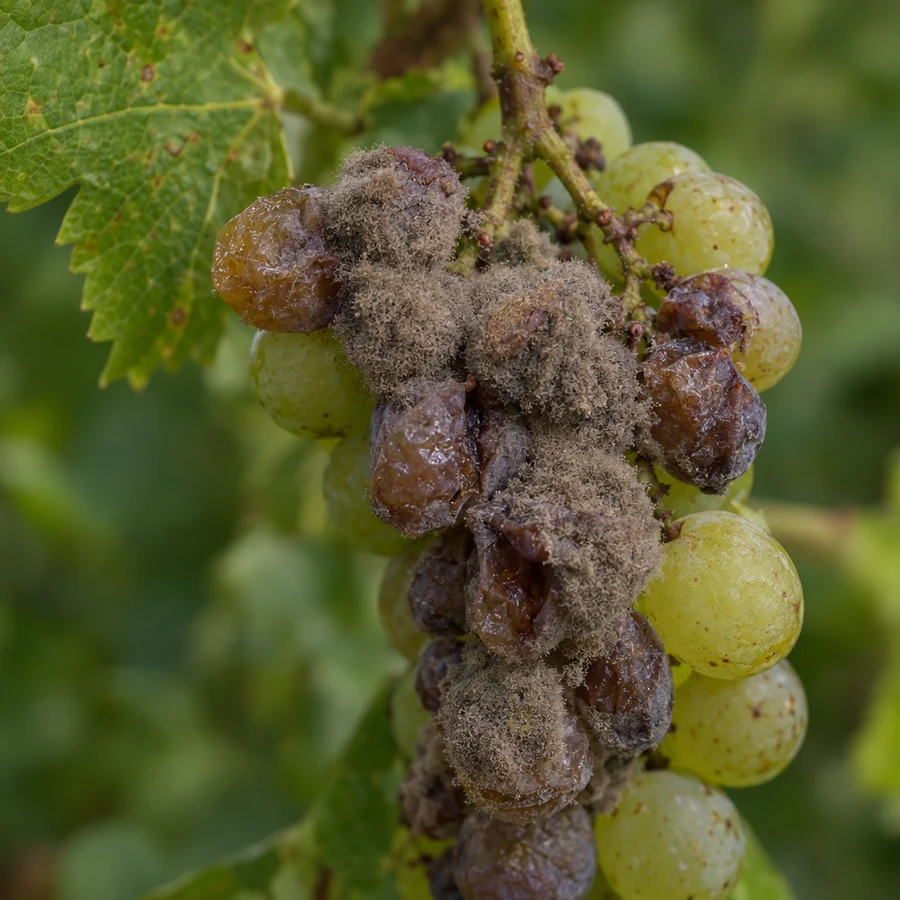
- Then a mouse-grey felt growing over the rot. Brush against it and a little cloud of spores drifts off.
- Buds that turn brown and never open, and petals freckled with small spots.
Crop by crop
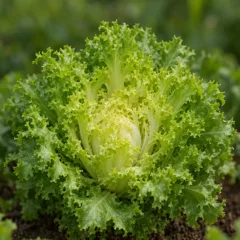
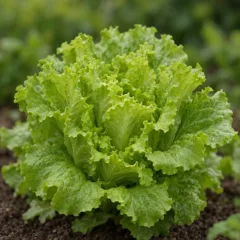
- Lettuce and endive: the rot starts on the lower leaves that rest on the soil and works upward.
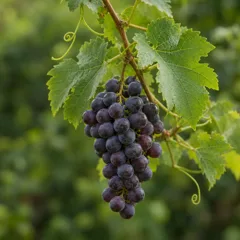
- Grapes: ripening bunches go soft and grow gray fuzz, often just before you'd pick them.
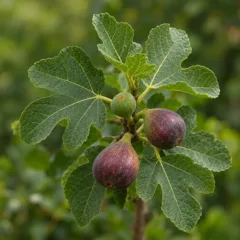
- Figs: on the fruit, a wet-looking spot spreads until the fig wilts and collapses, and the spore coat that forms is buff colored rather than gray. In a cool, wet spring after a frost, the bigger problem is limb blight: frost-nipped shoot tips and overwintered fruit die back, sunken cankers form on the shoots, and young shoots can wilt and brown.
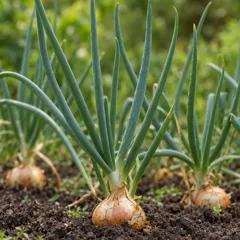
- Onions: in storage, a soft, sunken rot at the neck; in the bed, pale spots on the leaves and tips that die back.
The day you find it
- Wait for a dry spell, then cut off the infected parts and bag them up. Handle them gently, since every touch shakes loose more spores.
- Thin things out so air can move, and hold back on watering until the weather dries.
- On a fig, prune each blighted shoot back to healthy wood below the canker.
- Pick fruit as soon as it's ripe and get it into the fridge, which slows any rot that's already started.
- Sprays: Minnesota and Iowa State extensions say fungicides usually aren't needed in flower and home gardens. Cleanup and drier air do most of the work, and many plants bounce back once the weather turns dry.
Is the plant worth keeping?
Most of the time, yes. Pull a plant only if the crown or main stem is rotting, or the fuzz has spread over most of it. Otherwise snip out the bad bits and give it a chance to recover when the wet weather passes.
How it gets in
The fungus waits out the off-season on dead leaves, old stems and fallen fruit, in the soil and in garden debris. Its spores ride on the wind, on splashing water and on our hands. It needs a film of moisture on the plant to get started, so long wet spells, heavy dew and overhead watering are when it really takes off.
Keeping it out of the beds
- Give plants room, and divide or thin clumps that have grown into each other.
- Water the soil rather than the leaves, and do it in the morning so everything dries by evening. See watering deeply.
- Snip off spent flowers and yellowing leaves before they start to rot; deadheading helps here too.
- Harvest fruit as it ripens. Pick figs before they get overripe and ahead of rain, and don't leave damaged fruit on the plant or the ground.
- Onions: let the tops fall over, then cure the bulbs until the necks are fully dry before storing. More in harvest and cure onions.
- Clear away spent plants and debris at the end of the season, as in cleaning up diseased plants in fall.
Sources
- University of Minnesota Extension, Gray mold in the flower garden: https://extension.umn.edu/plant-diseases/gray-mold-flower-garden
- Iowa State Yard and Garden, Gray Mold: https://yardandgarden.extension.iastate.edu/encyclopedia/gray-mold
- Clemson HGIC, Gray Mold (Botrytis Blight): https://hgic.clemson.edu/factsheet/gray-mold-botrytis-blight/
- University of Illinois Extension, Gray Mold (Botrytis): https://extension.illinois.edu/plant-problems/gray-mold-botrytis
- UC IPM, Fig: Botrytis Limb Blight: https://ipm.ucanr.edu/agriculture/fig/botrytis-limb-blight
- Pacific Northwest Plant Disease Management Handbook, Fig (Ficus carica) Fruit Rot: https://pnwhandbooks.org/plantdisease/host-disease/fig-ficus-carica-fruit-rot
- LSU AgCenter, Louisiana Plant Disease Management Guide: Fig: https://www.lsuagcenter.com/~/media/system/2/e/4/0/2e40f4d1dd1e8dce7b732afd272a8838/p1802_2025-louisianaplantdiseasefigpdf.pdf
Plants it affects 15




Recent community discussions
No one has talked about Botrytis Blight: The Grey Fuzz on Spent Flowers and Soft Fruit yet. Be the first.
Join free to talk about Botrytis Blight: The Grey Fuzz on Spent Flowers and Soft Fruit ›
Products that take care of Botrytis Blight: The Grey Fuzz on Spent Flowers and Soft Fruit
Affiliate links. Evening Vines may earn a commission. Always follow the label.Products that take care of Botrytis Blight: The Grey Fuzz on Spent Flowers and Soft Fruit
 SB Plant InvigoratorA non-toxic spray that controls mildew and many bugs by contact, and feeds the leaves as it goes.See it →
 Pruning ShearsSharp bypass pruners for harvesting, deadheading and tidying.See it →
 Soaker HoseWaters the roots slowly, not the leaves: less disease, less water, less work.See it →
