
Savory
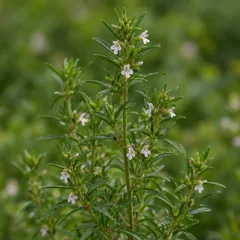
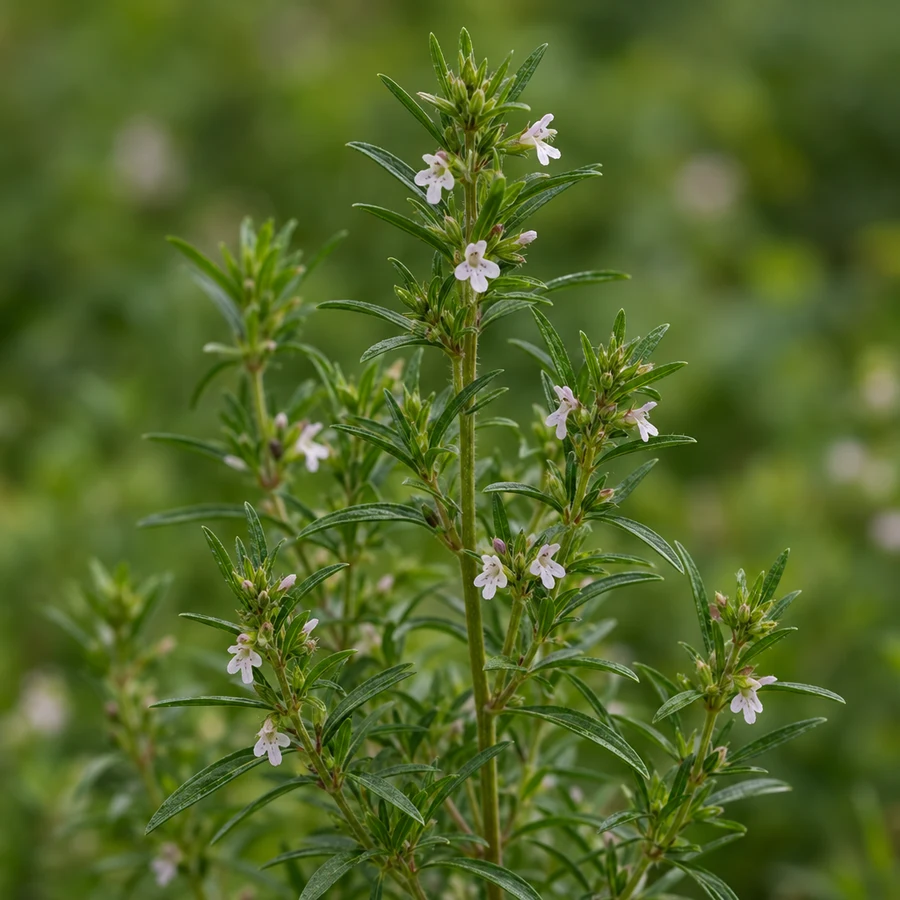
Savory is a peppery little herb in the mint family, and beans are its oldest friend in the kitchen. There are two you'll meet most often. Summer savory is a tender annual with a softer, sweeter bite. Winter savory is a tough, woody perennial with a sharper, stronger taste that keeps going for years in a sunny, well-drained spot.
Recent community discussions
No one has talked about Savory yet. Be the first.
At a glance
| Plant type | Herb |
| Botanical name | Satureja hortensis (summer savory); Satureja montana (winter savory) |
| Annual or perennial | Summer savory lives one season; winter savory comes back for years |
| Sun | Full sun, 6 hours or more |
| Water | Light; let the top inch dry out between drinks |
| Spacing | About 8 inches; give winter savory up to 12 |
| Planting depth | Pressed onto the surface and barely covered (the seed needs light) |
| Days to germinate | 7 to 14 days at 65 to 70°F |
| Days to maturity | About 60 to 70 days from seed to the first good cutting |
| Best USDA zones | Summer savory in every zone as a frost-tender annual; winter savory perennial in about zones 5 to 9 |
| Soil pH | About 6.5 to 7.5, neutral to slightly alkaline |
Is it savory weather where you are? See everything to plant this month or read your zone notes.

Sow indoors 6–8 weeks before last frost or direct sow after frost. In Zones 8–10, sow in fall for winter use.

Germinates in 7–14 days; 60–90 days.

Zones 3–10, June?Sept; winter savory (Zones 5–9) continues into cooler months; indoors year-round.

Light, well-drained sandy soils, pH 6.0–7.0. Prefers slightly alkaline but tolerates neutral soils.
Pests to watch for




Diseases
Mateo is researching the diseases that affect this plant.
A little history
Savory comes from the Mediterranean. The Romans used it the way we might use mint sauce, steeped in vinegar to dress their food. Colonists carried it across to North America, and in Germany it is still called Bohnenkraut, the bean herb.
When to sow in your zone
Summer savory: Start seeds indoors 4 to 6 weeks before your last frost, or sow straight into the bed once frost is over and the soil has warmed. It can't take cold, so don't rush it out. A second sowing a few weeks later keeps fresh leaves coming into late summer.
Winter savory: Start seeds indoors 6 to 8 weeks before your last frost, then plant out in spring after hardening off. Spring planting gives the roots a whole season to settle before their first winter.
Not sure of your frost date? The count back from last frost post walks you through it.
Savory by zone (rough months; your own frost date wins):
| Zone | Start summer savory indoors | Plant out or sow outside | Winter savory | |---|---|---|---| | Zone 3 | Mid April | Early June | Too cold to overwinter; grow it in a pot you bring in | | Zone 4 | Early April | Late May | Borderline; mulch and give it the sharpest drainage you have | | Zone 5 | Late March to early April | Mid May | Start mid March, plant out mid May | | Zone 6 | Mid to late March | Early May | Start early March, plant out early May | | Zone 7 | Early March | Late April | Start late February, plant out late April | | Zone 8 | February | Early to mid April | Start early February, plant out April | | Zone 9 | January | March | Start December or January, plant out March | | Zone 10 | Not needed | Sow outside in fall through late winter | Plant in the cooler months; it dislikes humid summers | | Zone 11 | Not needed | Sow outside in fall through late winter | Plant in the cooler months; it dislikes humid summers |
The full month-by-month list for each zone is on the zones page.
Growing it, step by step
From seed
Scatter the tiny seeds on damp seed mix and press them in with your palm. Cover only with a dusting, since they need light to sprout. Keep the tray at about 65 to 70°F and expect seedlings in one to two weeks. Our seed-starting mix post has a recipe that drains well.
Moving it outside
Harden off seedlings for a week, then set them out after frost about 8 inches apart, or up to 12 for winter savory.
Soil
Lean, gritty, well-drained soil suits savory best, at about pH 6.5 to 7.5. It's happy in neutral ground and doesn't mind a touch of lime. Heavy clay that stays wet is the one thing it really can't stand.
Water
Water seedlings regularly until they settle in, then let the soil dry a little between drinks. Established plants handle dry spells well.
Mulch
A thin layer of gravel or straw keeps the leaves clean and the crown dry. Keep it back from the stems.
Feeding
Savory needs no feeding in ordinary garden soil. Rich, heavily fed soil gives soft, leafy growth with less flavor.
Keeping it happy
Pinch the tips of young plants to make them branch out. Trim winter savory back lightly in spring to keep it compact, and never cut into old bare wood. Savory won't run wild in a bed: summer savory is a neat, bushy annual, and winter savory widens slowly into a low clump, so it is easy to keep in its place. Good airflow and sharp drainage do most of the work.
Trouble in the bed
Savory is generally trouble-free. Its strong oils keep most insects away, and many gardeners never see a problem. Now and then you may find:
- Aphids: Small clusters on soft new tips. A sharp spray of water usually clears them; insecticidal soap if they come back.
- Spider mites: Fine speckling on the leaves in hot, dry spells. Rinse the undersides of the leaves and water before the plant gets stressed.
Diseases are rare and nearly always come down to too much wet:
- Damping off: Seedlings collapse at the soil line. Use clean trays and fresh mix, don't overwater, and give the tray air and light.
- Root rot and winter wet: Winter savory is hardy to cold but not to soggy soil. Roots sitting in cold, wet ground through winter can rot. Plant in gritty, free-draining soil or a raised spot.
- Gray mold: Fuzzy gray patches can show up on crowded seedlings or plants kept under cloches and covers in damp weather. Space plants out, open covers on mild days, and pick off any moldy leaves.
Good neighbors






Good: Green beans, its traditional partner in the bed and the pot, and onions. It also sits well beside other sun-loving herbs that like the same lean, dry soil, such as thyme, sage, rosemary and lavender.
Avoid: Thirsty plants that need frequent watering, since the soil they like will be too wet for savory.
Seeds that grow well in your area in November
Affiliate links — shopping through these helps keep Evening Vines free. Smooth Blue Aster
 Polka Dot Mix
 Black-Eyed SusanSeeds
 ColumbineSeeds
Varieties worth growing
Savory is mostly sold by species rather than named variety:
- Summer savory (Satureja hortensis): Mild, sweet annual. Sometimes sold as garden savory. Seeds
- Winter savory (Satureja montana): Strong, hardy, woody perennial. Sometimes sold as mountain savory.
- Creeping winter savory (Satureja montana subsp. illyrica): A low, spreading form of winter savory, sometimes sold as purple winter savory.
- Creeping savory (Satureja spicigera): A different species that forms a low mat only a few inches high, with white flowers. Handy for edging a sunny path.
- Thyme-leaved savory (Satureja thymbra): Aromatic and used in Mediterranean herb blends.
Savory seeds to buy
Affiliate links — shopping through these helps keep Evening Vines free.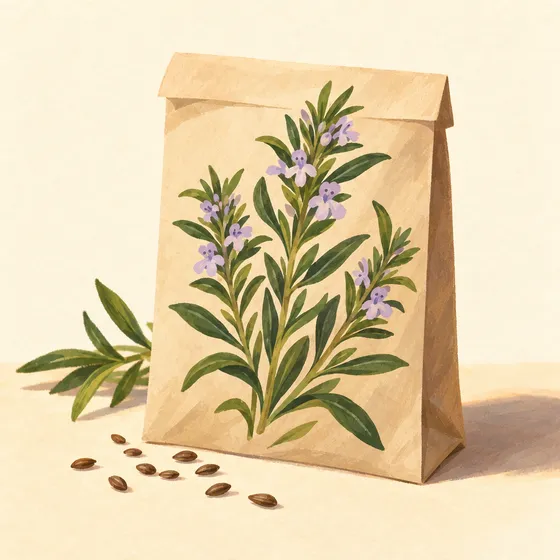 Summer Savory
Picking notes
Cut stems in the morning once the dew has dried, just as the flower buds form, when the flavor is strongest. Take what you need through summer. For storing, hang small bundles somewhere warm, dry and out of the sun. The dry herbs for winter post shows how.
Saving seed for next year
Leave a few stems to flower and let the seed heads dry brown on the plant. Rub them over a bowl to free the tiny seeds, then store them cool and dry in a labeled envelope. Summer savory may also drop seed and come up again by itself next year. More in saving seeds from your garden.
From garden to table
Savory seasons beans, lentils, sausages and stuffing, and it's lovely in soups, stews and herb butter. Use summer savory fresh or dried; winter savory is stronger, so start with less. Like most herbs it is used in small amounts for flavor rather than nutrition.
Questions from the potting bench
What is the difference between summer and winter savory? Summer savory is a tender annual with a milder, sweeter flavor and is grown fresh from seed each year. Winter savory is a woody perennial with a stronger, sharper taste that comes back each spring in about zones 5 to 9.
Can I grow it in pots? Yes, and it does well there. Give one summer savory plant a pot about 8 inches across, and winter savory a bigger one, around 10 to 12 inches, since it stays for years. Use a gritty potting mix, make sure the pot has drainage holes, and never leave it standing in a saucer of water. In cold zones, move potted winter savory to a sheltered spot for winter, as roots in a pot freeze faster than roots in the ground. The plant a herb container post has more.
Why pair it with beans? Its peppery flavor suits them, and the two have been cooked together for centuries. That's why the Germans call it the bean herb.
Will winter savory survive my winter? It handles cold well in about zones 5 to 9. Wet is the bigger danger than frost, so good drainage matters more than a thick blanket of mulch.
Grower reports
How did Savory do in your garden? Members rate it and say which zone and month they planted, so everyone can see what works near them.
Recent community discussions
No one has talked about Savory yet. Be the first.
Seeds to try
Affiliate links — shopping through these helps keep Evening Vines free.Essentials for Growing Savory
 Grow Bags
Breathable fabric pots: grow almost anything on a patio, balcony or driveway, and roots never circle.
See it →
 Seed Starting Tray
Reusable tray with a clear dome to give seeds a warm, humid start indoors.
See it →
 LED Grow Light
Full-spectrum light for sturdy seedlings through short winter days.
See it →
 Pruning Shears
Sharp bypass pruners for harvesting, deadheading and tidying.
See it →
 Watering Can
Long-spout can for gentle watering of seedlings and pots.
See it →
 Organic Fertilizer
Slow-release organic plant food for vegetable beds and containers.
See it →
