
Marjoram
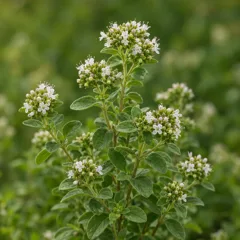
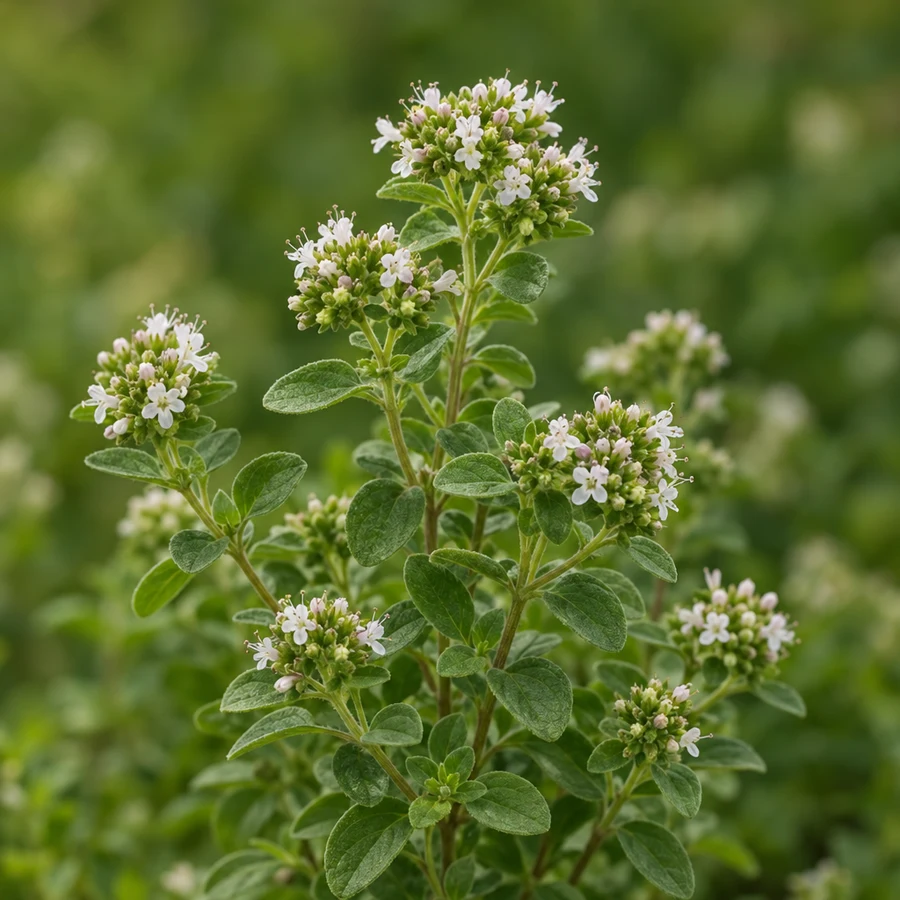
Marjoram is a soft, sweet-scented herb related to oregano, with a milder, more floral flavor. It does well in pots and herb beds, and it likes a lean, sunny spot more than a rich one.
Recent community discussions
No one has talked about Marjoram yet. Be the first.
At a glance
| Plant type | Herb |
| Botanical name | Origanum majorana |
| Annual or perennial | Tender perennial, grown as an annual in cold zones |
| Sun | Full sun |
| Water | Low to moderate |
| Spacing | 8 to 12 inches |
| Planting depth | On the surface, pressed in and left uncovered (the seed needs light) |
| Days to germinate | 7 to 14 |
| Days to maturity | 60 to 90 |
| Best USDA zones | 9 to 10 as a perennial; any as an annual |
| Soil pH | About 6.0 to 8.0 (neutral to slightly alkaline) |
Is it marjoram weather where you are? See everything to plant this month or read your zone notes.

Start indoors 6–8 weeks before last frost, or sow directly outdoors after frost danger has passed. Prefers warm soil (65–70°F / 18–21°C) for germination.

Germinates in 7–14 days; 60–90 days to mature.

Zones 7–10, June?October; in mild zones September?November; indoors year-round.

Well-drained, light sandy loam, pH 6.5–7.5. Prefers dry, alkaline soils.
Pests to watch for




Diseases

A little history
Marjoram comes from the Mediterranean region and western Asia. Ancient Greeks and Romans used it in cooking and in wreaths.
When to sow in your zone
Spring: Start seeds indoors 6 to 8 weeks before your last frost. Plant out once frost danger has passed and nights stay mild. Count your dates with count back from your last frost.
| Zone | Start seeds indoors | Plant out | |---|---|---| | 3 | Early to mid April | Early to mid June | | 4 | Late March to early April | Late May to early June | | 5 | Mid to late March | Mid to late May | | 6 | Early to mid March | Early to mid May | | 7 | Mid February to early March | Mid to late April | | 8 | Late January to mid February | Late March to early April | | 9 | December to January | Late February to March | | 10 | December to January | February |
These are rough guides built from typical frost dates. Your own last frost date matters more than the zone number. Marjoram sowing dates for your zone: find your zone on the zone pages.
Fall: In zones 9 and 10 the main planting is late winter, once frost is unlikely. A small fall sowing can be worth a try there too, since marjoram keeps growing through a mild winter, but treat it as an experiment. Everywhere else, bring potted plants indoors before the first frost.
Growing it, step by step
From seed
The seeds are dust-fine. Sprinkle them over moist seed-starting mix and press them in with your palm. Don't cover them: they need light to sprout. Keep the mix at 65 to 70°F and evenly damp, and look for seedlings in one to two weeks. Watering from below keeps the tiny seeds from washing around (see bottom watering seedlings).
Soil
Give it well-drained soil that can be on the lean side, neutral to slightly alkaline (about pH 6.0 to 8.0). Heavy, soggy ground is what kills it. In clay, use a raised bed or a pot.
Moving it outside
Harden off seedlings and plant after frost in a sunny spot. See hardening off seedlings.
Water
Let the soil dry slightly between waterings. It dislikes wet roots.
Mulch
Use a light layer of gravel or straw, kept off the stems.
Feeding
Little is needed. Too much fertilizer weakens the flavor.
Keeping it happy
Pinch tips to keep plants bushy, and trim before flowering for the best flavor. Give plants room so air moves between them, which helps keep mildew away. In cold areas, grow it in a pot and bring it indoors for winter.
Trouble in the bed
Pests
- Aphids: Rinse off with a strong spray of water or use insecticidal soap.
- Spider mites: Spray leaves with water and avoid drought stress.
- Whiteflies and thrips: Check leaf undersides; insecticidal soap helps with light infestations.
Diseases
- Root rot: The most common problem. Use fast-draining soil and avoid overwatering.
- Powdery mildew: A white, dusty coating on the leaves. Space plants well and water the soil, not the leaves. More in powdery mildew in late summer.
- Gray mold (Botrytis): Fuzzy gray patches in damp, crowded conditions. Thin plants and remove spotted stems.
- Rust: Orange spots under the leaves. Pick off affected stems and throw them away.
Good neighbors



Happy beside: Sage, thyme, rosemary and peppers, which all like full sun and soil on the dry side.
Keep it away from: Thirsty plants that want frequent watering, which would leave marjoram's roots too wet.
Seeds that grow well in your area in November
Affiliate links — shopping through these helps keep Evening Vines free. Wild Lupine
 Common Milkweed
 PansySeeds
 PhloxSeeds
Varieties worth growing
- Sweet marjoram (Origanum majorana): The standard culinary type. Seeds
- Pot marjoram (Origanum onites): A slightly hardier relative with a stronger flavor.
- Hardy marjoram (Origanum × majoricum): A cross with oregano that tolerates cold better, roughly zones 6 to 9.
Some plants sold as "marjoram" are other species, so check the botanical name on the label:
- Za'atar marjoram (Origanum syriacum): A separate species with a flavor somewhere between marjoram, oregano and thyme. Not the same as the za'atar spice blend.
- Greek marjoram: Usually Greek oregano (Origanum vulgare subsp. hirtum), sharper than sweet marjoram.
- Golden marjoram (Origanum vulgare 'Aureum'): A golden-leaved oregano with a mild taste, grown as much for looks as for cooking.
- Winter marjoram: A loose name used for both pot marjoram and Greek oregano, so go by the botanical name.
Marjoram seeds to buy
Affiliate links — shopping through these helps keep Evening Vines free.Picking notes
Start picking once plants are 4 to 6 inches tall, about two to three months after sowing. In zones 3 to 8 that usually means midsummer until the first frost. In zones 9 and 10 you can pick most of the year, with growth slowing in the hottest weeks. Snip stems in the morning, just before the flowers open, for the best flavor. Use fresh, or dry bundles upside down in a warm, shady spot (see dry herbs for winter).
Saving seed for next year
Let some flowers set seed and dry on the plant, then rub the seed heads over a bowl. Store cool and dry. Origanum species can cross, so seedlings may vary.
From garden to table
Marjoram flavors soups, sausages, roasted vegetables, and herb blends. Add it near the end of cooking. It also makes a mild tea.
Questions from the potting bench
Is marjoram the same as oregano? No, but they're close relatives in the same genus.
When should I plant marjoram in my zone? Start seeds indoors 6 to 8 weeks before your last frost and plant out after it. The zone table under When to Sow gives rough months for zones 3 to 10.
Should I cover marjoram seeds? No. Press them onto the surface of the mix and leave them uncovered, because they need light to sprout.
Can I grow it indoors? Yes, with bright light.
Does it survive winter? Not in cold zones. Bring pots indoors.
Grower reports
How did Marjoram do in your garden? Members rate it and say which zone and month they planted, so everyone can see what works near them.
Recent community discussions
No one has talked about Marjoram yet. Be the first.
Seeds to try
Affiliate links — shopping through these helps keep Evening Vines free.Essentials for Growing Marjoram
 Grow Bags
Breathable fabric pots: grow almost anything on a patio, balcony or driveway, and roots never circle.
See it →
 Seed Starting Tray
Reusable tray with a clear dome to give seeds a warm, humid start indoors.
See it →
 LED Grow Light
Full-spectrum light for sturdy seedlings through short winter days.
See it →
 Pruning Shears
Sharp bypass pruners for harvesting, deadheading and tidying.
See it →
 Watering Can
Long-spout can for gentle watering of seedlings and pots.
See it →
 Organic Fertilizer
Slow-release organic plant food for vegetable beds and containers.
See it →
