
Peppers
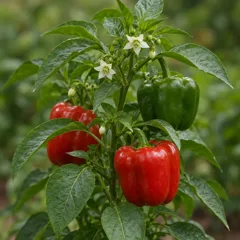
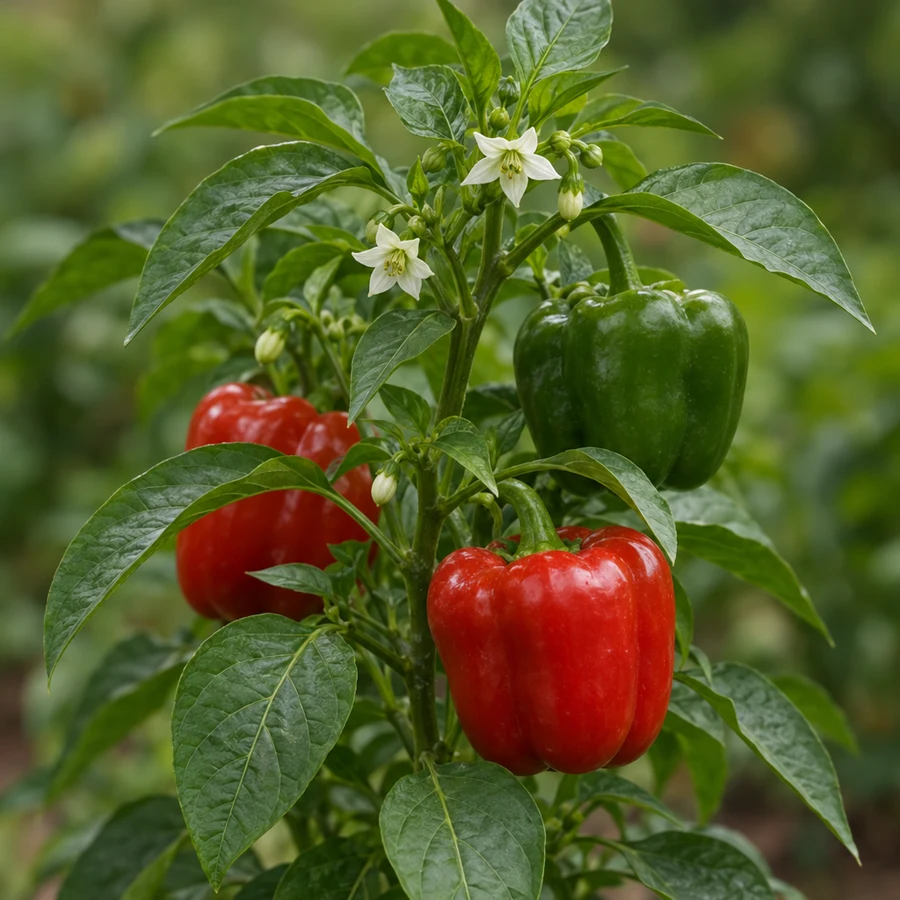
Peppers give crisp sweet fruit or fiery hot ones, and they're cousins of tomatoes and eggplant. In frost-free gardens a plant can live for years; everywhere else it's a summer crop that loves heat and sulks in the cold.
Recent community discussions
No one has talked about Peppers yet. Be the first.
At a glance
| Plant type | Vegetable (sweet and hot peppers) |
| Botanical name | Capsicum annuum |
| Annual or perennial | Tender perennial, grown as a summer annual |
| Sun | Full sun |
| Water | 1 to 2 inches per week |
| Spacing | 12 to 18 inches (up to 24 for large bells) |
| Planting depth | 1/4 inch |
| Days to germinate | About 1 to 3 weeks, slower in cool soil |
| Days to maturity | 60 to 90 from transplant |
| Nights before planting out | Steady above 55°F, soil about 65°F |
| Picking season | Mid or late summer until the first frost (zones 3 to 8) |
| Best USDA zones | Summer crop in zones 3 to 11; perennial in 10 and 11 (zone 9 only with winter protection or in pots) |
| Soil pH | 6.0 to 6.8 |
From planting to harvest
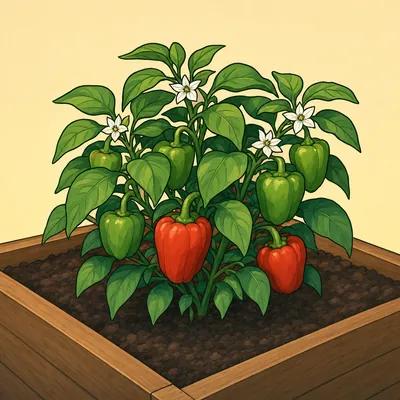
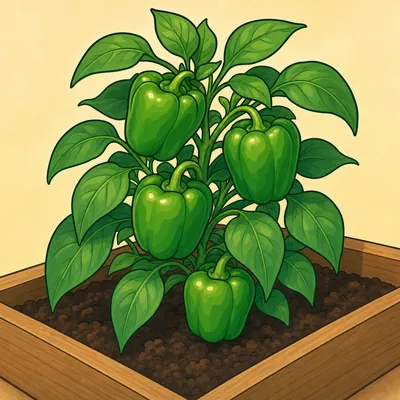
Is it peppers weather where you are? See everything to plant this month or read your zone notes.

Sow indoors 8–10 weeks before last frost. Transplant outdoors 2–3 weeks after frost when soil is 70–85°F (21–29°C). In warm zones, can direct sow late spring.

60–90 days from transplant; sweet types slower.

Zones 9–11, summer?early fall; harvest green or allow to ripen red, yellow, orange.

Well-drained, fertile sandy loam, pH 6.0–6.8. Needs warm, nutrient-rich soils for best fruiting.
Pests to watch for



A little history
Peppers come from Central and South America, where they were grown for thousands of years. Explorers carried them to Europe, Asia, and Africa, and they quickly became part of cooking all over the world.
When to sow in your zone
Spring: Start seeds indoors 8 to 10 weeks before your last frost date (see count back from last frost and start tomatoes and peppers indoors). Move plants outside 2 to 3 weeks after the last frost, once the soil has warmed to about 65°F and nights stay above 55°F. Our plant out peppers and eggplant post walks through the day itself.
Fall: In warm zones, start seed in midsummer and plant out in August or September for a fall crop. In frost-free zones 10 and 11 that crop can carry on through winter. In colder zones, pot up a favorite plant and bring it indoors before frost.
Find your pepper dates: look up your zone's frost dates on the zones page, then count back 8 to 10 weeks for sowing and forward 2 to 3 weeks for planting out.
Growing it, step by step
In the seed tray
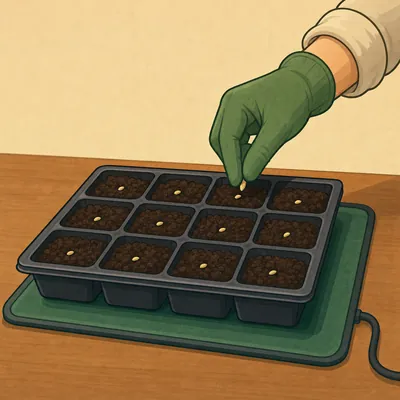
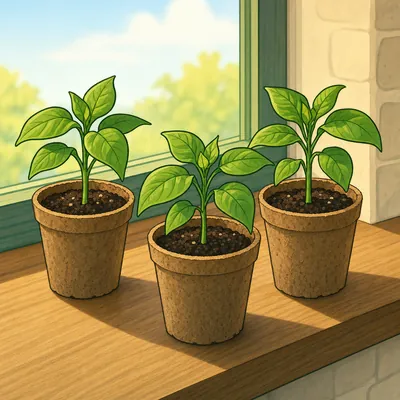
Sow 1/4 inch deep and keep the mix warm, 80 to 85°F on a heat mat if you have one. Most seeds come up in 1 to 3 weeks, slower if the tray runs cool, so don't give up on it too soon. Bottom watering and grow lights help, and seedlings can be potted up once they have true leaves.
Moving out to the bed
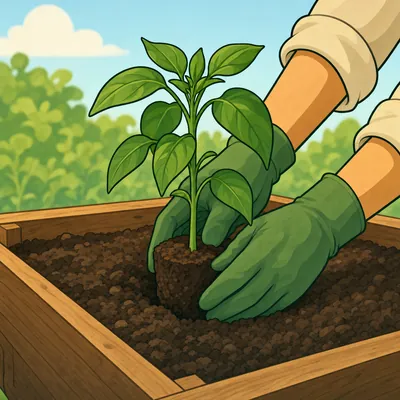
Harden them off for about a week, then set them 12 to 18 inches apart (up to 24 inches for big bell types). Plant at the same depth or slightly deeper.
Water and mulch
Give 1 to 2 inches of water a week and keep the soil evenly moist; big swings between wet and dry lead to blossom end rot. Once the soil is warm, spread 2 to 3 inches of mulch to hold moisture in (see mulching in spring).
Feeding
Work compost in at planting, then give a balanced feed when flowers appear. Too much nitrogen gives you leaves, not peppers. More in feed vegetables mid-season.
Keeping it happy
Stake heavy plants so branches don't snap under a full load. Pull off any dead or damaged leaves as you go. Rotate crops so peppers don't follow tomatoes, potatoes, or eggplant. Hot peppers contain capsaicin: wear gloves, don't touch your eyes, and wash hands afterward.
Trouble in the bed
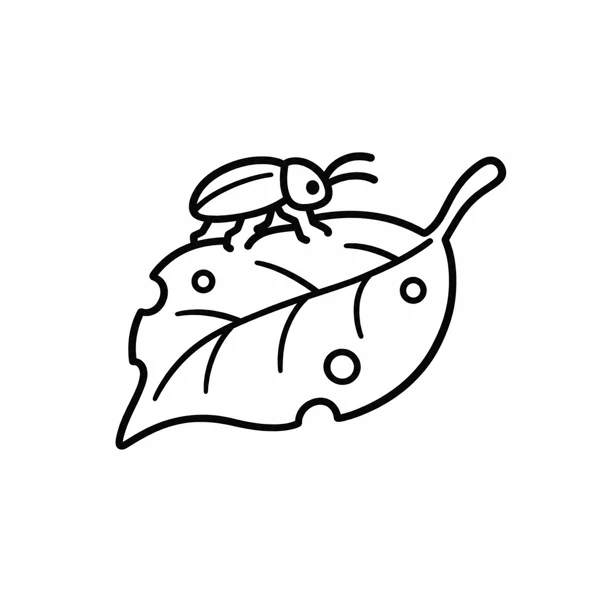
- Aphids: Rinse off with a strong spray of water or use insecticidal soap.
- Hornworms: Big green caterpillars that strip leaves fast. Hand-pick them off.
- Thrips: Tiny insects that scar leaves, flowers, and fruit. Check the flowers and rinse or use insecticidal soap if numbers build.
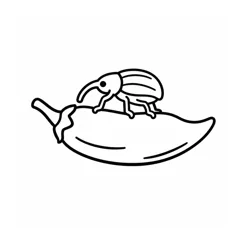
- Pepper weevil: A problem mainly in the southern US. Grubs feed inside the pods, so pick up and throw away fallen fruit.
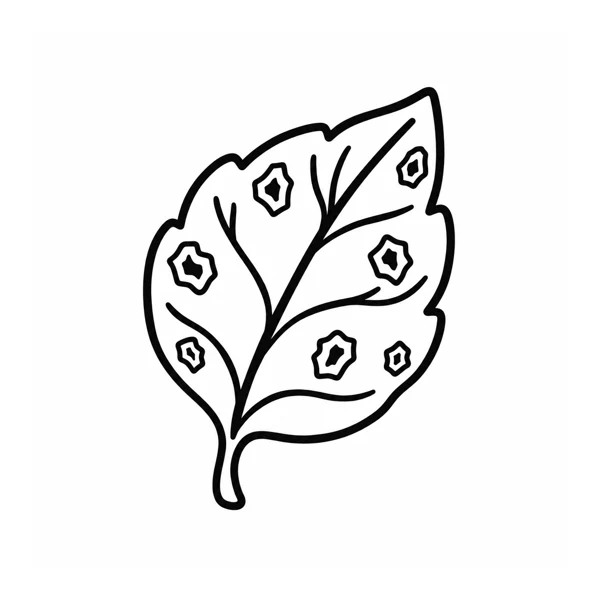
- Bacterial spot: Small dark spots on leaves and fruit in warm, wet weather. Start with clean seed, rotate, and stay out of the plants while they're wet.
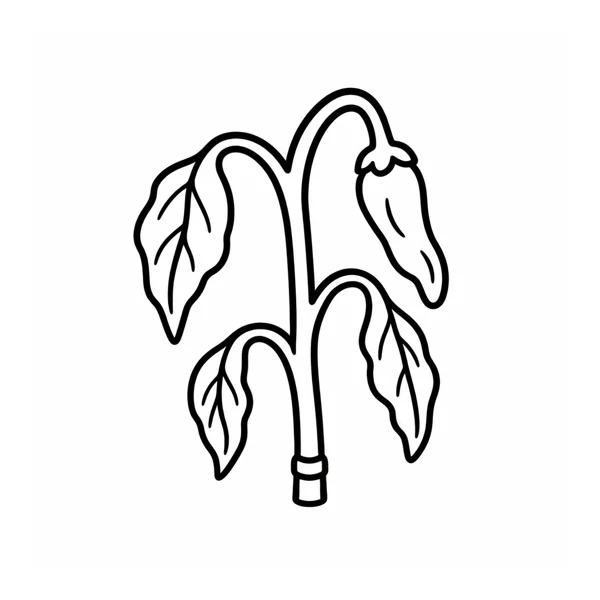
- Phytophthora blight: Plants wilt and collapse suddenly, stems darken near the soil, and fruit rots. It's worst where water pools. Grow in well-drained soil or raised beds and keep peppers, tomatoes, eggplant, and the squash family out of that spot for at least three years.
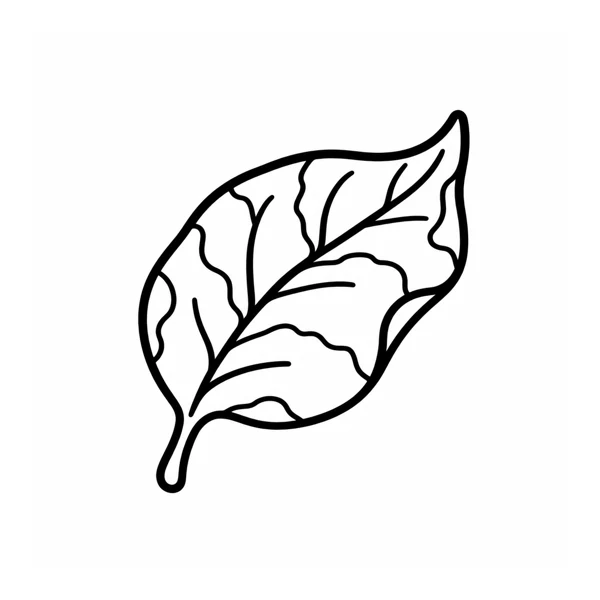
- Viruses: Mottled, curled leaves and stunted plants. Pull affected plants and keep aphids down.
- Blossom end rot: Water evenly. It's a watering and calcium-uptake problem, not a pest.
Good neighbors



Good: Basil, onions, carrots, and marigolds.
Avoid: Following tomatoes, potatoes, or eggplant in the same bed.
Seeds that grow well in your area in November
Affiliate links — shopping through these helps keep Evening Vines free. PhloxSeeds
 Royal Mix
 Johnny Jump Up
 Organic Cat Grass
Varieties worth growing
Peppers seeds to buy
Affiliate links — shopping through these helps keep Evening Vines free.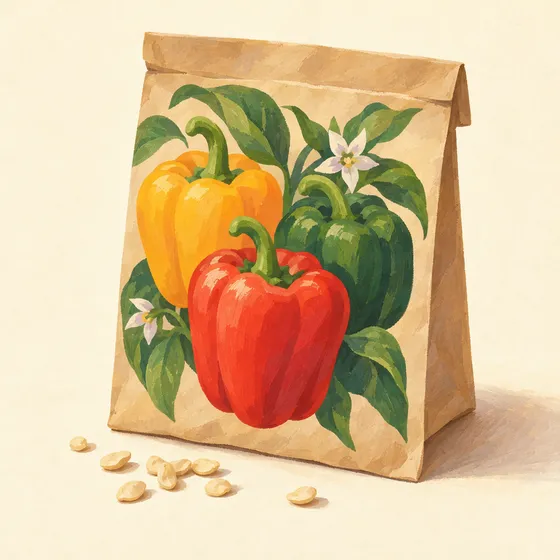 California Wonder
Picking notes
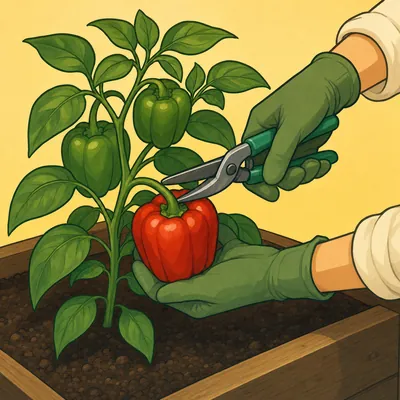
Pick sweet peppers green, or wait until they color up for more sweetness. Cut stems with pruners rather than pulling, which can break branches. In zones 3 to 8, picking starts in mid or late summer and runs until the first frost. In zones 9 to 11 the season runs longer, and in 10 and 11 plants can keep cropping into winter. Extra peppers freeze well.
Saving seed for next year
Insects can cross varieties, and a sweet pepper crossed with a hot one can give hot offspring next year (this year's fruit isn't affected). Separate varieties or bag flowers, and save seed from fully ripe fruit. More in saving seeds from your garden.
From garden to table
Peppers give vitamins C and A. Eat them raw, roasted, stuffed, pickled, or dried. Keep hot peppers away from children and pets.
Questions from the potting bench
Why do my peppers drop flowers? Usually it's too hot, too cool, or uneven water.
Can I overwinter peppers? Yes. Pot them up and bring them in before frost.
Are peppers perennial? Only outdoors in frost-free zones 10 and 11. In zone 9 they can come through winter with protection or in pots brought under cover.
Grower reports
How did Peppers do in your garden? Members rate it and say which zone and month they planted, so everyone can see what works near them.
Recent community discussions
No one has talked about Peppers yet. Be the first.
Seeds to try
Affiliate links — shopping through these helps keep Evening Vines free.Essentials for Growing Peppers
 Grow Bags
Breathable fabric pots: grow almost anything on a patio, balcony or driveway, and roots never circle.
See it →
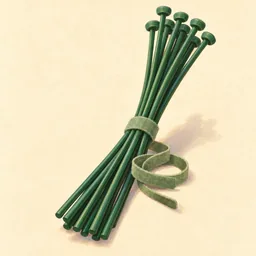 Plant Stakes
Steel stakes to keep peppers, eggplant and tall flowers from flopping.
See it →
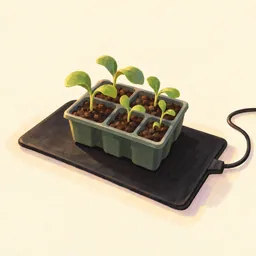 Seedling Heat Mat
Gentle bottom heat so peppers, tomatoes and eggplant sprout in a cool house.
See it →
 LED Grow Light
Full-spectrum light for sturdy seedlings through short winter days.
See it →
 Organic Fertilizer
Slow-release organic plant food for vegetable beds and containers.
See it →
 Seed Starting Tray
Reusable tray with a clear dome to give seeds a warm, humid start indoors.
See it →
