
Catnip
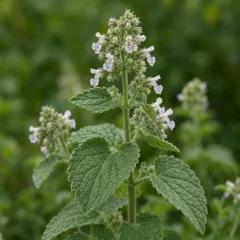
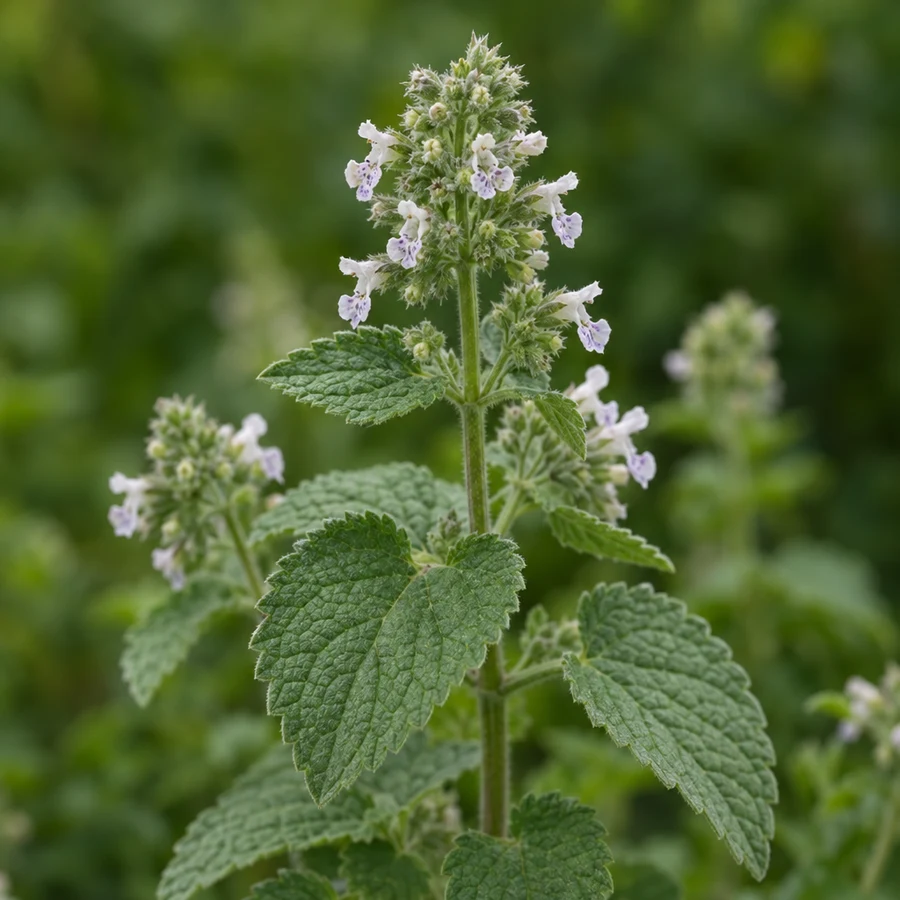
Catnip is a tough, gray-green herb from the mint family. Cats adore it and pollinators love it. It makes a calming herbal tea, and its spikes of small white flowers bring in bees all summer.
It grows almost anywhere with decent drainage and will happily self-seed, so pick its spot with care.
Recent community discussions
No one has talked about Catnip yet. Be the first.
At a glance
| Plant type | Herb |
| Botanical name | Nepeta cataria |
| Annual or perennial | Hardy perennial |
| Sun | Full sun to part shade |
| Water | Low once established |
| Spacing | 12 to 24 inches |
| Planting depth | 1/8 inch, or just pressed in |
| Days to germinate | 7 to 14 |
| Days to maturity | Light picking in the first summer, full harvest from year two |
| Best USDA zones | 3 to 9 |
| Soil pH | Not fussy: slightly acid to slightly alkaline is fine |
Is it catnip weather where you are? See everything to plant this month or read your zone notes.

Sow indoors 6–8 weeks before last frost, or direct sow outdoors after frost danger passes.

Germinates in 7–14 days; matures in 70–90 days.

Zones 3–9, June?September; in mild zones into early winter; perennial in Zones 4–9.

Dry, poor sandy soils, pH 6.0–7.5. Thrives even in low fertility.
Pests to watch for




Diseases

A little history
Catnip is native to Europe and parts of Asia. Medieval gardeners grew it as a tea and medicine herb. Early colonists carried it to North America, and it soon escaped from their gardens. By 1670 it was already growing wild in New England.
When to sow in your zone
Spring: Sow indoors 6 to 8 weeks before your last frost, or sow outdoors once the danger of hard frost has passed. Not sure of your dates? Find your zone on the zones page and count back from your last frost.
Fall: In zones 7 to 9, you can also sow in early fall so plants settle in before winter.
Growing it, step by step
From seed
Chill the seed in the fridge overnight, or soak it for a few hours, to help it sprout. Press it onto the soil surface or cover it very lightly, because it needs light to germinate. Keep the surface moist until seedlings show.
Moving it outside
Set seedlings out after the last frost, 12 to 24 inches apart. Use the wider spacing in good soil, where plants grow bigger.
Water
Water regularly until plants are established, then only in long dry spells.
Mulch
A light mulch helps young plants. Established plants don't need it.
Feeding
Little or none. Rich soil gives you floppy plants with less scent.
Keeping it happy
After the first flush of flowers, cut the plants back by about a third and they'll bloom again. Snip off spent flower spikes if you don't want seedlings popping up everywhere (see deadheading for more blooms). On young plants, nip the tips once or twice in early summer so they fill out instead of shooting up. If the neighborhood cats find your seedlings, a wire cage keeps them from being flattened.
Trouble in the bed
Catnip is a sturdy plant and rarely has serious trouble. The few things to watch for:
- Aphids: Knock them off with a jet of water, or use insecticidal soap if they build up.
- Spider mites: Mostly a problem in hot, dry weather. Look for fine speckling on the leaves and hose the undersides.
- Root rot: Comes from wet, heavy soil. Plant in well-drained ground and don't overwater.
- Powdery mildew: A white dust on the leaves. Give plants room and good airflow, and see powdery mildew in late summer.
Good neighbors







Catnip is often planted near vegetables such as squash and cabbage-family crops, in the hope that its strong scent confuses some pests. The research on this is thin, so treat it as a bonus rather than a pest plan. The surer win is the bees its flowers bring in. Keep it away from small, delicate herbs it could crowd out.
Seeds that grow well in your area in November
Affiliate links — shopping through these helps keep Evening Vines free. Smooth Blue Aster
 Polka Dot Mix
 Black-Eyed SusanSeeds
 ColumbineSeeds
Varieties worth growing
- Common catnip (Nepeta cataria): The classic, and the strongest pull for cats.
- Lemon catnip ('Citriodora'): A lemon-scented form, nice for tea.
Catmints are not catnip. Garden favorites like 'Walker's Low', 'Blue Wonder' and 'Little Titch' are catmints (other Nepeta species and hybrids). They are grown for their blue flowers and appeal to cats much less. 'Walker's Low' doesn't come true from seed, so it's bought as a plant. Greek catmint (Nepeta parnassica) is a tall plant, not a compact one.
Picking notes
Cut stems when the plants are in full bloom, since that's when the scent is at its peak. Cut a few inches above the base so the plant can regrow. Hang bundles somewhere cool, dark and airy to dry, then strip the leaves off the tough stems and store them in a sealed jar. More on this in drying herbs for winter.
Saving seed for next year
Let a few flower spikes turn brown on the plant, then cut them and shake them into a paper bag. See saving seeds from your garden for drying and storing.
From garden to table
Catnip leaves make a mild, relaxing tea. Dried leaves fill cat toys. The flowers feed bees and other pollinators.
A word for cat owners: catnip can make some cats vomit or have diarrhea, so offer it in small amounts.
Questions from the potting bench
Does catnip affect all cats? No. Roughly a third of cats don't react to it at all.
Is catnip invasive? It self-seeds freely. Deadhead it to keep it in check, or grow it in a pot.
Can I grow catnip in a pot? Yes, in a pot at least 8 inches wide with good drainage.
Grower reports
How did Catnip do in your garden? Members rate it and say which zone and month they planted, so everyone can see what works near them.
Recent community discussions
No one has talked about Catnip yet. Be the first.
Essentials for Growing Catnip
 Grow Bags
Breathable fabric pots: grow almost anything on a patio, balcony or driveway, and roots never circle.
See it →
 Seed Starting Tray
Reusable tray with a clear dome to give seeds a warm, humid start indoors.
See it →
 LED Grow Light
Full-spectrum light for sturdy seedlings through short winter days.
See it →
 Pruning Shears
Sharp bypass pruners for harvesting, deadheading and tidying.
See it →
 Watering Can
Long-spout can for gentle watering of seedlings and pots.
See it →
 Organic Fertilizer
Slow-release organic plant food for vegetable beds and containers.
See it →
