
 Root Rot
At a glance
| Type | Water molds and fungi |
| Main cause | Mostly Pythium and Phytophthora water molds; sometimes Rhizoctonia, Fusarium and other soil fungi |
| Worst conditions | Soggy, poorly drained soil, overwatering, pots without drainage, and planting too deep |
Recent community discussions
No one has talked about Root Rot yet. Be the first.
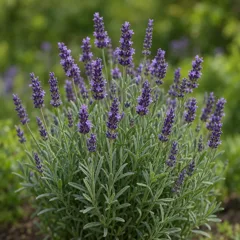
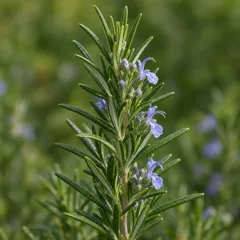
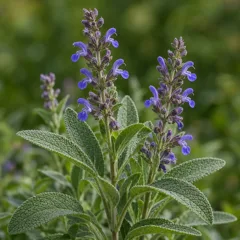
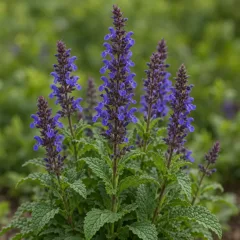
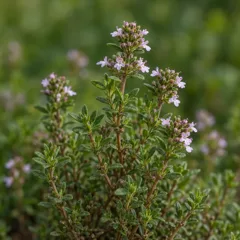
Root rot is the general name for several soil organisms that rot roots when soil stays too wet. Overwatering and poor drainage set it off, and it's one of the most common reasons garden and potted plants die. Mediterranean herbs like lavender, rosemary, sage and thyme are especially prone in heavy or wet soil.
Signs
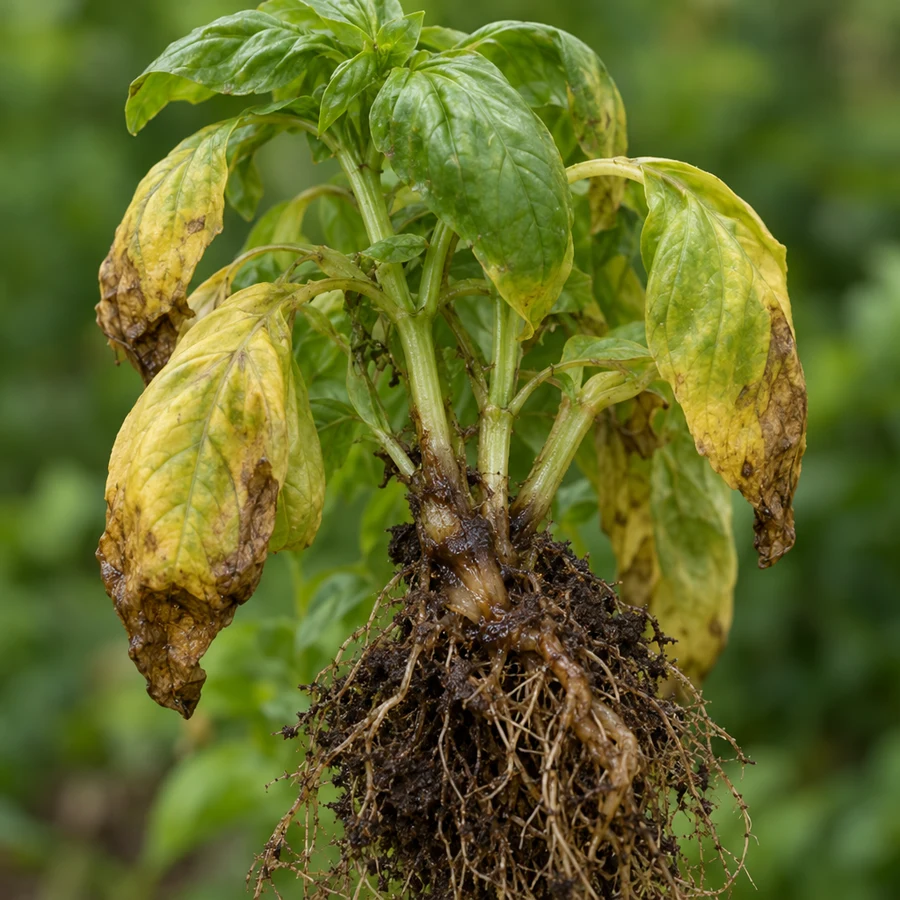
- The plant wilts even though the soil is wet. At first it may perk up overnight, but as more roots die it stays limp.
- Leaves turn yellow, then brown, starting low on the plant.
- Slow, stunted growth.
- Roots are brown or black, soft and mushy instead of white and firm; the outer skin slips off easily when pulled.
- A dark, rotten area at the base of the stem (crown rot).
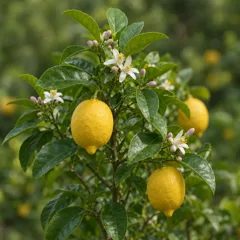
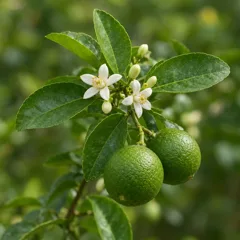
- In citrus, the bark at the base of the trunk may darken, crack or ooze.
Cause and Spread
These organisms live in most soils and wait for wet conditions. When soil stays waterlogged, roots run short of air and weaken, and water molds like Pythium and Phytophthora release swimming spores that attack them. They spread in moving water, in soil on tools and boots, and in infected nursery plants and potting mix. Overwatering and poor drainage are the biggest triggers.
Prevention
- Plant in well-drained soil; in heavy clay, use mounds or raised beds.
- Water deeply but less often, and let the top inch or two of soil dry between waterings.
- Use pots with drainage holes and a free-draining mix; never leave pots standing in water.
- Don't plant too deep, and keep mulch a few inches away from stems and trunks.
- Give drought-loving herbs gritty, lean soil and full sun.
- Check the roots of new plants before planting, and don't plant any that are brown and mushy.
- Use fresh potting mix rather than reusing mix from a plant that died.
Organic Treatment
- Catch it early: cut back on watering and improve drainage straight away.
- For pot plants, remove the plant, trim off soft, dark roots with clean scissors, and repot in fresh mix in a clean pot with drainage.
- In the ground, pull mulch back from the stem so the base can dry out.
- There's no organic spray that heals rotted roots; fixing the water is the treatment.
When to Pull the Plant
Pull the plant if most roots are dark and mushy or the stem base has rotted; it won't recover. Lift it out with its soil ball and throw it away in the trash, not the compost. Fix the drainage before planting in that spot again.
Sources
- Ohio State University: Pythium/Phytophthora Root Rot (Ornamental Disease Facts)
- Penn State Extension: Pythium
- University of Delaware Cooperative Extension: Pythium Root Rot
- Cornell Greenhouse Horticulture: Root Rot Diseases
- UGA Cooperative Extension: Why Is My Plant Dying? Improving Drainage in Residential Gardens and Lawns
- Utah State University Extension: Pythium Root Rot
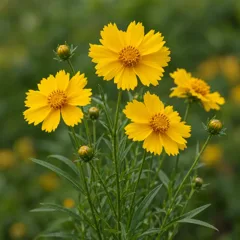
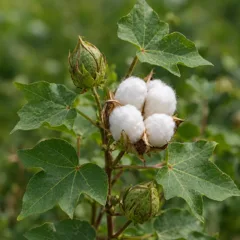
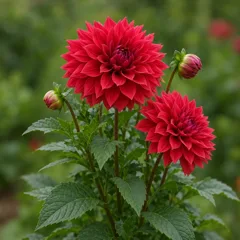
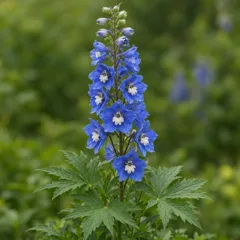
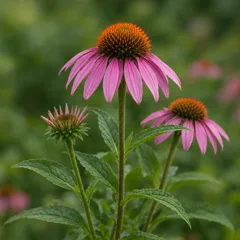
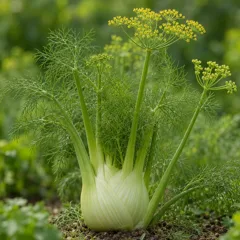
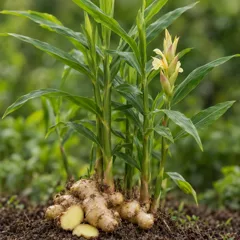
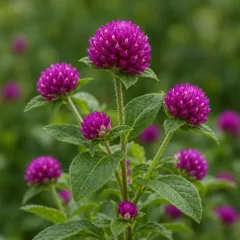
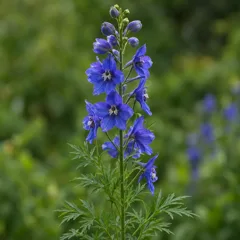
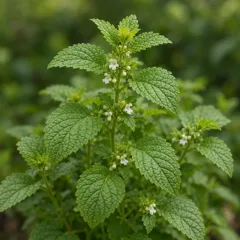
Plants it affects 33
Recent community discussions
No one has talked about Root Rot yet. Be the first.
Products that take care of Root Rot
 Biofungicide (Bacillus subtilis)Friendly bacteria that crowd out mildews, gray mold and leaf spots.See it →
 Seed Starting TrayReusable tray with a clear dome to give seeds a warm, humid start indoors.See it →
 Soaker HoseWaters the roots slowly, not the leaves: less disease, less water, less work.See it →
Products that take care of Root Rot
SB Plant InvigoratorA non-toxic spray that controls mildew and many bugs by contact, and feeds the leaves as it goes.See it →Seed Starting TrayReusable tray with a clear dome to give seeds a warm, humid start indoors.See it →Soaker HoseWaters the roots slowly, not the leaves: less disease, less water, less work.See it →